Daan Park Prepares for a Month of Spring Color
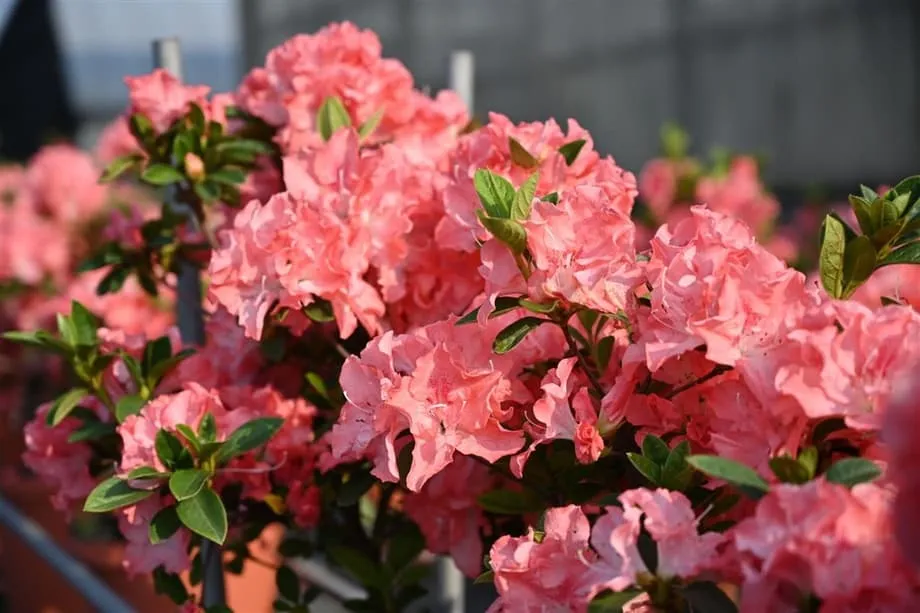
More than 200,000 azaleas are set to fill Taipei's Daan Park with color when the 2026 Taipei Azalea Festival opens on Friday, March 6. Running through March 31, the celebration will combine flower displays with weekend music, creative workshops, markets and activities reaching into nearby shopping districts.
Contents
- Daan Park Prepares for a Month of Spring Color
- Rare Azaleas Bring 12 Years of Breeding to the Park
- A'rk Connects Shared Memories With Reused Materials
- Weekend Music and Workshops Add to the Flower Displays
- Markets Carry the Celebration Into Nearby Neighborhoods
- A Second Flower Festival Opens on the Same Day
- Why Daan Park Is Central to the Celebration
- A City Flower With a Festival History Dating to 2017
- Dates That Shape the Spring Festival Season
- Key Points
The city's Parks and Street Lights Office is organizing the festival, which is described as entering its second decade. This year's display will range from the soft pink flowers closely associated with Taipei's spring season to rare varieties developed through 12 years of selective breeding. Native azaleas from neighboring New Taipei will share the grounds with these cultivated plants.
March 6 will also mark the opening of the 2026 Taipei Rose Festival at the Taipei Rose Garden in Xinsheng Park. That event will feature more than 5,000 roses representing over 800 varieties from around the world, giving visitors two major flower celebrations to explore during the same trip.
Daan Park's festival activities are free to the public, including concerts, workshops and garden access. Alongside the flowers, an installation called A'rk will connect the park's shared memories with a program that turns discarded materials into art and landscape decorations.
The azalea has been Taipei's official city flower since 1969. Its place in the capital's identity helps explain why the festival is more than a seasonal display: it brings together the city's planting program, its public spaces and the neighborhoods around one of its best known parks.
Rare Azaleas Bring 12 Years of Breeding to the Park
The Taoyuan District Agricultural Research and Extension Station is providing two of the festival's most distinctive plants: Taoyuan No. 1 -- Red Rose and Taoyuan No. 2 -- Torch Azaleas. Developed through 12 years of selective breeding, they were designed for lowland landscapes in northern Taiwan.
Selective breeding involves choosing plants with desired features and breeding them over successive generations. Here, that work has produced varieties with distinctive flowers suited to the landscapes where they will be displayed. Their appearance gives visitors a close view of how cultivation can change the shape and character of a familiar plant.
Red Rose changes as its flower opens. At the halfway stage, it resembles a rose. Once fully open, its petals spread into a full, round formation, allowing visitors to see different shapes depending on the stage of the bloom.
Torch carries Golden Azalea lineage. It has wavy petals and slightly fuzzy leaves that change color as flowering progresses. The research station has also used advanced techniques to stabilize the blooming period, helping bring the flowers to their peak for visitors.
The display will include native azalea species supplied by a flower production cooperative in Jinshan District, New Taipei. These plants represent the region's indigenous flora, which existed before modern cultivation techniques. Placing them beside the specially bred varieties brings natural heritage and human cultivation into the same exhibition.
A'rk Connects Shared Memories With Reused Materials
A'rk, the festival's centerpiece installation, takes the form of a symbolic ark docked within Daan Park. Its theme draws on the park's role in creating shared memories for residents over the past decade, giving a physical form to experiences associated with the green space.
The installation also connects that community theme with care for the environment. Organizers are incorporating repurposed materials into art and floral decorations, including fallen trees, ocean debris and construction waste. Materials that might otherwise be discarded are being transformed into landscape features.
The reuse program links the festival's visual displays with the city's goals for resource recycling and ecological restoration. Rather than relying entirely on newly made decorations, the event uses existing materials to create parts of its spring setting.
Environmental education will extend beyond the installation. Displays around the grounds will explain how azaleas support urban ecosystems. Their flowers provide nectar for bees and butterflies in early spring, when relatively few other plants are blooming. Nectar is a food source for these pollinators, making the flowers useful to wildlife as well as attractive to visitors.
Weekend Music and Workshops Add to the Flower Displays
The Anson Music Party will take place every weekend during the March 6 to March 31 festival. Local bands and acoustic artists will perform, giving visitors live music to enjoy among the flowering plants.
Previous editions have featured indie bands, singer-songwriters and international acts. Those performances have helped turn Daan Park into an outdoor concert venue as well as a place for viewing flowers. This year's weekend program continues that combination of music and spring scenery.
The Botanical Sensory Life Workshop series will offer creative classes led by professional instructors. Activities will include making plant pots, creating miniature bouquet accessories and exploring wool crafts, with the azalea theme guiding the work.
Families and people who enjoy making things themselves will be able to create souvenirs that carry part of the festival experience home. The workshops give visitors another way to engage with the plants beyond walking through the displays or taking photographs.
The program also includes reading tours exploring the literary and cultural significance of flowers in Taiwanese history. A Floral Picnic concept encourages families to bring blankets and enjoy meals among the blooms, while an outdoor cinema adds another activity to the park's festival program.
Markets Carry the Celebration Into Nearby Neighborhoods
Businesses in Chengnan, or South Town, are collaborating with the festival on creative markets and art fairs. The partnership connects Daan Park with its surrounding neighborhoods and gives local commerce a role in the spring celebration.
Visitors will be able to browse stalls featuring local artisans, merchandise inspired by flowers and seasonal treats. These activities bring opportunities for nearby businesses while expanding the festival beyond its garden displays.
Stamp rally programs will involve the Yongkang and Gongguan commercial districts. By encouraging visitors to move between the park and neighboring areas, the programs extend the celebration into places where people can eat, shop and explore.
The South Town area includes Yongkang Street, known for its food, and the Gongguan commercial district near National Taiwan University. The festival's collaboration with merchants is intended to strengthen the economic and social connections between those neighborhoods and the park.
For visitors, the combination can turn flower viewing into a full day out. Time in Daan Park can be followed by dining and shopping nearby, with the markets, art fairs and stamp activities providing links between the different stops.
A Second Flower Festival Opens on the Same Day
The 2026 Taipei Rose Festival will open alongside the azalea festival on March 6 and run through early April. Its venue, the Taipei Rose Garden, is in Xinsheng Park within the Taipei Expo Park complex.
More than 5,000 roses from over 800 varieties will be displayed there. The plants come from around the world, offering a different collection from the azaleas at Daan Park and a second way to explore the city's horticultural diversity.
The rose garden follows a classical European garden style, with fountains and decorative arches that visitors can walk beneath. Its layout adds another aspect to the flower viewing experience: visitors can compare the plants themselves and the way the two gardens present them.
Xinsheng Park was one of the venues for the 2010-2011 Taipei International Flower Expo. The rose garden remains a lasting reminder of that international horticultural event, connecting the current festival with an earlier chapter in Taipei's public garden development.
Together, the rose and azalea festivals anchor the city's spring flower season. Other displays across Taipei during March and April include hydrangeas, calla lilies and cherry blossoms. Visitors planning a longer stay can combine these events to explore different flowers and garden design traditions.
Why Daan Park Is Central to the Celebration
Daan Park covers 26 hectares in Daan District, with trees, lawns and pathways offering space away from the surrounding densely built city. Its size and central role in everyday recreation make it a major setting for Taipei's spring celebration.
The park serves as a green lung for the capital, providing relief from the intensity of urban life. During the festival, its familiar paths and open spaces will also become places for flower viewing, performances, picnics and creative activities.
Daan Park's amphitheater hosts many of the festival's performances and has become a popular venue for outdoor cultural events. The music program builds on that established use of the park rather than treating it only as a backdrop for the flower displays.
Multiple MRT stations provide access to the park, and bicycle routes in the surrounding area support travel by bike. These connections help visitors combine time at the festival with trips through nearby neighborhoods.
The links with Chengnan businesses reflect a deliberate effort to connect the green space with the streets around it. The park, local shops and neighboring cultural activities together form a broader festival area, with Daan Park remaining its main gathering place.
A City Flower With a Festival History Dating to 2017
The Taipei Azalea Festival began in 2017, when Mayor Ko Wen-je initiated the event after conversations with officials at National Taiwan University. The azalea is both Taipei's city flower and the university's school flower, providing a shared symbol for the municipal and academic communities.
Since its beginnings as a modest celebration, the festival has grown into a major spring attraction drawing thousands of visitors annually. Its continuing connection with the city flower gives the event a civic role as well as a recreational one.
Taipei cultivates approximately 100,000 azaleas each year through its urban greening program. Plantings accumulated since the festival began decorate public green spaces, including those along major roads such as Renai Road.
The annual cultivation figure and the festival's display figure describe different parts of that effort: approximately 100,000 azaleas are cultivated each year, while more than 200,000 are featured in the 2026 celebration. Together, they show the scale of the city's sustained investment in the flower.
The longer term vision includes extending azalea trails from South Town through Daan Park and up to Treasure Hill. The aim is to create continuous floral corridors through the city, connecting individual planting areas into routes that people can follow.
Taipei's ambition to become a city of flowers also includes a calendar extending beyond March. The Camellia Festival takes place in January, the Shilin Residence Tulip Season in February, and the Zhuzihu Calla Lily and Hydrangea Festival later in spring. Within that sequence, the azalea festival marks the arrival of spring in the capital.
Dates That Shape the Spring Festival Season
March 6 is the shared opening date for the azalea and rose festivals, but their closing periods differ. The Daan Park celebration ends on March 31, while the rose festival continues into early April. No exact closing date for the rose festival has been given.
The festival's history and the 2026 schedule can be followed through these milestones:
- 1969: The azalea becomes Taipei's official city flower.
- 2010-2011: Xinsheng Park serves as one of the venues for the Taipei International Flower Expo.
- 2017: Mayor Ko Wen-je initiates the Taipei Azalea Festival following conversations with National Taiwan University officials.
- March 6, 2026: The Taipei Azalea Festival opens at Daan Park, and the Taipei Rose Festival opens at the Taipei Rose Garden.
- Every weekend during the azalea festival: The Anson Music Party brings live performances to the park.
- March 31, 2026: The Taipei Azalea Festival ends.
- Early April 2026: The Taipei Rose Festival concludes.
For families and other visitors, the March program brings several activities into one period: flower viewing, free concerts and workshops, neighborhood markets, reading tours, picnics and outdoor cinema. The two festivals also connect Taipei's current spring displays with its longer history of planting and public garden events.
Key Points
- The 2026 Taipei Azalea Festival runs from March 6 through March 31 at Daan Park, featuring more than 200,000 azaleas.
- Taoyuan No. 1 -- Red Rose and Taoyuan No. 2 -- Torch Azaleas were developed through 12 years of selective breeding.
- Native azaleas from Jinshan District will appear alongside the cultivated varieties.
- A'rk celebrates shared park memories, while festival decorations reuse fallen trees, ocean debris and construction waste.
- Concerts, workshops and garden access at Daan Park are free to the public.
- Markets, art fairs and stamp rallies connect the celebration with Chengnan, Yongkang and Gongguan.
- The Taipei Rose Festival opens March 6 and continues into early April, displaying more than 5,000 roses representing over 800 varieties.
- Taipei's azalea festival began in 2017, and the city cultivates approximately 100,000 azaleas annually.