
More than 120,000 cases after years of progress
Bangladesh's measles outbreak has pushed reported suspected and confirmed infections above 120,000 since the surge began in mid March 2026, exposing gaps in a vaccination system that had once brought the country close to eliminating the disease. Government figures cited by July 20 put suspected and confirmed deaths at nearly 750, most of them children. Another health authority update recorded 780 combined confirmed and suspected deaths, alongside more than 116,000 suspected cases.
Contents
- More than 120,000 cases after years of progress
- How missed doses accumulated
- The procurement dispute behind the shortages
- Families reached hospitals already in crisis
- Following the outbreak through changing counts
- What the emergency vaccination campaign achieved
- Dengue adds a second burden
- Restoring routine protection beyond the campaign
- A crisis built from several disruptions
- The Bottom Line
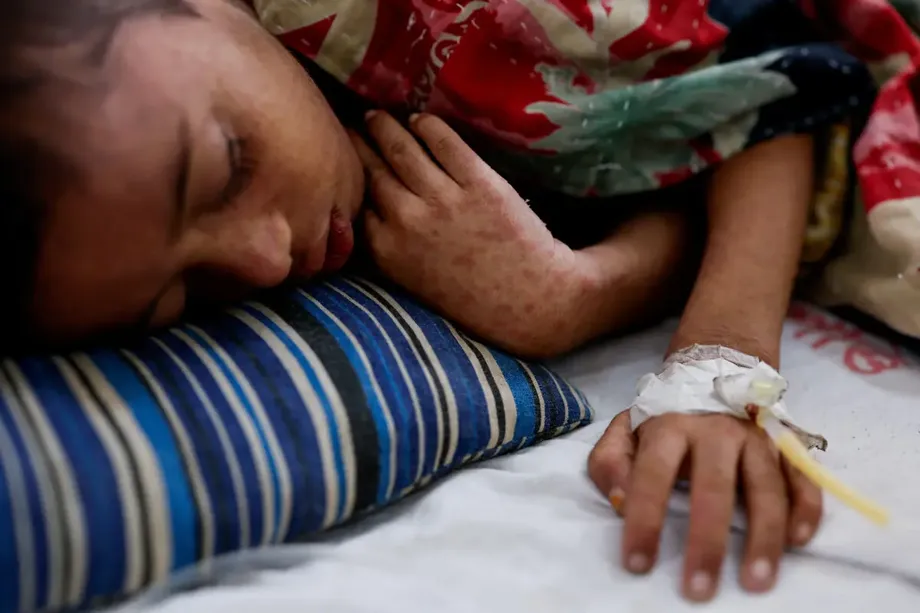
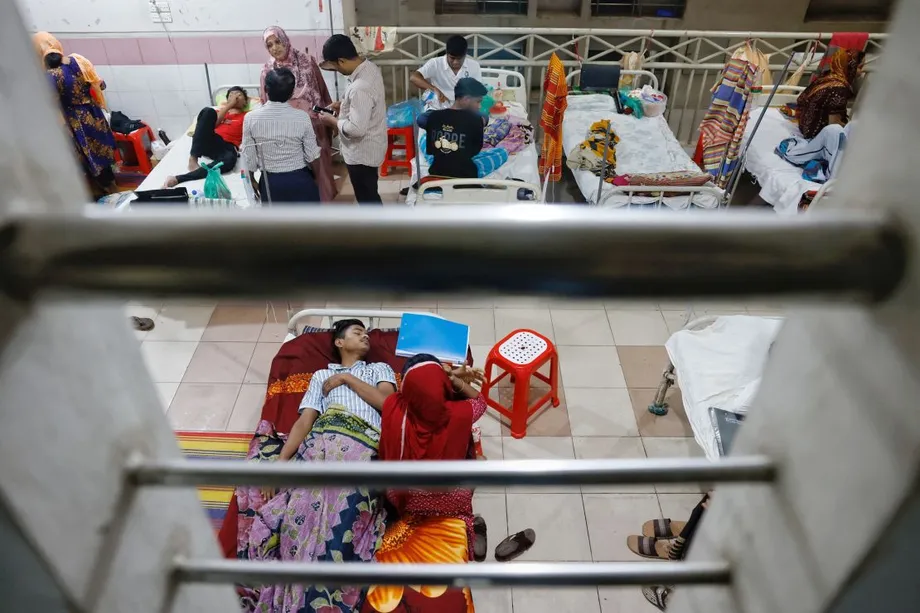
The country's worst measles outbreak in years has spread across most districts and overwhelmed children's wards. At Medical College Hospital in Mymensingh, nearly 130 measles patients were being treated in 32 rooms, more than twice the ward's intended capacity. Families slept on blankets in corridors and on floors as doctors treated pneumonia, heart failure and severe breathing problems.
Dr Mohammed Golam Mawla, a paediatrician caring for patients in Mymensingh, described the scale of the emergency:
I have never seen an outbreak this huge,
Bangladesh had maintained vaccination coverage above 90 percent for years. Its Expanded Programme on Immunisation, launched in 1979, helped lift childhood vaccination coverage from about 2 percent in the 1980s to roughly 90 percent in recent years. Large campaigns against measles and rubella also showed that the country could reach millions of children.
Measles spreads through the air when an infected person coughs, sneezes or breathes. It is among the most contagious human diseases, allowing an unvaccinated child to become infected after brief contact with someone carrying the virus. Crowded homes, schools, clinics and public transport provide opportunities for transmission. Once enough children lack protection, the virus can move quickly through communities.
Emergency vaccination has begun to slow the surge in areas with stronger coverage. Hospitals, however, have continued to receive sick children, and the country has still been recording hundreds of suspected cases each day and repeated deaths.
How missed doses accumulated
Bangladesh routinely gives measles and rubella vaccine doses at about nine months and 15 months of age. Wider campaigns every few years are intended to reach children who miss routine vaccination. Keeping both systems working matters because protection must be renewed as each new group of children becomes old enough for vaccination.
The 2023 Coverage Evaluation Survey showed that first dose coverage had fallen from 88.6 percent in 2019 to 86 percent. Second dose coverage dropped from 89 percent to 80.7 percent over the same period. Those changes amounted to declines of 2.6 percentage points for the first dose and 8.3 percentage points for the second, leaving millions of children without full protection.
Bangladesh remained below the estimated 95 percent coverage with two doses needed to stop sustained transmission. The second dose figure of 80.7 percent was 14.3 percentage points below that level. When many children in the same community miss doses, measles has more opportunities to spread from one susceptible person to another.
The COVID pandemic interrupted routine immunisation around the world. In Bangladesh, measles vaccination coverage fell by about 51 percent during April and May 2020. Follow up campaigns that could have reached children left unprotected were then missed or delayed. A supplementary campaign expected in 2024 or 2025 was also delayed as political turmoil disrupted government services.
Each missed campaign left another group of children susceptible to infection. The gap grew quietly until the virus encountered enough unprotected people to spread rapidly. Children under five account for about four in five cases in the current outbreak. Infants under nine months have faced particular danger because many are too young for their first routine dose.
Nutrition has made the consequences more severe. Measles can weaken the immune system, leaving children more vulnerable to pneumonia, diarrhoea and other infections. Malnutrition and vitamin A deficiency can worsen those complications. Health researchers have reported high levels of stunting and wasting among young children in Bangladesh, increasing the risk that an infection becomes fatal.
The procurement dispute behind the shortages
Vaccine purchasing became a political dispute after the upheaval that removed former Prime Minister Sheikh Hasina in 2024. During the interim administration led by Muhammad Yunus, officials considered changing how vaccines were bought, moving toward competitive tenders while examining new suppliers and different financing arrangements.
UNICEF had traditionally helped supply vaccines through a direct procurement system supported by international partners, including Gavi, the Vaccine Alliance. UNICEF warned that changing the arrangement could cause delays and stock shortages. The tender process became caught in administrative delays, and stockouts of several vaccine types were subsequently reported at the central depot in Dhaka, including measles and rubella vaccine.
Officials from the former interim administration dispute claims that they caused a shortage. Syedur Rahman, who held a senior health role during that period, said the government continued working with UNICEF. He said procurement communications contained no specific warning of an imminent measles outbreak and argued that competitive purchasing was intended to improve transparency and control costs.
Prime Minister Tarique Rahman's new government said it found shortages and serious gaps when it took office in February. Health Minister Sardar Sakhawat Hossain acknowledged that political disruption affected vaccination work. The government has said the procurement decisions will be examined.
Vaccine delivery requires more than placing an order. Reliable purchasing and timely financing must be followed by cold storage, trained staff, accurate records and regular contact with families. A failure at any of those stages can leave children unprotected even when vaccines are free and clinics exist. The accountability dispute therefore sits alongside the immediate task of making doses available and reaching children who missed them.
Families reached hospitals already in crisis
Dhaka's Bangladesh Shishu Hospital had all 120 beds reserved for measles patients occupied during the height of the outbreak. Rural families travelled for many hours to reach hospitals with oxygen, intensive care and specialist doctors. The overcrowding in Mymensingh showed how quickly demand could exceed the space available for treatment.
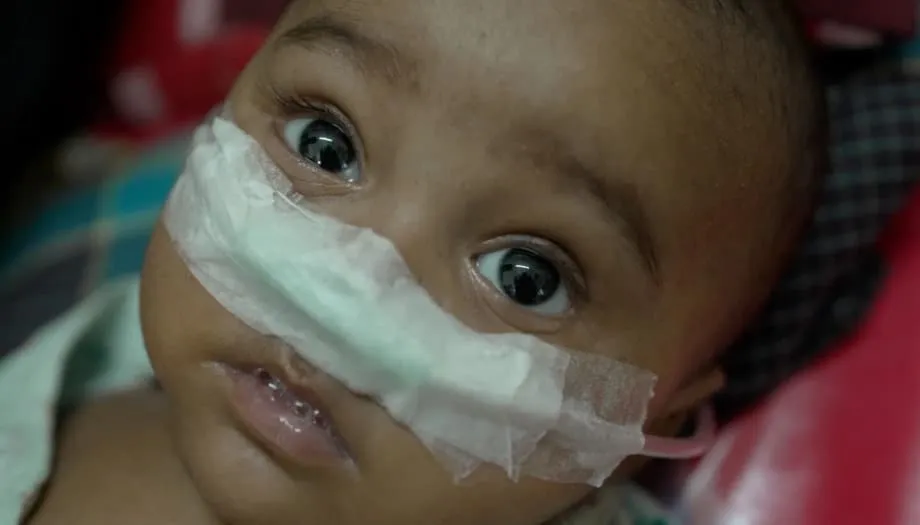
Arafat, an infant aged four months, was taken to Mymensingh after his parents travelled for almost 10 hours. Doctors diagnosed pneumonia and heart failure, both recognised complications of measles. Oxygen tubes were too large for his small nose, so staff secured them with tape and bandages. His father, Mohammad Alam Mia, borrowed money from neighbours to pay for care. Arafat later died.
Mosammat Nila Akhter and her husband had taken their daughter Maliha, aged 10 months, to a clinic in February. They were told that no vaccine was available. Maliha was later admitted with pneumonia. When a rash appeared, her parents struggled to find a hospital bed.
The family waited at one facility and then travelled by ambulance to another as Maliha found it increasingly difficult to breathe. Doctors said she needed intensive care, but the first hospital had no bed. She died three days later.
Akhter, Maliha's mother, described her grief and uncertainty about responsibility after losing her child:
Who to blame?
Should I blame the government because my child did not get the vaccine?
Children arriving at major hospitals can already have advanced pneumonia, dehydration or low oxygen levels. Treatment at community clinics, local hospitals and district facilities can help identify danger signs earlier, reducing the number of patients who reach specialist wards in critical condition. Hospital care remains essential, while vaccination is needed to prevent the infections that keep filling those wards.
Following the outbreak through changing counts
National health authorities recorded 19,161 suspected cases and 2,897 laboratory confirmed cases between March 15 and April 14, together with 166 suspected deaths. Cases had reached 91 percent of districts. An earlier geographic count placed the outbreak in 58 of Bangladesh's 64 districts.
Testing and reporting became harder as the emergency expanded. A suspected case is identified as possible measles, while a laboratory confirmed case has been verified through testing. Some suspected cases never receive laboratory confirmation, and some children die before testing is possible. UNICEF has warned that the true death toll may be higher because overwhelmed facilities and uneven reporting can leave deaths uncounted.
The reported totals trace the rapid growth of the outbreak, although the timing and categories behind every national figure have not been specified:
- April and May 2020: Measles vaccination coverage fell by about 51 percent during pandemic disruption.
- 2024 or 2025: An expected supplementary vaccination campaign was delayed amid political turmoil.
- March 15 to April 14, 2026: Authorities recorded 19,161 suspected infections, 2,897 laboratory confirmed cases and 166 suspected deaths.
- April 2026: An emergency measles and rubella campaign began in areas at high risk, expanding nationwide on April 20.
- Early May 2026: Suspected cases reached about 55,000 and deaths passed 400. More than 18 million children had received at least one vaccine dose.
- Later updates before July 20: Totals included more than 59,000 suspected cases, 401 suspected deaths and more than 8,000 confirmed infections. Health authorities subsequently recorded more than 116,000 suspected cases and 780 combined confirmed and suspected deaths.
- July 20 account: Government figures cited placed suspected and confirmed infections above 120,000 and deaths near 750.
Genetic analysis found continuing transmission, suggesting that measles was spreading within communities rather than appearing as a brief cluster. Authorities also expressed concern about spread near the border with Myanmar, where conflict has disrupted health services.
The expanding geographic reach matters alongside the national totals. An outbreak affecting most districts requires vaccination teams, treatment supplies and reporting systems across the country, while the pressure on testing makes it harder to measure exactly where transmission is strongest.
What the emergency vaccination campaign achieved
The government, UNICEF and other health partners began an emergency measles and rubella campaign in April. It first targeted areas at high risk and children between six months and five years of age, before expanding nationwide from April 20. Including children from six months allowed some infants younger than the normal routine vaccination age to receive protection during the exceptional danger of the outbreak.
Authorities set a target of about 18 million to 20 million children. More than 18 million had received at least one dose by early May. Local health authorities later reported that about 18.5 million children had been vaccinated, exceeding the stated target in that update.
The World Health Organization classified the outbreak as a Grade 2 emergency. That designation is used for an event of moderate scale requiring coordinated support from several agencies. Bangladesh's response has required both a large vaccination effort and care for children already suffering complications.
Health officials say the emergency campaign has helped, with reported cases and deaths beginning to slow in areas with stronger vaccination coverage. Protection cannot be restored instantly for every child who missed earlier doses, however, and hundreds of suspected infections a day and repeated deaths have continued.
Mohammad Mushtuq Husain, a public health expert, has called for vaccination of children who missed either dose, including those older than five. He has also urged stronger treatment at community clinics, subdistrict hospitals and district facilities, reducing dependence on large hospitals in Dhaka and other major cities.
Bangladesh's VaxEPI immunisation platform could help identify children who have received no vaccines at all, often called zero dose children. Better digital tracking, visits from door to door and direct communication with parents could help locate families who do not attend fixed vaccination sites. Reaching those children is part of turning an emergency response into lasting protection.
Dengue adds a second burden
Bangladesh's health system is also facing a growing dengue outbreak. Cases rose from 714 between January and the end of May to more than 7,100 by early July, with 19 reported deaths. The early July total was more than nine times the total recorded through May.
The rainy season creates breeding grounds for Aedes mosquitoes, which spread dengue. Measles spreads through the air, with crowded indoor conditions helping transmission. The two outbreaks therefore demand different prevention measures while competing for hospital beds, staff and testing capacity.
Dengue and measles can both cause fever and rash, creating a risk of misdiagnosis. They require different forms of care, making accurate testing and clinical assessment essential. Hospitals treating measles patients have had to reserve beds and staff as dengue admissions rise.
Doctors are also treating malnutrition, pneumonia and other infections among children whose immune systems have been weakened. Strong disease surveillance and enough hospital capacity before a crisis begins help health services respond to these overlapping pressures. Testing shortages make it harder to distinguish illnesses, measure transmission and direct health workers to communities at greatest risk.
Restoring routine protection beyond the campaign
Bangladesh's history of successful immunisation shows the scale of what its health services have achieved. The current emergency shows how those gains depend on steady management. Restoring routine vaccine supplies, completing missed doses and rebuilding regular supplementary campaigns will be central to preventing another accumulation of susceptible children.
Authorities also need to protect vaccination funding from political disruption and maintain reliable information about which children have received doses. Reported national coverage may differ from actual immunity in individual communities, making local records and outreach important for finding gaps.
Urban Bangladesh deserves particular attention. Second dose coverage was estimated at about 75 percent in 2023, below the reported rural level and 20 percentage points below the estimated 95 percent level needed to stop sustained transmission. Families in informal settlements may face crowded clinics, irregular work, transport costs and limited access to health information.
Schools, mobile teams and local outreach can help bring vaccination services to those communities. Some families also remain uncertain about vaccines because of misinformation, cultural concerns or fears about religious conflicts. Health workers who answer questions in familiar language can reach parents more effectively than general announcements alone.
Clear public information should explain when children need their routine doses, where vaccines are available and which symptoms require urgent care. Reliable supplies and trusted communication need to work together so that parents who seek vaccination can obtain it.
A crisis built from several disruptions
Miguel Mateos Muñoz, a UNICEF spokesperson, described the crisis as a "perfect storm" involving procurement delays, pandemic disruption, the absence of regular mass campaigns, overcrowding and travel during Eid. He also warned that reported numbers should be treated cautiously because the data may not capture every case.
Muñoz said the continuing outbreak showed that the response still had work to do:
What it's telling us is that the work is still not done,
Arafat's and Maliha's families experienced the crisis through long journeys, borrowed money and the search for hospital beds. Their children died while a preventable disease was spreading through gaps left by missed vaccination and interrupted services.
Emergency vaccination has begun to slow transmission, but lasting protection depends on the everyday work of keeping doses in stock, finding children who missed them and treating illness before it becomes critical. Bangladesh's experience shows how quickly years of progress can weaken when those services are interrupted.
The Bottom Line
- Bangladesh reported more than 120,000 suspected and confirmed measles cases after the surge began in mid March 2026.
- The July 20 account cited nearly 750 suspected and confirmed deaths; another health authority update recorded 780.
- Second dose coverage fell from 89 percent in 2019 to 80.7 percent in 2023, below the estimated 95 percent needed to stop sustained transmission.
- Pandemic disruption, delayed campaigns, procurement problems and political turmoil left children without protection.
- Children under five account for about four in five cases, while infants below the routine vaccination age face particular danger.
- The emergency campaign expanded nationwide on April 20, with about 18.5 million children later reported vaccinated.
- Dengue cases exceeded 7,100 by early July, adding pressure to hospitals already treating measles.
- Reliable routine vaccination, missed dose outreach, local treatment, accurate records and public trust are needed to prevent another surge.