
Fake goods put Vietnam's trade reputation under pressure
More than 23,000 fake slippers carrying Nike, Adidas, Crocs and Gucci logos were discovered in two warehouses outside Ho Chi Minh City, exposing the scale of a trade Vietnam is trying to contain under mounting pressure from the United States. Authorities valued the goods at about VND 2 billion, roughly $76,000. None of the four brands had any connection to the operation.
Contents
- Fake goods put Vietnam's trade reputation under pressure
- Why Washington's complaints matter to Hanoi
- How the campaign unfolded
- Tourist markets face closures and hidden stock
- The seizures reach medicine, food and jewellery
- Border routes and digital sales keep the trade moving
- Low prices keep customers coming back
- Vietnamese designers want room to compete
- What the enforcement figures show
- The Bottom Line
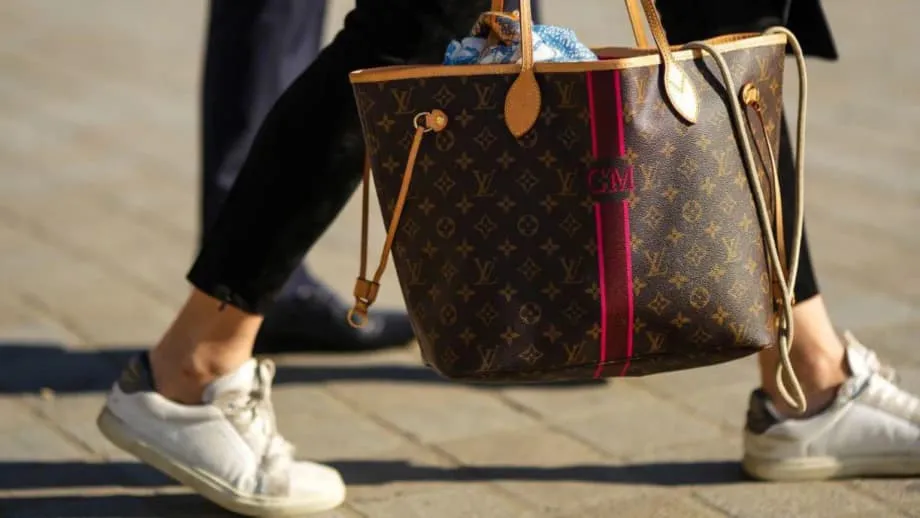
About 30 kilometres away, markets in the city's tourist districts continued selling similar imitations. Slippers that can cost hundreds of dollars when genuine were available for about $30. Stalls also displayed fake Chanel handbags, Prada shirts and Rolex watches, illustrating how a warehouse seizure can interrupt supply while leaving nearby sales running.
Vietnam launched a nationwide operation against intellectual property violations on May 7. Intellectual property includes rights that protect brand names, designs and creative work. The campaign targets counterfeit merchandise, misuse of trademarks and online piracy, extending beyond physical products to unauthorised digital distribution.
Vietnamese authorities are trying to protect consumers, improve conditions for legitimate businesses and defend the country's reputation as a major manufacturing centre. Foreign trading partners also want assurances that Vietnam can control goods moving through its territory, including products whose labels conceal where they were made.
Earlier raids had already targeted counterfeit sellers. Vendors and market managers say the latest campaign has brought longer closures, heavier inspections and greater fear of prosecution. Its reach includes tourist markets, warehouses, factories and online sellers, with products ranging from designer clothing to medicines and cooking oil.
The commercial stakes stretch far beyond the value of seized slippers. The United States is among the largest customers for Vietnam's exports, and Washington has threatened a tariff of 46 percent on Vietnamese imports. A tariff is a tax charged when goods enter a country, making those goods more expensive for importers.
Why Washington's complaints matter to Hanoi
The Office of the United States Trade Representative designated Vietnam a priority foreign country in an April report, citing what it described as a persistent failure to protect and enforce intellectual property rights. According to the report, the designation was the first of its kind in 13 years. It also described Vietnam as the world's worst offender in this area.
US officials have separately accused Vietnam of allowing Chinese products to pass through its territory and reach American consumers while avoiding higher duties. That complaint concerns the origin of goods: where they were actually produced, rather than the country from which they were last shipped.
Vietnamese authorities pledged to increase intellectual property enforcement cases by at least 20 percent in May compared with the same month a year earlier. They also ordered tighter checks on product origins. Together, those measures address the protection of trademarks and Washington's concerns about the movement of goods through Vietnamese supply chains.
Dr Nguyen Khac Giang, a visiting fellow at the ISEAS Yusof Ishak Institute, said the campaign fits domestic goals, including a cleaner business environment and a more formal retail sector. He also described the response to American concerns as part of the motivation:
The effort partly reflects Vietnam intent to show responsiveness to US concerns.
The United States opened a further investigation in late May to assess whether Vietnam's failure to control intellectual property violations was unreasonable and harmful to US commerce. The investigation adds another source of pressure on an economy that depends heavily on selling manufactured goods abroad.
Vietnam's response therefore serves several audiences at once. Consumers need reliable products, legitimate companies want protection from imitations, and foreign buyers want confidence in the goods they purchase. The threatened 46 percent tariff makes those concerns part of a wider trade dispute.
How the campaign unfolded
The enforcement effort developed through several stages, from the April US designation to nationwide action in May and a major jewellery case in June. The dated developments show how trade pressure and domestic investigations moved alongside each other:
- April: The Office of the United States Trade Representative designated Vietnam a priority foreign country over intellectual property protection and enforcement.
- May 7: Vietnam launched a nationwide operation targeting counterfeit merchandise, trademark abuse and online piracy.
- Mid May: Raids at Saigon Square and Ben Thanh Market led to confiscations and fines totalling more than $19,000.
- Late May: The United States opened a further investigation into whether Vietnam's handling of intellectual property violations harmed US commerce.
- Final three weeks of May: Vietnamese authorities reportedly handled more than 1,400 intellectual property cases.
- June 10: Police in Thanh Hoa province dismantled a network accused of manufacturing and selling more than 10,000 fake jewellery items.
The 20 percent target for May measured enforcement cases against the same month a year earlier. It was a target for more official action, while the raids and seizures recorded how that action affected particular sellers and distribution networks.
Tourist markets face closures and hidden stock
Saigon Square and Ben Thanh Market in Ho Chi Minh City became major targets. Both shopping centres are popular with tourists and known for imitation clothes, handbags, shoes, watches and jewellery. The raids in mid May brought confiscations and fines totalling more than $19,000.
An Dong Plaza and the Pharmaceutical and Medical Equipment Trading Center, also in Ho Chi Minh City, saw stalls close. In Hanoi, shops in the Old Quarter and Vinh Phat Market were reported to have shut or hidden their contact details after inspections. Some vendors remained inside their premises to watch for officials while keeping their doors closed.
A Saigon Square vendor who uses the name Thanh Truc said enforcement was stricter than in earlier campaigns. She had sold a replica Loewe shirt for $17, compared with about $500 for the genuine item. The replica cost roughly one thirtieth of the genuine shirt's price, showing the large price gap that attracts customers.
Thanh Truc said previous inspections had concentrated on a few shops selling expensive goods, often with television cameras present. Trade gradually resumed afterward. This time, sellers reduced the branded goods on display and moved other stock into storage behind their shops. She described the warning system and the continued availability of hidden goods:
Usually, before inspectors arrive, someone here blows a whistle to warn everyone. Some stores display fewer logo branded items, but they still have stock in the back.
More than 7,000 suspected counterfeit cases were recorded in the first five months of the year, with seized goods valued at more than $8 million. One major seizure at Saigon Square recovered about 1,000 fake Rolex watches. The more than 1,400 intellectual property cases handled during the final three weeks of May provide another measure of the campaign's intensity.
The closures reduced visible trading, but sellers' descriptions show how stock could remain available behind a quieter shopfront. Inspectors faced both the merchandise displayed to customers and inventories stored out of sight.
The seizures reach medicine, food and jewellery
Police in Thanh Hoa province dismantled a network on June 10 that manufactured and sold more than 10,000 fake jewellery items carrying names associated with Bvlgari, Cartier, Louis Vuitton and Tiffany & Co. Investigators estimated that the group had generated about $1.14 million in illegal profits.
Other seizures involved sportswear, cosmetics, vitamins, sweets, cooking oil, health supplements and medicines. Investigators in northern areas, including Hanoi, Bac Giang and Phu Tho, found factories accused of producing large quantities of imitation goods for daily use. Some cases involved records for more than 100,000 online orders, showing how production could feed a large digital customer base.
Counterfeit medicines and food create risks beyond a fashion company's lost sales. Buyers may have no reliable way to check a supplement's ingredients, whether a medicine contains the active substance stated on its packaging, or whether cosmetics meet basic safety standards. The campaign is therefore a consumer protection effort as well as a dispute over ownership of brand names.
Sportswear seizures included fake Nike, Adidas, North Face, Lacoste and Uniqlo products. In one case, a seller held 200,000 pairs of socks carrying false athletic brand logos. Such inventories show that counterfeiting operates through bulk production and distribution, not just individual market transactions.
Some goods made in China were marked Made in Vietnam. Those labels can mislead consumers about a product's origin and create separate customs concerns. A false brand logo misrepresents the company behind a product; a false origin label misrepresents where it was made. Authorities are seeking to address both practices.
Border routes and digital sales keep the trade moving
Much of the counterfeit trade begins across Vietnam's northern border in China. Vietnamese wholesalers buy products in bulk, move them through border trade channels and distribute them to smaller retailers. Large volumes of genuine commerce provide opportunities to conceal illegal shipments among legitimate cargo, while the short distance keeps transport costs low.
Vietnam's role in global manufacturing adds another layer. The country produces clothing and footwear for international brands, while China supplies materials, components and finished products to factories across the region. Skills, equipment and manufacturing knowledge used in legitimate production can also be diverted into illegal work.
Distributors can divide large shipments into smaller consignments and store them in apartments, private homes or small warehouses. A raid on one address may then recover only part of the inventory. Retailers can use delivery services, social media and online marketplaces rather than keeping substantial stocks in visible shops.
Sellers can create another digital account when officials close an existing one. A nearby vendor or a hidden storage room can replace an inspected stall. Occasional raids can disrupt individual outlets, while action against the wider network requires customs checks, financial investigations and online enforcement to operate together.
Some sellers also alter logos and designs to resemble a famous brand without using its exact trademark. A product labelled Mike instead of Nike can retain much of the visual appeal while making prosecution harder. The strategy appeals to customers seeking the appearance and association of a familiar brand, even when its name is slightly changed.
The movement from bulk imports to small storage sites and individual deliveries helps explain why the trade adapts quickly. Removing stock from a prominent market reaches one part of a chain that can also include factories, border routes, wholesalers and digital accounts.
Low prices keep customers coming back
About 60 percent of Vietnam's population lives in rural areas, and average monthly income is around $225. Genuine luxury handbags, watches and clothing are beyond most household budgets. A fake shirt costing $17 or a replica bag priced below $40 serves a very different market.
Huy, an office worker in Da Nang who buys imitation football shirts and shoes, said price and easy access were the main reasons for his purchases. He explained why action against sellers alone would not change his buying habits:
Arresting the vendors does not solve the problem. If counterfeit goods cannot be completely stamped out, and I can still easily buy them, I will maintain my old habits.
Thi Thanh Huong Tran, an associate professor at SKEMA Business School who studies ethical consumption, said many customers know the products are fake but regard them as the most practical option available. She also said buyers of luxury counterfeits may have little or no overlap with buyers of genuine designer products, limiting direct lost revenue for luxury companies.
Tourists provide another source of demand. Vendors in Ho Chi Minh City markets have become skilled at serving foreign visitors, including by speaking Korean and other languages. Recent observations at Ben Thanh Market found sellers openly offering bags associated with Dior, Gucci and Louis Vuitton, alongside Nike, Adidas and The North Face clothing.
Prices were negotiated through calculators and mobile payment systems. Those familiar tools make transactions convenient and show how an informal trade can adapt to modern shopping habits. Both local shoppers seeking affordable goods and visitors seeking replicas help sustain demand after inspections.
Vietnamese designers want room to compete
Thi Nguyen, who designs and sells clothing in Ho Chi Minh City and Da Lat, supports the campaign because counterfeit goods make it harder for legitimate designers to build a customer base. She said some buyers paid $75 for a fake designer dress while complaining about the price of a custom garment costing half as much.
Nguyen said Vietnam has many skilled tailors and hand embroiderers, but some are drawn into factories producing illegal goods because those operations provide faster income than developing a local label. In her view, counterfeiting harms designers, confuses customers and makes retail competition less fair. She described the situation facing those workers:
Vietnam has no shortage of highly skilled tailors and hand embroiderers, but many of them are overlooked and do not receive the income they deserve.
Nguyen said the closures had made her more willing to invest in her company and consider higher prices. Stronger enforcement could give legitimate Vietnamese brands more room to build trust, provided they can reach customers with affordable designs and reliable quality.
Domestic brands still face costs that counterfeit sellers can avoid by relying on familiar international names. Local businesses must fund design, marketing, distribution and customer service. Developing a successful label takes time, even when competing fake products are removed from nearby stalls.
Support for small manufacturers, easier registration and access to finance may be needed to help skilled workers move into legal production. The opportunity for local designers depends on both fairer competition and their ability to offer products customers can afford.
What the enforcement figures show
A national operation lasting one month inspected 3,891 locations and found violations at 3,114, according to figures reported by Vietnamese authorities. That is about 80 percent of the inspected locations. Goods involved in the enforcement were valued at about VND 630 billion, while around VND 360 billion was recovered for the state.
Shops closed, warehouses were emptied and sellers lost stock. Yet the return of vendors to tourist markets shows the difficulty of sustaining those disruptions. Sellers who had relied on warning whistles turned to hidden inventory, private delivery and online contacts. Customers unable to find goods in one market could search elsewhere, including through social media and informal courier networks.
Market managers said fully controlling counterfeit goods requires action against smuggling across borders. Small vendors also face practical difficulties in proving the origin of every item. Some lack invoices, legal knowledge or the money needed to purchase genuine stock.
Authorities face a difficult balance. Weak enforcement allows illegal trade to continue, while sudden closures can remove small sellers' income without an immediate alternative. Vietnam also wants to remain a trusted manufacturing base and a major supplier to the United States, making reliable trademark protection and origin checks part of its export strategy.
Professor Tran argues that the market will keep adapting while customers want inexpensive products resembling luxury goods. Closing stalls can push sales into homes, delivery networks and digital accounts. A lasting reduction would require consistent penalties, stronger border controls, protection for legitimate local businesses and affordable legal alternatives.
The campaign has reached visible markets and large inventories. Lasting results depend on whether enforcement also reaches wholesalers, factories, border routes, online platforms and the money moving through those networks, while consumers have practical reasons to choose legal products.
The Bottom Line
- Vietnam launched a nationwide intellectual property crackdown on May 7, covering counterfeit goods, trademark abuse and online piracy.
- Police seized more than 23,000 fake branded slippers near Ho Chi Minh City, valued at about VND 2 billion, roughly $76,000.
- An April US designation, a late May investigation and a threatened 46 percent tariff increased pressure on Hanoi.
- Raids disrupted Saigon Square, Ben Thanh Market and other shopping areas in Ho Chi Minh City and Hanoi.
- Seizures extended to jewellery, medicines, cosmetics, food, supplements and large stocks of sportswear.
- A national operation lasting one month found violations at 3,114 of 3,891 inspected locations, about 80 percent.
- Low prices, tourist purchases and convenient digital sales continue to support demand.
- Vietnamese designers see opportunities, while lasting enforcement requires action throughout supply chains and affordable legal alternatives.