More than two decades of protection bring a first for Japan
Japan has completed protection and recovery programs for the Amami thrush and Amami woodcock after sustained improvements in their populations in the Nansei Islands. The Environment Ministry said this is the first time a conservation program established under the Law on Conservation of Endangered Species of Wild Fauna and Flora has reached completion.
Contents
- More than two decades of protection bring a first for Japan
- What the lower risk category means
- Two birds with little room to move
- Forest loss and invasive predators drove the decline
- The milestones behind the decision
- Other birds improved, while more species became endangered
- Why these island forests matter
- Monitoring continues after the formal programs end
- A conservation success that needs continued care
- Key Points
The programs began in 1999, addressing two pressures on the birds: the loss of forest habitat and predation by invasive mongooses. More than two decades of habitat work, predator control and observation have now led the ministry to conclude that the formal recovery plans have achieved the conditions needed for completion.
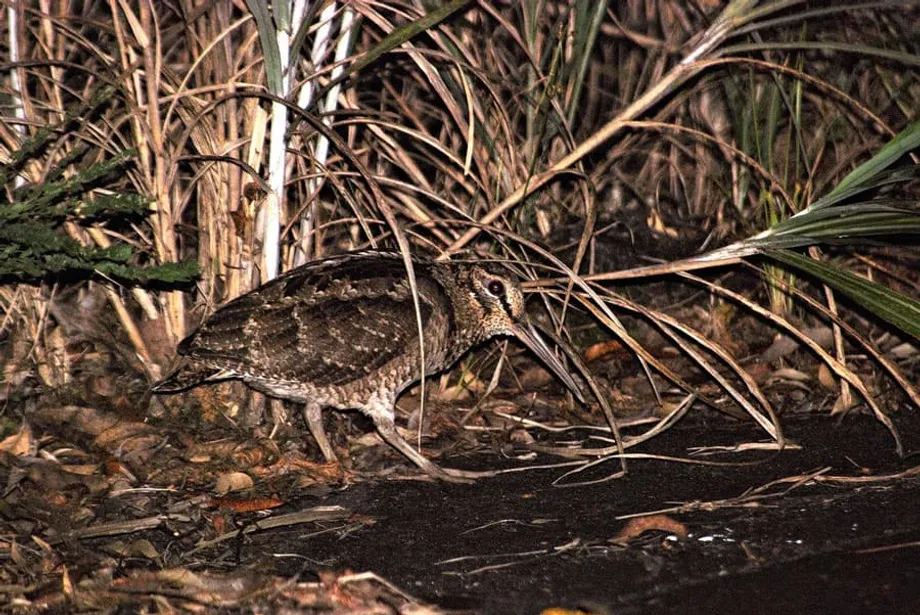
Both birds are native to Kagoshima Prefecture's Amami island group. The Amami thrush, known in Japanese as Otoratsugumi, lives exclusively on Amami Oshima and is designated a national natural monument. The Amami woodcock, or Amamiyamashigi, occurs on Amami Oshima and Tokunoshima.
Japan's revised Red List, released in March, moved both species from Threatened II to Near Threatened. Their assessed risk of extinction has fallen, providing a conservation success at a time when the number of endangered birds, reptiles and amphibians across Japan has increased.
The ministry will continue tracking the two species and may restart the formal protection programs if their populations decline or their habitats become less secure. Completion marks the end of a particular stage of recovery work, while the birds and the forests they depend on remain under observation.
What the lower risk category means
The Red List classifies species according to their risk of extinction. Moving from Threatened II to Near Threatened means that evidence about the Amami birds' populations and habitats supports a lower assessment of that risk.
Near Threatened species still need attention because a fall in numbers can push them back into a threatened category. The Amami birds' improvement records progress in their recovery, while continued monitoring remains necessary to keep track of their condition.
The birds remain dependent on a small area of island forest. Their recovery has taken place within that restricted setting, where the condition of breeding and feeding areas and the presence of predators can have a large effect on their survival.
The ministry's decision rests on sustained population improvement. Repeated observation matters because a temporary increase in birds can have a different meaning from a recovery that continues across many years.
Two birds with little room to move
Amami Oshima is the entire natural home of the Amami thrush. A species found only in one place is called endemic, and its survival is closely tied to what happens within that place. The thrush cannot naturally move to another country or a distant mainland forest if conditions on the island deteriorate.
A narrow distribution leaves the thrush vulnerable to a single major event. Severe storms, disease, extensive forest loss or a renewed spread of invasive predators could affect a substantial part of its habitat or population.
The Amami woodcock has a somewhat wider range because it lives on both Amami Oshima and Tokunoshima. Its two island populations nevertheless depend on the same broad regional environment and remain closely connected to the islands' forest ecosystems.
Changes in vegetation, roads, development and predator populations can affect the woodcock's breeding and feeding areas. For both birds, recovery depends on having enough suitable forest as well as conditions that allow them to survive within it.
Forest loss and invasive predators drove the decline
Deforestation was a major cause of the birds' decline. Clearing trees reduces the amount of continuous forest available and can break the remaining woodland into smaller areas. Those fragments may offer less food and shelter, while roads and other development can make movement between forest sections more difficult.
Mongooses added another danger. These invasive mammals can prey on native wildlife that evolved without effective defenses against them. On islands, the pressure is especially serious because native species often have small populations and few places to escape.
The recovery programs addressed these pressures together. Improving and managing forest habitat gives birds places to feed and nest. Controlling mongooses reduces the danger that eggs, chicks or adult birds will be killed.
The Environment Ministry linked both habitat measures and mongoose control to the recovery of the Amami thrush and Amami woodcock. Work on the forest and its predators helped create conditions in which the birds' populations could improve.
Island conservation often requires this combined approach. Protecting woodland has limited value for a vulnerable bird if invasive predators remain widespread. Removing predators also has limited value if too little suitable habitat remains for the birds to use.
The milestones behind the decision
The Amami recovery developed over more than two decades rather than through a single intervention. The programs began in 1999, allowing authorities to follow gradual changes in the birds' populations alongside efforts to improve habitat and control mongooses.
The main dates place the decision within a longer period of conservation work and recognition of the islands' wildlife:
- 1999: Protection and recovery measures began for the Amami thrush and Amami woodcock, focusing on forest habitat and invasive mongoose control.
- 2021: The Amami Oshima, Tokunoshima, northern Okinawa and northern Iriomote natural area was added to the UNESCO World Heritage List.
- March: Japan's revised Red List moved both Amami birds from Threatened II to Near Threatened.
- By July 20, 2026: The Environment Ministry had announced completion of the recovery programs, with monitoring to continue.
The Red List changes and program completion concern related parts of conservation. The list assesses extinction risk, while the formal programs organize measures intended to improve the birds' condition. The ministry's assessment of population recovery brought that stage of protection to a close.
Other birds improved, while more species became endangered
Japan's latest Red List shows gains beyond the Amami islands. The red crowned crane also moved from Threatened II to Near Threatened, leaving the threatened category. About 1,200 adult cranes are estimated to live in Hokkaido, although the actual number may be higher.
The Japanese crested ibis, known as toki, moved from Threatened IA to Threatened IB. Threatened IA is the most serious level within the threatened classification, so the change represents a better assessment while keeping the ibis within that classification.
At least 500 crested ibises were living in Japan at the end of 2024, including birds released on Sado Island in Niigata Prefecture. Their improvement, together with that of the cranes and Amami birds, shows that some species have made progress.
Across Japan, however, the number of bird species classified as endangered rose by 10 to 108 compared with the previous list. The number of endangered reptile and amphibian species increased by 12 to 96. The Environment Ministry has linked many declines to forest destruction, invasive species, changes in agricultural land and the loss of wetlands.
The brown shrike moved from Threatened IB to the more serious Threatened IA category after its breeding range shrank by about 90 percent between the 1910s and the 2000s. The Japanese pond turtle and dunlin moved from Near Threatened into Threatened II.
The Amami birds' recovery therefore sits within a mixed national picture. Targeted conservation has helped particular species, while pressures on other habitats and wildlife continue to increase the number at risk.
Why these island forests matter
The Nansei Islands form a chain stretching between Kyushu and Taiwan. Their isolation has allowed many plants and animals to evolve in distinct ways. Amami Oshima and Tokunoshima belong to island ecosystems known for rich native wildlife, including species found nowhere else.
Endemic species can be valuable indicators of environmental health because their survival depends on the condition of a small geographic area. The Amami thrush's dependence on one island makes the state of that island's forests central to its future.
Forest conservation also serves a wider community of wildlife. Measures intended to help one bird can protect nesting areas and food sources used by other species. Mongoose control may reduce pressure on several native animals at the same time.
The forests support clean water and soil stability as well as wildlife. Maintaining them protects ecological functions that extend beyond the recovery of the thrush and woodcock.
The UNESCO World Heritage designation granted in 2021 recognizes the ecological value of the natural area that includes Amami Oshima and Tokunoshima. Legal protection and practical management in the field remain necessary to safeguard the individual species living there.
Monitoring continues after the formal programs end
The Environment Ministry plans to keep tracking the birds and may resume the programs if conditions worsen. Population size, breeding success, distribution and changes in forest conditions are central to understanding whether the recovery continues.
Scientists and officials also need to watch for mongooses returning to places where control campaigns reduced their numbers. Habitat damage, renewed predator spread or new threats could make further formal recovery work necessary.
Counting birds in difficult terrain can produce fluctuations from year to year. A short decline may reflect weather or other natural conditions, while a temporary increase may fade. Repeated surveys help distinguish these movements from a lasting change in extinction risk.
The ministry has given no date for restarting a program. Its stated approach is to continue observation and respond if the birds' numbers fall or their habitats become less secure.
A conservation success that needs continued care
The Amami programs offer a practical example of habitat work and invasive predator control operating together. Their duration also shows the value of maintaining legal conservation programs long enough to observe gradual population change.
Climate change may alter forest conditions, while storms and human development can affect small island populations quickly. Continued attention to those pressures is part of maintaining the gains that allowed the two programs to reach completion.
National agencies, local governments, researchers and island communities will need to keep working together. Residents and visitors also influence forest conditions through land use, roads, tourism and efforts to prevent new invasive species from being introduced.
Japan's first completed recovery program under the endangered species law is both a milestone and a checkpoint. It records sustained improvement for two distinctive island birds while leaving an ongoing responsibility to watch the populations and habitats that made that improvement possible.
Key Points
- Japan completed recovery programs for the Amami thrush and Amami woodcock, the first completion under its endangered species law.
- The programs began in 1999 and addressed forest habitat loss and invasive mongoose predation.
- The Amami thrush lives only on Amami Oshima; the woodcock occurs on Amami Oshima and Tokunoshima.
- Both birds moved from Threatened II to Near Threatened on the revised Red List released in March.
- The Environment Ministry will continue monitoring and may restart the programs if populations or habitat conditions deteriorate.
- Japan's endangered bird species increased by 10 to 108, while endangered reptiles and amphibians increased by 12 to 96.
- Continued forest management, predator control and cooperation are needed to maintain the Amami birds' recovery.