Blasting Music on the Bus Could Now Cost S500
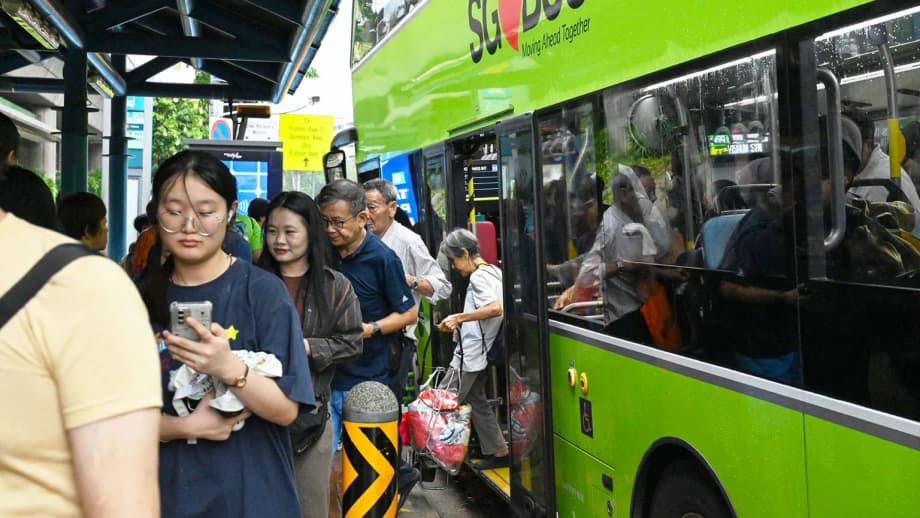
Step onto a crowded bus in Singapore at rush hour and the scene feels familiar to anyone who rides public transport. Seats fill in seconds, standing room tightens around the doors, and a single phone speaker playing music, video or a loud call can dominate the entire lower deck. From September 23, that kind of behavior carries a formal penalty across the island. Bus riders who blast audio, rest feet on seats, eat or drink onboard, or litter can be fined up to S500 (about US392).
- Blasting Music on the Bus Could Now Cost S500
- What Counts as an Offence and What It Will Cost
- How Enforcement Will Work Without Distracting Drivers
- Why Buses Were Left Behind Trains Until Now
- Daily Riders Welcome Relief but Warn of New Tensions
- From Krakow to Chennai to London a Worldwide Push for Quiet
- Order Courtesy and the Fine City Approach
- The Bottom Line
The announcement on September 21 drew quick attention because the sums are substantial for everyday habits. At current rates S500 equals about 293 pounds and close to 392 United States dollars, enough to sting far more than a warning from a driver. For graver acts the ceiling rises tenfold. Causing obstruction or danger inside a bus interchange or terminal, or soiling any part of a bus, interchange or terminal, can draw a fine of up to S5000 (about US3900).
The Land Transport Authority, the government body that oversees buses, trains and roads, said the goal is a safer, more considerate and pleasant commute for everyone. The authority described public transport as shared space that depends on mutual respect.
Public transport is a shared space, and every commuter has a part to play in ensuring a gracious and pleasant commuting environment.
That line has now become the guiding principle for bus travel, just as it has been for trains. The difference is that bus rules that lived mainly as company policies now stand as written law with fixed penalties and a formal enforcement path.
For regular riders the message is simple. Keep headphones in, keep feet down, keep food and drink for later, and keep rubbish with you until you find a bin. What once earned a reprimand can now end with an official notice and a follow up investigation.
What Counts as an Offence and What It Will Cost
The new framework divides misconduct into two broad tiers. The lower tier covers annoyance, the everyday acts that spoil a ride without placing people in direct peril. The higher tier covers obstruction, danger and soiling, acts that threaten safety or create a serious cleaning and health problem.
Everyday Annoyance on Board
Lower tier offences include placing feet or footwear on seats, playing audio at loud volume, littering, and eating or drinking onboard. Audio covers music, videos and phone or video calls played through a speaker. The test is whether the sound annoys others, which gives staff room to judge context rather than punish every faint beep. A quiet notification tone that no one notices is unlikely to draw action, while a full volume playlist that fills the bus almost certainly will.
This tier carries a maximum of S500. In practice officers can impose a lower sum based on severity, repetition and attitude. The aim, officials said, is deterrence rather than maximum punishment for every lapse. A first time instance of feet on an empty seat late at night may be handled differently from repeated loud video playback during a packed morning run, though both fall under the same legal ceiling.
Obstruction Danger and Soiling
The higher tier targets conduct that blocks operations, endangers riders or fouls shared facilities. It includes causing obstruction or danger to fellow commuters inside bus interchanges or terminals, and soiling any part of a bus, interchange or terminal. Enforcement guidance indicates soiling means severe cleanliness breaches such as vomiting, urinating, spitting or spilling bodily fluids on seats, floors or handrails, plus smearing surfaces with food, mud or grease.
This tier carries a maximum of S5000. The tenfold gap reflects how the authority ranks risk. Loud music may ruin a mood, but a blocked doorway, a scuffle that threatens safety, or a soiled seat that takes a bus out of service affects many more people and costs far more to fix. The heavier fine is reserved for that level of harm.
How Enforcement Will Work Without Distracting Drivers
Enforcement will not fall on drivers. That choice is deliberate. In Singapore drivers are known as bus captains, a title that reflects their central duty for safety. The authority said captains will not be empowered to issue formal offence notices so they can stay focused on operating the bus safely through dense traffic, tight stops and constant boarding.
Day to day enforcement sits with certain staff of the four public bus operators, including ticket inspectors and interchange staff. Those officers can issue administrative notifications to passengers suspected of an offence. The Land Transport Authority then follows up with investigation and decides on the penalty. The process creates a paper trail and keeps roadside judgments from turning into roadside arguments.
Captains still have a role. They can tell a rider to stop disruptive behavior and can order a rider who refuses to comply to alight. If a passenger refuses to cooperate or the situation turns egregious, the captain can call the bus operations control centre or request help from police. Officials said the priority is to limit inconvenience to other riders while keeping services running on time.
The priority is to minimise inconvenience to other commuters and ensure that the bus service is not disrupted.
The authority also promised discretion and fairness, with special care for riders with physical or mental health conditions. Staff are expected to weigh context, communication needs and medical factors before moving to punishment. That pledge has been repeated in official statements, a sign that the goal is changed conduct rather than blanket penalization of unusual behavior.
Why Buses Were Left Behind Trains Until Now
For years rail passengers faced clear statutory rules while bus passengers did not. On the Mass Rapid Transit network (MRT), eating, drinking, littering, soiling and a long list of other acts have carried fines between S500 and S5000. More than 25 separate offences apply on rail, from begging and spitting to throwing objects and failing to hand in lost property. Bus conduct, by contrast, rested largely on operator policies. A captain could ask a rider to stop eating or to get off, but there was no matching legal offence with an immediate fine.
Parliament moved to close that gap in stages. In March 2025 then Senior Parliamentary Secretary for Transport Baey Yam Keng told Parliament that government powers over bus conduct were more limited than powers over rail. In October 2025 Parliament passed the Transport Sector Miscellaneous Amendments Act, which brought buses into line with rail. Senior Minister of State for Transport Murali Pillai said at the time that the new bus rules would take reference from the Rapid Transit Systems Act (RTSA) that governs the MRT.
The legal change followed softer steps. In December 2024 operators placed signs on buses urging riders to keep noise down, take only one seat and avoid sitting on the floor. Those reminders set expectations without legal force. The September rollout, announced September 21 and effective September 23, gives those expectations teeth while keeping penalties aligned across bus and rail.
Daily Riders Welcome Relief but Warn of New Tensions
Reaction among regular riders has leaned positive, with a note of caution. Many long distance commuters said loud playback has become a daily strain. Flight steward Nelson Ferdinand, aged 29, travels from Woodlands to Changi Airport, a trip of about one hour and 45 minutes each way. He said enduring music and videos at high volume makes an already long commute harder and welcomed the new penalties with relief.
I saw the new rules and I thought, Thank God, because some people can be really inconsiderate.
Media professional A Aravind, aged 30, also supported smoother rides for all but raised a different worry. He said clear fines could embolden some passengers to film or confront those they believe have broken the rules, creating fresh conflict in a tight space. His concern points to a wider enforcement question. Rules can deter, but they can also turn every rider into a monitor if the culture around them is not handled with care.
Transport observers point to a similar balance. Penalties work best when riders see them as fair, consistent and focused on clear harm. Visible signage, calm staff intervention and quick resolution matter more than headline sums. If early cases are seen as measured, compliance tends to rise. If early cases look arbitrary, resentment can grow even among those who dislike noise.
From Krakow to Chennai to London a Worldwide Push for Quiet
Singapore is not acting in isolation. As transit networks expand and phone speakers improve, cities across continents report the same complaint. One loud device can affect dozens of riders, and agencies are shifting from polite posters to enforceable rules. The habit, sometimes called bare beating in Britain for playing sound out loud instead of using headphones, has become a symbol of friction in shared space.
In January the Polish city of Krakow introduced rules against disturbing peace inside vehicles with phones and other electronic devices, with fines of up to 200 zloty (about US52) (about 39 pounds). In July the Indian city of Chennai set fines of up to Rs 2500 (about 19 pounds) for playing music or videos without earphones. Operators in Beijing and Toronto have also banned loud audio without headphones, though enforcement varies by city and line.
Britain offers a revealing contrast. Existing rail rules already ban sound producing equipment that annoys others, and some politicians have urged fines of up to 1000 pounds for headphone dodgers across trains and buses. In August 2025 Transport for London started a campaign urging headphone use after a survey of 1000 riders found about 70 percent found loud music and calls disruptive. Yet formal punishment remains rare. Records show no fines for loud music in 2024 and only one warning, as staff treat removal from service and verbal requests as the usual response.
New Zealand shows another variant. Most operators ask riders to avoid eating or drinking onboard, loud music, rubbish and feet on seats. Auckland Transport bars distracting the driver, feet on seats, offensive language, smoking, vaping, vandalism, alcohol, drugs, soiling, littering, weapons and face coverings such as motorcycle helmets or ski masks. Noncompliant riders can be asked to leave. Singapore now goes further by attaching fixed monetary ceilings to bus conduct nationwide.
Order Courtesy and the Fine City Approach
To outsiders the fines may look strict, but they fit a familiar pattern in Singapore. The city state tightly regulates littering, smoking in prohibited areas and cleanliness in shared places, a record that earned the nickname Fine City, a play on words that captures both high standards and high penalties. Residents often describe the approach as strict but effective, trading small personal freedoms for reliable, clean and orderly public spaces.
Buses carry special weight in that bargain. Trains run on fixed tracks with staffed stations and cameras at every gate, while buses move through neighborhoods, schools, industrial zones and night routes with only a captain up front. Keeping order on a moving bus with 80 or more riders depends heavily on social norms. Lawmakers argued that norms alone were no longer enough during peak crowding, when one dispute can delay a whole route.
Public health and upkeep also matter. Food spills attract pests, drink spills create slip risks, litter clogs doors, and soiling can pull a vehicle from service for deep cleaning. Operators count those costs in lost trips and overtime. By placing buses under the same umbrella as rail, the authority aims for one consistent standard. Eat before you board, use headphones, keep feet off seats, and leave the space as you found it.
The Bottom Line
- From September 23 bus riders face up to S500 for feet on seats, loud audio, eating, drinking, littering and causing annoyance.
- Obstruction, danger at interchanges and soiling of buses or facilities face up to S5000.
- Ticket inspectors and interchange staff issue notices, the authority investigates, captains focus on safe driving but can order offenders to alight and call police in serious cases.
- Rules align buses with MRT rail penalties under laws passed in October 2025 after debate in March 2025.
- Riders welcome quieter trips while urging fair enforcement with care for health conditions and without vigilantism.
- Krakow, Chennai, Beijing, Toronto, London and Auckland show a global shift toward headphone courtesy and stricter transit codes.