Haze linked to sharp rise in respiratory illness
Malaysia has recorded a steep increase in asthma and upper respiratory tract infection cases as haze affects several parts of the country, according to Health Minister Datuk Seri Dr Dzulkefly Ahmad.
- Haze linked to sharp rise in respiratory illness
- Where air quality has reached unhealthy levels
- Why haze can trigger asthma symptoms
- Health Ministry advice for residents
- Earlier monitoring showed a different picture
- Heat adds a second health concern
- What may be behind the regional haze
- Wellness hubs expand community health support
- What the public should watch
- Key Points
Data from the Health Ministry sentinel surveillance system showed asthma cases climbing from 61 in Epidemiological Week 32 to 219 in Week 33, a rise of 259 per cent. Upper respiratory tract infection cases increased from 1,637 to 3,674, or 124 per cent, during the same period. Conjunctivitis cases moved in the opposite direction, falling from 157 to 146, a decrease of 7 per cent.
Epidemiological weeks are numbered periods used by health authorities to track disease trends. In this case, Week 33 covered Aug 16 to 22, allowing officials to compare illness reports before and during the worsening haze.
The figures come as Malaysia monitors air pollution in several states and advises residents to reduce exposure to smoky outdoor conditions. The increase in cases does not mean every illness was caused by haze, since respiratory infections can have several triggers. The timing, however, has prompted closer public health monitoring.
Where air quality has reached unhealthy levels
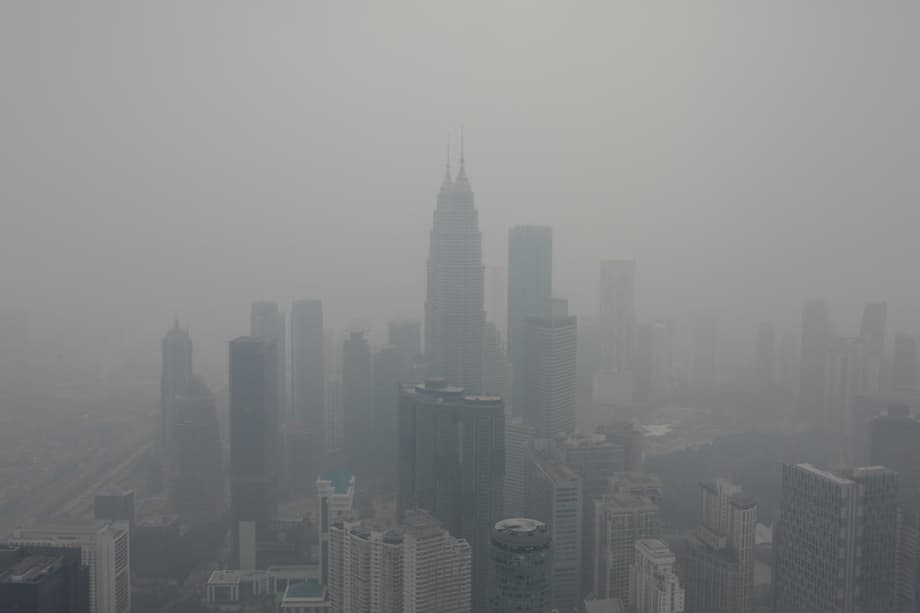
At 8am on Aug 23, seven areas recorded Air Pollutant Index readings in the unhealthy range. Serian in Sarawak recorded the highest reading at 197, followed by Kuching at 185, Sri Aman at 178, Samarahan at 176 and Sarikei at 128. Sungai Petani in Kedah and Taiping in Perak each recorded a reading of 126.
Malaysia classifies API readings from 101 to 200 as unhealthy. Readings from 201 to 300 are very unhealthy, while readings above 300 are hazardous. The API is based on air pollution measurements and is updated regularly to show changing conditions.
Readings worsened or spread to more areas in the following days. On Aug 24, the Air Pollutant Index Management System recorded unhealthy readings in 10 areas. Serian recorded 194, Kuching 176, Samarahan 172, Sri Aman 158 and Bintulu 125 in Sarawak. Outside the state, Johan Setia and Kuala Selangor in Selangor recorded 160 and 101 respectively, while Sungai Petani and Alor Setar in Kedah recorded 155 and 152. Minden in Penang recorded 130.
Fifty eight other areas were in the moderate category, and no monitored area recorded good air quality at that time. The readings were drawn from 68 air quality monitoring stations, with data released hourly.
Why haze can trigger asthma symptoms
Haze contains fine particles and other pollutants produced by fires, vehicle emissions and industrial activity. The smallest particles can travel deep into the respiratory tract, where they irritate airways and cause inflammation.
For people with asthma, this irritation can cause the muscles around the airways to tighten. Symptoms may include coughing, wheezing, chest tightness and shortness of breath. People with chronic obstructive pulmonary disease and heart conditions can also experience worsening symptoms when exposed to polluted air.
Physical activity can increase exposure because a person breathes more rapidly and draws more polluted air into the lungs. This is why health authorities advise residents to reduce strenuous outdoor exercise when the API reaches unhealthy levels.
Children, older people and those with existing heart or respiratory conditions face greater risks. Children breathe more rapidly than adults and may be less able to judge when outdoor conditions are unsafe. Older adults may also have several health conditions that make them more vulnerable to heat and air pollution at the same time.
Health Ministry advice for residents
Dzulkefly urged people with asthma and other respiratory conditions to limit outdoor activity during hazy conditions. He also advised residents to drink enough fluids, avoid unnecessary exposure and follow Ministry of Health guidance.
Introducing the advice at an event in Kuala Selangor, the minister said people who develop symptoms should obtain medical attention without delay.
Ensure that fluid intake is sufficient, avoid unnecessary exposure and follow the guidelines issued by the ministry. If you develop any symptoms, get examined and seek treatment immediately.
The Kedah State Health Department issued similar guidance for people in Sungai Petani and Alor Setar. It advised residents to reduce strenuous outdoor activities, avoid smoking and smoky places, drink enough water and check the latest API reading before going outside.
People who must leave home can reduce exposure by limiting the time spent outdoors and using suitable respiratory protection. A mask that fits well can reduce the amount of particulate matter inhaled, although it does not remove every pollutant or replace medical care.
At home, residents can keep windows closed, use air conditioning with recirculation selected and consider a high efficiency air filter or purifier. Indoor smoking and activities that create additional smoke should be avoided. Drivers can also use the recirculation setting in their vehicles when travelling through hazy areas.
Earlier monitoring showed a different picture
The latest increase follows a Ministry of Health statement issued earlier in August that reported no clear rise in the three monitored haze related illnesses. At that point, surveillance at 12 sentinel clinics in Sarawak showed URTI cases falling from 1,473 in Week 31 to 1,347 in Week 32. Asthma cases declined from 195 to 122, while conjunctivitis increased from 15 to 43.
The change illustrates why health officials track cases week by week. Illness reports can vary between locations and time periods, and a single week may show a sharp movement after several quieter weeks. The ministry has selected 68 health facilities near air quality monitoring stations to track URTI, asthma and conjunctivitis. During haze episodes, data collection is increased from weekly reports to daily monitoring.
The ministry had said it expected illnesses to rise if haze persisted or air quality deteriorated. It also reported no clear increase in haze related hospital admissions or emergency cases at the earlier stage of the episode. Health facilities have been instructed to remain alert as conditions develop.
Residents with chronic illnesses should continue prescribed medication and follow their doctors’ instructions. They should seek immediate care if breathing becomes difficult, asthma relief medication does not work as usual, chest pain develops or symptoms become severe.
Heat adds a second health concern
Haze is occurring alongside hot weather, creating a separate risk for outdoor workers, athletes and people who spend long periods in direct sunlight. Malaysia recorded 90 heat related illness cases nationwide up to Week 33.
The total included 71 cases of heat exhaustion, 14 cases of heatstroke and five cases of heat cramps. Nine cases were reported in Week 33, compared with two in Week 30 and three in each of Weeks 31 and 32.
Eight of the latest cases involved participants in the Malaysia Games in Selangor, and one person required further treatment in a hospital ward. Dzulkefly said the situation was under control and that a medical task force was monitoring it closely.
Heat exhaustion can cause heavy sweating, weakness, dizziness, headache and nausea. Heatstroke is more dangerous and can affect the brain, causing confusion, collapse or loss of consciousness. Anyone showing serious symptoms after heat exposure requires urgent medical attention.
The ministry advises residents to drink regularly, avoid prolonged exposure to direct sunlight and reduce demanding outdoor activity during the hottest parts of the day. Hazy weather can make conditions feel less harsh than they are, so reduced visibility should not be treated as protection from heat.
What may be behind the regional haze
Seasonal fires in Indonesia have often contributed to transboundary haze across Malaysia and Singapore, especially when dry weather and winds carry smoke across the Malacca Strait. Satellite monitoring in 2025 showed a large increase in fire hotspots across Indonesia, with many detected in Sumatra and in peatland and agricultural areas.
NASA’s VIIRS satellite detected 794 high confidence hotspots in Indonesia in July 2025, nearly 10 times the June figure. MODIS satellites detected 879 hotspots during the same month. The figures referred to a separate fire season, yet they showed how quickly land and peat fires can intensify during dry conditions.
Peat fires are difficult to control because drained peat can burn below the surface. Smoke from these fires can continue for long periods and spread across national borders when wind and weather conditions are suitable. In 2015, fires burned millions of hectares in Indonesia and caused a major regional haze crisis, affecting daily life and public health in neighboring countries.
The immediate source of the current Malaysian haze can vary by location and should be confirmed through air quality and fire monitoring. Local burning, weather patterns and fires outside Malaysia can all affect readings. The recurring pattern has also led authorities to warn residents against open burning and to ask landowners to prevent unauthorized fires on their property.
Wellness hubs expand community health support
Dzulkefly announced the latest respiratory and heat figures after launching the Kuala Selangor Wellness Hub and the Santuni Komuniti Minda Sejahtera, or K MindSet, programme.
The Kuala Selangor hub began operating in April and is the fourth in Selangor, after facilities in Hulu Langat, Kuala Langat and Sabak Bernam. Malaysia has 38 Wellness Hubs, which have reached more than 1.9 million people.
A weight management pilot called Jom Nak Sihat involved 528 participants. Of that group, 460 people, or 87 per cent, lost weight. The ministry said 83 per cent improved their fitness, while 21 per cent reached a normal body mass index.
The hubs are also intended to support an ageing population and provide community based mental health support. Selangor has more than 900,000 residents aged 60 and above. In Kuala Selangor, about 24,000 people, or 8 per cent of the district’s population, are senior citizens.
Dzulkefly said older people should be supported to remain healthy, active and productive. Residents who need clinical mental health services can seek help through 1,116 health clinics, nine clinics with psychosocial rehabilitation services, 72 hospitals providing psychiatric services and 40 Mentari community mental health centres nationwide.
What the public should watch
The health impact of the haze will depend on how long polluted conditions continue, how high API readings rise and which communities are affected. A short period of unhealthy air may cause temporary irritation, while prolonged exposure can place greater pressure on people with asthma, heart disease and other chronic conditions.
Residents should check hourly API readings before planning outdoor activities, especially in areas where readings are close to or above the unhealthy threshold. Parents, caregivers and schools should take extra care with children, while older adults and people with chronic illness should follow individual medical advice.
Anyone experiencing persistent coughing, wheezing, breathing difficulty, chest tightness, faintness or unusual weakness should contact a health facility. Asthma patients should keep prescribed reliever medication available and seek care if symptoms are more severe or frequent than usual.
Key Points
- Asthma cases rose from 61 to 219 between Epidemiological Weeks 32 and 33, an increase of 259 per cent.
- Upper respiratory tract infections increased from 1,637 to 3,674 cases, or 124 per cent.
- Conjunctivitis cases fell by 7 per cent, from 157 to 146.
- Ten areas later recorded unhealthy API readings, with locations in Sarawak, Selangor, Kedah and Penang affected.
- The unhealthy API range is 101 to 200, while readings above 300 are hazardous.
- Malaysia has recorded 90 heat related illness cases up to Epidemiological Week 33.
- Residents are advised to reduce outdoor exposure, stay hydrated, check API readings and seek treatment for symptoms.