Sentencing follows viral posts about Bali Day of Silence
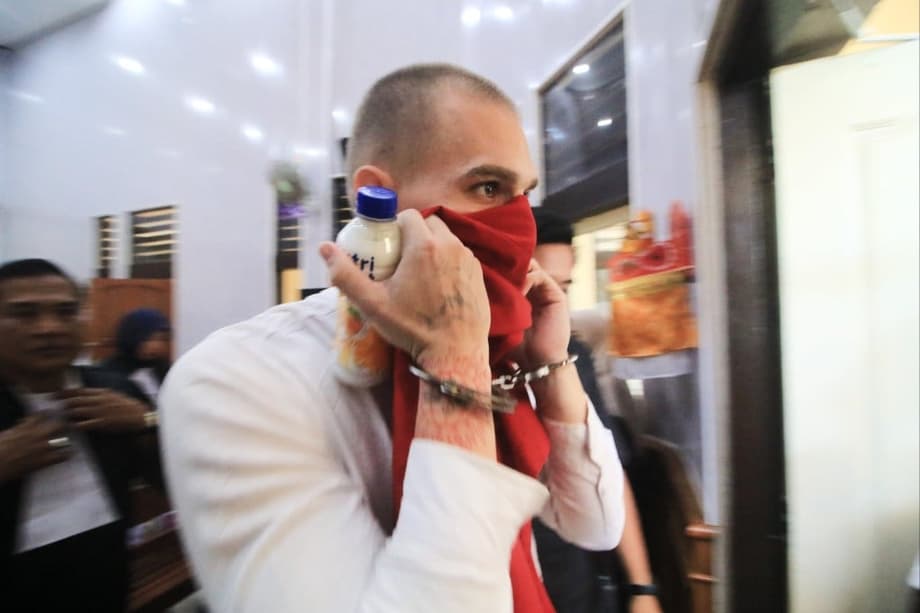
A court in Bali has sentenced Swiss tourist Luzian Andrin Zgraggen, 26, to one year in prison after finding him guilty of insulting Nyepi, the sacred Balinese Hindu Day of Silence, through social media posts.
- Sentencing follows viral posts about Bali Day of Silence
- What did the Swiss tourist post?
- How did Zgraggen respond in court?
- Why is Nyepi treated so seriously in Bali?
- A warning for visitors and social media users
- How unusual is a prison sentence for breaking Nyepi rules?
- What travelers should know before Nyepi
- Key Points
The Denpasar District Court ruled that Zgraggen broke Indonesia’s new criminal code by publishing messages and videos that mocked the observance and boasted about ignoring its restrictions. The court found that staff at the villa where he was staying had already explained the rules to him before he went outside.
Nyepi is observed for 24 hours, generally from 6 a.m. one day until 6 a.m. the next. During that period, residents and visitors are expected to remain at home or inside their accommodation, keep silent, avoid entertainment and limit activity to essential emergencies. Bali’s streets and beaches become largely empty, while the airport closes and internet access is shut down across the island.
The restrictions apply to everyone in Bali, regardless of nationality or religion. The observance is designed to mark the Balinese Saka New Year through silence, meditation, fasting and self reflection. It is also a period when the island pauses its usual tourism economy, including flights, beach activity and much of the commercial life that attracts millions of visitors.
Presiding judge Tjokorda Putra Budi Pastima said the defendant’s conduct had caused offense among Balinese residents, hurt their religious faith and provoked public outrage. The judge said Zgraggen had to be held responsible for his actions.
What the defendant did offended the Balinese people, hurt their faith and provoked public outrage. The defendant must be held accountable for his actions.
The sentence was shorter than the 15 months requested by prosecutors. The prosecution had also asked that Zgraggen remain in detention and that the iPhone allegedly used to publish the posts be confiscated.
What did the Swiss tourist post?
The case began during Nyepi in March 2026, when Zgraggen uploaded videos and messages to Instagram. In the clips, he described walking toward a beach while the island was under the Day of Silence restrictions. He smiled at the camera, called the tradition crazy and used profanity while criticizing the rules.
One post included the message, “Fuck Nyepi Day and fuck your rules too.” The content was copied and reposted across social media, where it drew strong criticism from Balinese residents. Public anger focused on two parts of the incident: his decision to leave his accommodation during the observance and his decision to publicize the act in insulting language.
Authorities began looking for Zgraggen after complaints spread online. He was later arrested at a villa in Legian, a busy tourist area near Kuta Beach. The case attracted attention because tourists who have previously gone outside during Nyepi were often detained or warned, yet their cases generally did not lead to a criminal trial.
The court’s finding suggests that officials viewed the social media posts as more than a simple breach of movement restrictions. Prosecutors argued that the posts made the allegedly offensive material known to a wider public through information technology, a category covered by the relevant provisions of Indonesia’s criminal code.
How did Zgraggen respond in court?
During proceedings, Zgraggen said he had not intended to insult Hindu beliefs or the people of Bali. He told the court that he was hungry and frustrated because he could not obtain food during the shutdown. He also said he had not understood the full extent of the rules despite receiving an explanation from villa staff.
In his defense plea, he expressed regret and apologized to Balinese residents. His explanation did not persuade the court, which found that the warnings he received made him aware that leaving the villa was prohibited except in an emergency.
The case therefore turned on more than a claim of cultural misunderstanding. The court considered his prior knowledge, his decision to leave the property and the public nature of the posts. The videos provided a record of his conduct and helped spread the incident beyond the villa and the beach area.
The Swiss Federal Department of Foreign Affairs said it was aware that a Swiss citizen had been detained in Bali. The Swiss Embassy in Jakarta has been in contact with Indonesian authorities and is providing consular assistance. The department did not comment on the individual case, citing privacy and data protection rules.
Why is Nyepi treated so seriously in Bali?
Bali is a predominantly Hindu island within Muslim majority Indonesia, and Nyepi is one of its most important religious observances. The day is preceded by ceremonies and large public processions, including the display of ogoh ogoh figures that represent harmful spirits. When Nyepi begins, public activity stops in a sharp contrast to the noise and traffic normally associated with the island.
Four traditional restrictions guide the observance. People avoid lighting fires or using bright lights, refrain from working, do not travel and limit recreational activity. The rules are known collectively as the four prohibitions of Nyepi. Local customary patrols help monitor compliance, while hospitals and emergency services continue operating under special arrangements.
The closure of Bali’s airport is one of the world’s most visible examples of a religious observance shaping a major transport network. Hundreds of flights are normally suspended for the day, and travelers are advised to arrive before the shutdown or remain in their hotels until operations resume. Visitors are expected to plan ahead, stock essential food and accept that ordinary tourist services may not be available.
Hotels continue to accommodate guests, yet visitors are generally required to stay within hotel grounds and follow rules on noise, lighting and movement. Villa operators and other accommodation providers commonly explain the restrictions before Nyepi begins. This local notice was central to the court’s view of Zgraggen’s conduct.
A warning for visitors and social media users
The sentence sends a strong message to foreign visitors that religious and customary rules in Bali can carry legal consequences. A tourist may not be familiar with local practices, yet Indonesian law applies during a stay in the country. Ignorance of the rules is unlikely to protect a visitor who has been informed of them.
The case also shows how social media can turn a private act into a public dispute. Leaving a villa during Nyepi might have resulted in a warning or detention if no video had been published. By recording the act and using insulting language, Zgraggen created evidence that was quickly seen by a large audience and interpreted as an attack on Balinese faith.
That distinction matters for travelers who treat online posts as casual personal commentary. Content that appears humorous to its author can be viewed as religious insult in another community, particularly when it ridicules a practice that governs daily life across an entire island for a full day.
Visitors to Bali are advised to check the Nyepi calendar before booking travel, ask accommodation staff about local restrictions and arrange food, medicine and transport in advance. Emergency needs remain an exception, yet routine sightseeing, beach visits and travel are not permitted during the observance.
How unusual is a prison sentence for breaking Nyepi rules?
Authorities in Bali have previously detained both foreign and Indonesian tourists for going outside during Nyepi. Those incidents were commonly settled through warnings, questioning or other measures without a full criminal prosecution. The Zgraggen case differs because the authorities pursued allegations that his online statements insulted a religious observance and caused widespread public anger.
Prosecutors sought a sentence of one year and three months, slightly longer than the term imposed by the court. The final judgment was one year in prison. Any additional immigration action, including possible deportation or a ban on returning to Indonesia after the sentence, would be a separate matter handled under immigration procedures.
The ruling comes as Indonesia applies a new criminal code while Bali continues to manage the pressure created by mass tourism. The island welcomes large numbers of international visitors, yet its cultural and religious calendar remains central to community life. The balance depends on visitors understanding that Bali is not simply a resort destination, especially during days when local religious authorities and customary institutions set strict limits on public activity.
What travelers should know before Nyepi
Nyepi dates change each year because they follow the Balinese Saka calendar. Travelers who are in Bali around the observance should confirm the exact start and end times with their hotel, villa or tour operator.
- Remain inside approved accommodation during the 24 hour observance.
- Do not travel to beaches, streets, airports or other public places except for a genuine emergency.
- Prepare food, water, medicine and other necessities before the shutdown.
- Follow accommodation rules on noise, lighting, internet use and movement.
- Avoid filming or mocking religious ceremonies and local restrictions.
For most visitors, Nyepi is a quiet interruption to a holiday. For Balinese Hindus, it is a solemn religious day observed across the island. The court’s decision underlines that distinction and shows that public insults directed at the tradition can bring consequences far beyond a warning from local officials.
Key Points
- Swiss tourist Luzian Andrin Zgraggen was sentenced to one year in prison in Bali.
- The court found him guilty of insulting Nyepi through Instagram posts and videos.
- He had left his villa despite being told about the Day of Silence restrictions.
- Nyepi requires people to remain indoors, while Bali’s airport closes and internet access is shut down.
- Prosecutors had sought a 15 month sentence and confiscation of the phone used for the posts.
- The Swiss Embassy in Jakarta is providing consular assistance.