Strawberry Heartland in the Western Hills
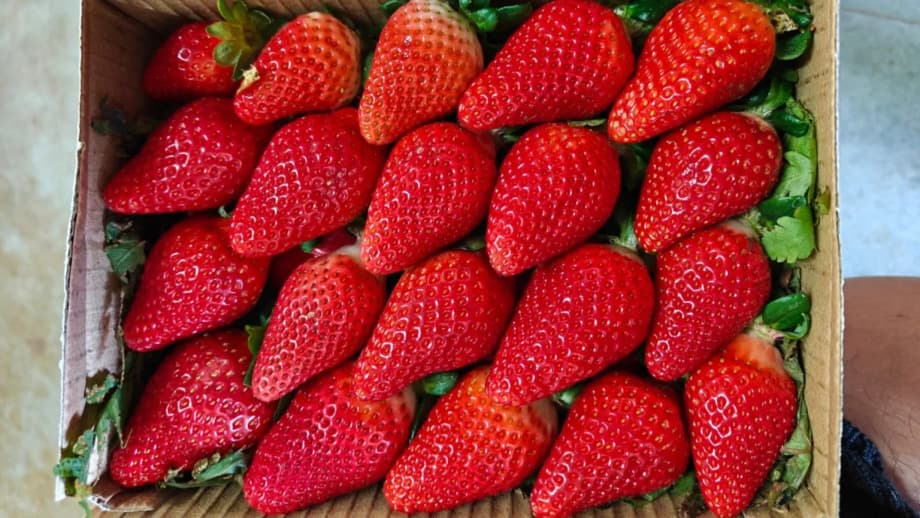
Mahabaleshwar stands as the core of Indian strawberry production. The mountainous area accounts for about 85 percent of the nation’s crop. Its elevation above 1,000 meters creates a cool growing window from November to March. Light and well-drained soil adds to the suitability for these delicate plants.
Farmers here face constant risks. Sudden heavy rains can wipe out an entire field. Sheetal Danavle and her husband operate a three-acre plot where half is devoted to strawberries. They replace plants each season at a cost of around 2,500 dollars. A good harvest can double the investment yet weather turns the effort into a gamble.
Reliance on Foreign Plant Stock
India imports strawberry mother plants mainly from California, Florida, Italy and Spain. No domestic variety has been developed yet. Breeders abroad take 10 to 15 years to create top lines and hold patents on them. Nelson Sequeira of Tara Farms Fresh describes the process. Certified mother plants arrive under quarantine. Nurseries then multiply them into daughter plants sold to growers. One mother plant can produce 20 to 40 runners under advanced conditions.
Propagation occurs in high-tech setups. Plants grow in halved industrial pipes filled with coco-peat from coconut husks. Precise drip irrigation and fogging systems maintain micro-climates. These methods remain dependent on overseas genetics for the present.
Domestic Breeding Initiative Underway
Scientists at Mahatma Phule Krishi Vidyapeeth work with the Bhabha Atomic Research Centre to change that dependence. They apply low-dose gamma irradiation to plant tissues. The aim is to create India’s first climate-resilient cultivar that offers large firm fruit while handling local heatwaves. Dr Darshan Shashank Kadam notes results may take 10 to 15 years. In the meantime the team supplies farmers with updated planting schedules and fertiliser guidance tailored to Mahabaleshwar conditions.
Similar breeding programs receive international support elsewhere in India. Punjab Agricultural University secured funding through the QUAD initiative for image-based phenotyping and multi-omic tools applied to strawberry among other crops. These efforts seek faster genetic gains for resilient varieties.
Protected Cultivation Gains Ground
Larger operations turn to hydroponics and polyhouses to reduce weather losses. Ketan Yashwant Sodha of Berry Fresh Agrotech shifted after repeated rain damage during peak months. Early hydroponic trials brought failures yet lessons led to success. His team tests 19 varieties including rare Japanese types and a Netherlands line. Strict water limits of 75 millilitres per plant daily concentrate sugars and aromas. Regular leaf and petiole tests guide nutrient delivery. Semi-open polyhouses now allow year-round production.
Sodha plans expansion to a five-acre site holding 200,000 plants. Standard operating procedures and farm manuals are already prepared for investors.
AI Tools and Vertical Systems for Efficiency
Farmer producer groups adopt weather towers and artificial intelligence. Krishan Bhilare recalls the arrival of American varieties in 1992. His network uses data from four towers to forecast rain and adjust spraying schedules. Vertical towers with five layers of coco-peat substrate multiply plant density fivefold on the same land.
Global plant breeding markets show strong growth. Projections indicate expansion from 18.8 billion dollars in 2025 to 62.8 billion dollars by 2035 at a 12.8 percent compound annual rate. Demand for climate-adapted fruit and vegetable lines drives investment across Asia.
Smallholder Experiments and Alternatives
Not every farmer can afford new systems. Danavle tried hydroponics in 2017 with full success on organic output and reduced labour. A cyclone destroyed the setup that year. She returned to open-field methods but added social media outreach. Videos invite visitors to pick fruit directly at the farm. This direct sales approach cuts intermediaries and boosts income. She now combines traditional growing with influencer activities.
Global parallels exist. Singapore-based Singrow developed a climate-resilient strawberry through genomics and precision methods. The variety achieves high Brix levels without fungicides and supports year-round output under controlled conditions.
Market Pressures and Future Outlook
Strawberry cultivation ranks among the most profitable horticultural options in western India. Thousands of small farms depend on it. Climate variability increases the need for local genetics and controlled environments. Broader plant breeding trends show rising focus on yield stability and stress tolerance in fruits and vegetables.
Key Points
- Mahabaleshwar produces 85 percent of Indian strawberries on highland terrain suited to cool-season growth.
- Farmers currently import mother plants from the United States and Europe because no domestic cultivar exists.
- MPKV and BARC use gamma irradiation to develop heat-tolerant local varieties expected in 10 to 15 years.
- Hydroponics and polyhouses allow larger operators to extend seasons and reduce weather losses.
- AI weather towers and vertical stacking increase density and protect spray schedules for organised groups.
- Smallholders turn to direct sales via social media when capital for new systems is limited.
- Global plant breeding markets project strong growth through 2035 driven by demand for resilient crops.