The Tragedy Strikes a Record-Breaking Team
An avalanche on Pakistan’s Broad Peak swept away an international expedition on July 30, killing 10 climbers including British-Nepali mountaineer Nirmal Purja and five other elite Nepali guides. The incident occurred around 9 a.m. local time at approximately 6,579 meters on the west ridge between camps two and three. Purja, 43, led the group that included clients and guides from Nepal, Pakistan, Oman, the United States and China. Broad Peak, at 8,051 meters, ranks as the world’s 12th-highest peak and lies in the remote Karakoram range.
Purja had not originally planned the ascent. He joined the expedition late to pursue a second round of the 14 eight-thousanders without supplemental oxygen. His company Elite Exped confirmed the deaths on August 1, describing profound sadness. Rescue teams later recovered bodies amid difficult weather and terrain that limited helicopter use.
The loss extends beyond individual climbers. It removes decades of accumulated expertise from Nepal’s guiding community, where these men had set records, opened routes and led clients with disabilities to summits.
Who Were the Nepali Guides Lost
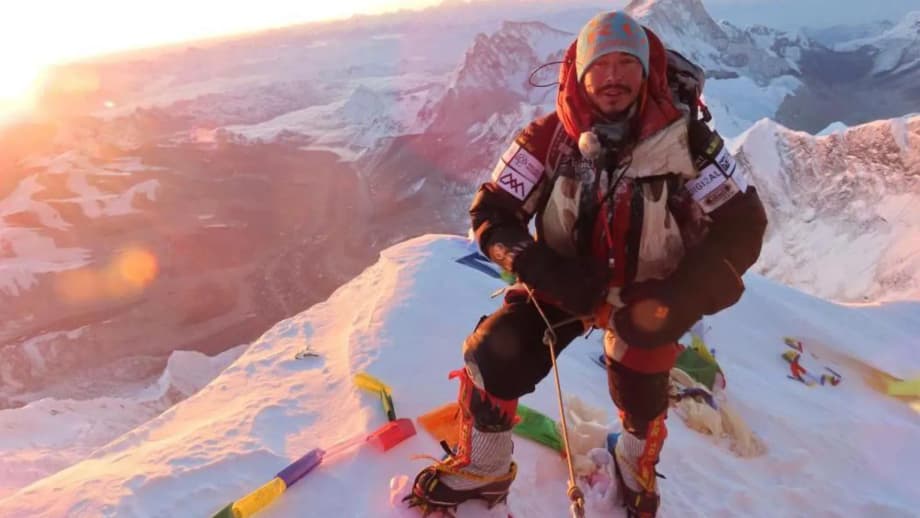
Nirmal Purja, known as Nims or Nimsdai, rose to fame in 2019 by climbing all 14 peaks above 8,000 meters in 189 days. He later led the first winter ascent of K2 in 2021 with an all-Nepali team. Purja served 16 years in the British military, including a decade in special forces, and received an MBE in 2018. He founded Elite Exped and the Nimsdai Foundation to support education in mountain communities.
Kili Pemba Sherpa, 46, completed all 14 eight-thousanders weeks before the accident with a summit of Nanga Parbat. He guided double amputees on Everest and Manaslu and helped establish the standard route on Manaslu. Born in Rolwaling Valley, he began expedition work at age 16 and summited Everest 15 times.
Pur Bahadur Gurung, 37, known as Yukta, had climbed 12 of the 14 highest peaks and was the first from the Gurung community to summit Everest 10 times. He worked as a lead guide for Elite Exped and participated in rescues. Gyaljen Sherpa, from Okhaldhunga, set a record by summiting Kanchenjunga three times in one season and worked nearly eight years with Seven Summit Treks.
Nima Sherpa, 36, had already climbed four eight-thousanders in 2026 before joining the trip. Nawang Thindu Sherpa, 29, came from a family of climbers and had summited six 8,000-meter peaks including Everest and Makalu. All six had trained for years and held international certifications in several cases.
Foreign Climbers on the Expedition
The group also included Nadhira Al Harthy, the first Omani woman to summit Everest and later K2. American Mallory Geis, 39, closed her Pilates studio to pursue climbing full time. Pakistani guide Sohail Sakhi, 33, advocated for better pay for local workers and had summited several peaks without oxygen. Chinese climber Wang Zhong had reached his 11th eight-thousander shortly before the trip. Their presence highlighted the growing international interest in Pakistan’s high peaks.
Why Pakistan’s Mountains Pose Extra Risks
Nepali guides often travel to Pakistan during the monsoon season when Nepal’s routes close. The Karakoram range offers five of the world’s 14 highest peaks yet attracts far fewer visitors than the Himalayas. Infrastructure remains limited. Rescue helicopters struggle to reach base camps, and landing zones at higher altitudes are scarce. Teams must fix ropes, cut steps and establish camps themselves on remote routes. Climbers often attempt multiple peaks in one trip because access is so difficult, creating tight schedules.
In contrast, Nepal offers developed trails, lodges and an integrated helicopter rescue network. The isolation of Pakistan’s peaks increases both challenge and danger. Experts note that the inherent risks draw many participants, yet the same remoteness complicates recovery when accidents occur.
Recovery Efforts Face Severe Conditions
Pakistani rescuers located four bodies on the first day but retrieved only three due to weather. Ground teams later reached Purja and three others at around 5,700 meters. Three climbers remained unaccounted for initially. The Alpine Club of Pakistan coordinated operations with limited long-line helicopter capacity. Bodies were transported to lower camps before further movement. Harsh weather and avalanche risk slowed progress throughout the operation.
National Mourning and Global Tributes
Nepal observed candlelight vigils in Kathmandu with hundreds of mourners and Buddhist monks chanting prayers. Prime Minister Balendra Shah expressed shock and praised the climbers’ courage. Purja’s family issued statements of pride amid grief. Prince William noted Purja’s distinguished military service and mountaineering achievements. UK officials and climbing figures worldwide issued condolences. Local communities in the victims’ home villages held private memorials.
Impact on Nepal’s Mountaineering Future
Industry leaders described the deaths as a blow that will take years to overcome. Training an international-standard guide requires repeated expeditions and practical experience that cannot be rushed. Companies recruit from remote villages and develop talent over seasons. The sudden absence of these six men removes mentors, route experts and leaders who had shaped commercial climbing. Some observers expect calls for stricter safety measures, though past disasters have rarely produced lasting changes in high-altitude practices.
Key Points
- Ten climbers died in an avalanche on Broad Peak on July 30, including six elite Nepali guides.
- Nirmal Purja led the expedition and had set multiple speed records on the 14 eight-thousanders.
- The victims included guides with decades of experience guiding clients with disabilities and opening new routes.
- Rescue operations were hampered by remote terrain and poor weather in Pakistan’s Karakoram range.
- Nepal’s mountaineering community lost irreplaceable expertise that will take years to rebuild.