Emergency Aid Arrives as Infrastructure Crisis Mounts
On Wednesday, Chinese Ambassador to Iran Cong Peiwu joined Iranian Red Crescent Society President Pirhossein Kolivand at IRCS headquarters in Tehran to formalize the delivery of approximately 58 tons of emergency humanitarian assistance. This shipment arrives as Iranian officials report that US and Israeli attacks have damaged over 137,000 infrastructure facilities across the country, including airports, fuel storage sites, bridges, and railways. The ceremony marked the latest concrete step in Beijing’s response to the conflict that has engulfed the region since late February, distinguishing itself from the military aid allegations that have dominated recent international discourse.
Cong emphasized the longstanding friendship between the two nations, stating that China remains deeply concerned about the Iranian people’s welfare and views Iran as a vital partner in the Middle East. The assistance reflects Beijing’s commitment to international humanitarian obligations and its vision of building a community with a shared future for humanity, according to the ambassador. Since the outbreak of hostilities in late February, China has consistently advocated for regional peace and an immediate end to military operations, positioning the aid delivery within a broader diplomatic framework that emphasizes dialogue over escalation while protecting civilian lives.
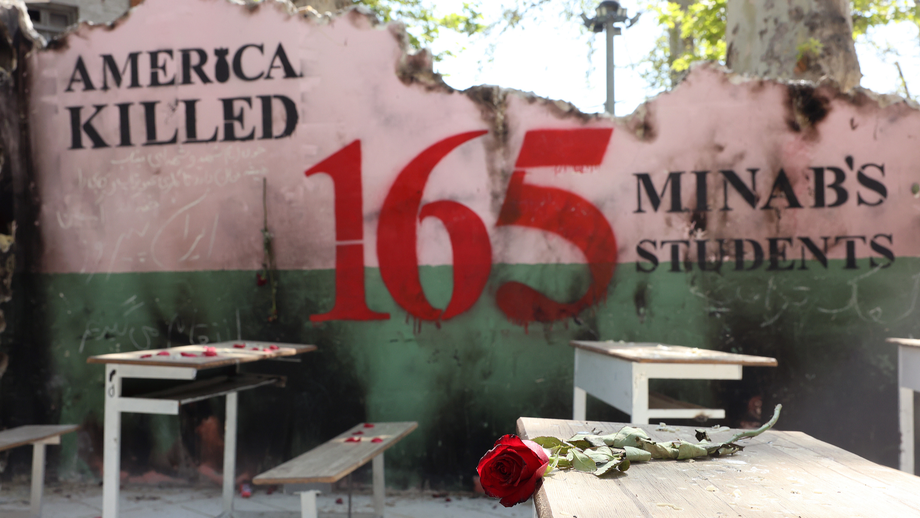
Kolivand expressed profound appreciation for China’s sustained support during difficult times, specifically referencing an earlier humanitarian contribution following a tragic attack on Shajareh Tayyebeh Elementary School in Minab, southern Iran, on February 28. That incident, which occurred during the initial phase of US and Israeli military operations, resulted in the deaths of at least 150 schoolgirls. In response to that attack, the Red Cross Society of China provided $200,000 in emergency assistance to the Iranian Red Crescent specifically designated for comforting bereaved families, according to Chinese Foreign Ministry spokesperson Guo Jiakun. Kolivand noted that this earlier donation demonstrated the friendship between the two countries has grown stronger over time.
Diplomatic Condemnation and Calls for Peace
While delivering material assistance, Beijing has simultaneously mounted a vigorous diplomatic campaign condemning the military actions undertaken by Washington and Tel Aviv. Foreign Minister Wang Yi has engaged in multiple phone calls with his counterparts from Russia, Iran, France, and Oman to articulate China’s position and promote conflict cessation. In these conversations, Wang characterized the US and Israeli strikes as unacceptable violations of international law, particularly emphasizing the killing of Supreme Leader Ayatollah Ali Khamenei as a blatant attack on a sovereign state’s leadership that crossed fundamental boundaries of international conduct.
At a regular press conference on March 3, Foreign Ministry spokesperson Mao Ning detailed China’s three point stance: an immediate halt to military operations, a prompt return to dialogue and negotiation, and collective opposition to unilateral actions. Mao reiterated that China supports Iran’s right to defend its sovereignty, security, and territorial integrity, while also acknowledging the legitimate security concerns of Gulf states. This balanced approach reflects Beijing’s complex positioning as both a strategic partner to Tehran and a major economic player with significant interests across the entire Middle East.
Humanitarian Assistance Versus Military Allegations
The 58 ton aid delivery stands in stark contrast to persistent allegations regarding Chinese military support for Iran. US President Donald Trump has publicly threatened to impose 50 percent tariffs on Chinese goods if Beijing provides weapons to Tehran, stating in an April interview that such assistance would create big problems for China. These warnings follow intelligence reports suggesting potential transfers of air defense equipment, including shoulder fired anti aircraft systems and components for radar and surface to air missile guidance technology.
However, Chinese officials have vigorously denied these accusations. Foreign Ministry spokesperson Lin Jian dismissed reports of military support as purely fabricated, warning that any US tariff hikes based on such accusations would prompt countermeasures from Beijing. President Trump confirmed that he had exchanged letters with Chinese President Xi Jinping regarding the matter, with Xi denying the provision of weapons. This distinction between confirmed humanitarian aid and disputed military assistance highlights the careful line Beijing is attempting to walk as the conflict enters its seventh week.
The humanitarian focus of the recent delivery aligns with China’s broader pattern of assistance. Following the Minab school attack, Foreign Ministry spokesperson Guo Jiakun stated that attacking schools and harming civilians seriously violate international humanitarian law and cross the base line of humanity and human conscience. The Red Cross Society of China’s $200,000 contribution specifically targeted bereaved families, demonstrating a consistent emphasis on civilian protection rather than military enhancement.
Economic Ties and Strategic Balancing
China’s response to the Iran crisis is fundamentally shaped by deep economic entanglements that extend far beyond simple diplomatic alignment. Beijing purchases approximately 90 percent of Iran’s exported oil, providing Tehran with tens of billions of dollars in annual revenue that supports the Iranian government budget. In 2025 alone, China imported nearly 1.4 million barrels per day of Iranian crude, representing about 12 percent of China’s total crude imports. This trade occurs largely outside formal banking channels, enabled by shadow fleet tankers and complex payment networks that circumvent US sanctions.
Yet this partnership exists within a broader strategic calculus that constrains Beijing’s willingness to offer military support. China maintains comprehensive strategic partnerships with Saudi Arabia and the United Arab Emirates, with bilateral trade volumes exceeding $108 billion with each country in 2025, compared to $41.2 billion with Iran. The Belt and Road Initiative integrates closely with Saudi Vision 2030, including a $50 billion agreement and a $1 billion solar energy project with Saudi firm ACWA Power in Uzbekistan. Any overt military aid to Iran would jeopardize these relationships and potentially disrupt the delicate balance Beijing maintains among Middle Eastern powers.
The asymmetric nature of the China Iran relationship further explains Beijing’s cautious approach. While Iran depends heavily on China for energy export revenue and diplomatic backing at forums like the United Nations Security Council, China possesses alternative oil suppliers and regional partners. As analysts note, Beijing does not maintain formal defense commitments or mutual defense treaties with Tehran, unlike the security guarantees that characterize US alliances. This distinction allows China to support Iran rhetorically and economically while stopping short of kinetic military assistance that could trigger direct confrontation with the United States.
Citizen Protection and Regional Stability
Beyond aid deliveries and diplomatic statements, Beijing has taken concrete steps to protect its own interests and citizens in the conflict zone. Chinese authorities have evacuated more than 3,000 citizens from Iran since the security situation deteriorated, with working groups stationed at border ports in neighboring countries to assist departing nationals. The Chinese Embassy in Tel Aviv simultaneously advised citizens in Israel to strengthen personal security measures and remain prepared for emergencies.
The conflict’s impact on regional stability extends to critical economic chokepoints. Iran has effectively closed the Strait of Hormuz since early March, disrupting approximately 20 million barrels of oil daily and roughly 20 percent of global liquefied natural gas trade. Foreign Minister Wang Yi specifically urged his Iranian counterpart, Abbas Araghchi, to ensure freedom of navigation through the strait, calling its reopening a unanimous demand from the international community. Wang noted that the current situation had reached a critical juncture between war and peace, suggesting that the window for diplomatic resolution remains open despite ongoing hostilities.
President Trump recently confirmed that a planned visit to Beijing, postponed due to the military operation in Iran, has been rescheduled for mid May. This diplomatic engagement underscores the complex dynamics at play, as China attempts to maintain stable relations with Washington while supporting Tehran through humanitarian and economic channels rather than military intervention. The 58 tons of aid delivered this week represent the tangible result of this strategic positioning, offering immediate relief to Iranian civilians while carefully avoiding the escalation triggers that military support would entail.
Key Points
- China delivered approximately 58 tons of emergency humanitarian aid to Iran through the Iranian Red Crescent Society, with Chinese Ambassador Cong Peiwu and IRCS President Pirhossein Kolivand presiding over the handover ceremony.
- The aid arrives as Iranian officials report US and Israeli attacks have damaged over 137,000 infrastructure facilities including airports, bridges, fuel storage, and railways.
- Beijing previously provided $200,000 in humanitarian assistance following the February 28 attack on Shajareh Tayyebeh Elementary School in Minab, which killed at least 150 schoolgirls.
- Foreign Minister Wang Yi has condemned the killing of Supreme Leader Ayatollah Ali Khamenei as a violation of international law and called for immediate cessation of military operations.
- China has evacuated over 3,000 citizens from Iran since the conflict began, while maintaining economic ties that include purchasing approximately 90 percent of Iran’s oil exports.
- US President Donald Trump has threatened 50 percent tariffs on Chinese goods if military aid is provided, though Beijing denies such allegations and distinguishes humanitarian support from military assistance.
- China maintains strategic partnerships with both Iran and Gulf states including Saudi Arabia and the UAE, creating a balancing act that precludes formal military commitments to Tehran.