A hidden pattern of violence
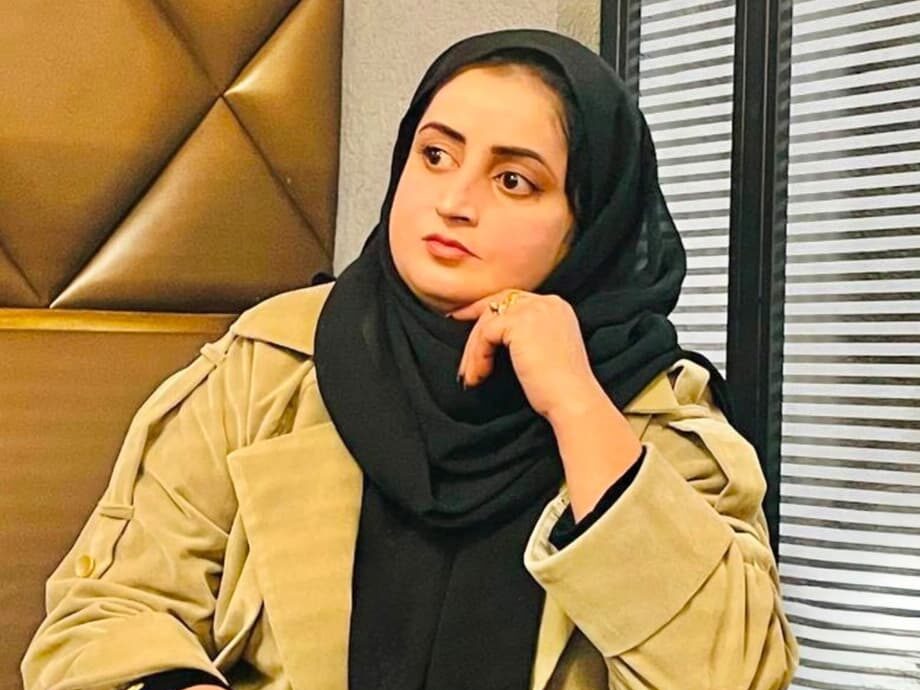
The killing of Liza Shams began with years of abuse inside her home. Weeks before her death, the 33 year old Afghan woman recorded voice messages asking relatives to pray for her and describing beatings by her husband, including an assault while she was pregnant. She said she had been isolated for days and injured so badly that she could barely eat or speak.
On 1 February, neighbours heard screams. Liza’s father received a video call and saw that her jaw had been broken. Her sisters took her to a hospital in Kabul, where she died about an hour after arriving. Medical records described multiple fractures to her cheekbones and sinus walls, along with bruising and swelling across her face and body.
Despite those injuries, the forensic report listed rat poison as the likely cause of death. No autopsy was carried out. Liza’s in laws reportedly argued that she had taken her own life, while her father believes she was murdered. In Afghanistan, families and health workers say suicide is often recorded when women die in violent circumstances, a classification that can prevent further investigation.
Liza’s case reflects a wider pattern documented by Afghan journalists working under cover. Their investigation recorded 231 cases of women and girls killed in 10 provinces since the Taliban returned to power in August 2021. The figures do not represent the full national toll. They show how violence inside families, weak investigations and fear of authorities can combine to leave killers free.
What the investigation found
The cases were compiled from 174 reports in local media and 57 cases identified directly by the journalists. The victims ranged in age from five to 65. Husbands, fathers, brothers and other relatives were named by families or witnesses in many cases.
Of the 231 deaths, 53 were officially recorded as suicide. Only 58 arrests were documented, meaning an arrest was recorded in roughly one quarter of the cases. Even when suspects were detained, some were released within days. The provinces with the highest recorded numbers were Jawzjan, with 36 cases, Herat with 32, Badakhshan with 28 and Ghazni with 26.
Most victims were killed at home, where violence is difficult for outsiders to detect. Some 165 were housewives without independent income or a formal position from which to pursue a complaint. Dependence on male relatives can make leaving an abusive marriage nearly impossible, particularly when shelters, courts and police services are unavailable.
A healthcare worker in Jawzjan told the journalists that many women brought to hospitals and labelled suicide victims had bodies covered in wounds and bruises. Such accounts cannot establish the cause of every death, yet they point to serious gaps in the recording and investigation of violence against women.
Why protection has weakened
Afghan women faced widespread domestic violence before the Taliban takeover. The UN Women Afghanistan Gender Index reported that nearly 35 percent of women surveyed in 2018 had experienced violence from a partner during the previous year, compared with a global figure of 13 percent.
After August 2021, the Taliban dissolved the Ministry of Women’s Affairs, the special prosecutor’s office for violence against women and the country’s shelter network. About 250 female judges were removed from their positions, while female prosecutors were sent home. Women also lost the ability to act directly as parties in their own legal cases, leaving mothers unable to pursue cases on behalf of their daughters.
This legal exclusion has practical consequences. In Takhar province, the mother of a 23 year old woman who was allegedly stabbed and set on fire by her husband said a local court ordered her to transfer legal authority to the husband. The case has made little progress.
The Taliban’s criminal code also sets a harsh imbalance between domestic abuse and escape from it. A husband who beats his wife and causes visible injuries such as fractures or wounds may receive a maximum of 15 days in prison. A wife who goes to her family’s home without permission, and relatives who refuse to return her, may face three months in prison.
That structure can turn a family seeking safety into a group facing punishment. It also gives abusive husbands a powerful tool to stop relatives from sheltering women who flee.
Families that intervene can become targets
The danger does not end with the woman facing abuse. Relatives who try to protect daughters and sisters may also face violence, especially when the alleged attacker is connected to the Taliban.
In Kandahar, a 14 year old girl was reportedly killed after being married to a much older man. She fled to her father’s home after suffering violence. When her husband came to take her back in October 2024, she refused. He allegedly shot and killed her. Her younger brother ran to help and was also shot. He died a week later. The Taliban opened a case, yet the husband, who was serving with the group, was never arrested.
In Sar e Pol province, 16 year old Sara and her mother, Chaman, were shot dead by a local Taliban official who had forced an engagement on Sara. Chaman, a doctor trained in Iran, refused to hand over her daughter without the agreed dowry. The official allegedly beat her with a rifle before shooting both mother and daughter. He was later captured and remains in detention.
These cases show how power within the governing movement can affect access to justice. A suspect’s position, local influence or connection to a commander may determine whether a case reaches court. Families often have little protection if they challenge an official or publicize an alleged crime.
Restrictions create a wider climate of fear
Domestic killings take place within a broader system of restrictions on women’s movement, work, education and public life. Girls remain barred from secondary school and university. Women have faced limits on employment, including work with aid organizations. Rules governing clothing and access to public spaces are enforced by the Ministry for the Propagation of Virtue and Prevention of Vice.
The United Nations has also reported direct death threats against Afghan women working for UN agencies. Taliban officials said their personnel were not responsible and said an investigation was under way, while an Interior Ministry spokesman denied that threats had been made. The dispute illustrates the difficulty of establishing accountability when authorities control both security institutions and access to information.
Restrictions on education and employment leave women with fewer ways to build financial independence or seek help. A woman unable to work, travel freely or speak publicly may have no safe route away from an abusive household. Fear can also prevent neighbours, doctors and relatives from reporting what they know.
The journalists who documented the 231 cases faced threats when they tried to contact families. Many relatives refused interviews. Liza’s sisters, who took her to hospital, were later summoned by the Taliban and went into hiding, according to their father.
International accountability efforts
Afghanistan’s domestic justice system offers few reliable routes for victims. International institutions have begun examining the treatment of women as part of a wider pattern of persecution.
In January 2025, the prosecutor of the International Criminal Court sought arrest warrants for Taliban Supreme Leader Haibatullah Akhundzada and Chief Justice Abdul Hakim Haqqani. The requested charges concern the crime against humanity of persecution on gender grounds. The prosecutor said there were reasonable grounds to believe that Taliban policies had deprived women and girls of rights including education, movement, expression, family life and personal autonomy.
Human Rights Watch said the case could provide a route to accountability when Afghan courts fail to act. The ICC investigation covers alleged crimes in Afghanistan since 1 May 2003. Its work may also examine crimes by other parties to the conflict, although the court has faced criticism from victims and rights groups over how its priorities are set.
The ICC process is separate from the individual murder cases recorded by Afghan journalists. It does not automatically determine who killed a particular woman. Its importance lies in examining whether senior leaders helped create or maintain policies that amount to widespread persecution.
International pressure, however, cannot replace local protection. Women need safe shelters, independent investigators, access to courts and the ability to bring cases in their own names. Families also need protection from retaliation when they report abuse.
What the numbers cannot show
The investigation’s cases cover only 10 of Afghanistan’s 34 provinces. Many deaths are never reported to police, never reach a hospital and never appear in a public record. Some families may accept a suicide designation because challenging it could expose them to threats, social pressure or retaliation.
The absence of official national data makes it impossible to calculate a dependable annual rate or prove a nationwide rise using the sample alone. The evidence does show a repeated pattern: women killed in private homes, injuries questioned or reclassified, few arrests and limited protection for relatives who seek help.
Liza’s father has released her recordings, hospital footage and medical documents on social media in an attempt to force an investigation. In one message, Liza said she felt suffocated and feared that her children would grow up watching their parents fight. Her words describe more than a single violent episode. They record a life in which repeated abuse became part of the household’s daily reality.
Her father says speaking publicly has brought danger to his family. He believes the Taliban do not want such cases discussed in public. For families across Afghanistan, silence may provide temporary safety, while speaking out can bring summonses, threats or further violence.
The Bottom Line
- Journalists documented 231 killings of Afghan women and girls in 10 provinces since August 2021.
- Fifty three deaths were officially recorded as suicide, despite allegations of abuse or other evidence of foul play.
- Only 58 arrests were recorded, and suspects were often released quickly.
- The Taliban removed key institutions, judges, prosecutors and shelters that once handled violence against women.
- International prosecutors are pursuing gender persecution charges against senior Taliban leaders.
- The documented cases are a partial snapshot, with many deaths likely absent from official records.