Summer break exposes the pressure on low income households
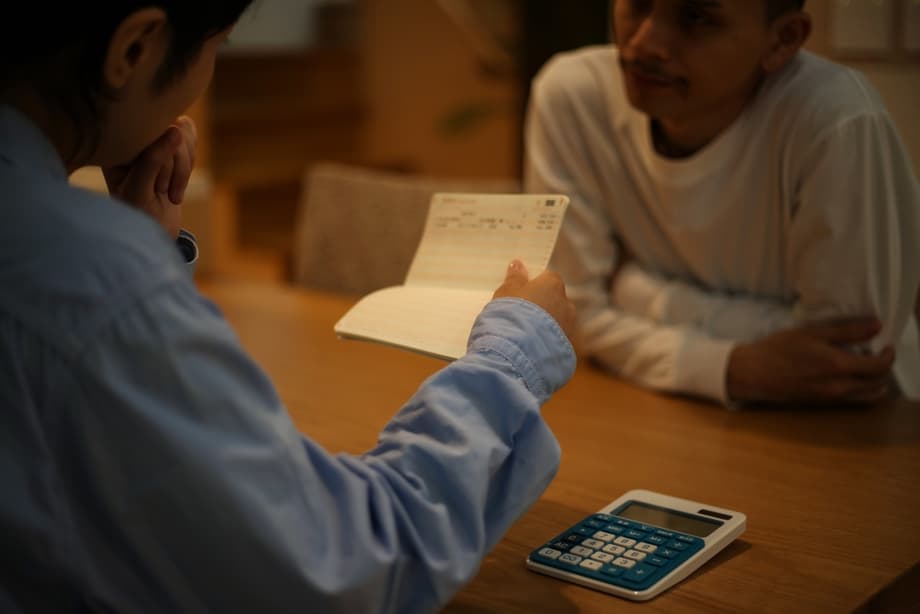
Rising food and utility costs are forcing many financially struggling families in Japan to make painful choices during the summer school holiday. A survey by certified nonprofit Kidsdoor found that parents are reducing meal portions, buying meat and fish less often, and limiting air conditioner use even during periods of intense heat.
- Summer break exposes the pressure on low income households
- What happens when school lunches stop?
- Why cooling has become a budget decision
- Single parent families carry the heaviest burden
- Child poverty remains a national concern
- Local programs provide possible models
- Government support is difficult to find
- What the survey reveals about living costs
- The Bottom Line
The survey was conducted online from June 1 to June 8 among 1,449 households receiving support from Kidsdoor. More than 90 percent of the respondents were single parent families. The findings show how the end of school meal services can quickly increase household costs at a time when electricity bills also rise.
For many children, school lunch is a reliable source of balanced food during the academic year. When schools close, parents must cover every meal at home. Families with the least income face the sharpest choices, with food, electricity and other basic expenses competing for the same limited funds.
The results point to a form of hardship that is often hidden from public view. Parents may still have housing and employment, yet lack enough money to provide regular meals or keep their homes safely cool.
What happens when school lunches stop?
Among 1,012 households with elementary or junior high school children, 64 percent said they expected to serve smaller lunch portions than the meals provided at school. The second most common concern, reported by 61 percent, was that meat or fish would be served less often.
Another 44 percent feared their children would be unable to eat three meals a day on a regular basis during the holiday. The problem was already present for many families before summer began. Fifty seven percent of parents said their children had experienced days when they did not eat enough because of financial difficulties. For almost one in five families, this happened nearly every day.
Households with annual incomes below ¥1 million, about US$6,154, reported the most serious conditions. In that group, 31 percent said their children were unable to eat adequately almost every day. More than 30 percent said their children were thinner or shorter than other children of a similar age.
Parents also described fatigue, irritability, frequent illness, anemia and a general decline in physical condition. Insufficient food can affect concentration, school participation and emotional health as well as physical growth. A child who enters the new school term after weeks of inadequate meals may face difficulties that are not visible in household income statistics.
Why cooling has become a budget decision
Food is not the only basic need being rationed. Thirty eight percent of surveyed families said they planned to greatly limit air conditioner use during the summer, even when cooling was needed. Six percent said they would use air conditioning only in exceptional circumstances.
Japan’s summer weather is often hot and humid, and indoor temperatures can remain dangerous after sunset. Children, older adults and people with health conditions are especially vulnerable to heat exhaustion and heatstroke. Turning off an air conditioner may reduce an electricity bill in the short term, yet it can create a serious health risk when homes become excessively hot.
Energy use can sometimes be reduced without abandoning cooling altogether. Findings from a Panasonic survey of 4,000 air conditioner users, reported in Japan, suggested that repeatedly switching a unit off for short periods can consume more power than leaving it running steadily. The same research found that raising the setting from 26 to 28 degrees Celsius while using a circulator fan could cut consumption by about 22 percent in tested conditions.
Those measures may help some households, though they cannot solve the larger problem for families who are already choosing between groceries and electricity. A more efficient appliance or a careful temperature setting is of little use when a parent is afraid to turn the unit on at all.
Single parent families carry the heaviest burden
The Kidsdoor results reflect wider pressure on single parent households. A separate survey of 2,391 single parent families using the Good Neighbors Japan food bank found that nearly 70 percent had annual employment income below ¥2 million. More than half of the respondents worked in nonregular jobs.
Many parents said they could not work more hours because of childcare, housework, family care or health problems. More than 75 percent reported that their wages had not increased in 2023, even as prices rose. More than half said their families had cut food spending or reduced use of air conditioning and heating.
This combination leaves little room to absorb another expense. A school holiday can mean several additional weeks of breakfasts, lunches and snacks, along with higher power use. Single parents also have less time to seek extra work, visit multiple support agencies or prepare low cost meals from basic ingredients.
Children may pay the price through missed activities as well. The food bank survey found that some families had cancelled extracurricular lessons or plans for higher education. This can create an experience gap, in which children from poorer homes have fewer chances to join trips, classes and community events during school breaks.
Child poverty remains a national concern
Japan’s child poverty figures show why summer support is receiving renewed attention. The Health, Labor and Welfare Ministry’s Comprehensive Survey of Living Conditions classified 11 percent of people aged 17 or younger as living in poverty in 2024. The rate for children in single parent households was 44.7 percent.
These figures describe a long term financial condition, while the Kidsdoor survey captures the immediate choices families make when costs rise. Both views point to the same pressure: income is often too low or too uncertain to cover nutritious food, school related expenses and safe housing conditions.
Food inflation has made inexpensive staples more attractive, yet a diet built mainly around cheap carbohydrates may lack protein, iron and other nutrients. When families remove meat, fish, fresh produce or dairy products from regular meals, children can face deficiencies even if they are eating something every day.
Parents also bear a heavy emotional cost. Forty four percent of those surveyed by Kidsdoor said they often felt deeply depressed when thinking about the summer vacation. About half said they had no one with whom they could share their worries. Financial stress can become more severe when parents feel they must hide their difficulties from neighbors, schools or their own children.
Local programs provide possible models
Some local governments and nonprofit groups are developing measures aimed at the weeks when schools are closed. The city of Miyoshi in Aichi Prefecture has decided to provide ¥6,000 per month for each child aged 18 or younger in a low income household. During the summer holiday, the city also opens public facilities and provides boxed meals.
Another local government keeps after school childcare facilities open throughout the day during summer and provides boxed lunches to families that request them. Reducing or waiving usage fees could make these services easier for families to access.
Food banks, children’s cafeterias and community groups also help fill gaps. Their work can provide immediate relief through groceries, prepared meals, advice and referrals. Kidsdoor is calling for expanded financial assistance, food support and access to air conditioned public spaces while schools are closed.
These programs work best when families can use them without complicated applications or fear of stigma. Support located near schools, childcare centers and municipal offices may reach more people than services that require parents to contact several separate agencies.
Government support is difficult to find
Support programs in Japan are spread across several ministries and agencies. The Children and Families Agency and other government bodies compiled a list of subsidy programs in May and sent it to local governments. Advocates say many parents still do not know which benefits exist or whether they qualify.
Information alone may not be enough. Parents working irregular hours may lack time to complete forms, gather documents or travel to an office. Some may also avoid asking for help because they fear being judged as unable to care for their children.
A more practical response could combine direct cash payments with food distribution, summer childcare and cooling centers. Schools, municipalities, health services and nonprofit groups can help identify families before the holiday begins. Clear notices in multiple languages and assistance with applications could also reduce the number of households that fall through gaps in the system.
Public cooling spaces are especially useful during heat waves. Libraries, community centers and childcare facilities can give children a safe place to spend the day while reducing the hours that families need to cool their homes. Such spaces need suitable opening hours, transport access and meals or snacks for children who may otherwise go without them.
What the survey reveals about living costs
The Kidsdoor findings show that inflation is measured in more than shopping receipts. It appears in the size of a child’s lunch, the number of days a family can afford fish, and the hours an air conditioner remains on during a heat wave.
The choices reported by parents are signs of constrained budgets rather than casual efforts to save money. A family that cuts a meal portion or delays using air conditioning may be protecting rent payments, school costs or medical bills. Each decision can create a new health or development risk.
Japan’s response will require help that reaches families before conditions become severe. Short term summer assistance can protect children during the school closure, while stable work, affordable childcare and reliable income support can address the pressures that continue through the rest of the year.
The Bottom Line
- A Kidsdoor survey of 1,449 supported households found widespread concern about food and cooling costs during summer vacation.
- Sixty four percent of families with school age children expected to reduce meal portions, while 61 percent expected to serve meat or fish less often.
- Fifty seven percent said their children had already experienced days without enough food, and nearly one in five reported that this happened almost daily.
- Thirty eight percent planned to greatly restrict air conditioner use, with 6 percent using it only in exceptional situations.
- Child poverty affected 11 percent of people aged 17 or younger in Japan in 2024, rising to 44.7 percent among children in single parent households.
- Nonprofits and local governments are calling for cash aid, food support, childcare and access to cool public facilities during school closures.