The New Face of Asian Tourism
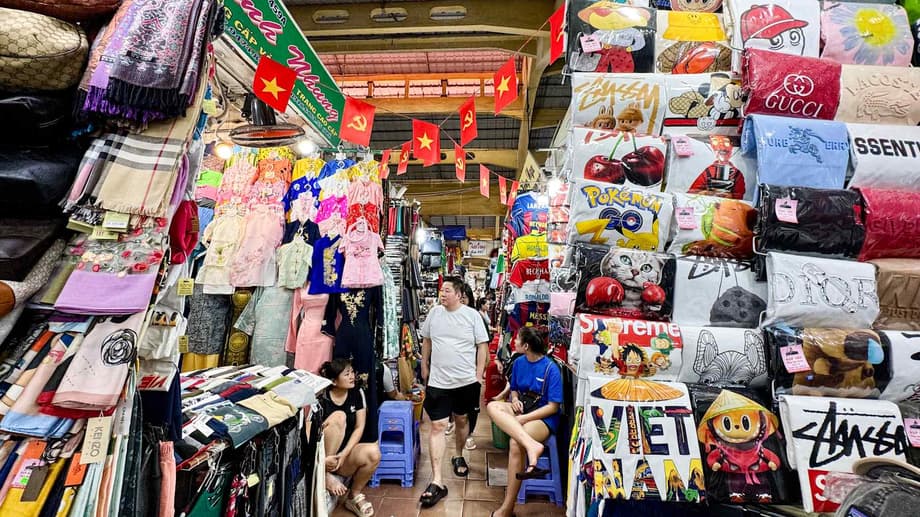
Under the steepled roof of Ben Thanh Market, a major Ho Chi Minh City tourist attraction, shoppers jostle along crowded aisles offering scarves and hammer-and-sickle keychains in the balmy, stuffy air of Vietnam’s commercial capital. This scene, once dominated by budget tour groups following flag-waving guides, now increasingly features independent Chinese travelers navigating the market on their own terms, smartphones in hand, seeking authentic experiences rather than packaged itineraries.
- The New Face of Asian Tourism
- By the Numbers: A Record-Breaking Year
- The Independent Traveler Revolution
- Why Vietnam? Pull Factors Driving the Shift
- Thailand’s Troubles: Push Factors Accelerating the Shift
- Regional Ripple Effects: The New Tourism Map
- Adapting to the New Chinese Traveler
- Sustainability Challenges and Future Risks
- What This Means for Southeast Asian Tourism
- Highlights
Vietnam has emerged as the unexpected winner in the fierce competition for Chinese tourists, Southeast Asia’s most coveted travel market. The country welcomed approximately 21.2 million international visitors in 2025, a 20% increase that shattered its pre-pandemic record of 18 million set in 2019. Chinese tourists, once the backbone of Thailand’s tourism economy, are now flocking to Vietnam in unprecedented numbers, driven by a fundamental shift in travel preferences and regional circumstances that have redrawn the map of Asian tourism.
This surge represents more than a simple rebound from COVID-19 disruptions. It signals a structural transformation in how China’s growing middle class travels abroad, with profound implications for the entire region’s multibillion-dollar tourism industry.
By the Numbers: A Record-Breaking Year
The statistics tell a striking story of Vietnam’s ascendancy. Chinese visitor arrivals to Vietnam climbed 41.3% year-on-year to reach 5.3 million in 2025, according to the National Statistics Office. This figure not only exceeded pre-pandemic levels but also surpassed the 4.5 million Chinese visitors who traveled to Thailand during the same period, marking a historic reversal in regional tourism patterns.
Through October 2025 alone, Vietnam had drawn 17 million tourists, with Chinese travelers representing the largest single source market. By August, China had overtaken South Korea as Vietnam’s biggest source of foreign visitors, with 1.95 million arrivals in the first quarter of 2025 alone. The momentum shows no signs of slowing, with Vietnam on track to welcome more than 22 million international visitors this year.
The economic impact extends far beyond arrival numbers. Tourism retail sales in Vietnam have soared approximately 51% year-on-year through August 2025, according to market analysis firm BMI. The direct and indirect contribution of tourism to Vietnam’s GDP is estimated at over 15%, making the sector a crucial engine of economic growth.
This success stands in sharp contrast to regional competitors. Thailand, long the dominant player in Southeast Asian tourism, experienced a 7% drop in international tourist numbers during the first eight months of 2025, despite strong growth from European and American markets. Flight seat capacity from China to Thailand decreased by more than 11% compared to the previous year, falling to just 5.1 million seats.
The Independent Traveler Revolution
Perhaps the most significant aspect of Vietnam’s tourism boom is the changing nature of Chinese visitors themselves. The stereotypical image of Chinese tourists, large groups herded through attractions by megaphone-wielding guides, is giving way to a new generation of independent, experience-seeking travelers.
“Currently, over 40% of Chinese travelling abroad for the first time are independent, educated and looking for an authentic foreign experience,” said Subramania Patra, CEO of China Trading Desk, a firm that monitors Chinese travel and spending patterns. “This group of tourists doesn’t want to be put on a bus and taken to destinations where everything feels like China. And, importantly, they are willing to pay more.”
This demographic shift reflects broader changes in Chinese society. The post-90s and post-00s generations, who grew up with greater exposure to international culture through the internet and social media, approach travel differently than their parents. They research destinations on Xiaohongshu (Little Red Book), book accommodations through Ctrip, and share experiences on WeChat and Weibo, creating organic marketing that traditional tourism boards struggle to replicate.
Vietnam has proven particularly adept at capturing this market segment. “For this new group of Chinese tourists, Vietnam offers a new and fresh experience,” Patra explained. “Many tourists feel that Vietnam is still less crowded and more authentically local.”
The evidence of this preference for independence is visible throughout Vietnam’s tourist hubs. In Da Nang, large signs in Chinese now adorn hotel entrances, street-side restaurants, and massage parlors. Hotels have hired Mandarin-speaking staff or equipped employees with translation apps. Tour companies like Hava Travel have pivoted from budget group packages to boutique experiences, serving around 2,000 customers in August 2025 alone, a 20% increase from the beginning of the year.
Why Vietnam? Pull Factors Driving the Shift
Several interconnected factors explain Vietnam’s remarkable appeal to Chinese travelers. Geographic proximity ranks among the most practical advantages. Vietnam shares a long land border with China, making overland travel possible and affordable. Multiple border crossings connect Guangxi and Yunnan provinces to northern Vietnam, offering Chinese visitors flexibility that island destinations cannot match.
Cost competitiveness remains significant. While Thailand and other destinations have seen prices rise substantially since the pandemic, Vietnam maintains a reputation for affordability. The Vietnamese dong has weakened against the Chinese yuan, effectively increasing Chinese purchasing power. This currency dynamic, combined with generally lower costs for accommodation, food, and transportation, makes Vietnam attractive to budget-conscious travelers and high-spenders alike.
Cultural and historical ties provide another layer of appeal. Vietnam and China share Confucian traditions, lunar calendar celebrations, and culinary similarities that make Chinese visitors feel culturally comfortable while still experiencing something distinct. Major cities like Hanoi and Ho Chi Minh City offer historical depth, while UNESCO World Heritage sites like Hoi An and Ha Long Bay provide Instagram-worthy backdrops that drive social media engagement.
Vietnam’s visa policies have evolved strategically to capture Chinese market share. The country offers 30-day visa exemptions for Phu Quoc Island, streamlined e-visa facilities, and has extended visa-free stays for citizens of numerous developed economies to stimulate broader tourism growth. These measures reduce friction in the travel planning process, a crucial consideration for spontaneous Chinese travelers.
The Vietnamese government and private sector have actively cultivated the Chinese market. In Quang Ninh province, which borders China, authorities have partnered with businesses to organize paragliding and hot-air balloon festivals designed to encourage longer stays. Luxury hotel chains report that nearly half their rooms are consistently booked by Chinese tourists, with properties like the Mercure Nha Trang Beach Hotel adapting services to meet this demand.
Thailand’s Troubles: Push Factors Accelerating the Shift
While Vietnam has executed an effective strategy to attract Chinese visitors, Thailand’s difficulties have accelerated the regional realignment. Safety concerns have emerged as a particularly damaging issue. The abduction of Chinese actor Wang Xing, who was lured to Thailand and then transferred to Myanmar by a call center gang, created lasting negative publicity that continues to influence Chinese travel decisions.
Border instability and geopolitical tensions have compounded these safety perceptions. While Thailand grapples with its image, Vietnam benefits from relative political calm and the perception of stability. Chinese travelers increasingly cite feeling safer in Vietnam, pointing to shared heritage and stronger diplomatic ties as contributing factors.
Price inflation in Thailand has alienated budget-conscious Chinese tourists. Social media posts frequently highlight increased costs for hotels, food, and taxi fares compared to pre-pandemic levels. This perception of diminished value has driven price-sensitive travelers toward Vietnam and other alternatives.
The economic consequences for Thailand are substantial. China Trading Desk estimates that the shift in Chinese tourist preferences could cost Thailand more than $3.5 billion in lost revenue, with that spending redirected to Vietnam and neighboring countries. The Kasikorn Research Centre forecasts that Thailand’s hotel business revenue will contract by 4.5% this year, with declining occupancy rates.
Damien Pfirsch, Chief Commercial Officer at Agoda, maintains some optimism for Thailand’s recovery, noting that Bangkok remains the top Asian destination for repeat visitors on their platform. “The tourism industry still has a chance to recover, especially if Chinese tourists start travelling again,” he said. However, this recovery depends on addressing the underlying concerns that have driven travelers away.
Regional Ripple Effects: The New Tourism Map
Vietnam’s success is part of a broader restructuring of Asian tourism flows that extends beyond the Vietnam-Thailand dynamic. Japan, despite setting overall records with 42.7 million visitors in 2025, experienced a sharp plunge in Chinese arrivals due to diplomatic tensions. Flight data shows Japan-bound flights during the 40-day Lunar New Year travel period were down 43.7% year-on-year, with some hubs canceling more than a third of scheduled departures.
This vacuum has benefited visa-free or visa-relaxed destinations across the region. Turkey, which waived visas for Chinese visitors in January 2026, saw holiday-period search spikes of 320%. Malaysia recorded a 35% increase in Chinese tourists during the first half of 2025, accompanied by a nearly 50% increase in flight seat capacity from China. Russia expects Chinese arrivals to rise six-fold following its group-tour visa waiver.
Even long-haul destinations are capturing redirected Chinese demand. Airbnb reports that Queenstown, New Zealand is now its most-searched global city for Chinese users. European operators report 90% increases in bespoke itineraries, such as nine-day UK “one-country-deep” tours that appeal to experienced travelers seeking immersive experiences.
This diversification represents a maturation of Chinese outbound tourism. As travelers become more experienced and confident, they are less dependent on traditional destinations and more willing to explore alternatives. For Vietnam, this means both opportunity and challenge: capturing first-time visitors while building loyalty for repeat visits.
Adapting to the New Chinese Traveler
Vietnam’s tourism industry has demonstrated notable agility in responding to changing Chinese visitor preferences. The shift from group tours to independent travel has required fundamental changes in how services are delivered and marketed.
Language capabilities have become a priority. Beyond hiring Mandarin-speaking staff, Vietnamese tourism businesses are investing in translation technology and training programs. Digital integration matters enormously: accepting Chinese mobile payment systems like Alipay and WeChat Pay, maintaining presence on Chinese social media platforms, and optimizing for Chinese search engines.
Product development has evolved to emphasize experiences over sightseeing. Food tours through Ho Chi Minh City’s street food scene, photography workshops in Hoi An’s lantern-lit alleys, and wellness retreats in Da Lat cater to desires for authenticity and personal growth. Golf tourism has emerged as a particularly lucrative segment, with Vietnam’s status as one of Asia’s top golf destinations attracting high net worth travelers from mainland China, Hong Kong, and Macao.
Luxury accommodation expansion supports this upmarket shift. Major global brands including Ritz-Carlton, Capella, and The Luxury Collection have opened properties in Vietnam, creating infrastructure for premium Chinese visitors who might previously have chosen Singapore or Bangkok.
The infrastructure investments extend beyond hospitality. The soon-to-be-opened Long Thanh International Airport on the southern outskirts of Ho Chi Minh City will expand capacity significantly. Improved highway connections, upgraded seaports, and enhanced domestic aviation links help distribute visitors beyond the traditional Hanoi-Ho Chi Minh City corridor.
Sustainability Challenges and Future Risks
Vietnam’s tourism success is not without complications. Popular destinations like Ha Long Bay and Phu Quoc Island face overcrowding concerns that threaten the quality of visitor experience and environmental sustainability. A tragic boat accident in Ha Long Bay that claimed 38 lives during a typhoon highlighted safety vulnerabilities that could damage Vietnam’s reputation if not addressed.
The concentration of Chinese visitors in certain locations creates economic vulnerabilities. Over-dependence on any single source market exposes destinations to policy shifts, economic downturns, or diplomatic tensions. Vietnam’s tourism strategy increasingly emphasizes diversification, with strong growth from South Korea, Europe, and emerging markets like India.
Environmental sustainability presents both challenge and opportunity. Vietnam’s marketing of eco-tourism and regenerative travel options appeals to environmentally conscious younger travelers. Government measures to protect natural and cultural heritage assets have received international recognition, supporting long-term competitiveness.
Labor shortages, affecting Japan and other Asian destinations, could constrain Vietnam’s growth if not addressed. The rapid expansion of hospitality capacity requires skilled workers in service, management, and technical roles. Training programs and competitive compensation will be essential to maintain service quality.
Geopolitical factors require careful navigation. While current China-Vietnam relations support tourism flows, historical tensions and territorial disputes in the South China Sea could disrupt this favorable environment. Vietnam’s diplomatic strategy balances economic engagement with China against broader regional relationships, including strengthening ties with the United States and other partners.
What This Means for Southeast Asian Tourism
Vietnam’s rise signals a more competitive, fragmented tourism landscape in Southeast Asia. The era of Thai dominance is giving way to multipolar competition where destination marketing, visitor experience, and value proposition determine success. This competition should ultimately benefit travelers through improved services, better infrastructure, and more diverse offerings.
For industry stakeholders across the region, Vietnam’s example offers several lessons. Visa policy matters enormously in reducing friction for potential visitors. Digital presence and social media engagement are essential for reaching younger Chinese travelers. Product development must evolve beyond traditional sightseeing to emphasize experiences, wellness, and authenticity.
The shift toward independent travel creates opportunities for smaller destinations and niche operators who can deliver specialized experiences. It also challenges established players dependent on group tour volume to reinvent their business models.
Regional cooperation could complement competition. Coordinated marketing of Southeast Asia as a diverse destination, improved cross-border connectivity, and shared standards for sustainability and safety would strengthen the region’s overall position in global tourism.
Highlights
- Vietnam welcomed approximately 21.2 million international visitors in 2025, a 20% increase that broke the pre-pandemic record of 18 million set in 2019
- Chinese tourist arrivals to Vietnam reached 5.3 million in 2025, surpassing the 4.5 million who visited Thailand and marking a 41.3% year-on-year increase
- Over 40% of Chinese travelers abroad for the first time now prefer independent travel over group tours, seeking authentic experiences rather than packaged itineraries
- The shift in Chinese tourist preferences could cost Thailand more than $3.5 billion in lost annual revenue, according to China Trading Desk estimates
- Vietnam’s tourism retail sales have increased approximately 51% year-on-year through August 2025, driven by resurgent Chinese spending
- Japan experienced a 43.7% drop in Chinese visitors during the Lunar New Year period due to diplomatic tensions, redirecting demand to visa-free alternatives
- Vietnam has overtaken South Korea as China’s preferred destination in ASEAN, with Chinese visitors representing the largest source market for Vietnamese tourism