A blockbuster arrives in a shrinking market
Back To The Past collected more than HK$10.9 million on its opening day and HK$45.4 million by the end of its first week, setting a record for a Chinese language film debut in Hong Kong. Yet the comedy arrived at the close of a year when the city's total box office revenue fell nearly 16% to about HK$1.13 billion.
Contents
- A blockbuster arrives in a shrinking market
- Why the return of a television cast matters
- What the annual box office figures show
- Fewer cinemas and a changing audience
- Familiar faces and the next generation
- Award winners and crew members seek other work
- The missing middle in film budgets
- Funding delays, permits and creative concerns
- Competition extends beyond Hong Kong
- Veterans make room for new projects
- The Bottom Line
Released on New Year's Eve, the film stars Louis Koo and Raymond Lam and reunites the cast of TVB's popular 2001 drama A Step Into The Past. Its opening performance surpassed previous benchmarks set by The Last Dance and Twilight Of The Warriors: Walled In, giving an industry troubled by cinema closures and falling ticket sales a welcome commercial success.
As of January 25, 2026, the 107-minute historical science fiction comedy had taken US$8.2 million worldwide. It had been distributed to more than a dozen countries, including the United States, Canada, Britain and Australia.
The contrast reaches beyond ticket receipts. Familiar stars have brought audiences back to cinemas, while an award winning director has gone almost three years without working on a film production. Crew members are supplementing their incomes with television, online videos and driving work. Producers describe investors waiting for government support before committing money.
Back To The Past brings together two sides of the same industry: the enduring appeal of its best known performers and the difficulty of sustaining work for the people who make its films. Its success provides a striking opening to the year, while the figures for 2025 reveal how much business the wider market has lost.
Why the return of a television cast matters
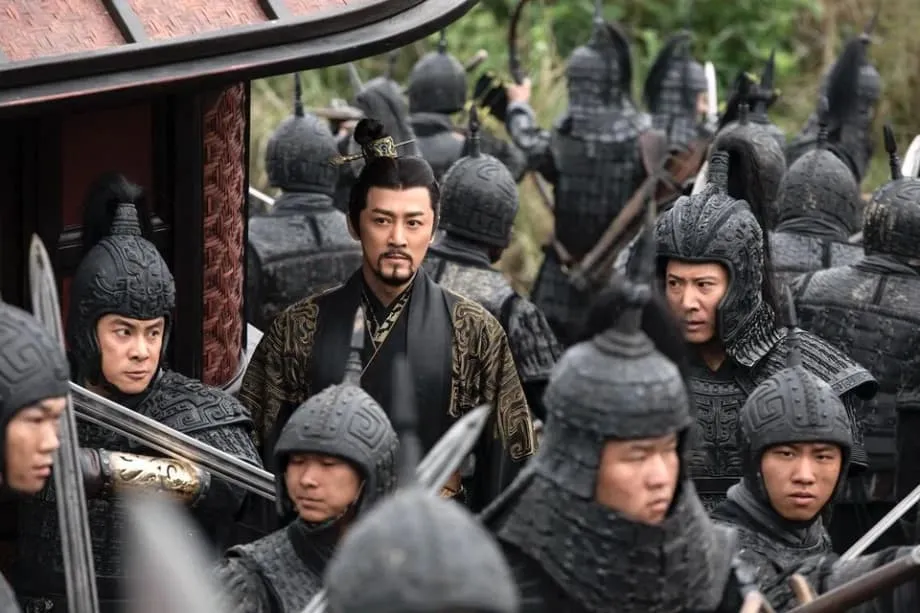
Louis Koo returns as Hong Siu Lung, a policeman from the 21st century who travels to ancient China to ensure the coronation of Qin Shi Huang, played by Raymond Lam. The film continues the story of A Step Into The Past, bringing its television characters back together on the cinema screen.
Jessica Hsuan and Sonija Kwok are among the returning ensemble. For viewers who followed the original drama in 2001, the attraction includes seeing familiar performers reunited after many years, alongside the new adventure.
A Taiwanese writer behind the popular film criticism website Lessons From Movies described that emotional connection in a Facebook post that went viral. The critic presented the reunion as a return to youth for longtime fans:
The most attractive part of the movie is the familiarity we feel with the return of the original cast... Just seeing them together is enough to bring old fans to tears,
The film draws on affection for an earlier era of Hong Kong television. Its central journey into ancient China is accompanied by another kind of journey for its audience, back to characters and actors they remember watching years ago.
What the annual box office figures show
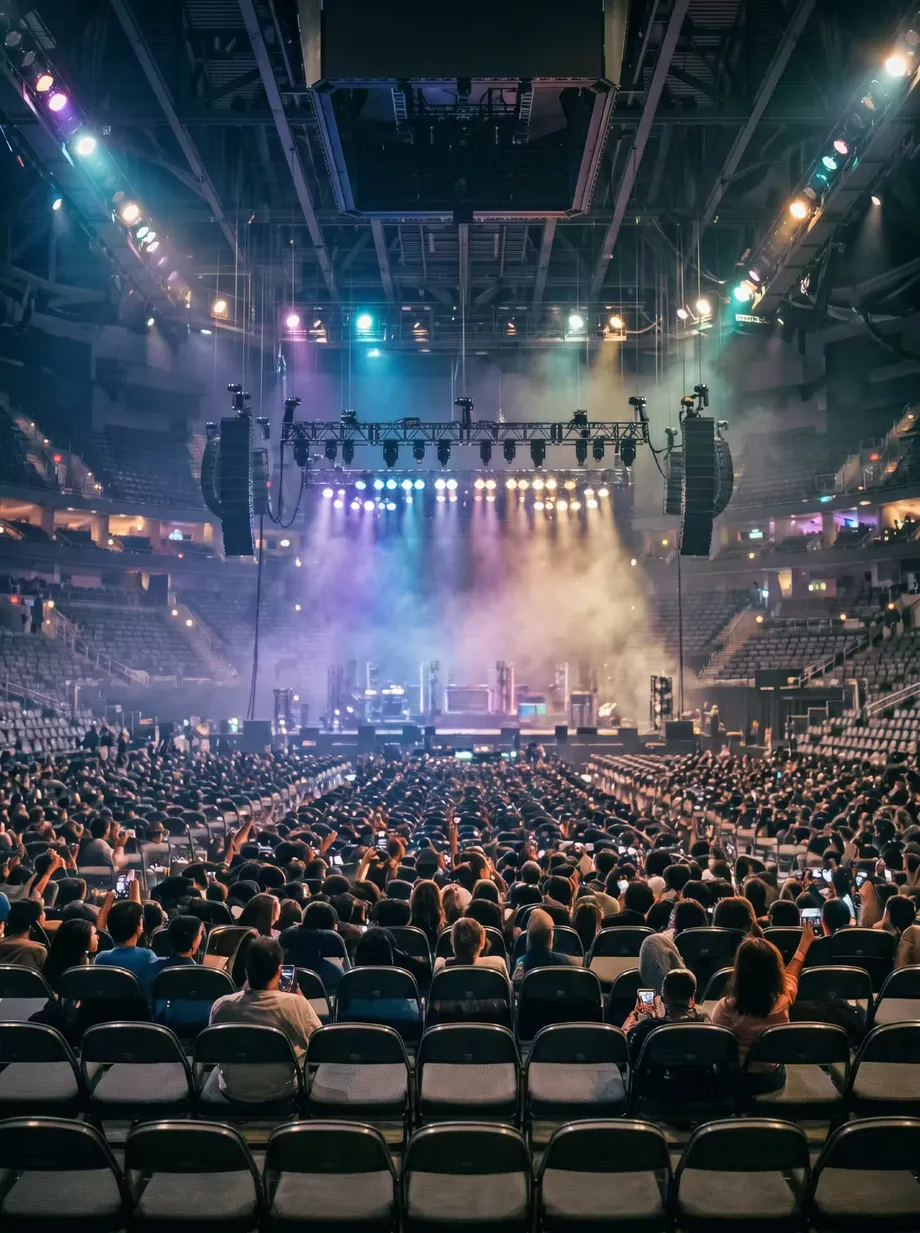
Hong Kong Box Office Limited put total cinema revenue for 2025 at approximately HK$1.13 billion, nearly 16% below 2024. The decline followed a 6% fall in 2024 compared with the previous year, extending the market's downward trend.
No Hong Kong film appeared in the top ten of the city's overall box office chart for 2025. International productions occupied the leading positions, with the Japanese animated film Demon Slayer: Kimetsu No Yaiba The Movie at the top.
Another World, an animated feature, was the highest grossing local production. Its receipts were roughly one tenth of those earned by The Last Dance, the previous year's local leader. That comparison shows how far the strongest local release of 2025 fell short of its predecessor.
Back To The Past opened on the final day of 2025. Its first week therefore extended into January, while the annual figures describe business across the preceding calendar year. The film's record debut and the weak annual total sit alongside each other because they cover very different stretches of time.
Fewer cinemas and a changing audience
At least 10 Hong Kong cinemas have closed since the beginning of 2024. The city now has 52 operating cinemas, compared with 72 in 1999, even though its population has grown by more than 8% over that period.
Those figures amount to 20 fewer cinemas than in 1999. Operators have faced high rents in the Asia-Pacific region, changing consumer habits and the aftermath of prolonged closures during the COVID-19 pandemic.
The sequence of events helps explain why a single successful release arrives amid such concern:
- 1999: Hong Kong had 72 operating cinemas.
- 2001: TVB aired A Step Into The Past, the drama that later supplied the characters and cast for Back To The Past.
- 2023: Ho Cheuk-tin won the Hong Kong Film Awards prize for Best New Director for The Sparring Partner.
- 2024: Annual box office revenue fell 6% from the previous year. At least 10 cinemas have closed since the start of that year.
- 2025: Total box office revenue fell nearly 16% to approximately HK$1.13 billion.
- New Year's Eve: Back To The Past opened, earning more than HK$10.9 million on its first day.
- January 2026: Eric Tsang announced that he would leave his role as TVB general manager and return to filmmaking.
The cinema closures reduce the number of venues available to show films. At the same time, the fall in ticket revenue leaves the remaining operators competing in a smaller market.
Familiar faces and the next generation
Louis Koo, who also produced Back To The Past through his company One Cool Group, has identified a "generational gap" in Hong Kong cinema. Audiences are often willing to buy tickets for familiar faces, he said, making it difficult for newer actors to secure leading roles.
The same audience loyalty that helps a reunion film succeed can restrict opportunities for performers still building recognition. The industry needs new actors to gain experience and become established, while investors and producers face pressure to choose names that already attract paying viewers.
Local television drama producers are also struggling to create fresh content and attract new talent. Falling viewership and competition from streaming platforms have made the small screen a more difficult source of new stories and performers for cinema.
Back To The Past benefits from a television production that built its following in 2001. Repeating that route requires television dramas capable of creating similarly strong connections with audiences, at a time when the television business itself is under pressure.
Award winners and crew members seek other work
Ho Cheuk-tin won the Best New Director prize at the Hong Kong Film Awards in 2023 for The Sparring Partner. Despite that recognition, he has not worked on a film production in almost three years, with dwindling investor interest pushing him to find income elsewhere.
Ho said his main earnings last year came from appearing in ViuTV drama series and reality shows rather than directing. He considers himself fortunate compared with peers who have been unable to find alternative work.
Louis Koo described the production climate as "scary" during an appearance on a ViuTV programme. The actor and producer expressed concern about how dependent filmmaking had become on public investment:
Maybe all films can only start rolling when they receive government investment,
Curry Hui, a camera technician who entered the industry in 2007, has experienced the decline through the changing mix of his jobs. Film productions once accounted for 70% of his work. Their share has fallen to 40%, with television and YouTube videos filling part of the gap.
Hui began driving for Uber during the pandemic to support himself and continues doing so between film projects. His experience shows how the shortage of productions affects workers beyond directors and stars: even experienced technicians are combining film assignments with other sources of income.
The missing middle in film budgets
Rick Lau, a director of photography, said Hong Kong cinema had lost its "bread and butter." He described a market divided between large blockbusters employing a small, elite group and small productions working with very limited money.
Lau summed up his concern about that budget divide:
This has created an unhealthy industry,
Films with budgets between those extremes provide work for a broader range of professionals. Their absence leaves fewer opportunities for crew members to practise their craft and earn a living wage, even when a major production succeeds.
Cecilia Then, a production manager, put basic daily operating costs at about HK$200,000. When budgets cannot cover that level of spending, departments compete for resources needed to complete their work.
Pressure on those resources can affect the finished film's quality and lead to poor reviews. Weak profits then discourage further investment, creating a cycle in which limited funding makes commercial success harder, and disappointing returns make the next production harder to finance.
Funding delays, permits and creative concerns
Angus Chan, a producer, said investors have become "careful with their calculations." Many are reluctant to put money into a project until it has secured government backing through programmes such as the Film Production Financing Scheme (FPFS).
Government financing can help a production move ahead, but applications take time. Authorities often spend four to six months assessing pitches, delaying projects and making it difficult to maintain momentum while producers seek the rest of their funding.
Ho Cheuk-tin and Louis Koo have also called for smoother cooperation with authorities over filming permits and access to public spaces. Restrictions on shooting locations and available filming time add administrative pressure to productions already managing tight budgets.
Creative freedom is another concern. Four titles were dropped from the Hong Kong Film Awards contenders list, prompting concern about censorship and the range of stories filmmakers can tell. Restrictions of that kind can make investors more cautious about projects that push boundaries.
The funding process and filming rules affect different stages of production. A project needs investors before cameras begin rolling, then workable access to locations during shooting. Delays and restrictions at either stage place further demands on the money available.
Competition extends beyond Hong Kong
South Korea, Indonesia and Thailand feature prominently in discussion among film enthusiasts about Hong Kong cinema's decline. Social media users have described those industries as overtaking Hong Kong in recent years, particularly in action and other genre films.
One Reddit user's question captured concern about finding a successor to the city's earlier generation of stars:
Where is the next Chow Yun Fatt?
Other users argued that newer actors lack the rugged charisma associated with performers such as Andy Lau and Tony Leung. Those comments reflect audience perceptions of the talent gap, alongside the concern Koo has expressed about opportunities for unfamiliar faces.
The global rise of Korean cinema and the quality of Thai filmmaking have increased competition for international attention. Streaming platforms also give viewers access to large libraries of films and programmes from around the world.
Hong Kong productions are competing for both attention and a decision to visit the cinema. Back To The Past has found an audience through a distinctive reunion, while other local films face the task of attracting viewers without that same store of shared memories.
Veterans make room for new projects
Eric Tsang announced in January that he would step down as TVB's general manager to return to filmmaking. The veteran actor and director linked his decision partly to the difficulties facing Hong Kong cinema and to his wish to work with a new generation.
Tsang explained why he wanted to return after five years at the broadcaster:
Seeing how poorly Hong Kong's film industry is doing right now, I feel bad that I haven't contributed to it while at TVB for the past five years," Tsang said. "I hope to work with the industry's new directors and producers, mentor them, perhaps share some new ideas.
The Hong Kong-Asia Film Financing Forum (HAF) has recently unveiled its first batch of 17 projects in development. The forum connects emerging directors with established producers, including Stanley Kwan and Anthony Chen.
The selection includes Sasha Chuk's drama 131, about a masseuse and a construction worker, and Vincci Cheuk's 38.83, a comedy spanning generations. The projects bring different subjects and genres into a discussion otherwise dominated by shrinking revenues and the success of familiar characters.
Tsang's return and the forum's partnerships focus on giving newer filmmakers access to experience and support. No production or release dates were given for the selected projects. Their immediate place in the industry's response is as stories in development, alongside a current hit built on a television drama from 25 years earlier.
The Bottom Line
- Back To The Past earned more than HK$10.9 million on opening day and HK$45.4 million in its first week, setting Hong Kong's record for a Chinese language film debut.
- The film had collected US$8.2 million worldwide and reached more than a dozen countries as of January 25, 2026.
- Hong Kong's annual box office revenue fell nearly 16% in 2025 to approximately HK$1.13 billion, following a 6% decline in 2024.
- At least 10 cinemas have closed since the start of 2024. There are now 52 operating venues, compared with 72 in 1999.
- Filmmakers and crew members describe fewer jobs, a shortage of films with moderate budgets, cautious investors and delays in securing support.
- Eric Tsang plans to return to filmmaking, while HAF's first batch of 17 projects connects emerging directors with experienced producers.