Millions Need Care, Few Receive It
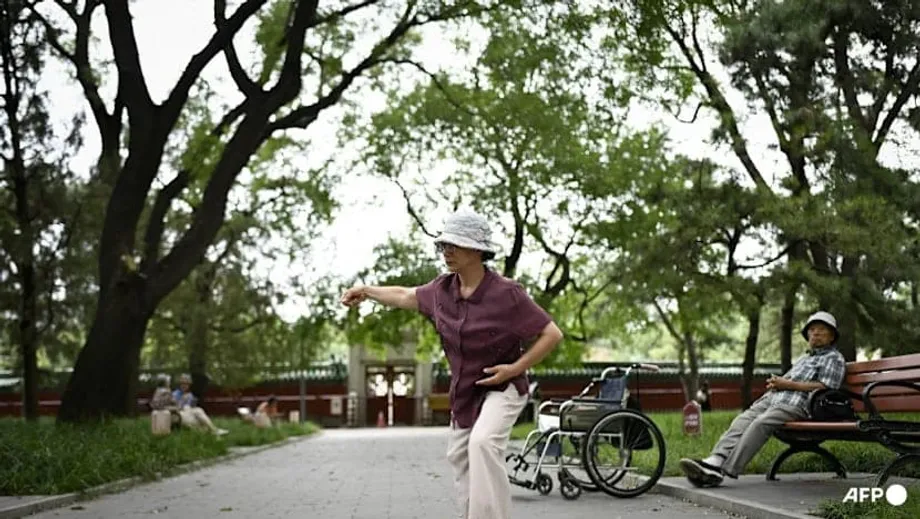
Fewer than 3 percent of patients who need palliative care in China receive it, according to industry estimates, even as people aged 60 and above account for approximately 23 percent of the population. By 2035, that age group is projected to exceed 400 million people, or 30 percent of the population. Services that relieve pain and support people with terminal illnesses are struggling to keep pace.
Contents
- Millions Need Care, Few Receive It
- Aging Is Reshaping the Demand for Care
- Care That Goes Beyond Medication
- Training Gaps Limit Access to Pain Relief
- Why Families Struggle to Discuss Death
- Art Opens a Conversation About Dying
- Pilot Programs Expand Across China
- Shenzhen Gives Patients a Legal Voice
- Children Receive Specialized Support
- Singapore Partnership Builds Professional Skills
- Pension Pressures Shape the Care Debate
- Investment Interest Meets Growing Medical Needs
- Key Points
China has about 1 million registered medical institutions, yet fewer than 5,000 have dedicated palliative care departments. Only approximately 36,000 are authorized to prescribe painkillers, and fewer than 18,000 stock intravenous pain medications, which are delivered directly into a vein. At Beijing Tsinghua Changgung Hospital, the palliative care ward has just eight beds.
Zhou Jiayi encountered that shortage when her father, a retired man aged 67, was diagnosed with adrenocortical carcinoma, a rare and aggressive cancer affecting the adrenal glands. She became his primary caregiver, but his worsening condition created demands she could no longer manage alone.
Her search led to Sereniturn Palliative Care, which provided medical supervision around the clock and psychological support at a facility in Hebei province. Social workers spoke with the family early, learning about her father's background and what they needed. Zhou described how that support helped her communicate with him:
They helped with processes like ways to communicate," she recalled. "Without the social workers' support, I do not think I could have done it.
Zhou's experience brings together two pressures facing the world's second most populous nation: growing numbers of older people and a medical system still developing the staff, facilities and skills needed to care for people approaching death.
Aging Is Reshaping the Demand for Care
China's demographic change is accelerating as life expectancy increases and birth rates fall sharply. In 2024, the population declined for the third consecutive year, dropping by 1.39 million to 1.408 billion. Deaths continued to outnumber births despite a modest increase in newborns.
The old age dependency ratio stood at just over 21 percent in 2024. This measure compares the number of older people with the number of adults of working age. Economists at the International Monetary Fund (IMF) project that the ratio will double by the early 2040s, increasing pressure on pensions and other social welfare spending.
By 2050, China's population of working age is expected to shrink by more than 200 million people. A figure attributed to the National Bureau of Statistics puts the population aged 65 and above at 220 million, or 15.6 percent of the total, by 2050. The projection of more than 400 million people by 2035 uses the broader age group of 60 and above.
Cancer and cardiovascular conditions are leading causes of death, adding to the care demands created by aging. China recorded 4.8 million new cancer cases in 2022, the highest number globally. Between 60 and 80 percent of patients with advanced cancer experience significant pain.
More than 10 million people die in China each year, and approximately two thirds could require palliative care. Families therefore need more than hospital treatment for disease. Many also need help controlling symptoms, making difficult decisions and supporting a relative through the final part of life.
Care That Goes Beyond Medication
Palliative care addresses physical suffering alongside psychological and family needs. The work described by Chinese practitioners includes pain relief, conversations about treatment, support for caregivers and attention to what patients want from their remaining time.
Chen Yan, a physician in the Palliative Care Department at Fuzhou First Hospital, explained that approach:
Palliative care is not about giving up on patients," explained Chen Yan. "It is about balancing the length and quality of life. It is about focusing on the patient, considering their wishes and addressing their needs.
At Beijing Tsinghua Changgung Hospital, Lu Guijun, director of pain management, has worked in palliative care for 27 years. His ward has cared for more than 300 patients since 2019. Staff have helped patients arrange photography exhibitions, farewell parties and final sips of a preferred beverage.
Lu described why those personal wishes belong alongside medical treatment:
People at the end of life need more than just medication," Lu emphasized. "They need a life that is calm, authentic and filled with love.
Zhou's experience at Sereniturn shows another part of that work. Social workers helped her navigate conversations and family needs while medical staff supervised her father's care. The service supported both the patient and the person who had been carrying much of the responsibility at home.
Training Gaps Limit Access to Pain Relief
Mainland China has yet to recognize palliative care as a fully established medical specialty. That leaves the field without systematic domestic training pathways, even as individual hospitals and professional organizations build their own programs.
Qin Yuan, director of the palliative care department at Beijing Haidian Hospital, has watched the field develop and described the growing demands on practitioners:
"Over time, we have deeply felt the need to become more professional and more capable of truly helping patients," she explained.
Qin said advancing the discipline remains difficult without formal specialty status. Medical education has historically concentrated on treating physical illnesses with the aim of curing them, leaving less preparation for managing terminal conditions and discussing care near death.
A 2015 survey of 201 doctors found that 66 percent did not fully understand morphine dosage protocols. Morphine is an opioid analgesic, a medicine used to relieve pain, and opioid analgesics are the most widely used palliative painkillers worldwide. Gaps in knowledge contribute to extremely low consumption in China.
The facility figures show how access narrows at each stage. About 3.6 percent of China's 1 million registered medical institutions are authorized to prescribe painkillers, based on the reported total of approximately 36,000. Fewer than 1.8 percent stock intravenous pain medications, while fewer than 0.5 percent have a dedicated palliative care department.
Why Families Struggle to Discuss Death
Many Chinese families find it difficult to discuss death openly. Hospice services can be associated with abandoning hope, while traditional expectations place responsibility on relatives to pursue every possible treatment. The saying that it is "better to live a wretched existence than to experience a good death" captures that pressure.
Patients with terminal illnesses may consequently undergo aggressive interventions, including transfers to intensive care units (ICUs), where tubes and machines are used in efforts to prolong life. Relatives face decisions about treatment while also carrying emotional distress and a sense of family duty.
Lu Guijun has sought to change how people approach those decisions. The pain management director at Beijing Tsinghua Changgung Hospital expressed his view this way:
"We cannot control when life begins, but we can choose how we think about death," he stated.
For practitioners, conversations about a patient's wishes are part of care itself. The work requires communication skills as well as medical knowledge, particularly when a family is weighing continued interventions against comfort and the patient's preferences.
Art Opens a Conversation About Dying
Beijing's MACA Art Center has brought discussions of death into a public cultural setting. Its exhibition "Bringing Death Back to Life" attracted thousands of visitors through installations, paintings and interactive displays focused on mortality and care near death.
One exhibit presented "Memorial Bears" made from the clothing of people who had died. Another recreated the sounds of ICU ventilators, illustrating how modern medical treatment can leave dying patients separated from human connection.
Jing Jun, a sociology professor at Tsinghua University, linked the difficulty of achieving a dignified death to a wider need for education:
When every family faces the dilemma of elderly care and end-of-life arrangements, a dignified departure becomes a luxury, and that is not a good sign. It reflects our lack of death education.
The exhibition and hospital efforts address related problems. Families need services when illness becomes severe, but they also need room to discuss mortality before a crisis makes communication harder. Cultural initiatives are helping bring those conversations into public life.
Pilot Programs Expand Across China
The National Health Commission issued basic standards, management norms and practice guidelines for hospice care centers in 2017. The documents formed the foundation for government efforts to build services and develop models that could be repeated elsewhere.
Five locations, including Beijing's Haidian District and Shanghai's Putuo District, were designated as national pilot centers that year. By 2023, the initiative covered 185 cities and districts across multiple provinces, promoting care in hospitals, communities and homes.
Beijing set a target for every district to have at least one hospice care center with no fewer than 50 beds by 2025, with a citywide goal of 1,800 beds. Those figures describe the municipal targets; completion figures were not given.
The main steps in the expansion include:
- 2017: The National Health Commission issued hospice standards and guidelines, and five locations began national pilots.
- 2017: Beijing Children's Hospital launched the Daisy Home children's hospice initiative.
- 2022: Shenzhen passed legislation recognizing living wills for patients approaching death.
- 2023: National hospice pilots reached 185 cities and districts.
- 2025: Beijing's deadline for its district hospice centers and citywide target of 1,800 beds.
- February 2026: A partnership involving Beijing Haidian Hospital, Singapore's Tan Tock Seng Hospital and the Lien Foundation launched a program to train more than 1,000 healthcare professionals over three years.
The expansion brings several ways of delivering care into the same policy effort. Hospital wards provide one setting, while community services and care at home offer other routes for reaching patients and their families.
Shenzhen Gives Patients a Legal Voice
Shenzhen became the first Chinese city to pass legislation in 2022 allowing terminally ill patients to decline excessive lifesaving treatment. Its regulations explicitly recognized the right to a dignified death.
Medical agencies must respect patients' living wills concerning resuscitation, equipment that sustains life and treatment of the main disease near death. A living will records a person's wishes about medical care so those preferences can guide decisions.
Shenzhen's rules mark a shift toward individual patient rights in a setting where families have traditionally played a central role in medical decisions. They give patients a formal way to state which interventions they want as their illness reaches its final stages.
The legal change sits alongside the work of social workers and palliative care teams. Zhou's experience illustrates how professional support can help families communicate, while Shenzhen's framework gives treatment preferences a place in medical decision making.
Children Receive Specialized Support
The Daisy Home initiative, launched in 2017 at Beijing Children's Hospital, established China's first pediatric hospice ward organized around a family style setting. It works with facilities across multiple provinces.
The program has accompanied 900 children through their final moments. Its teams bring together healthcare professionals, social workers, psychologists, music therapists and volunteers.
Daisy Home extends the developing hospice system to children and their families. Its mix of medical, emotional and social support reflects the same broad approach seen in adult palliative care, while providing a setting designed around children.
Singapore Partnership Builds Professional Skills
Beijing Haidian Hospital began a collaboration earlier in February 2026 with Singapore's Tan Tock Seng Hospital (TTSH) and the philanthropic Lien Foundation. Through the Lien Collaborative for Palliative Care, more than 1,000 Chinese healthcare professionals from at least 18 medical institutions will receive training over three years.
The curriculum covers symptom management, therapeutics and communication through exchanges conducted in person and online workshops. Therapeutics concerns the treatments used to manage illness and symptoms.
Neo Han Yee, head of palliative medicine at TTSH, described how Chinese participants would adapt what they learned:
They are looking at our sharing as a platform whereby they can learn what regional standards are, and how we practise palliative care in Singapore. They will then adopt what they can, aligning with their cultural context, laws, ethics and financing structure.
Other international training programs have already reached Chinese practitioners. The Beijing Advance Care Planning Association introduced Quality End of Life Care for All, developed by St. Christopher's Hospice in the United Kingdom. The program has been conducted ten times nationwide.
Project HOPE and the Hubei Provincial Nursing Quality Control Center have trained 181 trainers since 2017 through a Training of Trainers approach. Those participants subsequently reached more than 18,000 healthcare professionals through education delivered by peers. Training instructors who then teach colleagues allows a program to reach beyond its original group.
Domestic nursing education is also changing. Hospice care is now included in national textbooks for undergraduate nursing programs, and three universities enroll master's students specializing in hospice and palliative care. The Chinese Nursing Association has certified 1,443 nurses through a program combining four weeks of coursework with four weeks of clinical practice.
Pension Pressures Shape the Care Debate
The IMF projects that public pension spending could rise from approximately 5 percent of gross domestic product (GDP) in 2024 to more than 15 percent by 2050 if existing pension rules remain unchanged. GDP measures the value of goods and services produced in an economy, so the percentage indicates how much of that economic output pension spending represents.
A shrinking workforce could slow annual economic growth by roughly 2 percentage points. National savings rates may also decline as retirees draw down their assets. Those changes would accompany rising demand for medical services and support for older people.
China's retirement age reform, adopted in 2024, will gradually raise the retirement age for men to 63 and increase retirement ages for women. The IMF estimates that it will add 0.2 percentage points to annual GDP growth and bring pension spending in 2050 to 11.9 percent of GDP, compared with 15.3 percent without reform.
The difference between those spending projections is 3.4 percentage points of GDP. Officials recognize that further measures, including additional retirement age increases and changes to benefit formulas that reflect longer life expectancy, will be necessary for lasting financial stability.
Investment Interest Meets Growing Medical Needs
China's spending on healthcare per person reached approximately 2,500 yuan, or US$365, in 2024, compared with nearly US$6,000 across countries in the Organisation for Economic Co-operation and Development (OECD). The gap points to room for expansion in medical services, facilities for older people and specialized care.
Chinese officials have signaled openness to foreign investment in healthcare, particularly care for older people, rehabilitation and specialized medical services. Policymakers have described demographic demand as undergoing "explosive growth".
Liu Baocheng, director of the Center for International Business Ethics at Beijing's University of International Business and Economics, described the breadth of potential investment:
From senior homes to the tomb, there is a large potential that needs to be further tapped.
The expanding silver economy, meaning goods and services for older people, sits alongside the financial strain caused by aging. As delegates gather for the annual Two Sessions political meetings, healthcare development is among policy priorities alongside telecommunications and education reforms.
China's challenge is to turn policy targets, training and investment into care that families can obtain when they need it. The eight beds at Beijing Tsinghua Changgung Hospital and the wider shortage of dedicated departments show the scale of that task. Shenzhen's legal changes, national pilots, nursing programs and international partnerships are building parts of a broader system as demand continues to rise.
Key Points
- People aged 60 and above account for approximately 23 percent of China's population and are projected to exceed 400 million, or 30 percent, by 2035.
- Industry estimates suggest fewer than 3 percent of patients who need palliative care receive it.
- Fewer than 5,000 of China's approximately 1 million registered medical institutions have dedicated palliative care departments.
- Mainland China has yet to recognize palliative care as a fully established medical specialty, leaving gaps in systematic training.
- National hospice pilots expanded from five locations in 2017 to 185 cities and districts by 2023.
- Shenzhen's 2022 legislation requires medical agencies to respect living wills concerning treatment near death.
- Daisy Home has supported 900 children through their final moments since its launch in 2017.
- The February 2026 partnership with Singapore aims to train more than 1,000 Chinese healthcare professionals over three years.
- The IMF projects pension spending of 11.9 percent of GDP by 2050 with the retirement reform, compared with 15.3 percent without it.
- Hospitals, social workers and cultural initiatives are seeking to make discussions of death and patient preferences more accessible.