Emergency Stocks Begin Moving as Japan Faces Supply Threat
Japan began releasing emergency oil reserves on March 16, 2026, launching the largest drawdown in its history as the Middle East war disrupted the shipping route on which its energy supply depends. The planned release of approximately 80 million barrels equals 45 days of domestic consumption, with oil from private inventories becoming available first and government stocks following in late March.
Contents
- Emergency Stocks Begin Moving as Japan Faces Supply Threat
- A Release Larger Than the Response to the 2011 Disaster
- Why the Strait of Hormuz Matters So Much
- How Japan Will Make the Oil Available
- A Global Response of 400 Million Barrels
- European Governments Combine Reserves With Price Measures
- Japan Holds Back From Naval Deployment
- Oil Above $100 Puts Fuel Prices Under Pressure
- From the Start of the War to the Next Release
- Key Points
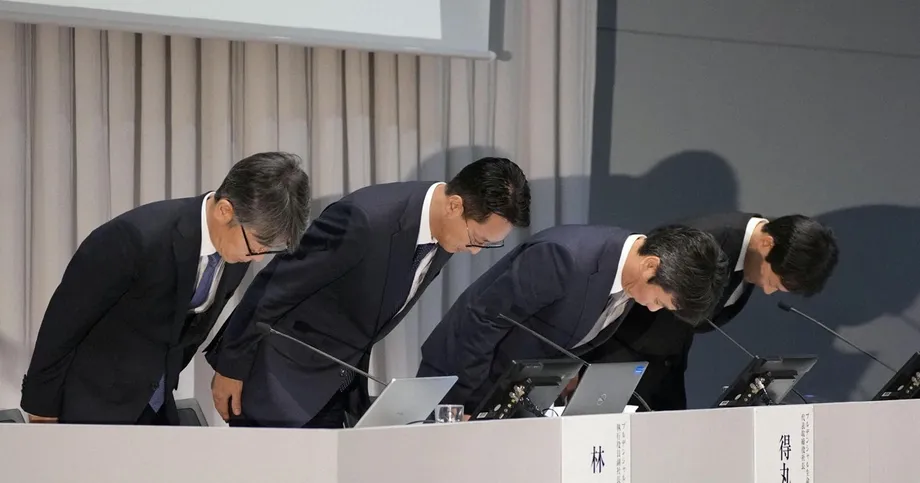
Prime Minister Sanae Takaichi announced that Tokyo would proceed without waiting for formal international coordination. Japan became the first major economy to deploy emergency stockpiles in the current crisis, moving ahead of the International Energy Agency's planned coordinated release as officials described an unprecedented threat to national energy security.
The immediate danger is the effective closure of the Strait of Hormuz, the narrow waterway connecting Persian Gulf oil producers with overseas buyers. Japan obtains approximately 96 percent of its crude oil imports from the Middle East, and nearly all those shipments have historically passed through the strait.
Chief Cabinet Secretary Minoru Kihara confirmed that the initial step would make 15 days of industry reserves available, followed by one month of government oil beginning in late March. For Japan, the world's fourth largest economy, the reserves provide a temporary source of supply while normal deliveries face severe disruption.
As of March 17, the response extended beyond releasing crude oil. Tokyo was also preparing subsidies to contain fuel prices, while resisting a request from United States President Donald Trump to send naval vessels to help reopen the strait. International agreement on using oil reserves had moved faster than agreement on military involvement.
A Release Larger Than the Response to the 2011 Disaster
The 80 million barrel plan marks the seventh time Japan has tapped emergency reserves since establishing its stockpiling system in the 1970s. Its size reflects the direct exposure of the Japanese economy to the interruption of Middle Eastern supplies.
Japan's planned drawdown is 1.8 times the volume released after the earthquake and tsunami that struck northeastern Japan in 2011. That disaster caused widespread devastation and a national emergency, yet the current energy crisis has prompted an even larger release of oil reserves.
The previous use of Japan's reserves came in 2022, when Tokyo joined an International Energy Agency coordinated response to Russia's full scale invasion of Ukraine. That crisis drove global prices higher and disrupted supply chains across Europe.
The current threat reaches Japan through the shipping route that carries most of its imported crude. Emergency reserves are oil stored for disruptions of this kind. Releasing them allows existing supplies to enter the market while new shipments are delayed or blocked.
Why the Strait of Hormuz Matters So Much
The Strait of Hormuz normally carries approximately 20 million barrels of crude oil and refined products each day, accounting for roughly one quarter of global oil trade transported by sea. It is the principal export route for Persian Gulf producers including Saudi Arabia, Kuwait, the United Arab Emirates and Qatar.
Since the conflict began on February 28, 2026, vessel traffic through the strait has fallen to less than 10 percent of its level before the war. The collapse has effectively choked off supplies to Asian markets, leaving economies that depend on imports facing an immediate supply shock.
The war between the United States, Israel and Iran has turned the shipping chokepoint into a combat zone. Iran effectively controls the waterway through its coastline along the northern shore, and tanker operators have halted or rerouted shipments.
Japan's dependence on the Middle East makes the disruption especially acute. When approximately 96 percent of crude imports come from one region, and nearly all those shipments use the same narrow passage, trouble at that passage quickly becomes a national supply problem.
Alternative routes cannot handle the quantities normally moving through Hormuz. Pipelines that bypass the strait lack the capacity to accommodate the millions of barrels stranded behind the blockade. Transport over land through neighboring countries also faces logistical and political obstacles.
Those limits explain why emergency stocks have become central to the response. Oil already held in storage can be made available without first moving through the disrupted waterway, while the loss of normal shipments continues to affect energy markets worldwide.
How Japan Will Make the Oil Available
Japan held approximately 470 million barrels in its reserve system as of December 2025, enough for 254 days of domestic consumption. That total comprised 146 days in national government reserves, 101 days held by the private sector and the remainder in joint stockpiling arrangements with oil producing countries.
The government's plan draws on both private and public inventories. Minister of Economy, Trade and Industry Ryosei Akazawa announced that the mandatory reserve requirement for refiners and trading companies would fall from 70 days of consumption to 55 days. Lowering that requirement authorizes companies to use 15 days of oil they previously had to keep in storage.
Government reserves will supply a further 30 days of consumption, with that release scheduled to begin in late March. Together, the two stages make up the planned 45 days of supply, or approximately 80 million barrels.
Akazawa also announced an unusual pricing measure: oil from national reserves would be sold to wholesalers at prices based on official selling levels before the war began. The aim is to cushion consumers and businesses against the full effect of the rise in global oil prices.
The minister left open the possibility that surplus refined products could be exported if domestic demand proved insufficient. Crude oil is processed into products such as gasoline and diesel, so the plan involves both supplying oil to the industry and managing the fuels produced from it.
A Global Response of 400 Million Barrels
The International Energy Agency announced that its 32 member countries would collectively release 400 million barrels from emergency stockpiles, the largest intervention in the organization's history. Member governments approved the action at an extraordinary meeting on March 11.
The decision marks the sixth collective release since the agency was founded in 1974. Japan moved first, but its national action sits within this broader effort to address a disruption affecting oil markets across the world.
Fatih Birol, executive director of the International Energy Agency, described both the scale of the disruption and the reason for a collective response:
The oil market challenges we are facing are unprecedented in scale, therefore I am very glad that IEA Member countries have responded with an emergency collective action of unprecedented size. Oil markets are global so the response to major disruptions needs to be global too.
Birol said member countries hold emergency stockpiles exceeding 1.2 billion barrels, with another 600 million barrels held by industry under government obligations. These are supplies already stored, allowing governments to respond when the usual flow of oil is interrupted.
The agency said releases would begin immediately in Asia and Oceania, with contributions from the Americas and Europe following by late March. The staggered timing aims to maintain pressure on prices while supporting supply stability in different regions.
Japan's approximately 80 million barrels amount to one fifth of the 400 million barrels announced for the collective response. The comparison shows the scale of Tokyo's intervention within the wider emergency effort.
European Governments Combine Reserves With Price Measures
Germany announced plans to contribute 2.4 million metric tons of oil to the coordinated release. Economy Minister Katherina Reiche affirmed Berlin's commitment to collective solidarity as governments sought to ease the pressure on supplies.
Austria also indicated that it would participate. Alongside the release of reserves, it was implementing domestic controls limiting fuel stations to one price increase per day.
Austrian regulators described the concern as the rocket and feather effect: prices rise quickly during a crisis but fall slowly when conditions improve. Restricting the frequency of increases is a different intervention from releasing oil, addressing the way prices change at the point where consumers buy fuel.
France and Spain confirmed their participation as well. Spain's Energy Minister Sara Aagese said the recommended volumes would exceed twice the amount released during the Ukraine crisis. France's Economy Minister Roland Lescure described the announcements as part of an extremely coordinated approach, despite differences in national implementation schedules.
The European measures and Japan's plan combine two goals: making more stored oil available and limiting the speed or size of the price increases reaching households and businesses. National governments are using different tools while taking part in the same international release.
Japan Holds Back From Naval Deployment
President Trump urged countries including Japan, China, South Korea, France and the United Kingdom to send naval vessels to support efforts to reopen the Strait of Hormuz and escort commercial shipping. The request put governments that depend on the route in the position of weighing alliance obligations against the risks of entering an active conflict zone.
Japan's Defense Minister Shinjiro Koizumi told parliament on March 16 that the country currently had no plans to deploy military assets to the strait. Takaichi reinforced that position, saying potential measures remained under assessment within Japan's legal framework.
Japan's caution reflects constitutional constraints on military operations and domestic political sensitivities about involvement in Middle Eastern conflicts. Its immediate response has centered on reserves and consumer protection rather than a naval deployment.
Australia similarly ruled out sending naval support. South Korea and the United Kingdom indicated that decisions would require further review and consultation. The cautious response from traditional American allies contrasted with Washington's more aggressive position, creating tension within the international response.
Trump specifically pointed to China's dependence on shipments through Hormuz, suggesting that Beijing had a particular responsibility to help secure the route. As of March 17, no nation had committed military resources to breaking the blockade.
Oil Above $100 Puts Fuel Prices Under Pressure
Brent crude, a benchmark used in global oil pricing, rose above $100 per barrel in recent trading sessions, an increase of more than 40 percent since the conflict began. West Texas Intermediate futures also crossed the $100 threshold.
The sharp increases recalled previous oil shocks that drove inflation and slowed economic growth around the world. Oil prices affect more than the cost of filling a car: the Japanese response also covers fuels used for transportation and heating.
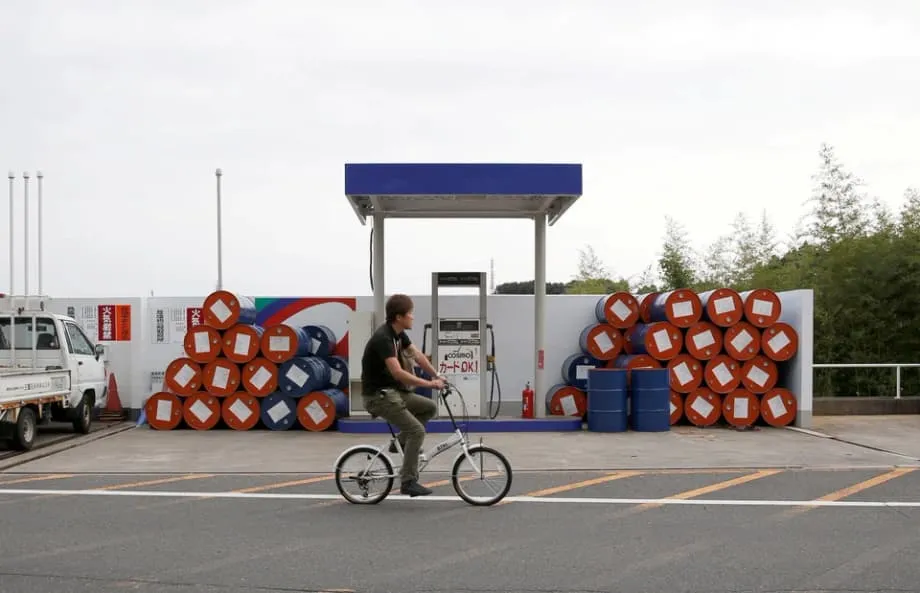
Japan's retail gasoline price rose by 3.3 yen to 161.8 yen per liter as of March 9. The government responded with emergency subsidies intended to cap the national average at approximately 170 yen per liter.
Authorities also allocated funds already committed to stabilizing prices for diesel, heavy fuel oil and kerosene. The measures seek to prevent the energy shock from spreading through the transportation and heating sectors.
Refiners had begun notifying customers of wholesale increases. Eneos Holdings was reported to be raising wholesale gasoline prices by 26 yen per liter for deliveries in mid March, adding pressure before the higher costs fully reached consumers.
The 3.3 yen rise in retail gasoline and the 26 yen wholesale increase concern different stages of the fuel market. Retail prices are what drivers pay, while wholesale prices are charged earlier in the supply chain. The gap points to further pressure on consumer prices in the coming weeks, even as subsidies and reserve sales aim to soften the impact.
From the Start of the War to the Next Release
The emergency response developed over just over two weeks, from the start of the conflict to Japan's first release. The next announced stage is the arrival of government oil in late March, alongside further contributions to the international effort.
- February 28, 2026: The Middle East conflict began. Vessel traffic through Hormuz subsequently collapsed to less than 10 percent of its level before the war.
- March 9: Japan's retail gasoline price stood at 161.8 yen per liter after a rise of 3.3 yen.
- March 11: International Energy Agency member governments approved a collective release of 400 million barrels at an extraordinary meeting.
- March 16: Japan began its emergency release, starting with 15 days of industry reserves. Koizumi told parliament there were no current plans to deploy military assets to the strait.
- Late March: Japan's release of 30 days of government oil is scheduled to begin, while American and European contributions to the international action are also expected.
Japan's policy addresses the crisis on several fronts. Private inventories provide the first supplies, government stocks follow, and subsidies seek to restrain fuel costs. The international release expands the amount of oil available across regions, while decisions about military involvement remain separate from the stockpile response.
Key Points
- Japan began releasing emergency oil on March 16, with approximately 80 million barrels planned, its largest drawdown and seventh use of reserves.
- The release equals 45 days of domestic consumption: 15 days from industry stocks and 30 days from government reserves beginning in late March.
- Japan relies on the Middle East for approximately 96 percent of crude imports, with nearly all those shipments historically passing through Hormuz.
- The strait normally carries approximately 20 million barrels daily, but vessel traffic has fallen below 10 percent of its level before the war.
- The International Energy Agency's 32 members approved a record collective release of 400 million barrels on March 11.
- Germany, Austria, France and Spain are participating, while some governments are also taking steps to limit fuel price increases.
- Japan has no current plans to send military assets to the strait, and no nation had committed resources to breaking the blockade as of March 17.
- Brent and West Texas Intermediate prices crossed $100 per barrel. Japan's subsidies aim to cap average retail gasoline at approximately 170 yen per liter.