A higher target after three years of strong wage gains
Japan's largest labor union federation, Rengo, has put a wage increase of around 6% at the center of its demands for the 2027 spring negotiations, while keeping 5% as the minimum target. The shift follows a 5.01% average settlement in 2026 and reflects concern that higher pay has yet to bring a clear improvement in many households' living standards.
Contents
- A higher target after three years of strong wage gains
- Why put 6% at the center?
- What the pay figures include
- Smaller companies face the widest bargaining gap
- Higher demands for contract and part time workers
- Why better pay has not yet brought confidence
- How the latest results compare
- A wage goal stretching to 2030
- When the next decisions arrive
- Key Points
The Japanese Trade Union Confederation adopted the basic framework at its central executive committee meeting on October 22, 2026. Its demands combine increases in basic pay with regular raises linked to seniority and years of service. The framework also calls for larger gains for workers at smaller businesses and for people employed on contracts or working part time.
Rengo will seek at least 6% for unions at smaller companies, 7% for workers in nonregular employment and a minimum hourly wage of at least 1,350 yen across employment categories. It also introduced a goal of lifting wages by around 15% from current levels by 2030.
The 2027 framework is scheduled for formal approval at a central committee meeting in early December. Individual unions will then develop their demands for negotiations with employers, whose responses typically begin arriving in March.
Why put 6% at the center?
Rengo has used a demand of at least 5% since the 2024 negotiations, making 2027 the fourth consecutive year with that minimum. Adding an explicit 6% central target gives unions a higher starting point while preserving the floor.
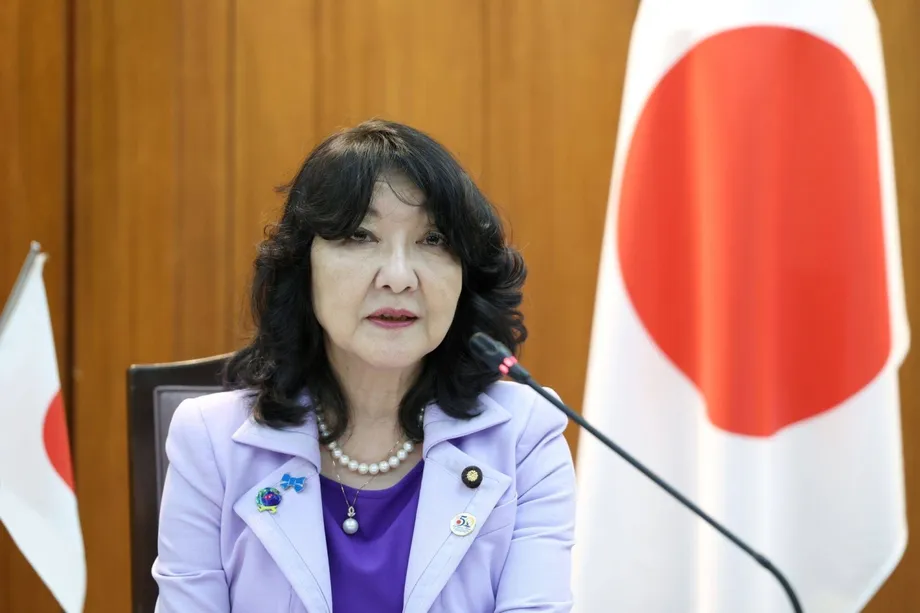
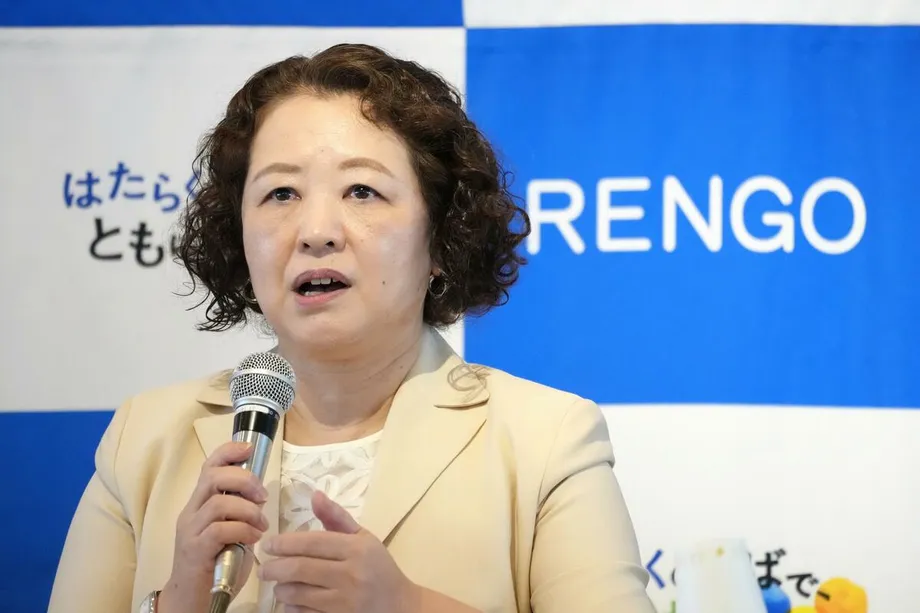
Tomoko Yoshino, Rengo's president, said the federation wanted the recent pattern of strong increases to continue. She described the progress at a news conference:
We've achieved wage increases of at least 5% for three consecutive years, and a norm of raising pay is beginning to take hold.
Akira Nidaira, Rengo's assistant secretary-general, said adding the 6% figure was intended to encourage affiliated unions to seek bigger increases. The wording also brings the headline target closer to what unions have already been asking employers to provide: average demands reached 5.94% in 2026.
The difference between a demand and a settlement matters for workers. Unions submit an opening request, employers respond, and negotiations determine the agreed increase. In 2026, the 5.94% average request produced a 5.01% average settlement, a gap of 0.93 percentage points. Setting a higher request is part of Rengo's strategy for securing an outcome above its minimum.
What the pay figures include
Rengo's total wage target has two components. A base pay increase lifts the underlying wage level. A regular increment raises an employee's pay as they move through an employer's wage structure, often through additional service or seniority.
The draft framework calls for base pay increases of at least 3%, ideally 4%, within the total demand of at least 5%, centered on 6%. Keeping those figures separate helps explain how much of the proposed increase would come from lifting wage levels rather than from employees moving through existing pay scales.
A 6% total target therefore combines several changes that may appear together in a worker's monthly salary. The composition matters because a higher basic wage can support earnings in later years, while a regular increment follows the rules already attached to a worker's position and service.
For employees, the amount eventually added to their pay will depend on the agreement reached at their workplace. Rengo sets a common direction for affiliated unions, while bargaining takes place across industries and individual companies.
Smaller companies face the widest bargaining gap
Workers at smaller companies secured an average increase of 4.69% in 2026, compared with demands averaging 6.64%. Their settlement was 0.32 percentage points below the 5.01% average for Rengo members, despite their higher opening request.
The gap between demands and settlements was also larger at smaller companies: 1.95 percentage points, compared with 0.93 points across the federation. Those figures show why setting an ambitious demand is only one part of the challenge facing unions trying to close differences in pay.
Rengo is retaining a demand of at least 6% for smaller company unions, unchanged from 2026. Its framework advises unions with fewer than 300 members to seek that level. Union membership is the threshold used in this guidance, rather than the total number of people employed by a company.
Smaller businesses face pressure from rising costs and labor shortages. Rengo wants wage gains to reach more of these workplaces, as well as industries outside manufacturing, rather than depending on large manufacturers to set the pace. A company struggling to recruit may need to offer better pay while also finding room in its finances to meet higher operating costs.
Higher demands for contract and part time workers
Rengo's 7% target for workers in nonregular employment is higher than both the general central target and the minimum sought at smaller companies. This group includes employees on contracts and those working part time.
The federation is keeping the same percentage target as in the 2026 negotiations. Its purpose is to narrow differences linked to employment status, alongside the separate effort to reduce the gap between larger and smaller businesses.
Rengo will also seek a minimum hourly wage of at least 1,350 yen regardless of employment status. That is 50 yen above its 2026 target of 1,300 yen, an increase of about 3.8% in the proposed hourly floor. This is a union bargaining objective; any change in workers' actual hourly pay will depend on the relevant wage decisions and agreements.
The percentage and hourly targets address different aspects of low pay. A percentage demand seeks growth from a worker's existing wage, while an hourly floor sets a minimum amount the union wants each hour of work to earn. For employees near the bottom of a pay scale, the starting level matters as much as the annual increase.
Why better pay has not yet brought confidence
Japan's real wages per worker rose for an eighth consecutive month in August, according to the Ministry of Health, Labor and Welfare's monthly wage survey. The increases agreed during the spring negotiations fed into wage data through the summer, while easing inflation also helped purchasing power.
Real wages measure what earnings can buy after allowing for changes in prices. A worker can receive more yen each month yet find little extra room in the household budget if food, utilities and other necessities also become more expensive.
Yoshino said Rengo wanted purchasing power to improve consistently, rather than relying only on large headline settlements. She set out the federation's concern:
But more needs to be done to put real wage growth on a sustained path of at least 1%,
Rengo's framework says few people feel that their living standards have improved. It also connects weak consumer spending with uncertainty about whether wages will keep rising. A household unsure about next year's income may remain cautious about spending even after receiving a raise.
The federation's answer is to spread increases across more workplaces and maintain growth above inflation. For households, that would mean a more dependable improvement in the amount left after paying for everyday needs.
How the latest results compare
Rengo members secured average wage increases of 5.10% in 2024, 5.25% in 2025 and 5.01% in 2026. All three rounds cleared 5%, sustaining wage gains at levels last seen in 1991.
The 2026 result was 0.24 percentage points below the 2025 outcome. Against that recent pattern, a settlement at the new 6% central target would be 0.99 percentage points above the latest average. Rengo is seeking to move beyond preserving the gains of the past three years.
Union demands exceeded 5.8% in each of those three rounds. The new language makes explicit a level of ambition that was already visible in bargaining requests, while making 5% the stated minimum.
Yukihiro Morita, senior economic analyst at Meiji Yasuda Research Institute, said the minimum sends a message about what workers should expect after several years of stronger settlements:
It sends a clear message that the strong wage gains of recent years should now be the baseline for further increases,
A wage goal stretching to 2030
Rengo's new medium term objective is to raise wages by around 15% from current levels by 2030. The federation wants that longer view to support continued increases beyond a single spring negotiating round.
Nidaira said the target assumes annual wage growth of 3% over the next four years, plus an additional 3% boost associated with investment policies under Prime Minister Sanae Takaichi's administration. Rengo also set a benchmark of 360,000 yen in monthly pay for an employee aged 35 at a medium sized company.
The framework links further wage growth to higher productivity, meaning more output or value produced for a given amount of work. In practical terms, investment that helps employees produce more can give businesses greater room to raise pay.
Takaichi has called for sustained wage gains that outpace inflation and a cycle of corporate investment, higher earnings and stronger consumption. The Bank of Japan also places weight on wages and prices reinforcing each other as it pursues a stable 2% inflation target and gradually raises interest rates.
The immediate test remains workplace bargaining. The longer target gives unions a direction through 2030, while the 2027 talks will determine how much progress employers agree to make in the next round.
When the next decisions arrive
Rengo's October framework starts a process that runs through winter and into the spring. The next scheduled decision is formal approval of the 2027 policy in early December, followed by more detailed demands from industry federations and workplace unions.
- 2024: Rengo began using an overall demand of at least 5%; the average settlement was 5.10%.
- 2025: The average settlement rose to 5.25%.
- 2026: Unions requested an average 5.94% and secured 5.01%.
- October 22, 2026: Rengo adopted its basic framework for 2027, centered on 6% with a minimum of 5%.
- Early December 2026: Formal approval of the 2027 bargaining policy is scheduled.
- Around February 2027: Affiliated unions typically submit their wage demands.
- March 2027 onward: Employers typically begin responding.
- 2030: Rengo aims to have lifted wages by around 15% from current levels.
The outcome for smaller workplaces and workers in nonregular employment will be especially important to Rengo's effort to spread pay gains. The federation is seeking both a stronger average settlement and a narrower gap between employees whose pay has risen at different speeds.
Key Points
- Rengo's 2027 wage demand centers on 6%, with at least 5% as the minimum.
- The draft includes base pay increases of at least 3%, ideally 4%.
- Smaller company unions are urged to seek at least 6%, while the target for nonregular workers is 7%.
- The proposed minimum hourly wage is 1,350 yen, up 50 yen from the 2026 target.
- Rengo members secured 5.01% on average in 2026; workers at smaller companies received 4.69%.
- Formal policy approval is scheduled for early December, ahead of bargaining in spring 2027.
- The federation's longer goal is wage growth of around 15% by 2030.