A Year Into Office, a 40 Trillion Yen Borrowing Target Faces Pressure
Japan's government is trying to hold new bond issuance near 40 trillion yen in its next annual budget while finding money for a proposed food tax cut, investment in strategic industries and a larger defense budget. The challenge comes as Prime Minister Sanae Takaichi reaches her first anniversary in office on October 21, 2026, after a year of sharp currency and bond market moves.
Contents
- A Year Into Office, a 40 Trillion Yen Borrowing Target Faces Pressure
- What Changed Between July and October?
- Why the Yen and Bond Yields Matter Together
- Takaichi Rejects the Reflation Label
- U.S. Pressure Adds Urgency
- Defense Expansion Needs a Lasting Funding Source
- Food Tax Relief and Investment Compete for Money
- The Bank of Japan Has Its Own Inflation Test
- Record Bond Demand Offers Some Breathing Room
- Key Points
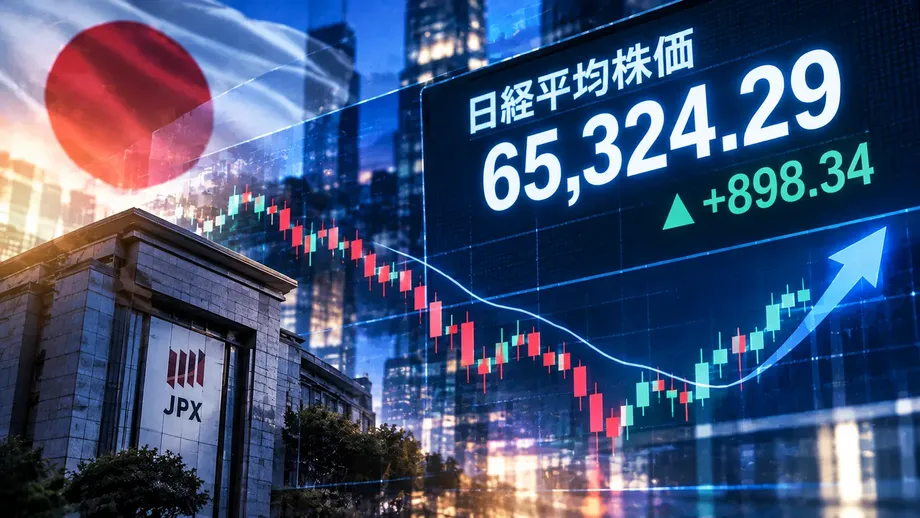
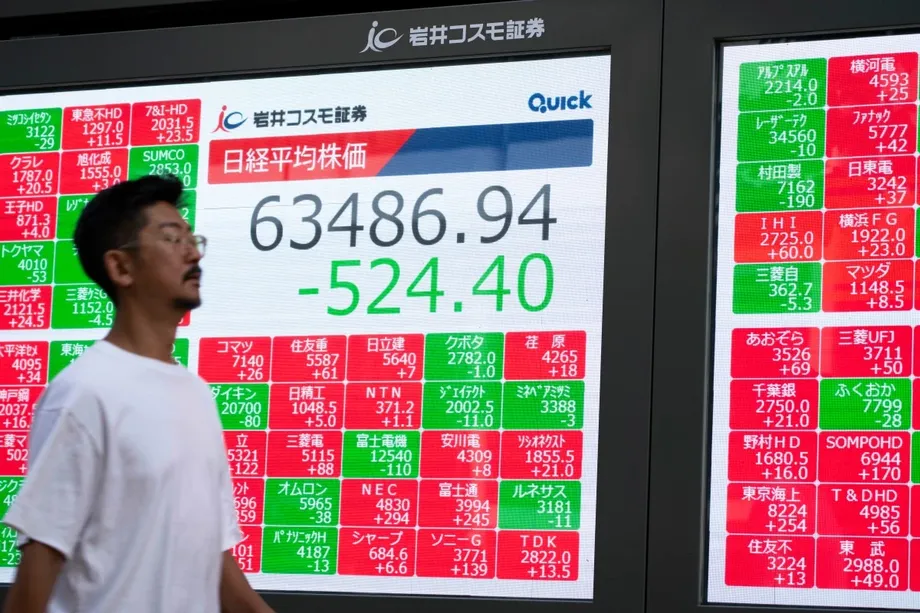
The yen weakened from around 151 per dollar when her administration began to almost 164 in late July, its weakest level in roughly four decades. Japan's benchmark government bond yield, which measures the return investors demand to lend to the state for 10 years, rose from around 1.6% to 3.115% in late September, its highest level in about 30 years.
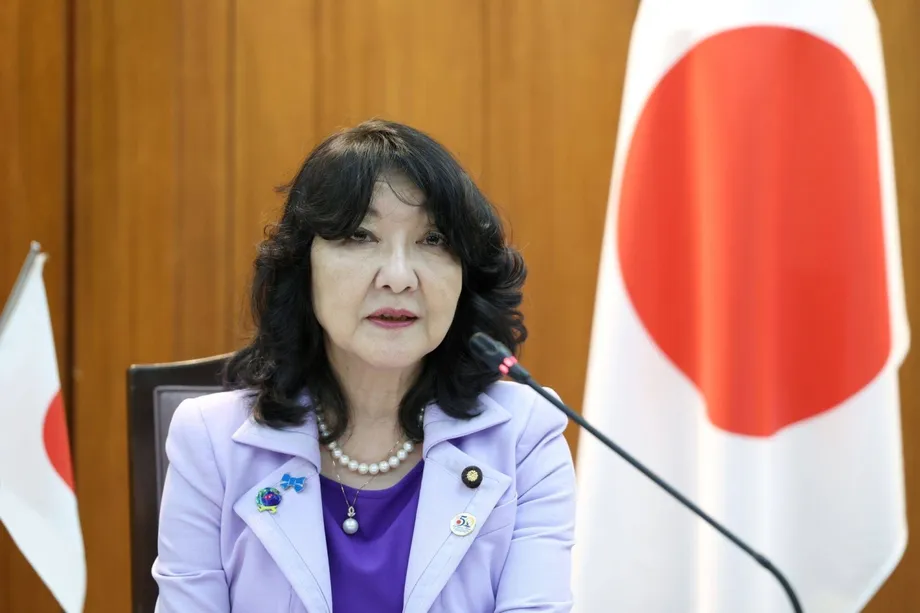
Takaichi rejects claims that her policies caused those movements. Her ministers are increasingly promising fiscal sustainability, meaning that spending, revenue and borrowing must remain manageable over time. Investors now await the budget decisions that will show how those promises fit with her signature policy of responsible and proactive fiscal spending.
There are signs of recovering confidence. An October 20 auction of government bonds maturing in 20 years attracted record demand. Yet the financing of several major initiatives is still unsettled, and the Bank of Japan's October 30 policy decision will provide another test of the relationship between government spending, inflation and interest rates.
What Changed Between July and October?
The Cabinet Office records that the government adopted its 2026 economic policy guidelines on July 21, following recommendations from the Council on Economic and Fiscal Policy. The document's subtitle presents 2026 as the first year of responsible and proactive fiscal policy, with a call to set Japan's ambitions in motion.
During preparation of that blueprint, draft wording interpreted as discouraging Bank of Japan interest rate increases helped trigger selling of Japanese government bonds. Investors worried that the government wanted both more spending and continued easy money at a time when inflation was already putting pressure on households.
The main developments unfolded over several months:
- July 21: The cabinet approved the annual economic and fiscal policy guidelines.
- Late July: The yen approached 164 per dollar, and Japan and the United States undertook coordinated purchases of yen.
- September 1: U.S. Treasury Secretary Scott Bessent said he had urged Japan to end reflationary policy.
- Late September: Japan's benchmark government bond yield reached 3.115%.
- October 19: Takaichi rejected criticism of her economic management in Parliament and pledged to control bond issuance.
- October 20: An auction of government bonds maturing in 20 years drew record demand.
- October 30: The Bank of Japan is scheduled to announce its next policy decision and updated economic forecasts.
The next major fiscal decisions come toward the end of 2026, when the government prepares the budget for the financial year beginning in April 2027 and a new defense spending plan covering five years.
Why the Yen and Bond Yields Matter Together
A weaker yen makes imported fuel, food and raw materials more expensive in Japanese currency. Higher import costs can reach household bills and business expenses, reducing the buying power of wage increases. Rising bond yields create a different pressure by making new government borrowing more expensive and influencing financing costs elsewhere in the economy.
Bond prices and yields move in opposite directions. When investors sell existing bonds, their prices fall and the return available to a new buyer rises. Investors may demand that higher return because they expect more inflation, more bond issuance or higher central bank interest rates.
Japan faces all three concerns. Takaichi's spending and tax plans have drawn scrutiny, while stronger global inflation pressures and expectations of further Bank of Japan rate increases have also pushed yields upward.
Toru Suehiro, chief economist at Daiwa Securities, argues that international conditions help explain Japan's borrowing costs. Using the relationship between Japanese and U.S. yields from the start of 2026 through August, he calculated a Japanese benchmark yield of about 3.36% when the comparable U.S. yield was 5.07%. The actual Japanese yield in his analysis was 2.93%, or 0.43 percentage points lower. His assessment is that excessive fiscal anxiety has eased, although coming budget decisions still carry risks.
Takaichi Rejects the Reflation Label
Takaichi addressed criticism directly in Parliament on October 19. The prime minister referred to claims linking her name to the weak currency and higher interest rates:
Up until now, I've been criticised a lot for things, like 'Takaichi's weak yen' and 'Takaichi's high interest rates'.
She then rejected that description of her record:
I categorically reject those claims.
Her government says a stronger economy and sustainable public finances will help restore confidence in the yen. Finance Minister Satsuki Katayama has said Takaichi is not a reflationist, while economic policy minister Minoru Kiuchi said in September that Japan no longer needs reflationary policy.
Reflation means using government spending and easy monetary policy to stimulate demand and encourage prices to rise. The government's recent language puts more weight on investment that expands what Japan can produce, rather than simply encouraging people and companies to spend more.
Toshihiro Nagahama, chief economist at Dai-ichi Life Asset Management Economic Research Institute and a private sector member of the economic policy council, says investors have misunderstood that intention. He says the council has not been discussing monetary policy and that Takaichi has instructed officials to scrutinize budget requests rigorously.
Takahide Kiuchi, executive economist at Nomura Research Institute and a former Bank of Japan policy board member, offers a different assessment. He considers the market response a natural reaction to perceived fiscal risks. He sees greater respect for the central bank's independent judgment and a desire to restrain bond issuance, but says the budget outcome will show whether fiscal policy has actually changed.
U.S. Pressure Adds Urgency
Washington's involvement has made Japan's policy debate an international issue. Bessent was concerned that selling of Japanese assets could spread to U.S. government bonds, especially if Japanese institutions or authorities sold overseas holdings as the yen weakened.
The two governments responded with their first joint yen buying operation since 1998. The currency recovered to around 155.23 per dollar by the Monday following the intervention, compared with nearly 164 in July. The operation gave investors a reason to consider the possibility of further coordinated action.
Bessent subsequently pressed for earlier Bank of Japan rate increases and said on September 1 that he had urged Japan to end reflationary policy. President Donald Trump also expressed concern about yen weakness during a September 22 meeting with Takaichi.
Currency purchases can strengthen the yen quickly by creating demand for it. The longer lasting incentives facing investors also depend on interest rates, inflation and confidence in government finances. Japan's administration is therefore trying to address both its policies and how investors understand them, including by making more information available in English.
Defense Expansion Needs a Lasting Funding Source
Katayama has said no decision has been made on financing the expected defense spending increase. On Tuesday, the finance minister described the principles guiding that work:
As for how to finance this, we will consider the necessary measures, giving due consideration to fiscal sustainability, ensuring stable sources of funding.
The new defense plan expected at the end of 2026 could total 70 trillion to 80 trillion yen over five years, according to estimates attributed to administration officials. That would average 14 trillion to 16 trillion yen annually, although the eventual yearly allocations and coverage have yet to be decided.
Japan spent roughly 11 trillion yen, or 1.9% of gross domestic product, on defense and broader security activities in the last financial year. That figure included spending such as coast guard operations. The government is also considering eventually raising defense spending to 3.5% of GDP, but has not adopted that level as a final spending decision.
An additional corporate tax increase is among the funding options under discussion. Tax increases can provide recurring revenue for recurring spending, but they bring political costs. An income tax increase included in former Prime Minister Fumio Kishida's defense funding package was repeatedly postponed and is due to begin in 2027.
The fiscal debate accompanies a wider argument over Japan's military role. The government's April decision to loosen restrictions on lethal weapons exports helped prompt May antiwar demonstrations, including a gathering estimated at 50,000 people in Tokyo. Katayama says decisions on defense spending will reflect Japan's own independent judgment.
Food Tax Relief and Investment Compete for Money
The proposed budget also includes a consumption tax cut on food lasting two years and an investment program for strategic industries lasting 14 years. Both require funding alongside defense commitments, making the target of keeping new bond issuance around 40 trillion yen difficult to meet.
Suehiro identifies four decisions that investors will watch: how the food tax reduction is funded, the size of a second supplementary budget for the current financial year, the initial budget for 2027 and the government's fiscal direction over several years.
Energy subsidies could add another spending demand. On October 18, Liberal Democratic Party deputy secretary general Koichi Hagiuda called for consideration of support for electricity and gas bills toward the end of the year. Summer subsidies had ended from October. Reserve funds could support renewed assistance, while a larger package might require a supplementary budget.
Suehiro considers growth investment of around 10 trillion to 15 trillion yen potentially acceptable to markets if it shifts spending previously placed in supplementary budgets into the initial annual budget. That range is his assessment, rather than an announced government allocation.
Tama University visiting professor Akio Makabe argues that restoring confidence requires policy decisions matching the government's promises. He points to continued yen weakness and rising yields after Takaichi's October 5 policy speech. For households, he warns, the costs can appear through import prices, mortgage rates and changes in pension and insurance investment returns.
The Bank of Japan Has Its Own Inflation Test
Bank of Japan Governor Kazuo Ueda told Parliament that underlying inflation was close to the bank's 2% target. Underlying inflation refers to the more persistent price trend that policymakers try to identify beneath temporary changes in particular goods.
Ueda cited higher raw material costs linked to the Middle East conflict, a tight labor market and a moderate economic recovery. Strong global demand for artificial intelligence was also supporting Japanese investment and exports while adding to price pressures.
The governor warned that delaying interest rate adjustments could raise longer term borrowing costs by encouraging expectations of excessive inflation:
With underlying inflation approaching 2% and financial conditions remaining accommodative, failing to adjust our policy rate appropriately could push up long-term interest rates by stoking market concern over an inflation overshoot.
Ueda also said investment that increases productive capacity could moderate inflation over time. This gives practical importance to the government's claim that its spending will expand supply: new production capacity takes time to develop, while spending can stimulate demand sooner.
Markets expected the bank to hold its policy rate at 1.25% on October 30, following an increase in September, with a possible rise to 1.5% in December. Pricing around the October 20 bond auction implied only about a 6.2% chance of an increase at the October meeting.
The International Monetary Fund has urged continued monetary tightening and a fiscal framework covering several years. Krishna Srinivasan, director of its Asia and Pacific Department, identified uncertainty about financing additional spending and tax cuts as a source of fiscal concern.
Record Bond Demand Offers Some Breathing Room
The October 20 auction attracted bids equal to 5.84 times the amount of bonds offered, compared with 4.01 at the previous sale and an average of 3.73 over the preceding 12 months. The yield on government bonds maturing in 20 years fell by as much as 0.06 percentage points to 3.710% after the result.
Ryutaro Kimura, senior bond strategist at BNP Paribas Asset Management, attributed the recovery in domestic investor demand to high yields and easing fiscal concerns. Fukoku Mutual Life Insurance said it saw room to shift somewhat more from foreign bonds into yen bonds.
Japanese life insurers manage about $2.5 trillion, with roughly a quarter invested overseas. Their investment decisions matter both for Japanese borrowing costs and for foreign markets. Ministry of Finance figures cited in October showed Japanese investors had sold more than 5 trillion yen of foreign bonds on a net basis during 2026, with life insurers accounting for about 289 billion yen, less than 6% of that total.
Keita Matsumoto, head of financial markets at SMBC Nikko Securities, describes insurers as cautiously buying Japanese bonds as yields rise. Deutsche Bank strategist Shoki Omori similarly expects measured purchases rather than a broad sale of foreign holdings. The strong auction gives the government breathing room, while the October 30 central bank decision and December budget choices will help determine the terms on which investors keep lending.
Key Points
- Takaichi's government aims to keep new bond issuance near 40 trillion yen while financing tax relief, industrial investment and defense expansion.
- The yen approached 164 per dollar in July, while the benchmark government bond yield reached 3.115% in September.
- Defense funding remains undecided, with a possible corporate tax increase under discussion.
- An October 20 auction of bonds maturing in 20 years attracted record demand, offering a sign of recovering investor appetite.
- The Bank of Japan's next policy decision is due October 30. The annual budget and a new defense plan are expected toward the end of 2026.