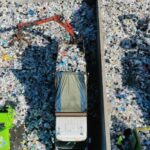
Inside the hidden tsunami of US electronics waste
Shipments of discarded American electronics are pouring into Southeast Asia despite national bans and weak infrastructure. A new investigation by the Basel Action Network, a nonprofit that tracks toxic trade, describes a hidden tsunami of waste moving in cargo containers each month. Phones, laptops, servers, screens, and printers contain recoverable copper, gold, and rare materials. They also come loaded with lead, cadmium, mercury, and brominated flame retardants that threaten people and ecosystems when handled without controls.
- Inside the hidden tsunami of US electronics waste
- How the trade works and why it persists
- Southeast Asia bears the cost
- What happens in informal scrapyards
- From China’s waste ban to a regional influx
- Are these exports legal
- Economic drivers and the waste colonialism debate
- Possible fixes and what to watch
- What to Know
Global e waste is rising far faster than it is formally recycled. The world generated a record 62 million metric tons in 2022, and analysts expect the total to reach about 82 million by 2030. Asia already produces nearly half of the global total. American exports add to that burden. About 2,000 containers, roughly 33,000 metric tons, of used electronics leave United States ports every month. Much of it does not go to licensed facilities. It is dumped in landfills or stripped in backstreet yards where workers breathe smoke and acid fumes without protection.
Investigators traced at least 10 United States companies that collect, trade, or broker used electronics into Asia and the Middle East. From January 2023 to February 2025, those exporters shipped more than 10,000 containers of potential e waste with an estimated value above 1 billion dollars. Industry activity likely tops 200 million dollars each month. Eight of the ten companies hold R2V3 certifications, a label meant to signal responsible recycling. Several firms dispute wrongdoing and say they follow rules, yet the containers keep arriving in countries that prohibit such imports.
How the trade works and why it persists
Exporting waste is cheaper than responsibly processing it at home. Containers of mixed electronics can be sold for quick cash, while labor, land, and compliance costs are lower in receiving countries. Traders often present shipments as reusable equipment bound for refurbishment. In practice, the loads are a mix. Some items power on, many are broken or obsolete. Importers harvest valuable parts and materials, then dump the rest. The gap between resale value and disposal costs drives the trade.
Brokers, loopholes, and mislabeled cargo
Specialized brokers consolidate truckloads of old devices, stack them in containers, and assign trade codes that do not always match the content. Records show descriptions like commodity materials or mixed metal scrap in place of electronic waste. Mislabeling can help shipments slip past customs and automated risk filters. Routing through transit hubs and free trade zones adds another layer that complicates tracking.
The Basel Convention, a global treaty governing hazardous waste movements, restricts or bans trade in many types of toxic scrap. Most Southeast Asian countries are parties to the convention and have national bans on importing foreign e waste. The United States has not ratified the treaty. That gap, combined with lax paperwork and weak enforcement, enables exporters to send cargo to destinations that do not permit it.
The certification debate
R2V3 certification sets rules for testing, data wiping, worker safety, and downstream control. It is designed to keep unrepairable items out of the export stream. The new findings show that certification alone does not guarantee responsible outcomes. Gaps appear when certified firms outsource logistics to third parties or when downstream vendors are not fully audited. A certificate on the wall does not reveal where the container goes once it leaves the loading dock.
Fixing that requires tighter audits, public reporting of downstream partners, and digital tracking of devices and containers. Certifications can help, but they must cover the entire chain of custody with checks that confirm where each load actually ends up.
Southeast Asia bears the cost
Malaysia has emerged as a primary destination for United States e waste. Imports arrive faster than authorities can inspect them. Many facilities that receive the cargo have no permits or pollution control. Officials recently confiscated shipments valued at about 118 million dollars and reported that most sites they inspected were illegal and lacked basic environmental safeguards.
Thailand has increased checks at ports and warehouses. In May, authorities seized 238 tons of e waste linked to cargo originating in the United States at Bangkok’s main port. Containers also land in Indonesia, the Philippines, and the United Arab Emirates. National laws ban or tightly restrict these imports, yet misdeclared loads still get through. Local communities then face piles of plastics and circuit boards that have no safe outlet.
The pressure overwhelms domestic systems built to manage locally generated waste. Municipal landfills receive toxic components that leach metals and persistent chemicals into soil and water. Informal recycling clusters spring up near ports and industrial parks, where residents report smoke from plastic burning, contaminated drainage canals, and illnesses that mirror known e waste exposures.
What happens in informal scrapyards
In informal yards, workers remove casings by hand, crack open cathode ray tube televisions and monitors, and pry chips from circuit boards with heat. To strip insulation from wires, they burn the plastic. To recover precious metals from boards, they use acid leaching and rudimentary smelting. These steps release lead dust, cadmium, and mercury vapors. They also generate a mix of hazardous byproducts that drift through neighborhoods and settle in waterways.
Health risks for workers and communities
Scientific studies identify precious metal recovery sites as hotspots for multiple contaminant groups. The list includes toxic metals, plastic additives, brominated flame retardants, polychlorinated biphenyls, perfluoroalkyl and polyfluoroalkyl substances, and residues like dioxins, furans, and polycyclic aromatic hydrocarbons. Micro and nano plastics are released when casings and cable sheathing are burned or shredded. Short term exposure can irritate eyes and lungs. Long term exposure is linked to neurological harm, developmental problems in children, and cancers.
Contamination does not stay inside the yard. Dust carries residues into homes and schools. Ash and acid waste enter streams used for irrigation and fishing. Livestock and crops can accumulate metals. These health burdens fall heavily on undocumented workers and nearby families with little access to medical care. The harm is preventable, but only if shipments stop and recycling is moved into controlled facilities with ventilation, filtration, and safe chemical handling.
From China’s waste ban to a regional influx
For years, a large share of the world’s low value scrap and secondhand goods moved into China, where vast recycling towns processed it. Pollution and public pressure led to controls that began in 2017 and culminated in a full ban on solid waste imports in 2021. The trade did not vanish. It shifted. Many operators relocated to Southeast Asia, bringing equipment, capital, and know how, but not the pollution safeguards that China had begun to enforce.
Regional data show that imports of waste surged after China’s policy change. ASEAN members saw sharp rises in plastic waste imports between 2016 and 2018. Similar patterns are visible in electronic scrap. Regulators in Southeast Asia, already stretched, struggled to keep up with new flows and new players. Exporters exploited gaps in licensing and enforcement across borders and within special economic zones.
Are these exports legal
Under the Basel Convention, hazardous waste shipments are tightly controlled and, in many cases, banned between certain country groups. Most Southeast Asian countries have ratified the treaty and have bans in national law. The United States is not a party. Many of the cargoes identified in trade records were declared under codes that do not match used electronics. Mislabeling undermines the prior consent process, hides true content, and violates the laws of receiving states.
United States rules allow some export of tested working equipment and certain materials. The line between a used product and a waste shipment is easy to blur. Broken or obsolete devices get packed with a smaller number of repairable items. Documentation describes the whole load as reusable goods. By the time a container is opened, the contents are already far from the port of origin. Penalties are light compared with the profit on steady monthly volumes.
Economic drivers and the waste colonialism debate
The math that sustains the trade is simple. Properly handling cathode ray tube glass, mercury backlights in flat panels, and mixed plastics costs money. Shipping costs are relatively low on backhaul routes. Copper and gold prices are attractive to informal recyclers. Labor costs and rents are lower in receiving countries. Exporters collect fees to remove equipment from corporate clients, then earn again by selling container loads abroad. The cost of pollution is pushed onto communities that did not produce the waste.
Environmental advocates describe this pattern as waste colonialism, a term first used in the late 1980s to describe the dumping of waste from rich countries in poorer ones. The phrase captures a transfer of risk and harm that maps onto older trade relationships. Policymakers in Southeast Asia are pushing back. Thailand has ended plastic waste imports, Indonesia has announced bans, and Malaysia has tightened controls. The European Union has approved new limits on plastic waste exports to non OECD countries starting in 2026. Campaigners want a stronger global deal that also addresses electronic waste.
Some industry groups argue that imports support jobs and supply feedstock for local manufacturing. That is true in tightly controlled settings with modern equipment and clean inputs. The reality on the ground is different when truckloads of broken devices arrive without paperwork, and when residues have no safe outlet. Illegal burning and dumping then fill the gap, leaving taxpayers to bear health costs while the profits move on.
Possible fixes and what to watch
Several steps can reduce the flow and the harm. The United States could ratify the Basel Convention, close export loopholes, and require public disclosure of downstream partners. Regulators can mandate digital tracking of containers, stronger penalties for mislabeling, and independent audits that verify where each shipment land. Extended producer responsibility rules can require brands to fund take back and safe recycling. Federal agencies and states can align policies so that a device collected for recycling does not end up on a dock.
Consumer and corporate choices
Longer support for repairs and parts extends the life of equipment and delays scrappage. Right to Repair laws, corporate take back programs, and procurement contracts that forbid export for disposal can help. Companies can insist on verifiable chain of custody and publish audit results. Households and schools should choose recyclers that commit to keeping unrepairable devices out of foreign trade and that can explain their downstream partners.
Regional enforcement and health protections
Southeast Asian governments are building capacity to detect and reject illegal shipments. Stronger port inspections, cooperation across borders, and public reporting deter smugglers. Where informal recycling already exists, health protections matter. This includes respirators, gloves, ventilation, acid neutralization, and lined storage for hazardous residues. Formalizing small operators and directing them to licensed facilities can cut pollution while preserving livelihoods.
What to Know
- About 2,000 containers of used electronics, roughly 33,000 metric tons, leave United States ports each month.
- A two year investigation identified at least 10 United States companies exporting to Asia and the Middle East.
- Between January 2023 and February 2025, those firms shipped more than 10,000 containers valued above 1 billion dollars.
- Industrywide trade in used electronics is estimated at about 200 million dollars per month.
- Eight of the ten named exporters hold R2V3 certifications, raising concerns about audit gaps and downstream control.
- Malaysia is a primary destination and has seized e waste valued at about 118 million dollars, while Thai authorities seized 238 tons in May.
- The United States has not ratified the Basel Convention. Many shipments are misdeclared and violate bans in receiving countries.
- E waste contains lead, cadmium, mercury, and other hazardous chemicals. Informal processing releases dioxins, furans, and micro and nano plastics.
- After China ended solid waste imports, flows shifted to Southeast Asia, straining regulators and communities.
- Solutions include stronger export controls, extended producer responsibility, repair friendly design, transparent certification, and support for safe recycling in the region.