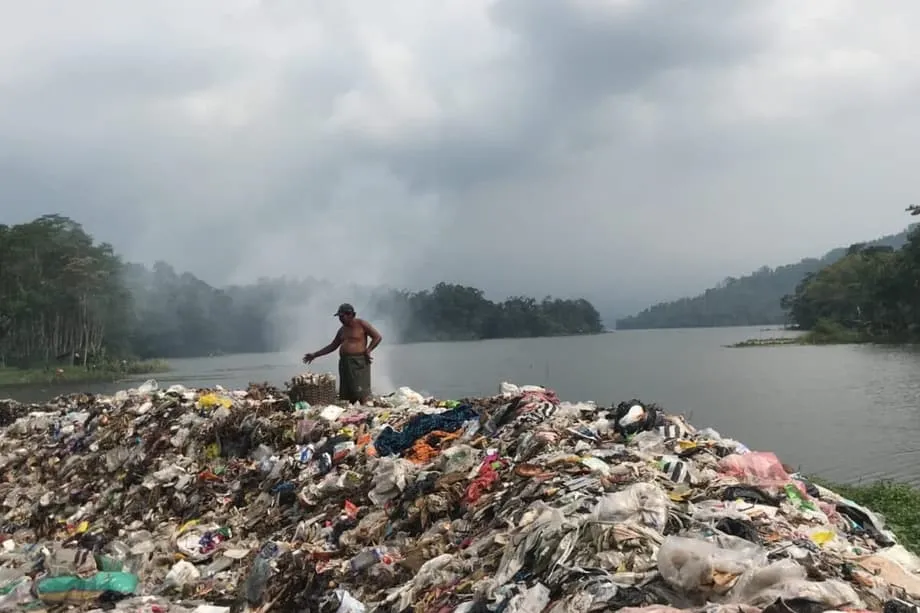
57% of Households Still Burn Their Waste
Indonesia is testing neighborhood pollution monitoring, village waste collection and support for informal waste workers as it confronts a problem reaching into more than half its households: burning rubbish. A 2023 Ministry of Health survey found that 57% of households used open burning as their main disposal method, compared with 27.6% that handed waste to collectors and just 0.1% that reported recycling.
Contents
- 57% of Households Still Burn Their Waste
- What Burning Waste Releases Into the Air
- Why Fire Remains the Neighborhood Solution
- FIREFLIES Brings Pollution Monitoring to Three Communities
- Malang Tests Collection That Reaches Village Streets
- How the Projects Reached This Point
- A National Electricity Program Faces Local Opposition
- Benowo Monitoring Prompts a Dispute Over Air Quality
- Corporate Recycling Pilots Reveal Practical Failures
- Imported Technology Meets Indonesia's Wet Waste
- Bandung Puts Informal Workers Inside the Solution
- Key Points
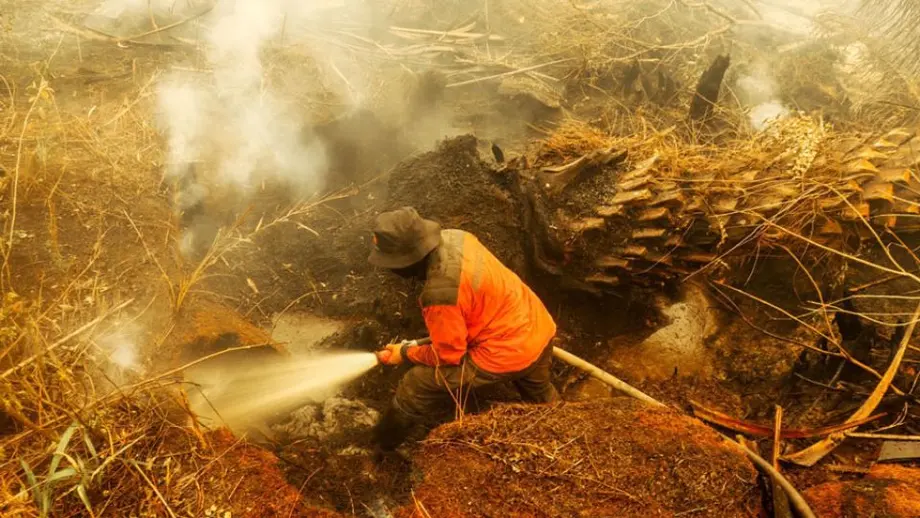
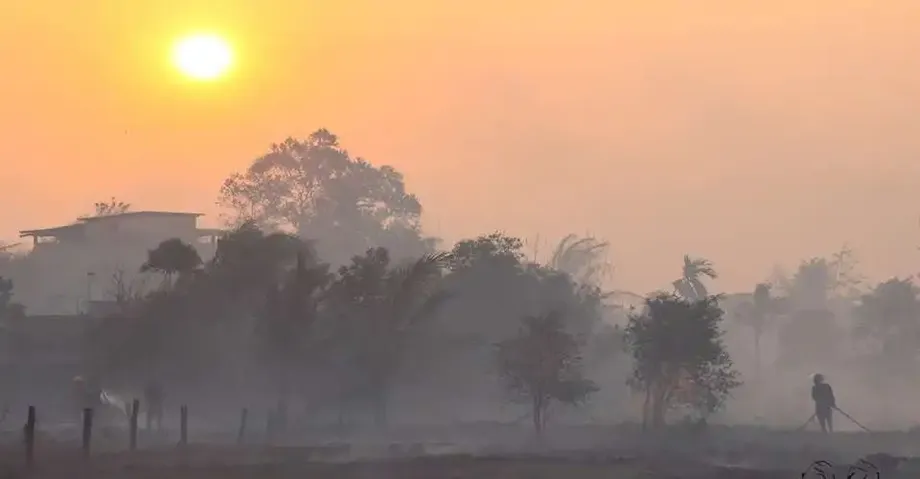
The figures show how far everyday practice remains from the country's legal framework. Indonesia's 2008 Waste Management Law explicitly prohibits open burning, yet enforcement at household level remains extremely difficult. Thousands of small neighborhood fires occur daily across the archipelago. Unlike large forest fires that satellites can detect, these scattered fires are difficult for authorities to track, even when their smoke is readily apparent to nearby residents.
As of February 14, 2026, several pilot projects are approaching the problem from different directions. FIREFLIES is combining community research and air monitoring in Jakarta, Bogor and Depok. In Malang Regency, East Java, an integrated collection project is testing whether regular service, household sorting and sufficient participation can replace dumping and burning.
Indonesia's central government is also pursuing up to 33 plants that turn waste into electricity. That program has brought a wider argument into focus: how to provide reliable disposal without exposing communities to more pollution, weakening recycling or displacing the workers who already recover valuable materials.
The choices begin with practical questions inside neighborhoods. Who collects an old mattress? Who pays the monthly collection fee? What happens to food scraps and plastic packaging when no dependable service is available? The pilots are testing answers to those questions while larger facilities face scrutiny over emissions, costs and local acceptance.
What Burning Waste Releases Into the Air
Household fires produce a mixture of pollutants when leaves and food waste burn alongside plastics, foams and other synthetic materials. These include particulate matter known as PM2.5 and PM10, as well as sooty black carbon. Fine particles can pass the body's natural defenses, reach deep into the lungs and, in some cases, enter the bloodstream.
Budi Haryanto, a professor of environmental health at the University of Indonesia, explained that the damage can extend throughout the body. He described pollutants and chemical components, including black carbon and carbon monoxide, affecting vital organs and tissues such as the heart, nervous system, lungs, digestive tract, skin, blood and bones.
Haryanto also linked exposure to heavy metals from burning waste with reduced production of red blood cells in bone marrow, offering an explanation for anemia among many Indonesian women. Anemia means the blood has too few healthy red blood cells to carry oxygen effectively. He warned that unchecked pollution from waste burning could become a silent killer affecting public health for generations.
Black carbon also contributes to global warming by absorbing sunlight and heating the surrounding air. Carbon dioxide can remain in the atmosphere for centuries, while black carbon stays airborne for days to weeks. During that shorter period, its warming effect per unit of mass is much stronger than that of carbon dioxide.
Didin Agustian Permadi, an environmental engineering lecturer at the National Institute of Technology who studies connections between air pollution and climate, said reducing these emissions at their source could bring relatively quick benefits for air quality and the climate by 2030.
Why Fire Remains the Neighborhood Solution
Erwinsyah, a neighborhood unit head in Bogor, south of Jakarta, faces the problem when residents leave old mattresses and broken chairs beside roads. The bulky rubbish can endanger children walking to school, but the local environmental agency refuses to collect such bulky or inorganic waste. Explaining why he resorts to burning it, Erwinsyah said:
If we burn it, at least it is gone. Yes, it smells. But I am forced to do it. There is no other way.
His neighborhood has roughly 90 households, but only 60% to 70% pay the monthly waste collection fee of 15,000 rupiah, less than $1. Sometimes he uses neighborhood funds or his own money to keep collections operating. For households with little income, immediate survival needs can take priority over concerns about air pollution or climate change.
Sofyan Ansory, an anthropologist involved in a new pilot addressing waste burning, described another reason the practice persists. When household rubbish mainly consisted of leaves and twigs, burning it could signal diligence and a contribution to neighborhood cleanliness.
Plastics, foams and synthetic materials now dominate household rubbish, producing much more toxic smoke when burned. The contents of the waste have changed, but the cultural association between fire and cleanliness remains. Collection gaps, financial pressure and those habits together help explain why a legal ban has not ended the practice.
FIREFLIES Brings Pollution Monitoring to Three Communities
Dietplastik Indonesia, supported by the energy transition campaign group ViriyaENB, has launched FIREFLIES in three neighborhoods across Jakarta and its satellite cities of Bogor and Depok. The project combines research into social and cultural practices, community education and improvements to local waste infrastructure.
University of Indonesia researchers are examining how residents understand and manage waste. Their work is intended to shape interventions around local conditions, including the reasons people burn rubbish and the services they can actually use.
The project also plans to install inexpensive air quality sensors for continuous monitoring. Detailed pollution data are expected to become accessible to communities from February through the end of 2026. Education activities based on the neighborhood studies are expected in April and May.
Zakiyus Shadicky, senior research lead at Dietplastik Indonesia, explained that visible pollution spikes during burning events could encourage discussion and potentially pressure from neighbors. Residents currently often tolerate burning because they are reluctant to confront one another. He said technology would be ineffective without social norms against the practice.
Nurmayanti, a senior environmental impact controller at the Ministry of Environment, welcomed the initiative. She stressed the importance of reducing waste at its source and changing community attitudes as part of national waste management and emissions reduction efforts. Waste is Indonesia's third largest source of greenhouse gas emissions, after land use and energy, yet few people connect rubbish disposal with climate change.
Malang Tests Collection That Reaches Village Streets
The Alliance to End Plastic Waste (AEPW) is testing an integrated system in Malang Regency that covers household collection, safe disposal and recycling. Its first four villages are Tulus Besar, Duwet Krajan, Wringin Anom and Kenongo.
The project began in March 2025 with 2,300 households registered beforehand. Specially adapted waste tricycles travel through narrow village streets to collect rubbish twice a week. Residents separate organic waste from inorganic material, and recyclable items are sold to local recyclers.
Revenue from those sales supports the system alongside household collection fees. Economic modeling indicates that 80% of households in the area covered must participate for the pilot to succeed financially. That requirement makes consistent enrollment and payment central to the project, alongside the collection equipment.
Bimo Harimurti, AEPW's Indonesia Program Advisor, said recruitment prioritized village residents to strengthen community involvement and ownership. Campaigns to change disposal habits accompany the service. Mulyo Siswanto, village head of Duwet Krajan, reported that residents had already begun changing their behavior, with less tendency to throw rubbish into gutters or neighborhood areas.
The planned expansion would reach 12 villages and approximately 18,000 households, collecting 750 tonnes of municipal waste each month and recycling around 20 tonnes of plastic. If the model succeeds, the local government hopes to develop a financially sustainable service that other regencies can reproduce.
How the Projects Reached This Point
Indonesia's current debate follows several years of experiments, closures, monitoring and new investment plans. Some projects are already collecting waste, while others remain at the planning or research stage.
- 2017: Unilever launched a chemical recycling pilot for plastic sachets in Indonesia. It ceased operating after two years.
- 2021: Danone established a recycling facility in Bali with Reciki Solusi Indonesia.
- 2023: The Ministry of Health survey recorded open burning as the main disposal method for 57% of households.
- April 2024: The Bali facility was suspended following complaints from nearby residents.
- November 2024 to January 2025: WALHI East Java conducted 54 days of air monitoring around Surabaya's Benowo plant.
- March 2025: The Malang collection pilot began with 2,300 households registered beforehand.
- February to December 2026: FIREFLIES expects to make detailed neighborhood air monitoring data accessible to communities.
- April and May 2026: FIREFLIES expects to introduce education activities based on its neighborhood research.
The timetable places immediate service improvements beside a longer national investment program. Households need a way to dispose of rubbish now, while monitoring and pilot results can help determine which approaches work under local conditions.
A National Electricity Program Faces Local Opposition
Indonesia's central government is advancing plans for up to 33 plants that generate electricity from waste. Presidential Regulation 109/2025, issued earlier this year, replaces the previous framework and assigns the country's new sovereign wealth fund, Danantara, responsibility for coordinating procurement and investment.
The regulation sets an electricity purchase price of $0.20 per kilowatt hour for 30 years. State utility PLN will be the single buyer of the electricity. A kilowatt hour is a unit measuring the amount of electrical energy supplied or used.
The national investment push has encountered resistance at neighborhood level. A proposed facility in Tebet, South Jakarta, stalled after protests by residents and environmentalists.
Muhammad Aminullah, a campaigner with WALHI Jakarta, warned about possible dioxin discharge and worsening air quality in a city already struggling with pollution. The opposition shows that communities are concerned about what a waste facility releases, as well as whether it removes rubbish from streets.
Benowo Monitoring Prompts a Dispute Over Air Quality
WALHI East Java monitored air around the Benowo plant in Surabaya, Indonesia's first and largest facility generating energy from waste, for 54 days between November 2024 and January 2025. Its study found that air quality frequently exceeded World Health Organization limits.
Average PM2.5 concentrations reached 26.78 micrograms per cubic meter, with peaks of 78 micrograms per cubic meter. The WHO daily threshold cited in the study was 15 micrograms per cubic meter. The recorded average was about 1.8 times that level, while the peak was 5.2 times it.
Wahyu Eka Setyawan, executive director of WALHI East Java, described the timing of the pollution increases:
The most dramatic spikes occurred between 8 a.m. and 5 p.m., when the incinerator was running.
Setyawan said volunteers recorded sharp increases in both PM2.5 and PM10 when passing areas close to the incinerator, particularly when wind blew toward residential neighborhoods.
Officials and the plant operator disputed WALHI's findings, saying monitoring approved by the government showed no breaches of the applicable thresholds. They declined to release the data publicly. Residents therefore face conflicting assessments of air quality around an operating facility.
Corporate Recycling Pilots Reveal Practical Failures
Danone's Bali facility, established in 2021 with Reciki Solusi Indonesia, aimed to process plastic with little market value into refuse-derived fuel, or RDF. This is fuel made from waste rather than conventional fuel sources.
The project was suspended in April 2024 after complaints from residents. Located meters from homes and established without proper consultation, the facility was accused of producing toxic smoke that made it impossible for neighbors to open their windows.
Yuyun Ismawati, co-chair of the International Pollutants Elimination Network (IPEN), reported that several residents were hospitalized because of emissions from melting plastic scrap. The resulting briquettes were intended for laundry boilers and street food barbecues, despite the serious health risks associated with burning plastic in the open. A fire eventually destroyed the facility, leaving contaminated ground.
Unilever's chemical recycling pilot for plastic sachets also stopped operating. Launched in Indonesia in 2017, it quietly ceased operations after two years. An investigation by the Global Alliance for Incinerator Alternatives (GAIA) identified limited recyclability and technological failures.
According to the investigation, the plant could process only sachets made from a single layer to produce different packaging. It lost 40% to 60% of the incoming waste as residue. The facility cost more than 10 million euros and failed to demonstrate its claim that sachets made from multiple layers could be recycled repeatedly.
Borouge and Borealis have nevertheless announced a new feasibility study in East Java for Indonesia's first fully integrated circular waste management ecosystem for polyolefin recycling. The proposed system aims to turn plastic waste into feedstock for recycled materials of high quality. It remains a feasibility study rather than an operating collection and recycling system.
Imported Technology Meets Indonesia's Wet Waste
European and Japanese companies are seeking new waste processing markets after their home markets became saturated. Japan has more than 1,500 incinerators, while Germany, Sweden and Denmark burn tens of millions of tonnes of municipal waste annually. Hitachi Zosen, Marubeni and JFE Engineering are among the companies active across Southeast Asia.
Environmental groups warn that equipment designed for European or Japanese waste may face different conditions in Indonesia. Organic material accounts for only 10% to 20% of municipal rubbish in developed economies, where sophisticated separation systems also limit materials unsuitable for burning.
In Indonesia, organic waste can account for 50% or more of the waste stream, and formal separation remains limited. Much of that organic material is wet. Burning it requires higher temperatures and often additional fuel, typically plastic, to maintain efficient combustion.
Environmental groups are concerned that plants operating for decades could create lasting demand for plastic waste, competing with recycling and efforts to keep materials in circulation. A plant needing plastic as fuel has a different material requirement from a system seeking to recover that plastic for another use.
Janek Vähk of Zero Waste Europe said electricity from incinerators is at least 1.5 to two times more intensive in greenhouse gas emissions than electricity generated by burning natural gas. He described incineration involving plastics as the method of energy production with the greatest climate impact.
Bandung Puts Informal Workers Inside the Solution
A project supported by the Climate and Clean Air Coalition is working in Bandung to include informal waste pickers in organic waste management. It aims to divert 11,000 tonnes of organic waste from dumpsites while demonstrating business models that retain rather than displace those workers.
Indonesia's informal waste pickers form the backbone of its existing recycling economy. They earn very little and work seven days a week. Large incineration projects could displace them unless their roles are included in new formal waste management systems.
Analysis of the national plans warns that excluding waste pickers could create human costs and conflict that weaken policy implementation. The Bandung project instead seeks to improve workers' ability to sustain their operations financially while reducing methane emissions from organic waste.
Similar pilots are underway in Valparaíso, Chile, and Durban, South Africa. Together, they seek workable ways to combine emissions reduction with the livelihoods of people already handling waste.
Indonesia's pilots test different parts of the same problem. FIREFLIES addresses neighborhood habits and visibility of pollution; Malang provides regular collection and sorting; Bandung includes existing workers in organic waste services. Their success depends on whether residents and workers can use and sustain the systems, alongside the performance of the equipment.
Key Points
- A 2023 Ministry of Health survey found that 57% of Indonesian households mainly burned waste, despite the prohibition in the 2008 Waste Management Law.
- Burning mixed household rubbish releases particles and black carbon that damage health and contribute to warming.
- FIREFLIES combines community research, education, infrastructure improvements and air monitoring in Jakarta, Bogor and Depok.
- Malang's collection pilot requires 80% household participation for financial viability and aims to expand to 12 villages covering approximately 18,000 households.
- Presidential Regulation 109/2025 supports plans for up to 33 plants generating electricity from waste, with Danantara coordinating investment and PLN buying power at $0.20 per kilowatt hour for 30 years.
- A proposed Tebet facility stalled after protests. WALHI's pollution findings around Benowo were disputed by officials and the operator.
- Danone's Bali project and Unilever's sachet recycling pilot encountered serious failures; Borouge and Borealis are studying a new recycling system in East Java.
- Indonesia's wet organic waste poses challenges for incineration, while the Bandung pilot seeks to reduce dumping and methane emissions without displacing informal workers.