Fewer Children, Longer Lives and a New Population Challenge
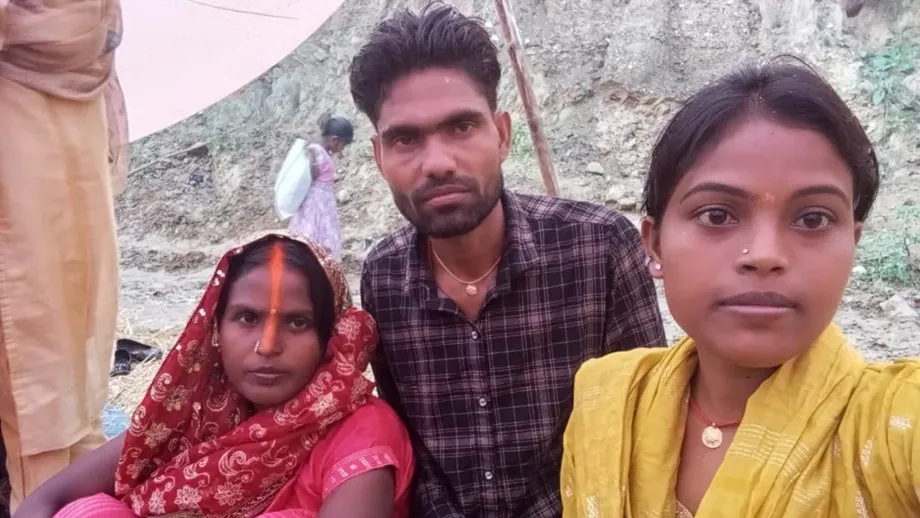
India's Total Fertility Rate fell to 2.0 children per woman in 2019-21, below the replacement level of 2.1, according to the fifth National Family Health Survey (NFHS-5). Nearly four children per woman was the corresponding figure in the 1990s. Across five survey rounds, the country has undergone one of the fastest fertility transitions in human history over roughly 25 years.
Contents
- Fewer Children, Longer Lives and a New Population Challenge
- How the Transition Unfolded
- Education and Child Survival Reshape Family Decisions
- The Rising Cost of Raising Children
- Southern States Move Further Below Replacement
- The Northern Birth Rate and the Movement of Workers
- Religious and Caste Differences Narrow
- Smaller Families and the Pressure for Sons
- Andhra Pradesh Reverses Its Population Message
- Jobs, Pensions and Healthcare Must Adjust
- Infertility, Nutrition and Gaps in Measurement
- The Bottom Line
Southern states are further along. The 2021 Sample Registration System (SRS) put fertility at 1.5 in Tamil Nadu, Kerala and Andhra Pradesh, and at 1.6 in Telangana and Karnataka. Bihar, meanwhile, recorded 3.0 and Uttar Pradesh 2.7. India now faces the demands of a large, relatively young population alongside preparations for societies with fewer children and more older people.
Paul and Anne Ehrlich's population bomb thesis once helped shape debate about India, feeding fears that population growth would overwhelm resources and destabilize the subcontinent. The latest fertility figures describe a different challenge: how to turn today's working population into economic growth while preparing healthcare, pensions and families for aging.
Total Fertility Rate, or TFR, expresses how many children a woman would have if the fertility rates measured at different ages continued throughout her reproductive life. Replacement fertility is the level at which a generation broadly replaces itself. India's move below that threshold places a country long associated with high fertility among societies with low fertility.
The United Nations Population Fund projected India's population at 1.46 billion in 2025, with a peak of about 1.7 billion before a gradual decline. The population doubling time has stretched to 79 years. Falling fertility and continued population growth can exist together because the country's present age structure still includes large generations entering or passing through the years when people have children.
How the Transition Unfolded
The five rounds of the National Family Health Survey trace a broad national decline, with most states now at or below replacement fertility. Differences between regions have narrowed substantially across the survey series, even though the latest figures still show a pronounced gap between northern and southern states.
The northeastern states, excluding Tripura, have recorded some of the sharpest declines, alongside Uttar Pradesh, Jammu and Kashmir, Haryana, Punjab and Rajasthan. Karnataka, West Bengal, Gujarat, Maharashtra and Odisha have continued to move downward from fertility levels that were already moderate.
The key dates show how the discussion has changed from concern about rapid growth to planning for a different population structure:
- In the early 1990s, fertility was nearly four children per woman, and deaths among children younger than five stood at 109 per 1,000 live births.
- In 1991, female literacy was 39%. The figure has since risen to nearly 70%.
- In 1992, the fertility gap between Hindu and Muslim women was 1.1 children per woman.
- In 2019-21, NFHS-5 measured national fertility at 2.0 and the Hindu-Muslim fertility gap at 0.42.
- In 2021, SRS figures placed fertility at 1.5 in Tamil Nadu, Kerala and Andhra Pradesh.
- For 2025, the United Nations Population Fund projected a population of 1.46 billion.
- By 2047, Andhra Pradesh projects that 23% of its population could be older than 60.
The national average brings together places at different stages of this transition. A state with relatively high fertility must still meet substantial demand for schools and services for children, while a state with much lower fertility must also prepare for a larger share of older residents.
Education and Child Survival Reshape Family Decisions
Women's education is a central force behind the decline. Female literacy rose from 39% in 1991 to nearly 70%, while the median age at marriage for women increased from 17.2 to 19.7 years. Later marriage shortens the period in which childbearing commonly takes place.
Education also changes the choices surrounding an early birth. Time spent raising children can compete with further study or paid employment. Participation in the labour market creates economic reasons to have smaller families, as women weigh income and work opportunities alongside parenthood.
Child survival has changed just as sharply. Deaths among children younger than five fell from 109 per 1,000 live births in the early 1990s to 42 in NFHS-5. Vaccination programmes, maternal health services and nutritional interventions have increased families' confidence that their children will survive to adulthood.
Parents who fear losing a child may have more births as a precaution. As survival improves, that reason for having a larger family becomes weaker. Better health services therefore affect fertility through family expectations as well as through access to reproductive care.
The Rising Cost of Raising Children
Schooling, healthcare and housing increasingly require direct household spending. Children who once contributed to household production now require substantial investment in education and skills if they are to move into better economic circumstances.
Families that previously depended on informal arrangements face a more expensive route to upward mobility. A smaller family can allow parents to concentrate limited money and time on each child's schooling, health and preparation for work.
Urban households face an added constraint: space. Housing costs and limited room make larger families harder to accommodate. Those pressures join the growing cost of education and healthcare in shaping decisions about how many children to have.
Migration, urbanization and media exposure have also spread smaller family norms. Decades of family planning messages contributed to changing expectations about family size. Education, health, household costs and social expectations have moved together, making the decline broader than any single programme or individual decision.
Southern States Move Further Below Replacement
Tamil Nadu, Kerala and Andhra Pradesh recorded TFRs of 1.5 in the 2021 SRS, while Telangana and Karnataka stood at 1.6. These estimates are lower than the NFHS-5 figures for the southern states and bring their demographic profiles closer to those associated with Japan and South Korea.
Tamil Nadu's rural fertility rate was 1.4, below its urban rate of 1.5. Kerala also recorded slightly higher fertility in urban areas, at 1.6, than in rural areas, at 1.5. Both patterns reverse the familiar expectation that rural families have more children than urban families.
Andhra Pradesh projects that 23% of its population could be over 60 by 2047. That prospect connects today's low fertility with future demand for care, income support and workers. Fewer births mean smaller generations following the people who are now employed.
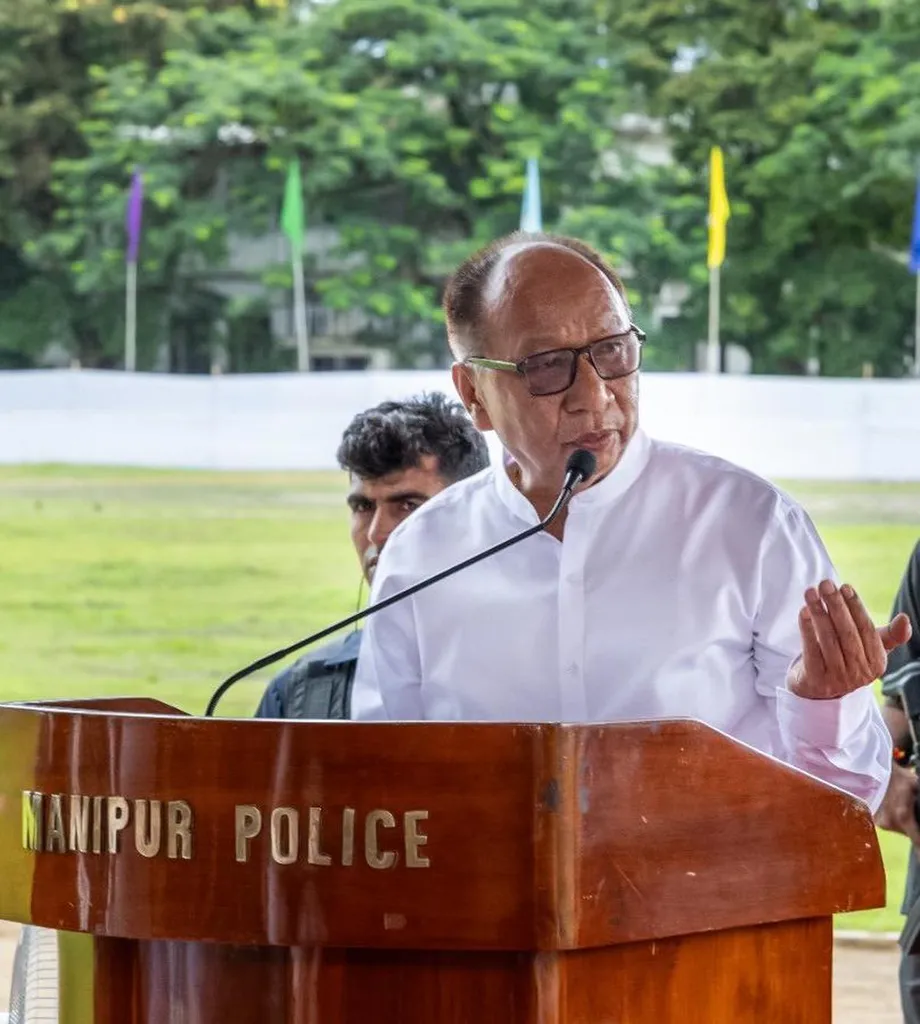
The southern figures explain why population policy is changing direction in some states. Governments that spent decades encouraging smaller families are now considering how to maintain their future workforce while supporting a growing older population.
The Northern Birth Rate and the Movement of Workers
Bihar's TFR remains at 3.0, while Uttar Pradesh records 2.7 in the SRS figures and Meghalaya records 2.9. Fertility is declining in these states too, but their levels remain higher than those in much of the south.
Bihar records 25.6 births per 1,000 people, compared with Kerala's 12.9. Bihar's crude birth rate is therefore almost twice Kerala's. A crude birth rate counts births against the entire population, while TFR focuses on fertility among women at different reproductive ages.
Younger workers from regions with higher fertility are already moving south to fill labour shortages in aging economies. Internal migration connects the needs of states with more young people to those of states where the workforce faces pressure from lower fertility.
Jammu and Kashmir has also moved firmly into the low fertility group. Official statistics put its TFR at 1.4, comparable to Delhi and Punjab. Its position illustrates how the transition extends beyond the southern states, even as the divide between Bihar and Kerala remains substantial.
Religious and Caste Differences Narrow
The fertility gap between Hindu and Muslim women fell from 1.1 children per woman in 1992 to 0.42 in 2019-21. Over a period of 20 years, Muslim fertility declined by 35%, compared with a 30% decline among Hindus. Recent demographic analysis describes the rates as moving toward parity by 2030.
Demographic researchers examining National Family Health Survey data described the shrinking religious gap in these words:
The figures from NFHS-5 ought to put an end to the long-debated subject of Hindu-Muslim differentials in fertility rates. It shows that the fertility gap between Hindus and Muslims was just 0.42 children per woman in 2019-21, down from 1.1 in 1992.
Decomposition analysis, a method of separating the contributions of different factors, assigns 15% of fertility change to religious or caste norms and 85% to education, economic status and access to family planning. Those findings put household circumstances and access to services at the centre of the transition.
Muslim women in Jammu and Kashmir have fertility below replacement level. Dalit women in Kerala have fewer children than women from general castes in many northern states. Christians, Sikhs, Jains and Buddhists are already well below replacement fertility, extending the pattern across social and religious groups.
Smaller Families and the Pressure for Sons
Son preference remains a troubling part of the shift toward smaller families. Demographic modelling indicates that sex selection is increasingly occurring at lower parities, meaning at earlier births rather than after several children.
Couples seeking a male heir may try to ensure that they have a son within the smaller number of children they plan to raise. A falling desired family size can therefore intensify pressure around the sex of each birth.
NFHS-5 recorded 1,020 females per 1,000 males in the population, an improvement in the overall sex ratio. The sex ratio at birth was 929 girls per 1,000 boys, below the natural range of 950-970.
The two measures describe different groups: one covers the population as a whole, and the other covers new births. The figures place an improved population sex ratio alongside a continuing imbalance among newborn children.
Andhra Pradesh Reverses Its Population Message
Andhra Pradesh Chief Minister N. Chandrababu Naidu has proposed support for larger families as the state confronts a TFR of 1.5. The proposals include ₹25,000 at birth for a second or third child, monthly nutritional support, free education until age 18 and extended maternity leave. No implementation date was given.
Naidu explained the change in approach during recent legislative remarks:
Earlier, I promoted family planning but now I stress the need for population management. To avoid a human resource crisis in the future, the fertility rate in the state must rise.
For decades, India's population campaigns used messages such as Hum Do, Hamare Do, meaning We Two, Ours Two. Andhra Pradesh's proposals shift the focus from limiting births toward supporting families and managing the age structure of the population.
Southern concerns also include potential losses in parliamentary representation after the next delimitation exercise, the process used to redraw electoral boundaries and determine representation. States with slower population growth are concerned about how their position could change.
Andhra Pradesh calculates that increasing female labour force participation from 31% to 59% could raise gross state domestic product (GSDP) by 15%. Bringing more women into paid work offers an economic opportunity alongside the state's effort to stabilize fertility. The state also recognizes that continued low fertility could put pressure on growth over the longer term.
Jobs, Pensions and Healthcare Must Adjust
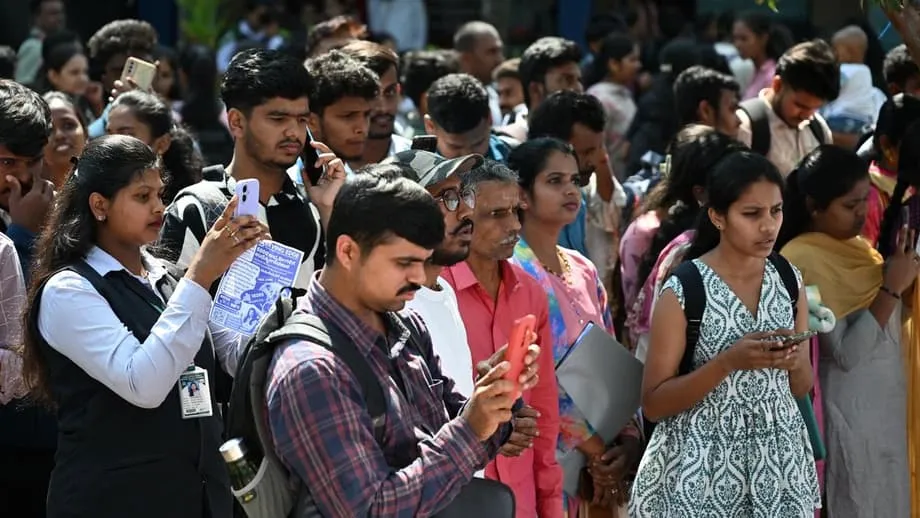
Nationally, 68% of Indians are aged 15-64. This large share of people of working age creates the possibility of a demographic dividend: economic gains when many people are able to work relative to those who depend on them.
Jobs, skills and health determine whether that opportunity produces higher incomes. India needs extensive job creation and skill development, alongside changes to healthcare infrastructure, to make use of its current population structure.
An aging population increases demand for continuing treatment of noncommunicable diseases, including diabetes and hypertension. Such conditions affect 24% of men and 21% of women according to NFHS-5. Healthcare must move beyond its longstanding focus on acute infectious diseases to provide more chronic care.
Pension systems also need strengthening. Joint families traditionally provided support for older relatives, but smaller households and geographic mobility are weakening those arrangements. Workers moving between states may help meet labour shortages while living farther from the older family members who need care.
Infertility, Nutrition and Gaps in Measurement
Rising infertility among men and women in both rural and urban areas adds a medical dimension to the fertility transition. Studies in the industrial centre of Thoothukudi link chemical pollution with endocrine disruption and declining semen quality. Endocrine disruption means interference with the hormones that help regulate bodily functions, including reproduction.
Agricultural pesticides in Punjab and western Uttar Pradesh have been associated with altered sperm measures and compromised ovarian function. Medical surveys describe an emerging public health crisis involving environmental toxins, lifestyle conditions such as polycystic ovary syndrome (PCOS), and rising obesity associated with processed food consumption.
Anaemia is another concern. NFHS-5 found it in 67% of children under five and 57% of women. The worsening nutritional situation suggests that biological capacity for reproduction may be weakening even among people who want children.
Large surveys also face demanding requirements for supervision and interview privacy. Interviewer effects and a lack of private space can influence answers. Respondents may underreport contraceptive use because they feel pressure to give socially acceptable answers, helping explain anomalies in which reported contraceptive use declines while fertility also falls.
Community studies suggest that falling fertility among minority populations can also reflect uncertainty and perceived marginalization. Muslim fertility has declined sharply despite limited economic progress. For some families, smaller family size may represent cautious adaptation to circumstances they perceive as exclusionary, alongside the wider effects of education, health and changing expectations.
The Bottom Line
- India's fertility fell from nearly four children per woman in the 1990s to 2.0 in NFHS-5, below replacement level.
- The 2021 SRS recorded fertility of 1.5 in Tamil Nadu, Kerala and Andhra Pradesh, compared with 3.0 in Bihar.
- The Hindu-Muslim fertility gap narrowed from 1.1 children per woman in 1992 to 0.42 in 2019-21.
- Andhra Pradesh has proposed cash and other support for larger families as it prepares for an older population.
- India's population of working age offers an economic opportunity that depends on jobs, skills and healthcare.
- Sex selection, infertility, anaemia and survey privacy remain concerns within the fertility transition.
- Lower fertility is increasing the need to prepare pensions, chronic healthcare and support for older people.