Viral Videos Expose Dangerous Food Safety Lapses in Government Program
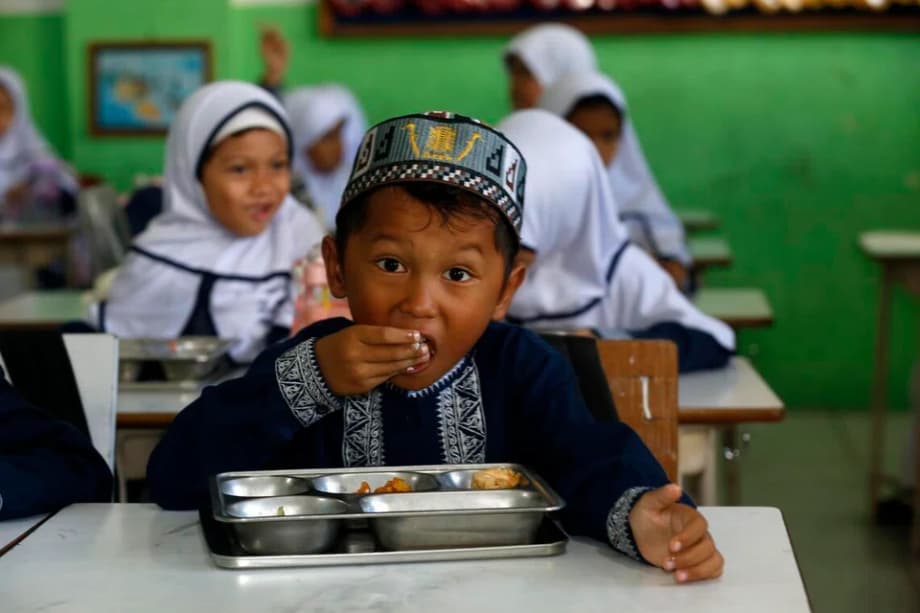
The fasting month of Ramadan typically brings heightened attention to food preparation and spiritual reflection across Indonesia. This year, however, the holy month has sparked outrage instead of reverence after shocking footage circulated online showing raw marinated catfish packed alongside uncooked tempeh and tofu in government sponsored meal boxes intended for schoolchildren.
- Viral Videos Expose Dangerous Food Safety Lapses in Government Program
- Nationwide Suspensions Target Hygiene Certification Failures
- Officials Attempt to Defend the Indefensible
- School Principal Puts Safety First
- Expert Analysis Reveals Systemic Health Risks
- Scale and Scope of Indonesias Ambitious Nutrition Program
- Understanding Hygiene Certification Requirements
- Challenges Remain for Program Integrity
- Key Points
The incident occurred on March 9 at SMAN 2 Pamekasan, a state senior high school in East Java province, where kitchen staff prepared 1,022 meal packages meant to sustain students for three days. School principal Moh. Arifin immediately rejected the delivery upon inspection, citing grave concerns about student safety. The visual evidence of grayish fish and pale soybean products proved impossible for administrators to dismiss as simple misunderstandings about menu design.
Nationwide Suspensions Target Hygiene Certification Failures
The National Nutrition Agency (BGN), which oversees President Prabowo Subianto’s flagship free meal initiative, responded swiftly to the escalating crisis. By March 11, the agency had temporarily halted operations at more than 2,200 kitchens across the archipelago for failing to obtain mandatory hygiene and sanitation certificates.
The suspensions followed a geographic zoning system established by the BGN. On March 10, authorities suspended 1,512 kitchens across Java, classified as Zone II, as part of an urgent evaluation program targeting compliance with operational standards. The following day, an additional 717 kitchens received suspension orders across West Nusa Tenggara, East Nusa Tenggara, West Kalimantan, South Sulawesi, Maluku and Papua, which constitute Zone III covering eastern Indonesia.
These zones represent massive logistical operations. According to BGN data updated on March 13, Java hosts the highest concentration of facilities with more than 15,000 kitchen units, while Sumatra maintains over 5,000 kitchens. Zone III encompasses 4,219 kitchens total, with approximately half having secured proper hygiene certificates while the remainder work through the certification process. As of mid March, BGN had not released specific suspension figures for Sumatra.
Officials Attempt to Defend the Indefensible
Initial reactions from program administrators suggested confusion about the severity of the food safety violations. BGN deputy head Nanik Sudaryati Deyang defended the Pamekasan kitchen, claiming that viral clips did not capture the complete menu, which allegedly included bread, boiled eggs, milk and dragon fruit.
The kitchen’s own nutritionist, Fikri Kuttawakil, offered a technical justification for the raw fish distribution, stating that the menu had been designed with food durability in mind. He claimed that marinated catfish could remain safe for consumption for up to one day without proper cooking or refrigeration, a statement that contradicts standard food safety protocols for protein based items in tropical climates.
School Principal Puts Safety First
Despite official attempts to minimize the incident, local educators refused to accept compromised food standards. Principal Arifin explained his decision to journalists on March 10, offering a clear statement about his priorities.
On Monday, the free meal allocation meant to cover three days until Wednesday was rejected. I apologize to the kitchen that prepared the meals, but the school made this decision for the safety of the children.
The BGN ultimately reversed its defensive stance on March 11, announcing the temporary suspension of the Nutrition Fulfillment Service Unit (SPPG) Pamekasan Pademawu Buddagan responsible for the contaminated delivery. The agency acknowledged that distributing uncooked animal proteins to schools during hot weather conditions created unacceptable health hazards.
Expert Analysis Reveals Systemic Health Risks
Public health specialists have warned that the raw catfish incident represents merely the visible tip of a much larger iceberg of food safety vulnerabilities. Dr. Dicky Budiman, an epidemiologist at Australia’s Griffith University, explained that kitchens operating without proper hygiene certification pose wide ranging threats to community health.
The risks extend beyond simple food spoilage. Without verified sanitation protocols, facilities face increased potential for microbiological contamination from bacteria and parasites. Chemical hazards loom as well, including pesticide residues, heavy metals leaching from substandard cooking equipment, and cleaning chemical cross contamination. Physical contaminants such as insects, larvae or metal fragments also threaten consumers when preparation areas lack proper oversight.
Dr. Dicky emphasized a particularly alarming aspect of mass feeding programs known in epidemiological terms as high amplification risk.
The first risk is foodborne disease. Without proper sanitation verification, the potential for microbiological contamination increases significantly. This is what makes it particularly dangerous. Incidents like this are what epidemiologists call a preventable food safety incident, events that should not happen if proper monitoring and oversight systems are in place.
This concept means that a single sanitation failure at a central kitchen could expose thousands of recipients to pathogens simultaneously, creating potential for widespread illness outbreaks rather than isolated cases of food poisoning.
Scale and Scope of Indonesias Ambitious Nutrition Program
The free meal program represents one of the most ambitious social welfare initiatives in Indonesian history, launched under President Prabowo Subianto’s administration to combat malnutrition and support vulnerable populations. The operation spans the vast archipelago through a network of thousands of small kitchens operating under BGN supervision.
The current suspensions affect roughly half of Zone III operations and a smaller fraction of Java’s massive network. While the disruption impacts meal delivery for thousands of students, officials maintain that safety must take precedence over convenience. The program has faced scrutiny before, with previous reports of mass food poisoning cases at other locations having already triggered public demands for comprehensive operational reviews.
Social media platforms amplified the Pamekasan incident rapidly, with clips of the questionable meal contents generating thousands of shares and comments expressing disgust and concern. The timing during Ramadan placed additional pressure on meal preparation standards as kitchens attempted to package foods with extended shelf lives for breaking fast at sunset.
Understanding Hygiene Certification Requirements
The mandatory hygiene and sanitation certificates required by the BGN serve as official verification that food preparation facilities meet national health standards. These certifications typically involve inspections of physical infrastructure, waste management systems including standardized wastewater treatment, employee health screening, and proper food storage protocols.
Rudi Setiawan, director of monitoring and supervision for BGN Zone III, emphasized that certification represents a non negotiable baseline for program participation.
SPPGs that have not registered their hygiene and sanitation certificates will be temporarily suspended until the requirement is met. This is a key requirement to ensure cleanliness and food safety in the free meal program.
Kitchens must demonstrate compliance with sanitation standards that prevent cross contamination between raw and cooked foods, maintain proper refrigeration chains, and ensure safe water supplies for cleaning and cooking. Facilities must also implement standardized wastewater treatment systems to prevent environmental contamination that could cycle back into food preparation areas.
Challenges Remain for Program Integrity
Restoring public confidence in the free meal program requires more than temporary suspensions. Food safety experts recommend implementing real time monitoring systems, mandatory training for kitchen nutritionists regarding safe food handling, and independent auditing mechanisms that operate separately from local political pressures.
As certification processes continue, the BGN faces the difficult task of balancing program expansion with rigorous quality control across an island nation where logistical challenges already strain food distribution networks. The agency must verify that over 20,000 individual kitchens maintain consistent standards while delivering millions of meals daily to schools, pregnant women, and other vulnerable groups.
For now, the thousands of suspended kitchens remain closed until inspectors can verify compliance. Students at affected schools must rely on alternative food sources while the government works to ensure that future meal packages contain properly cooked, safe food rather than raw ingredients that endanger the very populations the program aims to nourish.
Key Points
- Indonesia’s National Nutrition Agency suspended operations at 2,229 kitchens nationwide after viral footage showed raw catfish in school meal packages
- The incident occurred at SMAN 2 Pamekasan in East Java, where a school principal rejected 1,022 contaminated meal packages on March 9
- Suspensions include 1,512 kitchens across Java and 717 kitchens across six eastern provinces including West Nusa Tenggara and Papua
- Kitchens failed to obtain mandatory hygiene and sanitation certificates required for food safety compliance
- Epidemiologist Dr. Dicky Budiman warned of high amplification risk where single sanitation failures could expose thousands to foodborne illness
- The free meal program operates over 20,000 kitchens nationwide as a flagship initiative of President Prabowo Subianto
- Previous mass food poisoning cases had already raised concerns about safety standards in the government nutrition program