South Korea is experiencing one of its most severe cold snaps in recent memory, with temperatures plummeting to record lows across the Korean peninsula. The frigid weather has not only disrupted daily life but also exposed vulnerabilities in the country’s energy infrastructure, leaving hundreds of households without heat and electricity when they need it most.
- Record-Breaking Cold Temperatures Grip the Nation
- Devastating Power Outages Leave Families in the Cold
- Energy Infrastructure Under Pressure During Extreme Cold
- Vulnerable Populations at Greatest Risk
- Response and Recovery Efforts
- International Context: A Global Challenge
- Impact on Daily Life and Travel
- Long-Term Implications and Future Preparedness
- Key Points
Record-Breaking Cold Temperatures Grip the Nation
According to the Korea Meteorological Administration, temperatures continued to drop on January 25, 2026, with morning lows hovering around minus 10 degrees Celsius nationwide. In the capital Seoul, the temperature fell to a bone-chilling minus 11 degrees Celsius, with strong winds further lowering wind chill values, making it feel even colder.
The cold snap is forecast to persist through the middle of next week, with morning temperatures in many parts of the country remaining near minus 10 degrees Celsius. This prolonged period of extreme cold has prompted health officials to issue special warnings for vulnerable populations.
The Korea Meteorological Administration has urged extra caution, advising older adults, young children, and those with weakened immune systems to refrain from outdoor activities where possible and to take special care of their health amid the sharp temperature drops and prolonged cold conditions.
Devastating Power Outages Leave Families in the Cold
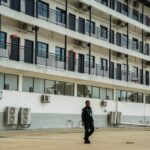
Amid the intense cold, a particularly severe blackout affecting two apartment buildings in Guro-gu, western Seoul, lasted approximately 19 hours, creating a crisis situation for nearly 1,000 residents. The outage began at around 9:30 p.m. local time on January 23 when water leaked into an electrical room on a basement level of one building.
With heating systems rendered unusable, residents endured freezing indoor temperatures overnight while Seoul recorded a low of minus 11 degrees Celsius. One resident told local media they barely slept, relying on hot packs under blankets to stay warm. Two people who became trapped in an elevator during the outage were rescued by fire authorities.
Power was fully restored at 4:54 p.m. on January 24, roughly 19 hours and 30 minutes after the blackout began. The restoration followed equipment replacement and safety inspections conducted by authorities, including Korea Electric Power Corp. The Guro District Office reported that residents who had temporarily relocated to nearby community service centers and senior centers gradually returned home after electricity was restored.
A Second Power Crisis in Uijeongbu
In a separate but related incident, another apartment complex housing about 860 households in Uijeongbu, Gyeonggi Province, lost power at around 12:40 a.m. on January 24 due to a transformer malfunction. While power was restored within two hours, residents faced additional difficulties as heating systems were unavailable during the critical cold snap period.
These incidents highlight how quickly extreme weather can overwhelm energy systems and create dangerous situations for residents dependent on electricity for basic heating needs.
Energy Infrastructure Under Pressure During Extreme Cold
The recent cold snap in South Korea is not isolated but part of a global pattern of increasingly severe winter weather events that test energy infrastructure worldwide. Research shows that extreme cold events have become more frequent and intense in recent years, particularly affecting regions with milder winter climates.
Scientific studies indicate that cold waves are closely related to the loss of Arctic sea ice, suggesting that as Arctic warming continues, extreme cold may occur more frequently in the near future. In Korea specifically, data shows that while extreme cold events have increased tendencies in the lower 10th quantile over the past 40 years, nine out of 22 monitoring stations have actually decreased tendencies over the last 10 years, creating a complex pattern that challenges energy planning.
These extreme cold events significantly impact energy demand patterns. From 2009 to 2015, peak power demand shifted from summer to winter in South Korea. During abnormal cold events in 2010 and 2013, January heating energy consumption was substantially higher than the average for 1997-2015.
Energy experts note that power systems face unique challenges during extreme cold weather. The situation in South Korea echoes similar challenges faced in other countries, including the infamous 2021 Texas winter storm where natural gas infrastructure failures led to massive power outages affecting millions of customers.
Vulnerable Populations at Greatest Risk
As temperatures plummet, certain demographic groups face disproportionately higher risks during cold snaps. Older adults, young children, individuals with pre-existing health conditions, and low-income households often lack adequate heating or insulation, making them particularly vulnerable to extreme cold.
The Korea Meteorological Administration has specifically highlighted these groups in their public advisories, recommending that they avoid unnecessary outdoor exposure and take special precautions to maintain body heat and hydration.
Health authorities have warned about the increased risk of hypothermia and frostbite during prolonged exposure to subzero temperatures. Symptoms of hypothermia include shivering, confusion, slurred speech, drowsiness, and loss of coordination. Medical experts recommend seeking immediate help if these symptoms appear.
The cold weather has also created hazardous road conditions with black ice, leading to an increase in traffic accidents. Emergency services across the country have reported higher call volumes related to weather-related incidents.
Response and Recovery Efforts
Following the power outages in Seoul’s Guro-gu district, emergency response teams worked around the clock to restore electricity and assist affected residents. The Guro District Office coordinated temporary shelter arrangements at nearby community centers and senior centers for residents who could not endure the freezing conditions in their homes.
Korea Electric Power Corp., the country’s main electricity provider, deployed additional crews to handle the increased demand and equipment failures typical during cold weather. Emergency generators were brought in to power critical facilities in affected areas.
The utility company has also urged customers to conserve electricity during the cold snap to prevent further strain on the grid. Recommendations include setting thermostats to lower temperatures when possible, avoiding the use of high-energy appliances during peak hours, and ensuring windows and doors are properly sealed to prevent heat loss.
In the aftermath of these incidents, officials are reviewing infrastructure vulnerabilities and considering improvements to better withstand extreme weather conditions. This includes upgrading electrical systems in apartment buildings, improving water leak detection systems, and enhancing emergency preparedness protocols.
International Context: A Global Challenge
The cold snap in South Korea is part of a broader global pattern of extreme weather events affecting multiple countries simultaneously. Similar winter storms have caused widespread disruptions across Europe, the United States, and other regions, highlighting shared challenges in maintaining energy reliability during extreme weather.
In Europe, countries have faced heavy snowfall, freezing rain, and gale-force winds resulting in fatalities, flight cancellations, and widespread power outages. France reported nearly 380,000 homes experiencing blackouts due to storm conditions, while the United Kingdom saw over 52,000 properties without power as fallen trees, heavy snow, and stranded vehicles slowed repair efforts.
Across the United States, multiple states have declared states of emergency as winter storms have dumped sleet, freezing rain, and snow, bringing subzero temperatures and paralyzing air and road traffic. Tree branches and power lines have snapped under the weight of ice, leaving hundreds of thousands of homes and businesses without electricity.
These international examples demonstrate how energy infrastructure worldwide faces unprecedented challenges from increasingly severe weather patterns. The convergence of high electricity demand for heating, potential fuel supply chain disruptions, and equipment failures in extreme cold creates a perfect storm for power system vulnerabilities.
Impact on Daily Life and Travel
The severe cold has significantly impacted daily life across South Korea, with schools, businesses, and transportation services experiencing disruptions. Public transportation has faced delays due to mechanical failures in cold weather, while roads have become hazardous from ice and snow accumulation.
Travelers have faced numerous challenges as airlines canceled flights and train services experienced delays. The cold snap has particularly affected those traveling to mountainous or coastal regions where conditions are often more severe.
For residents in affected areas, the cold snap has meant significant lifestyle adjustments. Many have stayed indoors as much as possible, bundled in multiple layers of clothing, and relied on alternative heating methods when electricity was unavailable.
The tourism sector has also been impacted, with travel advisories warning potential visitors about hazardous conditions and the need for special preparation when traveling to South Korea during cold weather.
Without heat! A 19-hour blackout left nearly 1,000 households in Guro-gu, Seoul, without heat or power during a severe cold snap this weekend. The outage, caused by a basement water leak, forced residents to endure temperatures of minus 11 degrees Celsius until repairs were completed Saturday afternoon.
Long-Term Implications and Future Preparedness
The recent cold snap has raised important questions about South Korea’s preparedness for increasingly extreme weather events. Energy policy-makers are now recognizing the need to assume that extreme cold events may worsen in the mid-term and develop appropriate measures.
Experts recommend several strategies for enhancing resilience against future cold snaps: establishing emergency fuel cost support for low-income people, ensuring that peak loads do not sharply rise in winter through demand management programs, and developing policies that support heating demand to be easily met by heat rather than electricity.
Building codes and construction standards may also need updating to better withstand extreme cold weather. This includes improving insulation, designing heating systems that can function during power outages, and incorporating passive solar heating features.
South Korea is not alone in these considerations. Countries worldwide are reevaluating their energy infrastructure and emergency preparedness plans in response to changing climate patterns and increasingly severe weather events.
Key Points
- Severe cold snap has brought temperatures to minus 10°C nationwide and minus 11°C in Seoul
- Power outages in Seoul’s Guro-gu district left 939 households without heat for 19 hours
- A separate outage in Uijeongbu affected 860 households for about 2 hours
- Cold weather is expected to persist through the middle of next week
- Vulnerable populations including elderly, children, and those with health conditions are at highest risk
- South Korea is facing similar energy challenges during extreme cold as other countries worldwide
- Authorities are working to restore power and assist affected residents
- The cold snap has exposed vulnerabilities in energy infrastructure during extreme weather
- Health officials are advising precautions to prevent cold-related illnesses
- Travel disruptions have been reported across the country due to hazardous conditions