New Policy Package Aims for Orderly Coexistence
The Japanese government has compiled a comprehensive set of basic policies regarding foreign nationals, marking a significant shift in how the country manages its rapidly growing non-Japanese population. The package, drawn up during a meeting of relevant Cabinet ministers, outlines stricter requirements for obtaining Japanese nationality and introduces robust measures to counter overtourism. The government’s stated goal is to create a society where Japanese and foreign nationals can live safely and securely, prospering together under established Japanese laws and rules.
- New Policy Package Aims for Orderly Coexistence
- Stricter Citizenship and Residency Requirements
- The Rise of ‘Foreigner Fatigue’ and Social Tension
- A Centralized ‘Control Tower’ for Coordination
- Financial Measures and the Burden on Visitors
- Countering Overtourism Through Strategic Dispersal
- Real Estate Regulations and National Security
- Political Implications and the Road Ahead
- The Bottom Line
Minister in charge of policies on foreign nationals, Onoda Kimi, highlighted the significance of this new directive. She explained that the package sums up the challenges that have come to light so far and emphasized the necessity of keeping the public informed about progress and new issues.
“It is vital for the government to update the public on the progress achieved, as well as on additional issues that arise, in order to deliver safety and peace of mind,” Onoda said.
Her office is set to serve as the command center, cooperating with relevant ministries and agencies to steadily implement the measures included in the package. This administrative restructuring reflects the urgency with which the government views the integration and management of foreign residents amidst record-breaking visitor numbers and a shifting domestic demographic landscape.
Stricter Citizenship and Residency Requirements
Central to the new policy package is the tightening of regulations surrounding residency and nationality. The government plans to introduce tougher requirements for obtaining Japanese nationality, a move designed to ensure that new citizens are deeply integrated into Japanese society. Simultaneously, officials will launch a new program aimed at helping foreign residents learn the Japanese language and understand the nation’s societal rules. In a notable shift, officials will consider using a participant’s level of understanding in these areas as a screening factor for their residency status. This suggests that language proficiency and cultural literacy could directly impact a foreign national’s ability to renew or extend their stay.
Financial accountability is also a key focus. Foreign visitors with unpaid medical bills in Japan will face tougher scrutiny under the new rules. While the government already shares information on significant payment arrears with immigration authorities, the updated policy will provide data on smaller unpaid bills reported by medical institutions. This measure aims to prevent the abuse of the healthcare system by short-term visitors who leave without settling their debts. Additionally, the government plans to keep track of the nationalities of new residents in public housing, a step that will provide granular data on demographic shifts at the local level.
These adjustments arrive at a time when the number of foreign nationals in Japan has hit a record of approximately 3.8 million, representing about 3% of the total population. While this figure is still small compared to many other nations, the rapid increase has sparked a mix of economic necessity and social anxiety. The government has gradually eased strict immigration laws over the years to supplement a shrinking and aging labor force. However, the speed of this integration has prompted a reevaluation of how newcomers are screened and monitored once they arrive.
The Rise of ‘Foreigner Fatigue’ and Social Tension
The introduction of these policies is not occurring in a vacuum. It is a direct response to a growing sentiment described by many observers as ‘foreigner fatigue.’ As the number of non-Japanese residents has skyrocketed following the pandemic, local exhaustion with the behavior of some foreigners has become palpable. Japan has long been a homogeneous society with a high-trust culture where unwritten rules govern public behavior. The influx of people from different cultural backgrounds has, in some cases, disrupted this surface-level harmony, leading to friction.
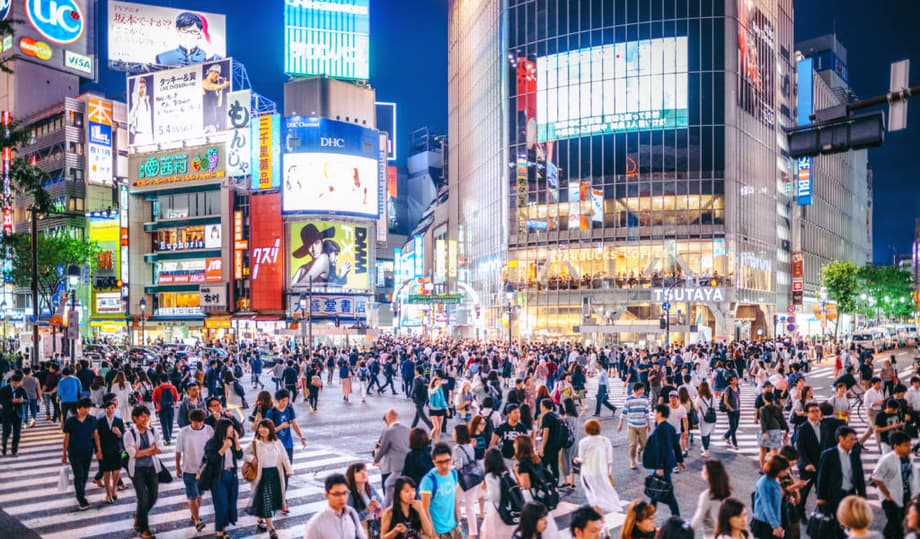
Reports of minor infractions, cultural misunderstandings, and blatant disregard for local etiquette have proliferated on social media and in news cycles. Incidents such as tourists mistreating sacred deer in Nara, climbers littering on Mount Fuji, and visitors harassing Geisha in Kyoto for photos have fueled public resentment. In urban areas like Asakusa and Shibuya, long-time residents complain that the sheer volume of tourists has transformed their neighborhoods into unrecognizable ‘cultural Disneylands,’ leading to hostile encounters between locals and visitors.
“Crimes and disorderly conduct by some foreign nationals, as well as the inappropriate use of various administrative systems, have created a situation in which the public feels uneasy and cheated,” said Prime Minister Shigeru Ishiba during a recent kickoff ceremony for a new administrative body addressing these concerns.
This anxiety is compounded by economic factors. Stagnant wages and a rising cost of living have made many Japanese citizens sensitive to the presence of foreigners who appear to be spending freely due to the weak yen. Consequently, the patience of locals is wearing thin, creating an environment where stricter enforcement of rules is welcomed by a segment of the electorate.
A Centralized ‘Control Tower’ for Coordination
To address these multifaceted challenges, the government recently established a dedicated administrative body within the Cabinet Secretariat. This body acts as a cross-agency ‘control tower’ designed to coordinate responses to crime, overtourism, and other issues involving foreign nationals. The formation of this headquarters acknowledges that previous fragmented efforts were insufficient to manage the scale and complexity of the current situation.
This new panel of experts is tasked with discussing ways to realize a ‘society of orderly and harmonious coexistence with foreign nationals.’ Unlike previous panels that focused primarily on ‘coexistence,’ this group places a strong emphasis on ‘order.’ The terminology suggests a shift in focus from inclusion to compliance, implying that foreigners will be expected to strictly adhere to the norms of the Japanese majority. The panel is expected to discuss tightening immigration and residency management, reviewing rules for land acquisition by foreign nationals, and enhancing Japanese language education frameworks.
Minister Onoda emphasized that her office would function as the central command for this initiative, ensuring that various ministries and agencies work in unison rather than at cross-purposes. This centralized approach is intended to streamline the implementation of the new policies and provide a single point of accountability for the public. The government has made it clear that maintaining public order and safety is the priority, even as it relies on foreign labor to sustain the economy.
Financial Measures and the Burden on Visitors
Alongside regulatory changes, the government is moving to increase financial charges on foreign nationals. This strategy serves the dual purpose of generating revenue and potentially dampening the influx of low-quality tourism. The government is currently weighing higher visa fees, a steeper departure tax, and a new pre-entry screening charge. Officials argue that Japan’s current rates, which have remained unchanged since 1978 in some cases, are far below international standards. A single-entry visa to Japan currently costs about 3,000 yen, whereas a United States tourist visa costs approximately 28,000 yen.
Proposals include raising the current 1,000-yen departure tax to around 3,000 yen. While Japanese nationals will also be subject to this increase, the bulk of the revenue will come from the millions of foreign travelers departing the country. The government plans to use this increased revenue to fund overtourism mitigation efforts and enhance immigration screening capabilities. Should the revenue exceed these costs, there is a proposal to use the surplus to fund the expansion of free high school tuition, a popular domestic policy measure.
Shifting the financial burden to foreign nationals, who cannot vote in Japanese elections, is a politically expedient move for the ruling coalition. Domestic tax hikes are deeply unpopular due to high inflation. Therefore, charging visitors for the privilege of entering and using the country’s infrastructure allows the government to raise funds without alienating its voter base. However, businesses in the tourism sector have expressed concern that significantly higher fees might deter visitors and hurt the economy, particularly in regions that have come to rely heavily on inbound spending.
Countering Overtourism Through Strategic Dispersal
The issue of overtourism is a central pillar of the new policy package. Japan welcomed a record 42.7 million foreign visitors in 2025, a 16% increase from the previous year. While this influx brings vital economic benefits, it has also overwhelmed popular destinations. The government’s strategy involves encouraging visits to a wider range of destinations outside the major tourist hotspots. This dispersal strategy aims to alleviate congestion in cities like Kyoto, Tokyo, and Osaka while redirecting tourism revenue to rural areas that face economic stagnation.
The Sustainable Tourism Promotion Headquarters has been working on guidelines for this transition. Measures include improving transportation links to regional areas, promoting ‘Hands-Free Tourism’ services that allow visitors to store luggage remotely, and supporting cashless transactions in over 20 regions. The government has identified model regions, such as Tottori and Shimane, and is creating unique experiences to attract travelers away from the crowded Golden Route.
Specific local interventions are also being implemented. In Kyoto, where local buses are often overcrowded with tourists, there are plans to divert visitors to railways. At Mount Fuji, officials have introduced an entry fee and a daily cap on the number of hikers to protect the environment and ensure safety. In Hakuba and Shirakawa-go, local governments are tackling issues like late-night noise, graffiti, and traffic congestion caused by tour buses. These localized measures are supported by the central government’s broader directive to balance economic growth with the quality of life for residents.
Real Estate Regulations and National Security
The new policies also address concerns regarding real estate ownership and national security. The government plans to conduct a survey on short-term transactions involving new condominiums in major cities, as well as purchases of such properties by overseas buyers. There is growing apprehension among some lawmakers that foreign capital is driving up property prices, making housing unaffordable for local citizens. In some cases, foreign ownership of land near sensitive military bases or strategic facilities has raised security concerns.
In a striking move, the government will consider nationalizing remote islands whose owners are unknown. This is partly a response to reports of uninhabited islands being purchased by foreign entities without clear purposes. Ensuring sovereignty over these remote territories is viewed as a matter of national security and border control. Officials plan to compile a framework for regulating real estate purchases by foreign nationals by the summer, after studying examples from other countries that have enacted similar restrictions.
These measures reflect a broader trend of viewing land and property through the lens of national interest rather than just open market exchange. As the geopolitical situation in the region becomes more tense, control over physical territory has taken on renewed importance. The government’s assertiveness in this area signals that foreign investment in Japanese real estate will face greater scrutiny and potential limitations in the future.
Political Implications and the Road Ahead
The timing and content of these policy measures are heavily influenced by the political landscape. The rise of the populist party Sanseito, which advocates a ‘Japanese First’ agenda, has put pressure on the ruling Liberal Democratic Party (LDP) to adopt a tougher stance on immigration and tourism. Opinion polls show that concerns over foreign nationals resonate strongly with voters, contributing to a surge in popularity for parties that promise stricter controls.
Prime Minister Sanae Takaichi, leading a conservative government, has emphasized her administration’s firm stance against illegal acts by some foreign nationals while publicly denouncing xenophobia. She acknowledged the labor shortages caused by population decline but insisted that coexistence must be ‘orderly.’ This political framing treats foreigners as a demographic issue that requires management and control rather than a cultural asset to be integrated.
For long-term foreign residents, this shifting climate creates a sense of uncertainty. Many report feeling the need to ‘tread carefully,’ changing their behavior to avoid drawing negative attention. There is a fear that the tightening of the regime around foreigners could lead to increased surveillance, stricter enforcement of minor infractions, and a narrowing of pathways to permanent settlement. The challenge for the government moving forward will be to reconcile the economic necessity of foreign labor and tourism revenue with the public’s desire for stability and the preservation of traditional social norms.
The Bottom Line
- The Japanese government has approved a package of basic policies imposing stricter requirements for foreign nationality and residency status.
- A new government ‘control tower’ will coordinate cross-agency responses to issues involving foreign nationals, including crime and overtourism.
- Foreign residents will be encouraged to learn Japanese language and rules, with their understanding potentially influencing residency screening.
- Visitors with unpaid medical bills will face increased scrutiny, with medical institutions sharing data on smaller debts.
- Financial measures under consideration include raising departure taxes, visa fees, and introducing a pre-entry screening charge for foreign travelers.
- Overtourism countermeasures focus on dispersing visitors to rural areas and implementing congestion controls in hotspots like Kyoto and Mount Fuji.
- The government will survey short-term real estate transactions by overseas buyers and consider nationalizing remote islands with unknown owners.
- These policies reflect rising ‘foreigner fatigue’ and a political shift toward stricter immigration control under the concept of ‘orderly coexistence.’