Human Rights Groups Demand Retraction of Controversial Hiring Proposal
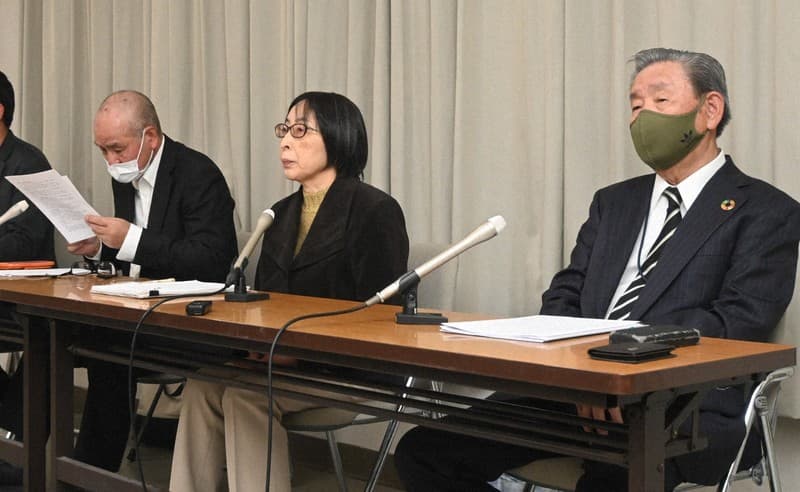
A coalition of human rights organizations in Japan has mobilized to oppose a proposed policy change in Mie Prefecture that would restrict the employment of foreign nationals in local government jobs. On January 13, a network consisting of three local rights groups held a press conference in Tsu to demand the prefectural government retract its plan to reinstate nationality requirements for public employees. The group argues that the proposal, which aims to halt the hiring of foreign nationals for most positions, represents a step backward for integration and sends a harmful message to the community.
- Human Rights Groups Demand Retraction of Controversial Hiring Proposal
- Security Concerns Drive Policy Reconsideration
- A Shift from Historical Integration Efforts
- Criticism of the Public Survey Approach
- Widespread Opposition from Local Leaders and Unions
- The Tension Between Security and Labor Needs
- The Essentials
The network includes the Buraku Liberation League’s Mie Prefecture federation, the Mie Prefecture association for research of education of foreign nationals, and the Human Rights Research Institute Against All Forms of Discrimination and Racism-Mie. Together, they have drafted a formal statement requesting the withdrawal of the plan, which was mailed to the prefectural government on December 30. The statement criticizes the administration for suggesting that unjust treatment based on nationality is acceptable.
Security Concerns Drive Policy Reconsideration
The controversy stems from an announcement made on December 25 by Mie Governor Katsuyuki Ichimi. The prefectural government is considering reinstating a rule that would require employees to hold Japanese nationality, a significant reversal of policies established in the late 1990s. Officials have stated that the primary motivation for this review is the prevention of information leakage. The administration fears that sensitive data, including residents’ private information, agricultural trade secrets, and disaster management details, could be compromised.
Central to these security concerns is China’s National Intelligence Law, enacted in 2017. This legislation obligates Chinese citizens and organizations to cooperate with state intelligence activities whenever requested. Mie officials have expressed worry that this legal obligation creates a conflict with the confidentiality duties required of local public servants. They specifically noted risks regarding the movements of dignitaries visiting the Ise Jingu shrine, one of the most important Shinto sites in Japan, located in Mie Prefecture. A senior prefectural official pointed out that the potential leakage of such information poses a national security problem.
Despite these concerns, the prefecture has clarified that any change in policy would not affect current employees. One foreign national currently working in a medical capacity will be retained even if the nationality requirement is reinstated. The review will focus on future hiring practices across the 44 of 49 occupation types that are currently open to non-Japanese citizens.
A Shift from Historical Integration Efforts
Mie Prefecture has a history of relative openness regarding foreign employment in the public sector. In fiscal 1999, the local government abolished nationality requirements for staff recruitment examinations to promote the social integration of foreign residents. At that time, exceptions were made only for specific posts that involve the exercise of public authority, such as tax collection and certain managerial roles. This policy was part of a broader effort to encourage foreign residents to participate in society and contribute to the local community.
The impact of this policy has been modest in terms of raw numbers, but symbolically significant. Since fiscal 2005, when reliable data became available, the prefecture has hired nine foreign nationals. These individuals have primarily worked in specialized professions, such as medicine. The current proposal marks a sharp departure from the inclusive stance maintained for over two decades. Mie is currently one of 12 prefectures in Japan that does not impose nationality requirements on personnel examinations for general administrative positions. A reinstatement of these requirements would align Mie more closely with the national standard, where the National Personnel Authority requires Japanese nationality for national public servants in principle.
Criticism of the Public Survey Approach
A specific point of contention for the human rights network is the method the prefectural government intends to use to gauge public support for the proposal. The administration plans to conduct a survey of approximately 10,000 randomly selected residents between late January and mid-February. The results of this survey, along with other factors, will influence the final decision on whether to reinstate the requirement.
Human rights advocates have strongly criticized this approach. They argue that allowing the majority population to vote on the rights of minority groups is fundamentally flawed from a human rights perspective. The network’s statement warns that this process risks allowing the majority to decide on issues that disproportionately affect minorities. They have called for the removal of the nationality requirement item from the survey entirely. In their statement, the groups described the plan as “mild xenophobia” and warned that it legitimizes discrimination.
Nobuko Usukine, chairperson of the Mie Prefecture association for research of education of foreign nationals, voiced her distress at the press conference.
“I believe it is an unjust distinction and discrimination based on nationality. I strongly hope the governor will retract it.”
Widespread Opposition from Local Leaders and Unions
The backlash against the proposal is not limited to human rights organizations. Municipal leaders within Mie Prefecture have also expressed dissent. The mayors of Suzuka and Kuwana have publicly stated that their cities will continue to hire foreign staff regardless of the prefecture’s decision. Iga Mayor Toshinao Inamori used his New Year address to highlight his concerns, stating that he fears the prefecture’s move could send a “message of exclusion to foreign nationals.”
Labor unions and legal associations have joined the chorus of disapproval. Isao Ito, general secretary of Jichiro, the national municipal and prefectural workers’ union, called for the immediate withdrawal of the policy. Three legal organizations, including the Labor Lawyers Association of Tokai, are preparing to issue a joint statement demanding the plan be scrapped. As of January 13, the human rights network had received support from 51 organizations both within and outside the prefecture, indicating that the opposition is gaining momentum.
The Tension Between Security and Labor Needs
While the prefectural government maintains that security is its priority, officials have acknowledged the essential role foreign nationals play in the local economy. Mie Prefecture has a thriving manufacturing industry that relies heavily on foreign workers. A senior prefectural official noted, “Without foreign nationals, neither Mie nor Japan can function.” This statement highlights the complex balancing act the administration is attempting to perform between tightening security protocols and maintaining a functional workforce.
Officials have stressed that policies promoting coexistence with foreign residents will continue, even if the hiring restrictions are enacted. The fiscal 2026 budget may include enhanced support for foreigners to learn Japanese, suggesting that the prefecture aims to support integration in areas outside of public sector employment. However, critics argue that barring foreign nationals from government jobs undermines the very concept of coexistence. They contend that if foreign residents are expected to contribute to the community and abide by local laws, they should also be eligible for public service positions.
Governor Ichimi has responded to the growing opposition by stating that he is aware of the submitted opinions. He said he intends to listen to these voices before making a final decision at an appropriate time. The outcome of this debate will likely set a precedent for how local governments in Japan navigate the increasing tension between national security concerns and the integration of foreign residents.
The Essentials
- Mie Prefecture is considering reinstating nationality requirements for public employees due to concerns over information leaks linked to China’s National Intelligence Law.
- A network of human rights groups has demanded the retraction of the proposal, calling it discriminatory and “mild xenophobia.”
- The prefecture abolished these requirements in 1999 to promote social integration, and currently hires foreign nationals for 44 of 49 job types.
- Groups have criticized a plan to survey 10,000 residents on the issue, arguing that majority rule should not determine minority rights.
- Local mayors in Suzuka, Kuwana, and Iga have opposed the move, as have labor unions and legal associations.
- One foreign national currently employed in a medical position will be retained even if the rule is reinstated.