What Happened and Why It Matters
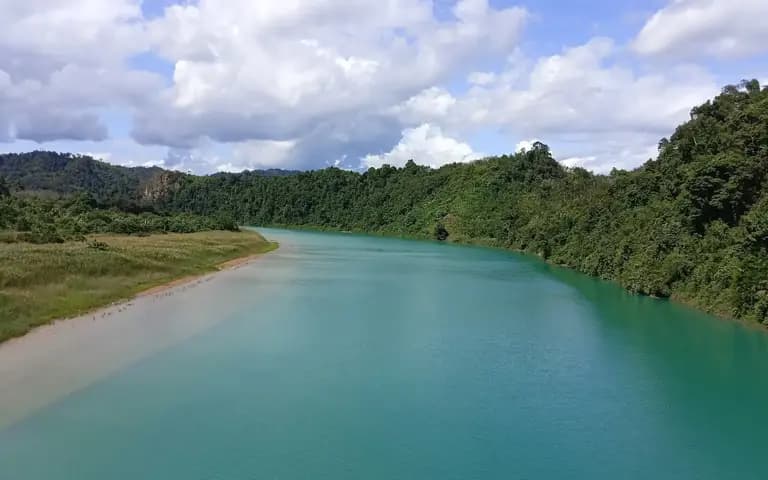
Malaysia has paused a rare earth pilot site and two tin operations in Perak after a dramatic stretch of the Perak River turned bright blue. The Ministry of Natural Resources and Environmental Sustainability opened an investigation following public reports of the discoloration on the river, which is the second longest on Peninsular Malaysia. Early findings link the blue water to discharge from a rare earth mining site operated by MCRE Resources in Upper Perak.
- What Happened and Why It Matters
- What Investigators Found So Far
- Who Was Ordered to Stop Work
- How In Situ Leaching Works and Why It Can Turn Water Blue
- Environmental and Public Health Concerns
- Malaysia’s Critical Minerals Strategy at Stake
- What Regulators Require Before Mines Can Restart
- Voices from Civil Society
- Lessons from Previous Mining Curbs
- What to Expect in the Near Term
- Key Points
Radiation readings at the site reached up to 13 becquerels, compared with the 1 becquerel limit that the project’s environmental impact assessment allowed. Inspectors are analyzing the chemicals used in the extraction process and are checking whether on-the-ground practices match what operators declared to regulators. The episode has drawn national attention because the Perak River supplies communities, farms and small businesses along its length.
State officials said the color change was first recorded on October 21 at the Kampung Sungai Papan Bridge, about five kilometers north of Kampung Air Ganda in Gerik. The visual shock of a blue river spurred calls for swift enforcement, tighter oversight and transparent test results.
What Investigators Found So Far
Authorities say discharge samples taken at the MCRE Resources site showed a bluish tone similar to the water seen in the river. Inspectors from the Minerals and Geoscience Department and the Department of Environment also documented non compliance at several locations, including failures on effluent treatment, erosion and sediment controls, and chemical handling.
Water quality checks were extended beyond the main channel to Sungai Rui, Sungai Kijang and Sungai Kepayang in Hulu Perak after complaints of pollution. Laboratories are now comparing the chemical profiles from the sites with the reagents that companies said they used in the mining process.
Who Was Ordered to Stop Work
Suspension orders were issued to three operators in Upper Perak. They include MCRE Resources Sdn Bhd, which runs Malaysia’s first rare earth extraction project using in situ leaching with technology shared by Chinese rare earth firms; Rahman Hydraulic Tin Sdn Bhd, the country’s largest open pit tin mine in Klian Intan; and Asiatic Mine Sdn Bhd or Nalidah Tin Mine Sdn Bhd, another tin operator named in official notices.
Officials said the Cabinet approved an initial suspension period of three weeks after the discoloration incident. Regulators also made clear that operations cannot restart until corrective measures are implemented and verified on site. The enforcement action followed complaints of pollution at several rivers in Perak, not just the main Perak channel.
How In Situ Leaching Works and Why It Can Turn Water Blue
In situ leaching involves injecting a chemical solution into ore bearing rock through boreholes. The solution dissolves target minerals underground and the fluid is then pumped to the surface for processing. The method avoids digging large pits, yet it demands strict control of fluids, lined well fields and reliable containment to prevent seepage into groundwater or nearby streams.
Depending on the reagents, the fluid can carry distinctive colors. Some metal complexes, tracer dyes, or residual copper compounds can create a visible blue hue. Investigators have not yet confirmed the exact cause in Perak. That is why the current focus is on matching the chemicals used with what was declared to authorities and what was detected in samples from the river and at the mine.
Rare earth deposits often occur alongside low levels of thorium and uranium in the host rock. Processing can concentrate these elements in waste streams. That explains why Malaysia’s assessment set a 1 becquerel threshold at the site. A becquerel is the unit of radioactivity equal to one atomic decay per second. Readings of up to 13 becquerels at the rare earth site point to the need for containment checks, even if the numbers are modest by nuclear standards.
Environmental and Public Health Concerns
The Perak River underpins life across the state. Villages draw water for household use, farmers rely on irrigation networks, and small businesses depend on the river for fishing and tourism. Color changes on that scale can signal chemical discharge, suspended solids or even algal responses to new nutrients. The immediate risk depends on concentrations, exposure time and whether the affected reach intersects with water intakes.
Radiation at the mine site does not automatically translate to hazardous levels in the river. It does, however, focus attention on waste handling, liner integrity at ponds and any accidental releases. Regulators have widened sampling to assess pH, dissolved metals, turbidity and radioactivity downstream. If needed, authorities say communities will be supplied with safe water while remediation proceeds.
Malaysia’s Critical Minerals Strategy at Stake
Malaysia holds an estimated 16 million tons of rare earth deposits. Policy makers have aimed to turn that geology into a new industrial pillar, with talks under way with Chinese partners on processing and a fresh cooperation agreement signed with the United States last month on rare earth development. Rare earths feed high strength magnets for electric vehicles and wind turbines, and they are essential in phones, sensors and some defense technologies. Tin remains vital for solder in electronics and in certain chemicals used by industry.
The halt in Perak highlights the balance Malaysia is trying to strike. Investors want predictable rules and steady progress on new supply. Communities want clean water, safe workplaces and transparent oversight. Strong enforcement can slow early projects, yet it can also build trust that production will not come at the expense of rivers or health. Malaysia has long sought more processing know how at home, and long term credibility will depend on environmental performance as much as on geology.
What Regulators Require Before Mines Can Restart
Officials have outlined conditions for a restart. The orders tie any resumption to full compliance with the Mining Operation Scheme approvals, the Mineral Development Act, environmental permits and water standards. Companies must show that the causes of the blue discharge have been identified and removed.
- Stop all discharge that does not meet standards and operate effective effluent treatment units.
- Rebuild or upgrade erosion and sediment controls, including diversion drains and settling ponds, to prevent runoff during heavy rain.
- Store, label and track all reagents used in the leaching process, and maintain accurate inventories and logs.
- Install continuous water quality monitoring at key points upstream and downstream of each site.
- Verify radiation management plans for handling residues and tailings, with secure containment and routine scans.
- Commission independent audits and provide data to regulators and the public.
Suspensions will remain until corrective measures are implemented and verified by inspectors. In practice, that can mean new infrastructure, stronger operating procedures, emergency drills and regular reporting. Regulators are stressing worker safety and clear communication with nearby communities.
Voices from Civil Society
Environmental groups welcomed the suspension but pressed for more transparency. Greenpeace Malaysia called for an independent expert panel to identify the cause of the discoloration, a public release of findings and a polluter pays approach to cleanup. The group also urged immediate testing downstream and provision of safe water where needed.
Heng Kiah Chun, the Campaign Lead at Greenpeace Malaysia, warned against growth at any cost and emphasized the primacy of health and trust before industrial expansion.
Heng said: “The expansion of the mining industry must never come at the cost of poisoned rivers, unsafe radiation levels, and erosion of public confidence, health and safety. A clean environment is not negotiable.”
The organization also recommended live water monitoring, higher penalties for repeat violations and stronger community involvement in remediation plans to prevent any repeat of the blue river incident.
Lessons from Previous Mining Curbs
Malaysia has reached for the pause button before when environmental concerns escalated. In 2016 the government suspended bauxite mining around Kuantan in Pahang after waterways turned red and coastal waters were affected by truck traffic and poor sediment control. The moratorium lasted several years, and operations resumed only after new rules and enforcement capacity were in place. That history is shaping expectations in Perak today, with the public watching for concrete corrective work and steady data sharing.
What to Expect in the Near Term
Investigators are now matching chemical signatures from the rare earth site with water samples from the river. Results will determine whether the reagents in use align with documents filed for environmental approval. If discrepancies are identified, regulators can tighten permits, extend suspensions or pursue sanctions under existing law. The Cabinet’s three week suspension provides a window to complete early tests and start repairs, though any restart will hinge on verified compliance, not on the calendar.
For markets, the immediate supply impact appears limited given the early stage of the Perak rare earth project. Tin output from two suspended sites may see temporary disruption, but global trade is broad. The larger test is whether Malaysia can show that growth in critical minerals can proceed with rigorous safeguards. Partners in China and the United States will watch how quickly the sites fix deficiencies and how reliably monitoring data is shared with authorities and the public.
Key Points
- Malaysia suspended one rare earth site and two tin mines in Perak after a stretch of the Perak River turned bright blue.
- Investigators linked the discoloration to discharge from the MCRE Resources rare earth site and recorded radiation readings up to 13 becquerels, above the 1 becquerel limit in the project’s environmental assessment.
- Non compliance cited across sites included effluent discharge, erosion and sediment control and chemical management failures.
- Suspension orders named MCRE Resources, Rahman Hydraulic Tin and Asiatic Mine or Nalidah Tin Mine, with an initial three week halt approved by the Cabinet.
- Water testing expanded to Sungai Rui, Sungai Kijang and Sungai Kepayang, as well as the main Perak channel.
- Authorities are scrutinizing chemicals used in in situ leaching and checking whether practices match what was declared to regulators.
- Malaysia holds an estimated 16 million tons of rare earth deposits and is in talks with China and the United States on development, but compliance will shape investment confidence.
- Regulators say operations will only restart after verified corrective actions, stronger monitoring and transparent reporting.
- Greenpeace Malaysia called for an independent panel, public findings and a polluter pays cleanup, saying a clean environment is not negotiable.