Big reserves, growing imports
Indonesia holds roughly 45 percent of the world's nickel reserves, yet its processing plants increasingly need ore from abroad. The country imported about 10.4 million tons of nickel ore in 2024, almost all from the Philippines. Industry projections point to imports of as much as 15 million tons in 2025, worth close to $600 million.
Contents
- Big reserves, growing imports
- Seven years of rapid processing growth
- Why the chemical mix matters
- Small cargo shares can keep furnaces running
- Mining approvals and delivery schedules
- Tracking ore from pit to port
- The Philippines gains a growing customer
- Ore tightness meets a refined nickel surplus
- Stainless steel and batteries need different materials
- Industry proposals focus on the mines
- What to Know
The Philippines has around 4.8 million tons of nickel reserves, a small fraction of Indonesia's endowment. Its mines nevertheless provide material that helps Indonesian smelters keep running. The apparent puzzle comes down to three practical needs: enough ore, deliveries at the right time, and the right chemical mixture for each furnace.
Indonesia's refining boom has moved faster than parts of its mining industry can supply consistent material. Delays in mining approvals, heavy rain, transport constraints and tighter enforcement against illegal ore sales have added pressure. Some domestic deposits also produce ore that needs blending with material from elsewhere before a smelter can use it efficiently.
The import forecast would represent an increase of about 4.6 million tons, or roughly 44 percent, from the 10.4 million tons imported in 2024. As of December 3, 2025, the figure of 15 million tons remains an industry projection. Philippine company guidance gives a lower range for shipments to Indonesia, between 5 million and 10 million tons in 2025.
For Jakarta, the central issue is whether mine development and delivery systems can keep pace with the processing capacity already built. A large reserve underground still has to be mined, sorted, transported and approved for sale before it can feed a furnace.
Seven years of rapid processing growth
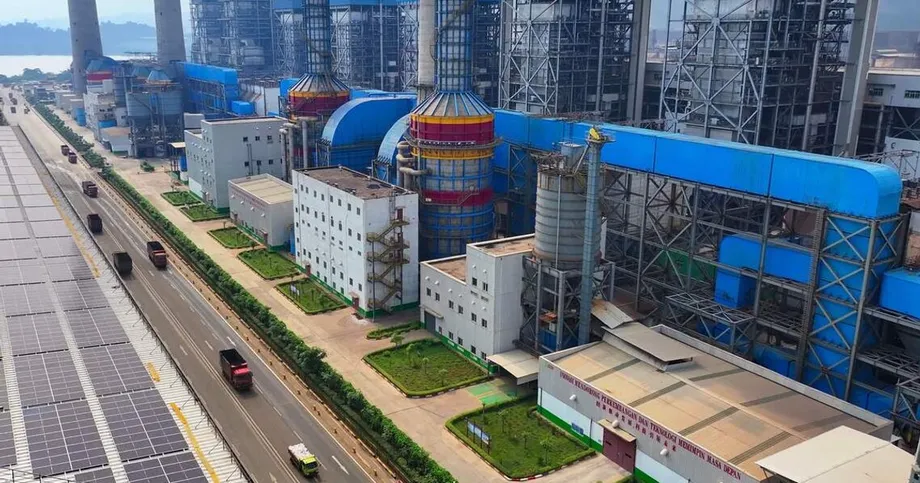
Indonesia has built the world's most aggressive nickel processing hub over the past seven years. Capacity for class two nickel, mainly nickel pig iron and ferronickel used in stainless steel, rose from about 250,000 tons in 2017 to more than 1.8 million tons in 2024. That is more than seven times the earlier level.
Class one capacity, covering higher purity material associated with the battery supply chain, reached roughly 395,000 tons. Indonesia has also expanded the production of nickel matte, mixed hydroxide precipitate and nickel sulfate, which connect mined ore with further processing for batteries.
Dozens of plants are concentrated across Sulawesi, Maluku and Kalimantan. Some use heat to process ore, a method known as pyrometallurgy. Others use chemical solutions, known as hydrometallurgy. Many projects have Chinese partners whose investment accelerated after Indonesia banned exports of raw nickel ore in 2020.
The policy sought to keep more processing inside Indonesia. Building furnaces, however, created a large and concentrated demand for feedstock. Mines needed to expand output, remove the rock and soil covering deposits, and organize reliable deliveries. Those tasks have not always advanced at the same speed as new plants.
Several dates show how the pressure developed:
- 2017: Indonesia had about 250,000 tons of class two nickel capacity.
- 2020: The ban on raw nickel ore exports accelerated investment in domestic processing.
- April and May 2024: Monthly ore imports from the Philippines reached roughly half a million tons in each month.
- 2024: Class two capacity exceeded 1.8 million tons, while annual ore imports reached about 10.4 million tons.
- 2025: Authorities began issuing larger quotas covering multiple years to many operators, while the SIMBARA tracking program launched to curb illegal nickel ore sales.
Why the chemical mix matters
Indonesia's nickel mostly comes from laterite deposits, which broadly contain two different ore zones: saprolite and limonite. Saprolite is richer in magnesium and is the main feed for nickel pig iron. Limonite is richer in iron, often contains more moisture, and is typically used in high pressure acid leach plants to produce mixed hydroxide precipitate for the battery chain.
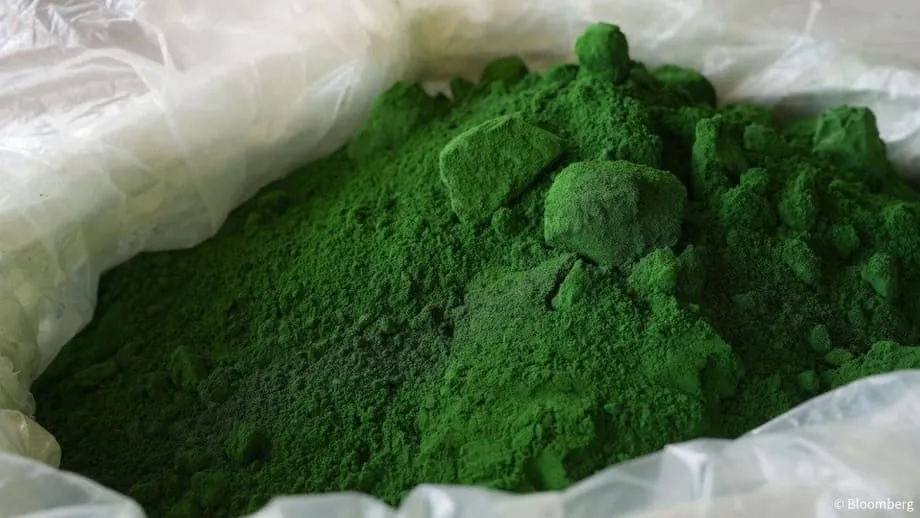
High pressure acid leaching uses acid under pressure to extract metals from ore. Mixed hydroxide precipitate, often shortened to MHP, is an intermediate material that requires further processing before it enters finished battery products.
Smelters also need the right balance of silicon and magnesium. Operators aim for a narrow range suited to the furnace design. Too much silica or magnesium relative to that design can make slag, the material separated from the metal during processing, thicker and harder to handle.
A poorly matched mixture raises electricity use and speeds up wear on the protective lining inside a furnace. Nickel recovery can suffer, output can fall, and the cost of producing each ton can rise. Keeping slag fluid helps the plant run steadily and protects its equipment.
Ore from a particular Indonesian pit or district may fall outside the desired chemical range when used alone. Operators blend it with ore from other locations, including Philippine cargoes, to bring the mixture closer to the furnace target.
Nickel content is therefore only part of a purchasing decision. Smelters also consider how the full composition will behave during processing. Imported ore can serve a useful role even when its nickel grade is lower, especially while Indonesian mines expand and improve ore preparation.
Small cargo shares can keep furnaces running
Philippine shipments rose quickly during the spring of 2024. Indonesia imported roughly half a million tons in April and again in May, more than double the March total. Surveys tracked about 11 vessels carrying around 0.55 million tons in May.
Those May cargoes represented roughly 3 percent of the nickel ore used domestically that month. A small share can still matter when a plant needs an extra delivery or a particular blending material to maintain production.
Smelter operators have faced several pressures at once. Processing capacity grew faster than mine output and the removal of overburden, the material covering an ore deposit. Seasonal rains and port constraints disrupted deliveries in both Indonesia and the Philippines. Delayed quota approvals made it harder to secure predictable supplies.
Higher domestic ore premiums also encouraged purchases abroad. A premium is the extra amount a buyer pays above a reference price. When that extra cost rises, some imported cargoes become competitive despite their lower grade.
Tighter tax compliance and resource tracking reduced the amount of ore moving outside formal channels. The result was a narrower pool of available material at times, just as smelters were seeking backup deliveries. Imports helped address both immediate supply gaps and the need for a suitable furnace mixture.
Mining approvals and delivery schedules
Indonesia's mining work plans, known as RKAB, determine approved mining activity and production volumes. Changes in their validity have complicated planning. A shift from plans lasting three years to plans lasting one year made it harder for companies to organize mine development over a longer period.
Mining companies need time to arrange stripping work, hauling fleets and contractor financing. They repeatedly cited difficulty matching that work with the increasing output of smelters under a planning cycle of one year.
Authorities began issuing larger quotas covering multiple years to many operators in 2025. Approval timing remained uneven, however, and hundreds of applications were still pending at times. Inspections concerning unpaid royalties and investigations into permit allocation added further delays.
Heavy rain in early 2024 also pushed back deliveries in several regions. Even an approved mine can struggle to move ore when pit access, roads or barge traffic are disrupted.
National totals and local supply conditions can tell different stories. Some smelter clusters have enough material, while others face shortages because nearby mines are waiting for paperwork or removing overburden. A quota approved for the year does not put ore beside a furnace on the day it is needed.
The Energy and Mineral Resources Ministry initially pointed to aggregate approvals that should cover demand, before acknowledging supply mismatches in certain districts. Muhammad Wafid, the ministry's acting director general of minerals and coal, addressed the import pattern:
There are reports of nickel being imported from the Philippines because the smelters are short of materials.
Other senior voices questioned whether imports were strictly necessary, citing the headline tonnage approved under RKAB. Smelter managers focused on delivery timing and ore quality. Their immediate problem was obtaining material a furnace could use that week, even when annual approved volumes appeared sufficient.
Tracking ore from pit to port
Indonesia launched the digital tracking program SIMBARA in 2025 to curb illegal nickel ore sales. The system is designed to make each shipment traceable from the mine pit to the port, helping connect ore movements with formal compliance requirements.
Mines and smelters need time to join the system and adjust their procedures. Domestic availability dipped during the transition as operators adapted to the new requirements. The broader enforcement push also limited ore that had previously circulated outside official channels.
More participation should improve transparency about where ore comes from and how it moves. For buyers, better information can help match available material with the chemical mixture their plants require. For authorities, tracking supports the push for tax compliance and legal sales.
Smelters still need physical deliveries alongside better records. Digital tracking, mine approvals, ore preparation and transport all affect whether compliant material arrives in usable quantities. Industry proposals therefore pair stronger data systems with improvements to mining and logistics.
The Philippines gains a growing customer
The Philippines is the world's second largest producer of mined nickel and a major exporter of raw ore. China has traditionally taken most of its cargoes and remains by far its largest buyer. Indonesia's purchases have grown from a very small base into a meaningful trade flow.
Philippine company guidance indicates shipments to Indonesia could reach between 5 million and 10 million tons in 2025, with individual producers planning to supply part of that volume. For miners, the Indonesian market provides another customer alongside China.
Tulsi Das Reyes, president of the mining unit of DMCI Holdings, expects the present pattern may not last as Indonesia works to increase domestic mine output. Explaining his view of Indonesia's supply choices, he said:
If I were Indonesia, I would maximize what I have internally.
Philippine policymakers have periodically considered banning exports of raw minerals to encourage processing at home, drawing on Indonesia's 2020 approach. One version proposed giving miners five years to build plants.
Industry groups warned that high electricity prices, logistics constraints and difficulties with local permits could discourage investment and force mine closures. No ban has been enacted, and recent policy moves have signaled a retreat from the proposal. The debate continues.
A renewed export restriction would create a supply risk for Indonesian plants that use Philippine ore for blending. Weather already makes those deliveries less predictable: the Philippine monsoon can slow mining and ship loading, while rain in Sulawesi and other Indonesian regions can disrupt access to pits and barge movements.
When delayed Indonesian quotas coincide with weather interruptions, buyers tend to bid more for cargoes available for immediate purchase. That competition can lift benchmark prices across the region.
Ore tightness meets a refined nickel surplus
Indonesian nickel pig iron output fell by nearly 5 percent in the first quarter compared with the previous quarter. Nickel pig iron prices in Indonesia and China rose to their highest levels in six months, while nickel ore prices climbed through early 2025. Some market trackers recorded an increase of roughly 25 percent by May.
Global statistics nevertheless showed a surplus of primary nickel. These conditions can coexist because raw ore and processed nickel sit at different stages of the supply chain. A shortage of suitable feed at a mine or smelter cluster can raise local costs while the wider market has abundant finished or intermediate nickel products.
New processing plants increase demand for ore before every part of the mining and delivery network is ready. At the same time, expanding nickel production can add to supplies further along the chain. The pressure on smelters is therefore shaped by both their input costs and the prices they receive for output.
Royalty and pricing reforms are also changing margins. A formula that adjusts royalties with benchmark prices affects the payments producers make as market prices move. Higher ore premiums, electricity bills, transport constraints and compliance costs can squeeze earnings further.
A furnace mixture outside the target silicon to magnesium range adds another expense through higher power use, equipment wear or lost output. These pressures explain why operators seek predictable access to suitable ore, including temporary imports while new mines increase production and delivery systems improve.
Stainless steel and batteries need different materials
Stainless steel still accounts for the majority of nickel demand, and most class two output supplies that industry. Indonesia's expansion in nickel pig iron and ferronickel therefore remains closely tied to steel production, even as the country develops its electric vehicle battery supply chain.
Battery demand is growing from a smaller base. Nickel rich chemistries such as NCM, which uses nickel, cobalt and manganese, support that demand. Rapid adoption of lithium iron phosphate batteries has tempered growth in nickel use in the near term.
High purity class one nickel remains important for many electric vehicle supply chains. Indonesia continues to expand intermediate battery materials, including mixed hydroxide precipitate and nickel matte, alongside nickel sulfate refining.
Different plants need different feed and processing routes. Saprolite supplies much of the nickel pig iron chain, while limonite typically feeds high pressure acid leach operations. Reliable supply therefore requires attention to ore type and composition as well as total tonnage.
Industry proposals focus on the mines
Industry leaders in Jakarta maintain that Indonesia's nickel strategy is on track, while arguing that the mining foundation needs to become stronger. The Indonesian Nickel Industry Forum has proposed measures covering exploration, planning, ore handling, transport and supply information.
The proposals aim to connect mine development more closely with the needs of nearby smelters and provide reserves of usable material when approvals or weather interrupt deliveries:
- Speed up exploration and mapping of resources near smelter clusters so new pits can provide consistent ore for many years.
- Stabilize RKAB rules, support work plans covering multiple years and deliver timely approvals each quarter.
- Prioritize quota approvals for mines physically integrated with smelters to shorten haulage distances and reduce scheduling conflicts.
- Apply technical mining standards that improve consistency, including separating stockpiles by chemistry and controlling moisture.
- Build dedicated blending yards and strategic stockpiles in major industrial parks.
- Improve roads, barging and ports around nickel hubs to reduce rainy season disruptions.
- Expand digital tracking and data transparency so buyers can find compliant ore with the chemistry they need.
- Diversify small import volumes among additional suppliers where practical, allowing for differences in transport and costs.
Ore blending will remain part of plant operations. The goal is to reduce dependence on imported material as Indonesian pits open, stockpiles grow and systems such as SIMBARA mature. More predictable domestic supplies, in both quality and timing, would help keep smelters operating at high utilization and protect margins across stainless steel and battery materials.
What to Know
- Indonesia holds roughly 45 percent of global nickel reserves but imported about 10.4 million tons of ore in 2024, almost all from the Philippines.
- Industry projections put 2025 imports at as much as 15 million tons, worth close to $600 million.
- Philippine company guidance gives a range of 5 million to 10 million tons for shipments to Indonesia in 2025.
- Imports help provide the silicon to magnesium balance needed for efficient furnace operation.
- Class two capacity grew from about 250,000 tons in 2017 to more than 1.8 million tons in 2024; class one capacity reached roughly 395,000 tons.
- Approval delays, weather, transport constraints and tighter controls on illegal ore flows have restricted supply at times.
- The Philippines has debated a raw mineral export ban but has not enacted one.
- Industry proposals call for faster exploration, predictable mining approvals, better logistics, blending yards, stockpiles and stronger supply tracking.