A Solar Colossus Takes Shape
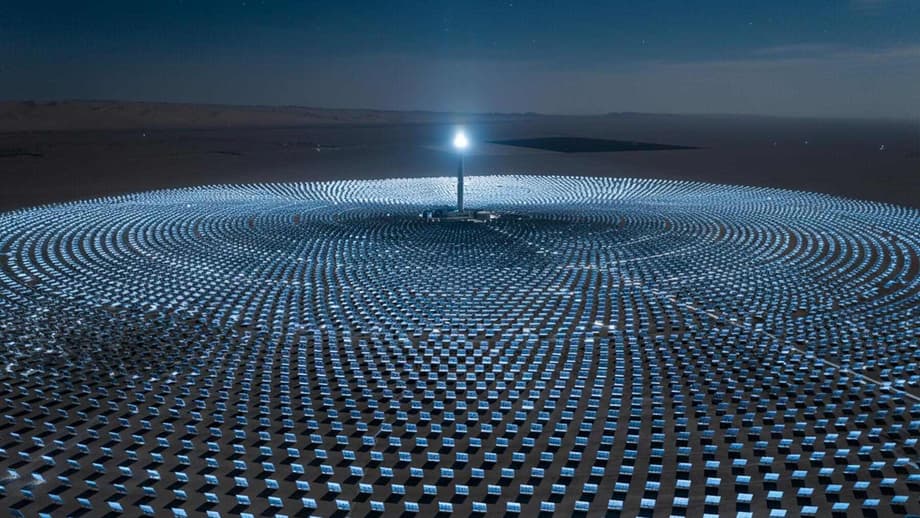
On the rolling plains of Nueva Ecija and Bulacan provinces, approximately 150 kilometers north of Manila, construction crews are assembling what will become the largest integrated solar and battery storage facility on Earth. When the final panels are mounted and the last battery modules installed, the Terra Solar project, also designated MTerra Solar, will comprise 3.5 gigawatts of photovoltaic capacity paired with 4.5 gigawatt-hours of energy storage, spread across 3,500 hectares of land equivalent to roughly 83,000 basketball courts.
This facility represents more than a construction project. It marks a fundamental shift in how the Philippines generates electricity, moving from imported coal and volatile fossil fuel markets toward domestic renewable resources capable of supplying clean power to approximately 2.4 million households. With construction beginning in November 2024 and initial operations scheduled for early 2026, the development is advancing rapidly, though not without facing technical hurdles and corporate governance challenges that highlight the complexities of modern energy transitions.
Engineering at Unprecedented Scale
The numbers associated with Terra Solar strain conventional understanding of renewable energy infrastructure. The project will eventually operate up to five million solar panels simultaneously, generating an estimated 5 terawatt-hours of electricity annually, enough to meet roughly 12 percent of the Philippines’ total electricity demand. To grasp the scale, consider that 3.5 gigawatts represents the output of several large coal-fired power stations combined, while 4.5 gigawatt-hours of battery storage can discharge 850 megawatts of power continuously for over five hours, effectively bridging the gap between daytime solar generation and evening peak demand.
Central to the project is its battery energy storage system, supplied by Huawei under the company’s largest BESS contract to date. The system utilizes containerized lithium-ion battery modules equipped with fire suppression systems, climate controls, and advanced power conversion technology. These systems allow Terra Solar to store excess electricity generated during low-demand periods and release it back to the grid during peak hours, transforming the facility from a variable generation asset into a dispatchable power source capable of providing baseload power to Manila Electric Company (Meralco) under a 20-year power supply agreement.
Jacobs Engineering Group has been retained to provide construction management services, utilizing drone technology and advanced digital tools to coordinate logistics across the 11.5 square mile site. Meanwhile, China Energy Engineering Corporation and POWERCHINA are handling engineering, procurement, and construction contracts for various phases, including the installation of high-voltage transmission infrastructure necessary to move power from the rural provinces to metropolitan Manila.
Billions in Investment and Shifting Ownership
Developing the world’s largest solar-plus-storage facility requires capital on a commensurate scale. The project carries an estimated price tag of $3.3 to $4 billion (PHP 200 billion), making it one of Southeast Asia’s most expensive renewable energy investments. In September 2024, UK-based infrastructure investor Actis committed approximately $600 million for a 40 percent equity stake, representing the largest foreign direct investment in a Philippine greenfield infrastructure project. This investment closed in March 2025, providing crucial funding for development and expansion while bringing international infrastructure expertise to the consortium.
The ownership structure has undergone significant transformation since the project’s inception. Originally conceived by Solar Philippines New Energy Corporation (SPNEC) with a modest 500 MW scope, the project expanded eightfold within a year as investor confidence grew and energy policies shifted. SPNEC has since come under the controlling ownership of Meralco PowerGen Corporation (MGen), the power generation arm of the Philippines’ largest utility, which holds over 55 percent of voting shares through its subsidiary MGreen Renewable Energy Inc.
In January 2026, the project experienced a major governance transition when Batangas Representative Leandro Leviste, who founded Solar Philippines and originally proposed the development, resigned from the board of Terra Solar Philippines Inc. MGen President and CEO Emmanuel Rubio assumed Leviste’s seat, a move characterized by the company as a natural progression toward operational execution. Rubio explained the rationale behind the changes:
This transition marks a natural progression for MTerra Solar as it approaches commissioning. Strengthening board leadership at this stage ensures closer alignment between strategic oversight, system integration, and operational execution as we move toward delivering clean, reliable power to the grid.
This leadership shift occurred amid regulatory scrutiny of Leviste’s other business interests, including a P24 billion penalty levied by the Department of Energy against his holding company for failures related to separate renewable energy service contracts unrelated to Terra Solar.
Regulatory Approvals and Grid Integration Hurdles
For a project of this magnitude, connecting to the national grid requires extensive regulatory clearance. In October 2025, the Energy Regulatory Commission approved Terra Solar’s application to construct PHP 14.25 billion worth of dedicated point-to-point transmission facilities, including a 500-kilovolt substation along the Nagsaag-San Jose transmission line. As of September 2025, construction of these facilities had reached 90 percent completion, clearing a critical path toward the February 2026 commissioning target for Phase 1.
However, grid integration poses substantial technical challenges that illustrate the tension between rapid private sector development and public infrastructure capacity. The National Grid Corporation of the Philippines has raised concerns about frequency stability, noting that weather events affecting the 3,500 MW facility could cause sudden output drops exceeding 300 megawatts within seconds. Because Philippine regulations mandate that solar generation receive priority dispatch, grid operators worry that rapid fluctuations could destabilize the Luzon grid if not carefully managed through the battery storage systems.
Complicating matters further, the permanent connection point at the San Isidro 500-kV substation will not be ready until between 2031 and 2040, according to government infrastructure plans. Until then, Terra Solar must rely on temporary bus-in connections to the existing transmission network, a situation that NGCP warns could cause voltage fluctuations and equipment stress in surrounding areas. The project addresses these concerns through its phased battery storage deployment, with Phase 1 incorporating sufficient storage capacity to sustain output during peak evening demand and provide grid-stabilizing services.
Energy Security and Economic Impact
The Philippines currently relies on imported coal and natural gas for the majority of its electricity generation, exposing consumers to volatile global commodity prices and currency fluctuations. Filipino households pay among the highest electricity rates in Asia, with costs rising whenever international fuel markets spike. Terra Solar offers a hedge against these price swings by providing fixed-cost solar generation backed by long-term contracts, potentially insulating consumers from international commodity volatility while reducing the national import bill for fossil fuels.
Beyond economics, the project advances national energy security goals. The Philippines has committed to sourcing 35 percent of its energy from renewable sources by 2030 and 50 percent by 2040. With current solar capacity representing only 5.5 percent of the nation’s 28-gigawatt installed base, Terra Solar’s contribution moves the country substantially toward these targets while reducing dependence on fuel imports subject to supply chain disruptions and geopolitical tensions.
Environmental benefits extend beyond carbon reduction. By displacing coal generation, the facility will avoid approximately 4.3 million tons of carbon dioxide emissions annually, equivalent to removing over 3 million cars from roads. During construction, the project has already employed more than 9,500 workers, with ongoing operations expected to create permanent positions in engineering, maintenance, and grid management. Local community programs including workforce training initiatives and solar streetlight installations aim to ensure surrounding municipalities benefit directly from the development.
Construction Timeline and Path to Operation
Despite its scale, construction is advancing ahead of schedule in many respects. By July 2025, crews had completed 54 percent of Phase 1 work within eight months of groundbreaking, installing 778 megawatts of solar capacity that already makes Terra Solar the largest operating solar installation in the Philippines. The recent energization of the 500-kV substation marked a critical technical milestone, enabling the facility to begin testing grid synchronization procedures.
The project will reach completion in two distinct phases. Phase 1, encompassing 2.5 gigawatts of solar capacity and 3.3 gigawatt-hours of battery storage, is scheduled for commercial operation by February 26, 2026. Following this, Phase 2 will add the remaining capacity with full commissioning targeted for February 2027. Once complete, the facility will operate under the MGreen banner, as SPNEC has applied to change its corporate name to MGen Renewable Energy Holdings Inc., reflecting the full integration of the asset into Meralco’s renewable energy portfolio.
The Essentials
- Terra Solar (MTerra Solar) is a 3.5 GW solar and 4.5 GWh battery storage project spanning Nueva Ecija and Bulacan provinces in the Philippines, located approximately 150 kilometers north of Manila.
- The $3.3-4 billion facility began construction in November 2024, with Phase 1 (2.5 GW) expected operational by February 2026 and Phase 2 by February 2027.
- Developer Terra Solar Philippines Inc. is controlled by Meralco PowerGen (MGen) with UK-based Actis holding a 40% equity stake via a $600 million investment, the largest foreign direct investment in a Philippine greenfield infrastructure project.
- The project secured Energy Regulatory Commission approval for PHP 14.25 billion in transmission facilities but faces grid integration challenges until a permanent substation is completed in the 2031-2040 timeframe.
- Once operational, the facility will supply 850 MW to utility Meralco under a 20-year contract, serving approximately 2.4 million households and avoiding an estimated 4.3 million tons of CO2 emissions annually.
- Founder Leandro Leviste departed the board in January 2026 amid regulatory penalties affecting his other companies, with MGen CEO Emmanuel Rubio assuming leadership to guide the project through commissioning.
- Major contractors include Huawei (battery storage), Jacobs Engineering (construction management), and China Energy Engineering Corporation/POWERCHINA (EPC services).