Thousands Queue for Emotional Final Viewing
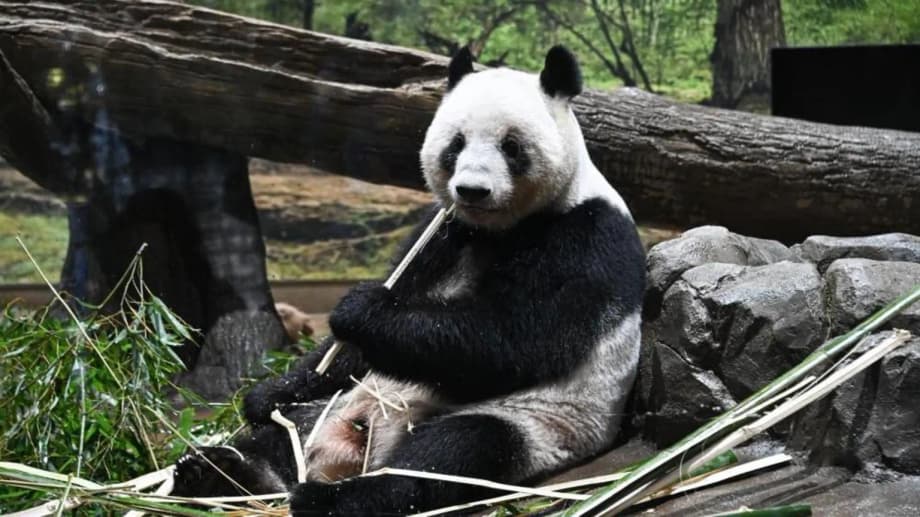
Tokyo’s Ueno Zoological Gardens became the site of an impromptu national wake on Sunday as thousands of Japanese citizens gathered to bid farewell to the nation’s last two giant pandas. Visitors began lining up before dawn, some waiting as long as six hours, hoping to catch a final glimpse of four-year-old twin siblings Xiao Xiao and Lei Lei before their departure to China. The scene was both celebratory and mournful, with many attendees clad in panda-themed clothing and clutching stuffed animals as they inched forward in queues that wrapped around the zoo grounds. Exclamations of “kawaii,” the Japanese word for cute, mingled with sniffles and quiet sobs as visitors finally reached the glass enclosures.
The zoo implemented a strict lottery system to manage the overwhelming demand, offering just 4,400 viewing slots for the final day. According to the Tokyo Metropolitan Government, approximately 108,000 people applied for these positions, creating competition rates of roughly twenty-four to one. Those fortunate enough to secure tickets were granted only sixty seconds with the beloved bears, yet many described the brief encounter as priceless.
Ai Shirakawa, one of the visitors who secured a spot, spoke to reporters about the personal significance of the moment.
I have been bringing my son here since he was a baby, so I hope it becomes a good memory for him. I am glad we could come today to remember them.
The emotional weight of the departure was palpable throughout the facility. Hitoshi Suzuki, the chief of animal care and exhibition at Ueno Zoo, struggled to contain his emotions when addressing the media.
The birth of these twins truly gave us so much, both in terms of experience and emotional impact. I am deeply grateful for that.
Some visitors were photographed shedding tears as they exited the panda pavilion, unable to reconcile with the reality that this was truly the end of an era. Tetsuka, a devoted fan dressed head to toe in panda paraphernalia who failed to win the lottery, still came to stand near the gates, explaining, “It saddens me that they are leaving, but I hope they live happily and healthily in China.”
From Diplomatic Gift to Strategic Asset
The history of pandas in Japan stretches back to October 28, 1972, when the first pair, Kang Kang and Lan Lan, arrived at Ueno Zoo as a gift from Beijing. Their arrival marked the normalization of diplomatic relations between Japan and the People’s Republic of China, ending decades of hostility following World War II. The timing was deliberate and symbolic, representing a new chapter of friendship between the former adversaries. In the first year alone, more than 7.6 million people flocked to see the black-and-white animals, establishing an immediate and enduring national obsession.
What began as outright gifts evolved during the 1980s into a sophisticated program of long-term loans governed by the Washington Convention on International Trade in Endangered Species. Under these arrangements, China retains full ownership of all pandas, including cubs born on foreign soil. Host nations pay annual fees of approximately one million dollars per pair, funds that supposedly support conservation efforts in Sichuan province, the bears’ native habitat. The loans typically span a decade, though extensions are frequently negotiated as relations between Beijing and host capitals ebb and flow.
This practice, known globally as panda diplomacy, has allowed China to utilize its unique monopoly on the species. The animals function as soft power tools, dispatched to friendly nations during periods of cooperation and recalled when diplomatic winds shift. In 2011, the loan of two pandas to Edinburgh Zoo coincided with negotiations over salmon exports, Land Rover vehicles, and energy technology contracts, demonstrating how the cuddly creatures often accompany more concrete economic arrangements. China maintains ownership of every giant panda in the world with one exception: Xin Xin in Mexico.
Taiwan Remarks Ignite Diplomatic Crisis
The pandas’ return comes at a particularly fraught moment in Sino-Japanese relations, with tensions at their lowest point in years. The immediate trigger was a series of remarks by Japanese Prime Minister Sanae Takaichi before a parliamentary committee in November 2025. Takaichi suggested that a hypothetical Chinese military attack on Taiwan could legally constitute a “survival-threatening situation” for Japan, potentially triggering Tokyo’s right to collective self-defense and military intervention alongside the United States. She later clarified that her comments referred to rescuing Japanese and American citizens in Taiwan, stating, “When something serious happens there, we have to go and rescue the Japanese and Americans in Taiwan. That means we might take joint action.”
Beijing reacted with fury to these comments, which touched the most sensitive nerve in Chinese foreign policy. China views Taiwan as an inseparable part of its territory and has never renounced the use of force to achieve reunification. Foreign Ministry spokesman Guo Jiakun issued a stern rebuke.
The Japanese side is in no position to interfere in the affairs of China’s Taiwan region. The remarks by the Japanese side once again reveal the Japanese right-wing forces’ ambitions to provoke antagonism, make trouble, and take the opportunity to keep remilitarizing Japan and to challenge the post-war international order.
Guo added that Takaichi’s remarks had “severely threatened regional peace and stability and the political foundation of China-Japan relations.” The diplomatic fallout has extended far beyond verbal sparring. China has advised its citizens against traveling to Japan, citing worsening public security, causing a steep decline in Chinese tourism. Beijing reinstated a ban on Japanese seafood imports and tightened restrictions on exports of rare earth elements, critical components for Japanese manufacturing sectors ranging from electric vehicles to missile systems. The Japanese Consulate in Chongqing has reportedly been without a consul for over a month because China has delayed approval of a replacement.
Economic and Cultural Void
Beyond the emotional distress of fans, the absence of pandas threatens concrete economic consequences for Tokyo. According to Katsuhiro Miyamoto, an economics professor at Kansai University, Ueno Zoo will lose approximately twenty billion yen (about $128 million) annually without its star attractions. If the situation persists for several years, the cumulative negative impact could reach tens of billions of yen, affecting not just the zoo but surrounding businesses in the Ueno district, where panda imagery adorns everything from train stations to department stores. During the first year after Xiao Xiao and Lei Lei debuted publicly in 2021, they generated an estimated thirty billion yen in economic impact.
For devoted followers, the loss feels personal. Takahiro Takauji, a web engineer who has visited the zoo daily for fifteen years, has taken more than ten million photographs of the pandas, publishing multiple photo books and maintaining a blog called “Every Day Pandas.” He described the twins as “just like my own children” and expressed disbelief that Japan could be without pandas. Asao Ezure, manager of a souvenir shop near the zoo, worried aloud about the commercial impact while defiantly refusing to change his shop’s panda-themed signboard, maintaining hope that the animals will eventually return.
The cultural penetration of pandas in Japan cannot be overstated. Subsequent pandas after the initial 1972 pair have become national celebrities, with their births, deaths, and romantic lives documented obsessively by national media. The 2008 death of Ling Ling, a male panda who had lived at Ueno since 1992, sent zookeepers and the public into genuine mourning, illustrating how these animals transcend their zoological status to become members of the national family. When Shin Shin gave birth to the twins in 2021, the event dominated national news cycles for weeks.
Arrival in China and Uncertain Future
Xiao Xiao and Lei Lei departed Tokyo’s Narita Airport on Tuesday evening in specialized crates, arriving safely at the China Conservation and Research Center for the Giant Panda in Sichuan province early Wednesday morning. They will undergo standard quarantine before being reunited with their elder sister, Xiang Xiang, who returned to China in 2023. The twins’ parents, Shin Shin and Ri Ri, had already returned to China in 2024 due to health concerns, leaving the four-year-olds as Japan’s sole representatives of the species. The metropolitan government announced on December 15 that the pair would leave earlier than their original February deadline, accelerating the schedule by nearly a month.
The prospects for new pandas arriving in Japan appear dim in the current climate. Despite requests from the Tokyo Metropolitan Government for an extension or replacement loan, Chinese authorities have indicated no plans to dispatch additional animals. An Asahi Shimbun survey revealed a divided Japanese public, with approximately seventy percent opposing negotiations for new pandas while twenty-six percent supported such efforts, reflecting growing wariness toward Beijing even among panda lovers.
Professor Rumi Aoyama, an expert in Japan-China relations at Waseda University, noted that pandas function primarily as indicators rather than drivers of bilateral relations.
Giant pandas function mainly as symbols of Sino-Japanese friendship rather than as drivers of bilateral relations. Their presence here does not in itself advance ties, and nor does their return to China undermine them. Instead, they serve as indicators of the broader state of relations between the two countries.
With Takaichi calling a snap general election and refusing to retract her Taiwan remarks, which have contributed to high approval ratings, a thaw in relations appears unlikely before the polls. Guo Jiakun offered a carefully worded invitation to Japanese fans, stating, “We, as always, welcome Japanese friends to come visit giant pandas in China.” Yet this gesture rings hollow for many devotees who cannot afford international travel. As the windowless truck carrying the twins pulled away from Ueno Zoo on Tuesday, watched by hundreds of tearful well-wishers, it marked not just the end of a lease agreement but potentially the close of a fifty-year chapter in Sino-Japanese cultural exchange.
The Essentials
- Xiao Xiao and Lei Lei, the last giant pandas in Japan, returned to China on January 27, 2026, ending Japan’s first panda-free period since 1972
- The twins were born at Tokyo’s Ueno Zoo in 2021 to parents on loan from China; all pandas remain Chinese property under panda diplomacy agreements
- Tensions escalated after Japanese Prime Minister Sanae Takaichi suggested Tokyo might intervene militarily if China attacked Taiwan
- Beijing responded with travel warnings, seafood import bans, and rare earth export restrictions against Japan
- The Tokyo Metropolitan Government has requested replacement pandas but China has indicated no plans for new loans amid the diplomatic row
- Economic analysts estimate the loss of pandas will cost Ueno Zoo and surrounding businesses approximately twenty billion yen annually