Two Supermarkets Leave the Scheme, but Shoppers Still Pay
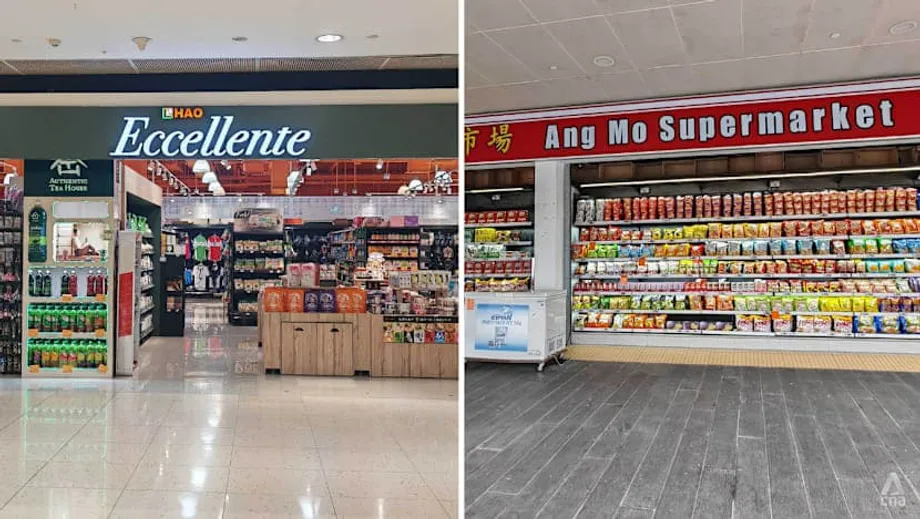
Hao Mart and Ang Mo Supermarket have become the first retailers to leave Singapore's mandatory disposable carrier bag charge scheme since it began on July 3, 2023. The National Environment Agency (NEA) confirmed their deregistration on January 30, 2026, after both operators recorded annual turnover below the S$100 million threshold for three consecutive years.
Contents
- Two Supermarkets Leave the Scheme, but Shoppers Still Pay
- Why the Retailers Qualified to Withdraw
- How the Charge and Reporting Rules Work
- The Dates Behind the First Departures
- Hao Mart Used Its Proceeds for Business Expenses
- Ang Mo Supermarket Supported Community Education
- What Deregistration Changes at the Checkout
- Bag Use Fell by 70 to 80 Per Cent
- Millions in Proceeds, With Many Bags Still Used
- A Framework That Can Adjust to Business Size
- Key Points
The change removes their legal obligation to charge for disposable carrier bags and submit compliance reports from 2026 onward. It has not yet removed the charge at the checkout. As of January 30, Hao Mart outlets at Marina Square and Whampoa and the Ang Mo Supermarket outlet in Potong Pasir were still charging five cents per plastic bag.
Both companies applied to withdraw at the end of 2025. Their departure is the first example of the deregistration process being used under the Resource Sustainability Act, which governs the scheme. Eight major grocery chains remain enrolled, including Cold Storage, FairPrice and Don Don Donki.
The two departing operators also leave behind very different records of how they used their bag charge income. Hao Mart retained its proceeds after tax to cover business expenses. Ang Mo Supermarket directed its proceeds after tax toward community education funds. Both approaches were permitted because donations are encouraged, rather than required.
Why the Retailers Qualified to Withdraw
The S$100 million annual turnover threshold, approximately US$79.3 million, determines which supermarket operators must participate. Turnover means the revenue a business receives from sales, rather than the profit left after paying its expenses. The mandatory charge applies to supermarkets operated by entities whose annual turnover exceeds that amount.
Hao Mart and Ang Mo Supermarket qualified to apply for deregistration because their annual revenues remained below the statutory threshold across three consecutive years. NEA reviewed their financial records before approving the applications. Withdrawal therefore required a formal application and an assessment of eligibility.
Both operators had been on the initial list of participants when the scheme launched, alongside larger retailers such as FairPrice, Cold Storage and Sheng Siong. Their removal provides an example of how the framework handles businesses whose scale changes during their participation.
The turnover rule concentrates compulsory participation on larger operators while leaving smaller retailers exempt unless they voluntarily join. The framework is based on the expectation that larger supermarket businesses, with more customers and a wider network of outlets, distribute greater quantities of disposable bags. It balances the goal of reducing waste with the administrative work required of retailers.
How the Charge and Reporting Rules Work
The Resource Sustainability Act requires registered supermarket operators to charge at least five cents for each disposable carrier bag. The fee is intended to reduce plastic waste by giving shoppers a financial reason to bring reusable bags or use fewer disposable ones.
Five cents is a minimum, rather than a compulsory fixed price. For businesses that remain registered, collecting at least that amount and meeting the reporting requirements are legal duties. Failure to impose the minimum charge or submit the required documentation would constitute a regulatory violation.
Registered operators must keep records and publish annual transparency reports stating how many bags they distributed, the gross proceeds collected from bag charges and how those proceeds were allocated. Gross proceeds are the total amount collected before deductions, including tax.
Since the scheme began on July 3, 2023, participating businesses have had to document both bag distribution and the management of the money collected. Those disclosures allow the public to see whether proceeds support business costs, community causes or other uses.
NEA strongly encourages retailers to direct proceeds toward environmental or social causes. It does not require them to donate the money. That flexibility explains why Hao Mart and Ang Mo Supermarket could comply with the same charging rules while making different decisions about the resulting income.
The Dates Behind the First Departures
The deregistrations followed more than two years of mandatory charging. The companies' reports on their 2024 collections were published in December 2025, around the period when they applied to leave the scheme.
- July 3, 2023: Singapore's mandatory disposable carrier bag charge scheme began, with Hao Mart and Ang Mo Supermarket among the initial participants.
- During 2024: Both operators collected five cents per bag and recorded the proceeds later detailed in their annual disclosures.
- December 12, 2025: Hao Mart published its report on its 2024 bag charge collections and spending.
- December 31, 2025: Ang Mo Supermarket published its report on its 2024 collections and allocations.
- End of 2025: Both operators applied to withdraw after meeting the turnover criteria.
- January 30, 2026: NEA confirmed the first deregistrations, while checks at the specified outlets found that five cent charges continued.
- From 2026 onward: The two operators are no longer required to impose the charge or submit compliance reports to NEA.
As of February 1, 2026, neither operator had given a date for ending its voluntary charge. The immediate change concerns their regulatory obligations, while the observed price of a bag remains the same.
Hao Mart Used Its Proceeds for Business Expenses
Hao Mart's disclosure, published on December 12, 2025, recorded S$21,143.50 in gross proceeds from 422,870 disposable carrier bags distributed during 2024. The figures correspond to a charge of five cents per bag.
The company paid S$1,745.79 in Goods and Services Tax (GST), the tax applied to purchases, leaving S$19,397.71. It directed none of those proceeds toward charitable or community causes. Instead, it retained the remaining money to offset general operating expenses.
Those expenses included buying disposable carrier bags and covering the administrative work involved in managing the charge scheme. Retailers must obtain the bags before supplying them to customers, and recording collections and preparing disclosures also involves business resources.
Jupri Suep, Hao Mart's senior vice president of operations, said providing plastic bags continued to represent a genuine business expense. His explanation presents the charge as a way to recover costs during the company's participation in the scheme.
Hao Mart's decision reflects an approach focused on operating costs in a retail business with thin margins. The company met the charging and disclosure requirements while using its income after tax for expenses rather than donations, an option permitted by the framework.
Ang Mo Supermarket Supported Community Education
Ang Mo Supermarket's report, published on December 31, 2025, recorded S$33,241.40 collected from 664,828 disposable carrier bags during 2024. Like Hao Mart's figures, those totals correspond to five cents per bag.
The operator paid S$2,745.92 in GST, leaving S$30,495.48 for allocation. It divided that amount equally between the Marymount and Punggol Shore Citizens' Consultative Committee Community Development and Welfare Funds, with the money designated for educational purposes.
Each fund therefore received S$15,247.74. A notice at Ang Mo Supermarket's Punggol location set out the allocations, giving shoppers information about where the bag charge proceeds went.
Ang Mo Supermarket's approach followed NEA's encouragement to use the proceeds for environmental or social causes. The education allocations show how money collected through a measure intended to reduce disposable bag use can also support local community needs.
Together, the two operators collected S$54,384.90 from 1,087,698 bags in 2024. After their combined GST payments of S$4,491.71, they had S$49,893.19 remaining. Hao Mart used its S$19,397.71 for operating costs, while Ang Mo Supermarket allocated its S$30,495.48 to the two community funds. The different outcomes arose from the retailers' choices within the same rules.
What Deregistration Changes at the Checkout
NEA said deregistered operators can decide for themselves whether to charge for plastic bags. Hao Mart and Ang Mo Supermarket may stop charging, keep the existing rate or adjust their prices according to their operational needs, without seeking regulatory approval under the scheme.
The two businesses also no longer have to submit the scheme's compliance reports to NEA from 2026 onward. Their removal therefore changes both the legal basis for collecting the fee and the reporting duties attached to it.
Checks conducted on January 30 found that Hao Mart's Marina Square and Whampoa outlets continued to charge five cents, as did Ang Mo Supermarket in Potong Pasir. For shoppers at those branches, the charge still appeared on receipts despite the operators' new regulatory status.
Hao Mart's explanation about the cost of supplying bags provides a business reason for retaining the fee. Continued charging may also reflect the fact that customers have adjusted to paying for bags, while removing the fee could encourage greater use or create operational complications. Those are possible reasons for keeping the charge; the decision now belongs to each retailer.
Registered supermarkets remain in a different position. The eight chains still enrolled must continue to charge at least five cents and meet their disclosure obligations. A shopper may therefore encounter the same price at two stores even though one operator is charging voluntarily and the other is required by law to do so.
Bag Use Fell by 70 to 80 Per Cent
NEA's official data indicate that participating supermarket operators reported reductions of 70 to 80 per cent in the number of disposable carrier bags issued at their outlets after the scheme began. The decline is the principal environmental result reported for the initiative.
A reduction of that size means that, for every 100 bags issued before the change, the reported decline would leave roughly 20 to 30 bags being issued. The comparison helps explain why a small charge can matter: it changes a decision repeated across many shopping trips.
The charge gives shoppers a reason to bring reusable bags or fit their purchases into fewer disposable carriers. At five cents per bag, the incentive is modest for an individual purchase but remains visible each time a shopper requests a bag.
Before mandatory charging, Singapore supermarkets distributed hundreds of millions of free plastic bags annually, contributing to waste sent to landfill and environmental pollution. Reducing the number handed out addresses that volume at the point where customers choose whether to take a bag.
The reported reduction indicates that the scheme has met its central aim of cutting disposable bag use among participating retailers. The size of the decline also suggests that a relatively small financial incentive can alter shopping habits without imposing a large charge on each purchase.
Millions in Proceeds, With Many Bags Still Used
Registered supermarket operators collected more than S$6 million in bag charge proceeds during 2024, from approximately 129 million disposable carrier bags. The totals show that substantial numbers of bags continued to be distributed even after the reported decline.
Hao Mart and Ang Mo Supermarket's combined 1,087,698 bags represented about 0.84 per cent of the approximately 129 million bags issued across registered operators that year. This comparison gives a sense of the two companies' share of the reported distribution volume.
The scheme's financial returns and environmental results answer different practical questions. The distribution figures show how many disposable bags shoppers still took, while the proceeds show the money available for taxes, business expenses and any voluntary contributions to social or environmental causes.
Hao Mart's and Ang Mo Supermarket's disclosures illustrate why the allocation figures matter alongside the collection totals. A charge can discourage bag use regardless of whether the retailer later retains the income for costs or gives it to community funds. Donations provide a further social benefit where an operator chooses to make them.
Whether the reduction in bag use continues among customers of the deregistered operators will depend on future shopping behaviour and the companies' charging policies. Their decision to retain the fee keeps the immediate financial incentive in place.
A Framework That Can Adjust to Business Size
Hao Mart and Ang Mo Supermarket's departures provide a practical example for other operators whose revenues fall below S$100 million for the required period. The process involves an application and NEA's review of financial records, allowing the agency to assess whether the conditions for withdrawal have been met.
Businesses can grow or contract during their time in the scheme. These first deregistrations show how the rules accommodate such changes while keeping mandatory participation focused on larger supermarket operators with extensive customer bases.
Other registered retailers may consider their eligibility if their turnover declines, while businesses approaching the threshold may need to prepare for the charging and reporting obligations. For now, eight major chains remain enrolled and continue operating under the compulsory framework.
The continued five cent charge at the observed Hao Mart and Ang Mo Supermarket outlets also suggests that bag fees have become a familiar part of grocery shopping. Retailers can retain them as a standard cost even after the statutory obligation ends. Acceptance of such charges could reduce resistance to similar environmental measures in other retail settings, although the current change concerns these two supermarket operators.
For consumers, the most immediate point is simple: leaving the mandatory scheme does not automatically make bags free. Hao Mart and Ang Mo Supermarket now control that decision themselves, and their charges were still in place at the outlets checked on January 30.
Key Points
- Hao Mart and Ang Mo Supermarket are the first operators to leave Singapore's mandatory bag charge scheme, which began on July 3, 2023.
- Both applied at the end of 2025 after annual turnover stayed below S$100 million for three consecutive years.
- From 2026 onward, neither operator is required to charge for bags or submit compliance reports to NEA.
- Five cent charges remained at the Hao Mart and Ang Mo Supermarket outlets checked on January 30.
- Hao Mart retained S$19,397.71 after GST from its 2024 collections to cover operating expenses.
- Ang Mo Supermarket allocated S$30,495.48 after GST equally to Marymount and Punggol Shore community funds for education.
- Participating operators reported reductions of 70 to 80 per cent in disposable carrier bags issued.
- Registered operators collected more than S$6 million from approximately 129 million bags in 2024.
- Eight major grocery chains remain enrolled, including Cold Storage, FairPrice and Don Don Donki.