Pressure grows for action before December
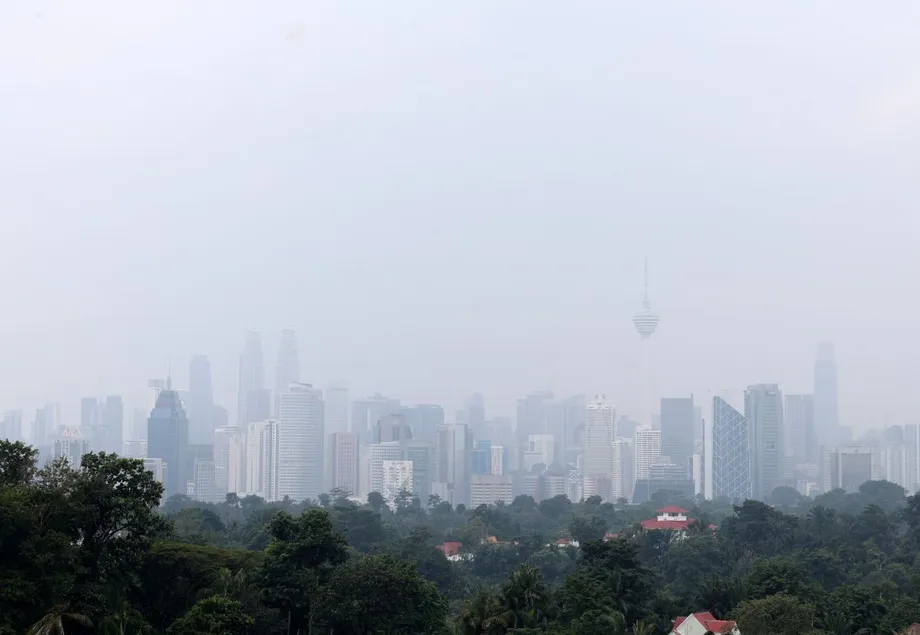
Malaysia faces calls to announce a timetable for stronger haze laws before Parliament's sitting ends in December 2026, as Indonesia investigates 11 companies over forest fires and Singapore seeks preventive action from 10 plantation companies. The pressure comes as regional monitoring shows smoke crossing into Sarawak and air quality reaching Unhealthy to Hazardous levels in parts of Malaysia and Indonesia.
Contents
- Pressure grows for action before December
- Smoke is crossing into Sarawak
- What investigators need beyond satellite alerts
- Malaysia accepts a law is possible
- Campaigners want investigative powers, not another study
- How the pressure built
- Singapore seeks action from plantation companies
- Indonesia pursues sanctions and criminal cases
- Companies dispute responsibility
- Residents seek compensation and restored peatlands
- Key Points
Greenpeace Malaysia wants a Clean Air Act, transparent investigations into Malaysian corporate connections to fires in Indonesia, and stronger regional enforcement. Its interim country representative, Heng Kiah Chun, argues that diplomatic engagement and offers of firefighting assistance need to be matched by legal powers that can reach responsible businesses.
The Malaysian government says the central difficulty is obtaining evidence across national borders. Investigators would need to locate fires, identify landowners and operators, and connect particular fires to pollution in Malaysia. Some of those records fall under Indonesian jurisdiction and confidentiality rules.
The debate has moved beyond whether Malaysia can legislate. On October 21, Deputy Natural Resources and Environmental Sustainability Minister Syed Ibrahim Syed Noh told Parliament that it could, in principle. The unresolved decisions concern what powers a law would contain, how authorities would obtain evidence, and when a proposal would reach Parliament.
For communities, the stakes are immediate: disrupted education, prolonged smoke exposure for outdoor workers, household spending to protect health, and damage to livelihoods near the fires. Greenpeace's proposed December deadline is a demand for a government roadmap, rather than an announced date for passing legislation.
Smoke is crossing into Sarawak
The ASEAN Specialised Meteorological Centre (ASMC), in its regional haze assessment, described moderate to dense smoke covering parts of Kalimantan and southern Sarawak. Smoke also affected southern and central Sumatra and southern Papua.
Monitoring stations in Kalimantan, western Sarawak and central Sumatra recorded air quality ranging from Unhealthy to Hazardous. Thick smoke and cloud obscured parts of Kalimantan and Sumatra, limiting the centre's view of the full fire situation.
ASMC forecast continued risk of smoke crossing borders over the following few days, especially where dry conditions persisted. Showers were expected in some areas, but hotspot activity and haze were likely to remain elevated in places experiencing prolonged dryness.
Universiti Malaya meteorologist Prof Datuk Dr Azizan Abu Samah linked recurring haze largely to land clearing using fire in Kalimantan and Sumatra. Drier conditions associated with El Niño, a climate pattern that can reduce rainfall in the region, allow fires to spread into forests and peatlands. Peat is soil rich in partly decomposed plant material; once dry and burning, it can be difficult to extinguish.
Nusantara Atlas estimated that nearly two million hectares had burned in Indonesia during 2026. Environmental group WALHI mapped high confidence hotspots using NASA data, finding about half within concessions, areas licensed for activities such as timber production or palm oil cultivation. It listed 40 timber and palm oil concessions by hotspot count.
What investigators need beyond satellite alerts
ASMC's hotspot detection guidance explains that satellites identify unusually hot areas by comparing heat signals with surrounding pixels. Gas flares and power plants can produce similar signals, while clouds, forest canopy and the timing of satellite passes can hide fires.
Large fires can generate several hotspots, while smaller fires close together may appear as one. Counts since 2016 use NOAA-19 satellite data; the 2006 to 2015 series used NOAA-18. Its displayed period of October 17 to 23, 2026, contained no totals in the accompanying page text.
The initial account of Greenpeace's appeal cited about 250 hotspots across Indonesia and surrounding islands at a 5pm observation, with none in neighbouring countries. That snapshot was attributed to ASMC, but no calendar date accompanied it. TSH Resources' separate figure of 274 hotspots covers its estate boundaries from January to October 21, a different area and period.
Greenpeace is seeking investigations that combine satellite alerts with verified maps of burned ground, concession boundaries and corporate ownership records. Those layers help authorities determine where land burned, who controlled it, what activities occurred there and how smoke travelled.
Nusantara Atlas founder David Gaveau said satellite images can sometimes show whether a fire began inside a concession or spread in from outside. Establishing the circumstances of ignition and the actions taken by the operator requires further investigation.
Malaysia accepts a law is possible
Natural Resources and Environmental Sustainability Minister Datuk Seri Arthur Joseph Kurup said on October 22 that Malaysia had examined proposed haze legislation several times, considering evidence, jurisdiction, enforcement and relations with neighbouring countries.
Arthur identified the government's central concern at a press conference on the haze situation:
The main challenge in implementing legislation with cross-border elements is the ability to obtain sufficient evidence to determine the source of pollution and the parties responsible,
Investigators would need fire coordinates, ownership information, records identifying parties active on the land, and evidence connecting the fires to haze in Malaysia. Arthur said access to those details involved the jurisdiction, confidentiality requirements and sovereignty of the country concerned.
In Parliament the previous day, Syed Ibrahim said there was no obstacle in principle to introducing legislation if Malaysia determined it was necessary. He was answering Bangi MP Syahredzan Johan, who asked whether the government would proceed and examine weaknesses in Singapore's Transboundary Haze Pollution Act, in force since 2014.
Malaysia continues to use the Environmental Quality Act 1974, also called Act 127, against domestic pollution and open burning. The ministry has established a committee involving relevant ministries and agencies to study a stronger haze response. No date for introducing a bill was announced.
Campaigners want investigative powers, not another study
Greenpeace Malaysia's response to Anwar challenged Prime Minister Anwar Ibrahim's statement that Malaysia had done everything possible and had no plans for legal action or a diplomatic note. Heng called for ministerial responsibilities, legislative milestones and public reporting before the parliamentary sitting ends in December.
Malaysia previously considered a Transboundary Haze Pollution Act, but the proposal did not become law. Greenpeace now wants enforceable provisions within a Clean Air Act, including powers to investigate Malaysian companies operating or investing abroad and pursue accountability where evidence supports action.
On October 7, Greenpeace Malaysia and Himpunan Advokasi Rakyat Malaysia (HARAM) marched from Tugu Negara to Parliament, joined by Zero Waste Malaysia, KUASA and Mandiri. The organisations' Parliament march statement said Kuala Lumpur ranked first on IQAir's list of the most polluted major cities that day.
The groups presented findings by Greenpeace Indonesia, Greenpeace Malaysia and Pantau Gambut identifying 20 companies and corporate actors associated with haze source locations and burned areas, including Malaysian and Singaporean connections. Eight MPs received the findings and expressed support for stronger legal measures: Kelvin Lii, Young Shefura Othman, Khoo Poay Tiong, Syerleena Abdul Rashid, Yuneswaran Ramaraj, Tan Hong Pin, Tan Kar Hing and Hassan Karim.
HARAM chairperson Brendon Gan framed the demand around public health and responsibility:
Haze is no longer merely a seasonal issue that we can simply wait out. It concerns the people's right to clean air, public health, and the accountability of those responsible for the pollution.
How the pressure built
The campaign follows several years of complaints, consultations and proposals. Its recent chronology shows efforts moving between human rights institutions, diplomatic channels and Parliament:
- December 2021: Greenpeace Malaysia and the CERAH Anti-Haze Action Coalition filed a complaint with the Human Rights Commission of Malaysia (SUHAKAM).
- 2022 and 2024: SUHAKAM held roundtables, then published its Silent Enemy report with recommendations on clean air governance.
- August 21, 2026: Indonesian lawmaker Marwan Dasopang called for greater responsibility from Malaysian and Singaporean companies with Indonesian plantation interests.
- September 4: Campaigners submitted a memorandum outside the Indonesian Embassy in Kuala Lumpur seeking disclosure of fire locations, ownership and investigations.
- October 5 and 7: Greenpeace and Pantau Gambut released corporate findings, followed by the march to Parliament.
- October 21 and 22: Malaysian ministers set out the evidence and enforcement issues facing a proposed law.
SUHAKAM has called for a Clean Air Act, better access to environmental justice, stronger ASEAN cooperation and full implementation of Malaysia's National Action Plan on Business and Human Rights. ASEAN leaders also adopted a declaration on the right to a safe, clean, healthy and sustainable environment in 2025.
Singapore seeks action from plantation companies
Singapore's National Environment Agency issued preventive measure notices to 10 Indonesian plantation companies, requiring steps to fight fires, prevent burning and submit action plans. Failure to comply can lead to legal action, including fines, under its Transboundary Haze Pollution Act.
Greenpeace Indonesia's October 21 statement identified six corporate groups mentioned in connection with the notices: First Resources, Golden Agri-Resources, Wilmar International, Kencana Agri, Indofood Agri and TSH Resources. TSH subsequently said it had received no notices from environmental agencies concerning the haze, in a response to a Singapore Exchange enquiry.
Singapore Senior Minister K. Shanmugam said authorities would target corporate groups and beneficial owners behind plantations and consider wider legal, regulatory and economic measures. Beneficial owners are the people who ultimately own or control a business, including through layers of companies.
Greenpeace Indonesia forest campaign head Kiki Taufik also called for scrutiny of financial institutions funding plantation expansion. Singapore Management University accounting professor Holly Yang and student Ashmit Bansal mapped concession holders, owners, creditors, investors and supply chain partners after WALHI's findings.
Yang described why tracing those relationships matters:
The fires occur in Indonesia, but the ownership, financing and commercial relationships extend across borders,
Indonesia pursues sanctions and criminal cases
Indonesian police announced investigations involving 11 corporate suspects after an October 21 Cabinet meeting in Jakarta. Three were firms with foreign investment. Police chief General Suyudi Ario Set did not disclose their identities and said responsibility could extend to company owners and shareholders. The criminal investigation agency, Bareskrim, had advanced 98 police complaints concerning corporate forest fires to formal investigations.
Forestry Minister Raja Juli Antoni announced permit suspensions for six more companies in Central Kalimantan, bringing the ministry's total to 32 companies facing administrative sanctions. The six were PT Produk Kalimantan Jaya, PT Taiyong Engreen, PT Hutan Produk Lestari, PT Ramang Agro Lestari, PT Puspa Warna Cemerlang and PT Sinergi Hutan Sejati.
The six companies held concessions covering 201,391 hectares, including 7,531 hectares affected by fire. They were ordered to restore damaged areas. Across all 32 sanctioned companies, concessions covered more than 1.9 million hectares, with 18,489 hectares affected.
The latest six companies therefore accounted for about 41 per cent of the affected land within that sanctions programme, calculated from 7,531 of 18,489 hectares. The programme's land figures cover a defined group of concessions, while Nusantara Atlas's nearly two million hectares is an estimate of burned land across Indonesia.
Indonesia also announced criminal proceedings involving 125 individuals and corporations. That wider total includes people as well as companies; police separately identified the 11 corporate suspects. Raja Juli said administrative sanctions could be followed by criminal proceedings where investigations found evidence of intentional wrongdoing.
Companies dispute responsibility
First Resources said fires began outside its boundaries and spread into areas under its management. Asia Pulp & Paper (APP) disputed responsibility for starting fires affecting supplier concessions. Their responses put the origin of fires and the operators' prevention duties at the centre of the dispute.
TSH Resources said all 274 hotspots recorded within its Indonesian estate boundaries between January and October 21 were in community enclaves outside operational areas. The company said field teams extinguished fires and lodged police reports, with no fires detected in planted or operational areas and no reports or claims of employees starting fires.
TSH identified an August 17 fire in a community enclave within the land rights area of subsidiary PT Bulungan Citra Agro Persada. It said the fire was extinguished that day. The company cited a policy against burning, no new peatland planting since December 31, 2015, and annual fire prevention spending estimated at RM2 million.
Its prevention resources include 123 fire towers, 11 drones and 28 firefighting squads comprising 425 trained personnel. TSH said its operations and assets were unaffected and it expected no material financial, legal, regulatory or reputational impact.
ClientEarth lawyer Azam Hawari said companies can retain civil responsibility when ignition comes from outside or during extreme weather. Relevant duties can include maintaining adequate firefighting personnel and equipment, while practices such as peatland drainage may create serious environmental risks.
Residents seek compensation and restored peatlands
South Sumatran residents are pursuing a lawsuit over fires in 2019 and 2023 against three APP companies: PT Bumi Andalas Permai, PT Bumi Mekar Hijau and PT SBA Wood Industries. A final cassation decision, a review by Indonesia's Supreme Court, is pending.
Greenpeace Indonesia senior forest campaigner Asep Komarudin said residents seek compensation for haze damage, restoration of peatlands within the concessions, and an order requiring measures to prevent further drainage, fires and smoke. The case connects compensation for past harm with changes to how land is managed.
Regional cooperation remains essential to those efforts. The ASEAN Agreement on Transboundary Haze Pollution, signed in 2002, is the main framework for cooperation. Arthur said it recognises national sovereignty alongside countries' responsibility to prevent activities within their jurisdiction from harming the environment or health elsewhere.
Azizan called for stronger enforcement provisions, including a liability clause assigning legal responsibility for damage. Syed Ibrahim pointed to science diplomacy, the regional haze fund and ASEAN's goal of a region free of haze by 2030. For Malaysia, the next requested milestone is a December roadmap explaining how domestic powers, evidence sharing and regional cooperation would work together.
Key Points
- Greenpeace Malaysia wants a Clean Air Act, corporate investigations and a government roadmap before Parliament's sitting ends in December 2026.
- Malaysian ministers accept that legislation is possible but say enforcement requires access to evidence held across borders.
- ASMC recorded smoke crossing into Sarawak and Unhealthy to Hazardous air quality in parts of Malaysia and Indonesia.
- Singapore issued preventive notices to 10 plantation companies; Indonesian police identified 11 corporate suspects.
- Companies including TSH Resources, First Resources and APP disputed responsibility for fires or haze affecting their operations and concessions.
- South Sumatran residents await a Supreme Court decision in a case seeking compensation, peatland restoration and fire prevention measures.