Three Major Dairy Companies Face a Widening Safety Crisis
Infant formula recalls involving Nestle, Danone and Groupe Lactalis have spread across dozens of countries as of January 23, 2026, with authorities investigating illnesses and a possible connection to an infant death in France. The concern is cereulide, a bacterial toxin that can survive heat and cause severe vomiting and diarrhea.
Contents
- Three Major Dairy Companies Face a Widening Safety Crisis
- Why Cereulide Is Difficult to Remove
- Nestle's Recall and the Disputed Response Timeline
- Illness Reports and an Infant Death Under Investigation
- Singapore's Testing Brings Danone Into the Recall
- Lactalis Withdraws Picot Formula Across 18 Countries
- Attention Turns to the ARA Oil Supplier
- Safety Rules Face Scrutiny Over Toxin Testing
- What Parents and Investors Need to Watch
- The Essentials
Nestle has withdrawn products in more than 60 countries in the largest preventive recall in its history. Lactalis is recalling six batches of Picot formula across 18 countries, including France, China, Australia and Mexico. In Singapore, the Singapore Food Agency (SFA) ordered a specific batch of Danone's Dumex Dulac 1 formula removed after testing detected the toxin.
The investigation centers on arachidonic acid (ARA) oil, an ingredient added to formula to support brain and visual development. Contamination in an ingredient used by several manufacturers can spread through international supply networks, affecting different brands sold far from the supplier and the factories that make the finished products.
Danone shares fell as much as 12 percent in early Paris trading, their steepest drop in 36 years. Nestle shares have also fallen since its recall began, while billions of dollars have been wiped from market valuations during the widening crisis. Parents face a more immediate concern: whether formula already in their homes belongs to an affected batch.
Jean-Philippe Bertschy, an analyst at Vontobel, described the pressure on Nestle's new leadership as further developments emerged:
"This case is turning into a nightmare for the new leadership team at Nestle and appears largely out of control at this stage, with negative headlines emerging on an almost daily basis," said Jean-Philippe Bertschy, an analyst at Vontobel.
Why Cereulide Is Difficult to Remove
Cereulide is produced by Bacillus cereus, a bacterium commonly found in the environment. The crucial feature of this toxin is its ability to withstand heat. Manufacturing processes and boiling water may kill bacteria, yet cereulide can survive standard formula preparation methods, including the boiling water parents use to make feeds safer.
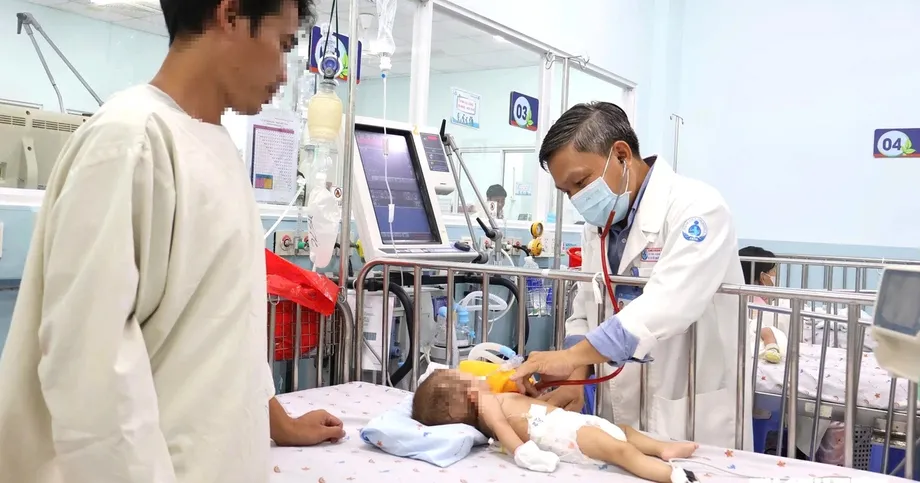
Infant formula requires particular care because it can be a baby's sole source of nutrition. Cereulide can cause acute food poisoning, including severe nausea, vomiting and diarrhea. Adults may experience unpleasant but manageable symptoms. Infants have much lower body weight and are especially vulnerable to rapid dehydration from repeated vomiting, which can become life threatening.
ARA is an omega-6 fatty acid routinely added to formula to support brain and visual development. It is a standard component of premium formula products. Investigators have traced the contamination concern to ARA oil, directing attention toward controls at the ingredient supplier rather than solely toward the factories where formula is made and canned.
Testing creates another difficulty. Cereulide requires different checks from those used to count bacteria, and testing for the toxin is technically difficult and not widely available. In France, only one specific laboratory is reported to be authorized to test for it, creating a bottleneck in confirming suspected cases.
The European Union has no established safety threshold for cereulide in infant formula, and no universally established threshold exists for this use. That leaves authorities and manufacturers dealing with a dangerous substance without an agreed limit tailored to these products. Testing limitations also complicate the process of connecting an infant's symptoms to a particular formula batch.
Nestle's Recall and the Disputed Response Timeline
Nestle's affected brands include Beba, SMA, Alfamino and Guigoz. Its recall reaches production sites across Europe and distribution networks around the world. The company describes the withdrawal as preventive, but its scale has placed its safety controls, communication and response speed under intense scrutiny.
Dutch authorities were notified of potential problems as early as December 9, according to investigative reporting. Nestle confirmed cereulide at its French factory on December 26, while public recalls followed on January 5 and 6. Consumer advocates have challenged the gap of more than ten days between that confirmation and the public announcements.
Austrian authorities described a withdrawal over the Christmas holiday as a "silent recall". FoodWatch Netherlands accused Nestle of a "serious breakdown" in transparency, questioning why the international reach became apparent only later.
Nicole van Gemert, director of FoodWatch Netherlands, challenged the change in the number of countries publicly identified as affected:
"Why did we only find out in January 2026 that 60 countries were ultimately affected, when there were only nine in December?" says Nicole van Gemert, director of FoodWatch Netherlands.
The sequence of notifications, testing and public announcements is central to the dispute over how quickly families received information:
- December 9, 2025: Dutch authorities were reportedly notified of potential problems.
- December 26, 2025: Nestle confirmed cereulide at its French factory.
- During the Christmas holiday: Austrian authorities described a "silent recall".
- January 5 and 6, 2026: Public recalls were issued.
- By January 23, 2026: Nestle's withdrawal covered more than 60 countries, with Danone and Lactalis also facing recalls.
Nestle CEO Philipp Navratil has issued video statements apologizing for the uncertainty and asserting the company's commitment to safety. The company faces financial losses and a threat to confidence in brands that parents depend on for daily feeding.
Illness Reports and an Infant Death Under Investigation
French health authorities are investigating the death of an infant who consumed Nestle's Guigoz formula. A direct connection between the death and cereulide has not been established. The inquiry is part of the effort to determine the human consequences of the contamination.
Anti-poison centers in France have received numerous calls from parents whose babies experienced vomiting and diarrhea. In Brazil, health authorities confirmed two cases of infants becoming ill after consuming recalled Nestle products. A case in Singapore has been described as "likely associated with cereulide exposure."
Nestle has maintained that there are "no confirmed cases". Confirming a case requires testing and evidence connecting the illness to the toxin. With limited testing capacity, that process can be slow, and critics argue that the company's wording gives families too little sense of the difficulty of establishing a cause.
Parents have received corporate assurances while reports of illness and the French death inquiry continue. For affected families, apologies and statements about safety come alongside uncertainty about what their children consumed and whether symptoms are connected to recalled formula.
Singapore's Testing Brings Danone Into the Recall
The Singapore Food Agency detected cereulide during stepped up testing and ordered the recall of a batch of Dumex Dulac 1 formula originating in Thailand. Dumex is owned by Danone. The finding widened the crisis beyond Nestle and drew attention to ingredients shared across manufacturers.
SFA also instructed SMC Nutrition, a manufacturer based in Singapore, to halt exports of products using the same raw ingredient. That action extended the response beyond products already on local shelves to goods that could otherwise be shipped abroad.
Danone said it blocked the shipment at the authorities' request and that its own internal tests had detected no cereulide in its brands. SFA's finding prompted the recall despite that company testing position. Danone maintained that its products meet strict food safety standards and undergo rigorous testing, and it has been working closely with regulators.
Danone's share price fell as much as 12 percent in early Paris trading. Although Dumex is relatively small within the company, investors were concerned that a supplier serving several major manufacturers could create exposure beyond the batch already identified.
The market reaction reflects the difference between the size of a particular brand and the possible reach of an ingredient problem. A small withdrawal can draw scrutiny toward a much larger supply network when manufacturers use comparable specialized oils in other products.
Lactalis Withdraws Picot Formula Across 18 Countries
Groupe Lactalis announced the withdrawal of six batches of Picot infant formula shortly after the news from Singapore. The recall covers 18 countries, including France, China, Australia and Mexico, showing how widely products containing a suspect ingredient can be distributed.
Lactalis traced the problem to cereulide found in an ingredient supplied by an external vendor. The company said it acted without waiting for the supplier's investigation results, prioritizing consumer safety. It also said authorities had communicated no complaints related to consumption of those specific batches so far.
Lactalis carries the history of an earlier formula safety scandal. A major salmonella outbreak in 2018 led to the recall of 12 million tins of baby formula, and the company was accused at the time of attempting to cover up the extent of the contamination.
That history has made consumers and regulators particularly sensitive to new problems involving Lactalis products. Its current withdrawal concerns a different contaminant, cereulide, and focuses on an ingredient obtained from outside the company.
Nestle's withdrawal in more than 60 countries and Lactalis's recall across 18 countries show the geographic scale of the response. Those figures describe the reach of each company's recall, with multiple brands and distribution networks affected by concerns about a specialized formula ingredient.
Attention Turns to the ARA Oil Supplier
Nestle initially identified the source only as an unnamed "leading supplier". Investigative reporting and market indicators have pointed toward Cabio Biotech, a supplier based in Wuhan, China, as the possible origin of the contaminated ARA oil. That identification remained unconfirmed as of January 23.
Cabio Biotech describes itself as a developer of microbial oils. Its 2024 annual report said it was "developing its relationship with major clients such as Nestle." A company representative said products had been sent for testing and that results would be announced publicly.
China's Foreign Ministry said the government attaches great importance to food safety and would take measures to protect consumers. The possible connection to a Chinese supplier has drawn attention to trade and government responses, recalling concerns surrounding past food safety scandals involving Chinese manufacturers.
Foodwatch France has argued that manufacturers retain responsibility for the safety of ingredients they buy. Ingrid Kragl, the group's director of information, said traceability is a regulatory requirement and that a supplier being Chinese does not remove manufacturers' duty to communicate transparently and immediately when problems arise.
Traceability means being able to follow an ingredient through the supply chain, from its supplier to the finished products containing it. In this crisis, that information is central to identifying which batches need withdrawal, which companies received affected oil and which countries received the resulting formula.
Safety Rules Face Scrutiny Over Toxin Testing
The European Food Safety Authority (EFSA) recommends keeping Bacillus cereus bacteria counts below a certain level. There is no corresponding established limit for cereulide in infant formula. A bacteria count measures the organisms present, while a toxin test measures the harmful substance they produce.
A product could therefore contain high levels of cereulide while meeting existing standards for bacterial counts. Because the toxin can survive heat, controls aimed at bacteria alone leave a gap in protection. The lack of an established toxin threshold in the European Union and many other jurisdictions has complicated the recall response.
ARA oil is often classified as "low-risk" under Hazard Analysis and Critical Control Points (HACCP) systems. These systems identify possible food safety dangers and set controls at stages where those dangers can be managed. An ingredient considered to present a lower risk receives routine but less intensive scrutiny than one assigned a higher risk.
Industry insiders expect the classification of ARA oil to be reconsidered. Moving it into a higher risk category would require more frequent testing and tighter controls throughout the supply chain. The argument for stronger monitoring is especially pressing because the oil is added to products intended to support infant development.
Vietnam has already taken broader precautionary action, halting all sales of Nestle's Beba and Alfamino brands regardless of batch number. That approach extends beyond withdrawing only the batches individually identified as affected.
The crisis is expected to bring tighter protocols for tracing specialized ingredients such as fatty acids and oils. Additional testing and monitoring would carry costs that could be passed on to consumers, while manufacturers may regard those measures as necessary to restore confidence in their products.
What Parents and Investors Need to Watch
Parents are advised to compare the batch numbers on formula at home with recall lists published by their local food safety agencies. Batch information matters because many withdrawals concern specific production batches, although Vietnam's restrictions on Beba and Alfamino apply regardless of that number.
Persistent vomiting and diarrhea after a baby consumes formula require immediate medical attention. Infants can lose fluids rapidly, making dehydration a serious danger. Boiling formula cannot remove the concern about cereulide because the toxin withstands heat.
Companies have described recalls as precautionary and asserted that risk is low. Health authorities are investigating reported illnesses and the infant death in France, while ingredient testing and tracing continue across national borders.
Investors face losses already measured in billions of dollars and uncertainty about lasting damage to formula brands. Bertschy, the Vontobel analyst, said Nestle appeared "backed into a corner" and would face difficult questions about investment in quality control during years of cost cutting. Danone and Lactalis now face similar scrutiny over their supply arrangements.
A single contaminated ingredient can reach several manufacturers, cross borders and enter formula relied on by families around the world. The response now involves identifying affected products, investigating illness, examining supplier controls and rebuilding trust. The immediate priority remains protecting infants while those investigations continue.
The Essentials
- As of January 23, 2026, infant formula recalls involve Nestle, Danone and Groupe Lactalis.
- Nestle has withdrawn products in more than 60 countries in its largest preventive recall.
- Singapore ordered a batch of Danone's Dumex Dulac 1 recalled after detecting cereulide.
- Danone shares fell as much as 12 percent, their steepest drop in 36 years.
- Lactalis is withdrawing six batches of Picot formula across 18 countries.
- Cereulide can survive heat and cause severe vomiting and diarrhea, putting infants at risk of rapid dehydration.
- The contamination concern has been traced to ARA oil, an ingredient added to support brain and visual development.
- French authorities are investigating an infant death; Brazil confirmed two infants became ill after consuming recalled products.
- Cabio Biotech in Wuhan has been identified as a possible supplier, with confirmation still pending.
- The European Union has no established cereulide safety threshold for infant formula.
- Parents should check batch numbers against local recall lists and seek immediate medical care for infants with persistent vomiting or diarrhea.