A sharp rise in illness, with children among those affected
Ho Chi Minh City recorded 34,664 acute respiratory infections in surveillance week 40, more than 64% above the average for the previous four weeks, according to figures released by the Ho Chi Minh City Centre for Disease Control (HCDC) on October 14. Hospitals also recorded 151 samples positive for influenza during that week, including 116 containing the A/H1N1 2009 strain.
Contents
- A sharp rise in illness, with children among those affected
- What the flu numbers show
- How the increase developed
- Hospitals see more children needing care
- Why weather and classrooms matter
- Symptoms overlap, but danger signs need quick action
- Home care and medicines require care
- Prevention combines vaccination and less exposure
- What the city's monitoring will track
- Key Points
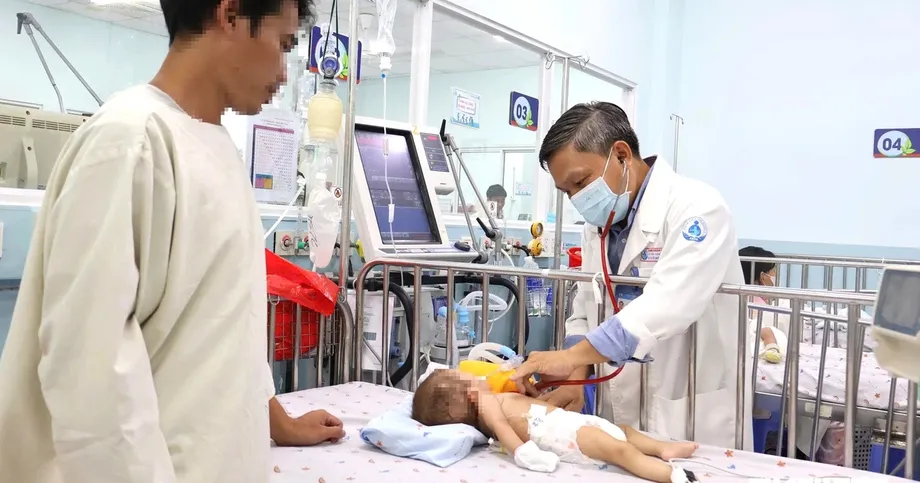
The increase is being felt in children's hospital services. Children's Hospital 2 recorded 39,869 outpatient visits for respiratory illness in September, more than 10,000 above August. More recently, the hospital has been seeing between 4,000 and 5,000 child visits daily, with acute respiratory infections accounting for more than 60%.
HCDC attributes the rise to conditions that help respiratory infections spread: changing seasonal weather and the return of schoolchildren and university students to classrooms. Influenza is among the pathogens increasing fastest, while older adults, young children and people with existing medical conditions face particular risks if they become infected.
The figures describe two connected parts of the situation. The 34,664 cases cover acute respiratory infections, a broad group of illnesses affecting the nose, throat or lungs. The 151 positive influenza samples come from laboratory surveillance, which helps identify the viruses circulating among patients.
A/H1N1 2009 accounted for nearly 77% of those positive flu samples. For families, the immediate priorities are recognising symptoms, limiting contact while ill and seeking medical attention promptly when breathing, alertness or the ability to drink deteriorates.
What the flu numbers show
HCDC's surveillance system had recorded 397 influenza cases from the beginning of the year through week 40. The 151 recorded in that single week amounted to about 38% of the total, showing how heavily the recent increase contributed to the year's detected cases.
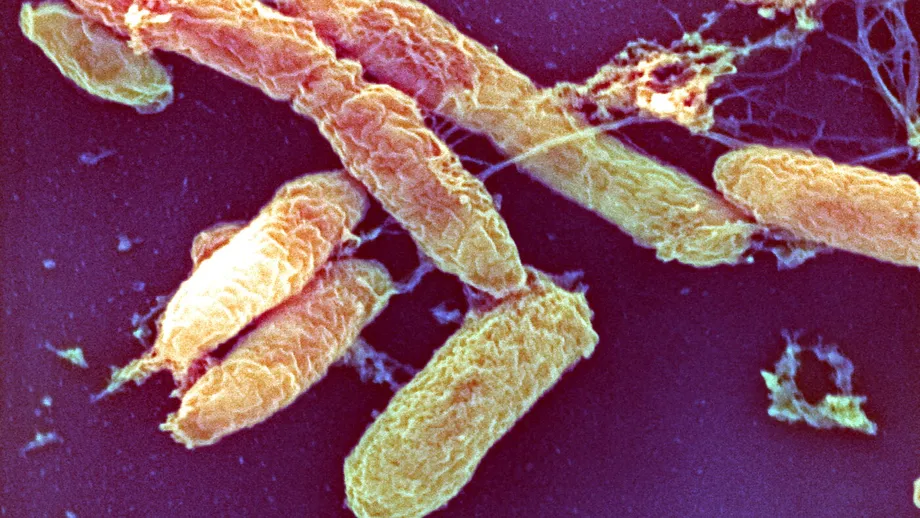
Laboratory testing identified A/H1N1 2009 in 116 of the 151 positive samples, or approximately 76.8%. This strain is also called A/H1N1pdm09. The name identifies the influenza A subtype associated with the 2009 pandemic, which now circulates as a seasonal flu virus.
Influenza typing gives health authorities a more precise picture than symptoms alone. A cough or fever can occur with several infections; testing identifies influenza, while further analysis establishes its type or subtype. HCDC uses those findings alongside hospital case counts to follow changes in transmission.
The surveillance total reflects infections detected through the monitoring system. The proportion of positive samples containing H1N1 describes the influenza samples tested that week; the broader respiratory case count includes illnesses caused by other pathogens.
How the increase developed
Influenza detections were sporadic during the first 25 weeks of the year, with influenza A and B among the viruses identified. Numbers began rising from week 26 before increasing sharply in week 40.
HCDC's figures released on October 14 identify the surge with week 40, described as September 28 to October 4. An alternative published date range for the same surveillance week was October 2 to 8; the calendar dates therefore need clarification.
- First 25 weeks: surveillance recorded only scattered influenza cases.
- From week 26: detected influenza cases began increasing.
- September: Children's Hospital 2 recorded 39,869 respiratory outpatient visits, while the Tam Anh hospital system recorded 71 children with positive rapid flu tests.
- Week 40: the city recorded 34,664 acute respiratory infections and 151 positive influenza samples.
- First two weeks of October: Tam Anh recorded 111 children with positive rapid flu tests.
- October 14: HCDC released figures and urged residents to strengthen prevention.
The pattern places the sharp weekly increase within a rise that had already been developing for several months, rather than an isolated busy week at a single hospital.
Hospitals see more children needing care
Children's Hospital 2's September total was more than 10,000 respiratory visits above the previous month. Its recent daily figures also show how much of the hospital's workload involves respiratory illness: more than three in every five child visits fall into that category.
The Tam Anh hospital system recorded 111 children with positive rapid flu tests in the first two weeks of October, compared with 71 throughout September. That is 40 more positive children, an increase of approximately 56%, within a period only about half as long.
The hospital figures measure different things. Children's Hospital 2 counts outpatient visits for respiratory illness, while Tam Anh's figures concern children testing positive for influenza. Together, they show both a broad rise in respiratory demand and an increase in detected flu among children receiving care.
Dr Nguyen Hoang Phong, head of Respiratory Department 1 at Children's Hospital 2, warns that influenza can become severe in children younger than five, particularly those younger than two. Children born prematurely, those with low birth weight or poor nutrition, and those with existing illness or weakened immunity also need closer attention.
Why weather and classrooms matter
Ho Chi Minh City and other southern provinces experienced sunny days followed by heavy evening rain from late September into early October. HCDC identifies seasonal weather changes, together with students returning to school, as conditions helping respiratory pathogens circulate.
Dr Nguyen Hai Cong, head of respiratory medicine at Military Hospital 175, explains that influenza and colds are caused by viruses. Exposure to an infected person, the properties of the virus and the body's ability to respond all affect the chance of becoming ill.
Prolonged cold or damp conditions, insufficient sleep, inadequate nutrition and heavy workloads can leave people tired, he says. Changing into dry clothes and resting after getting soaked can help a person recover comfort, while infection prevention centres on reducing exposure to viruses.
Influenza spreads through respiratory particles released when an infected person coughs, sneezes or talks. Crowded rooms with poor ventilation make transmission easier. A person can also pass influenza to others before realising they are ill, allowing infection to move through households, classrooms and workplaces.
Dr Truong Huu Khanh, former head of the Infectious Diseases and Neurology Department at Children's Hospital 1, identifies influenza A as a prominent pathogen among patients being tested during this period. His observations match the dominance of influenza A in the city's laboratory findings.
Symptoms overlap, but danger signs need quick action
Influenza often starts suddenly, with fever, chills, headache, muscle aches, marked tiredness, cough and a sore throat. Children may also develop abdominal pain, nausea, vomiting or diarrhoea, according to Dr Phong.
A common cold more often features a runny or blocked nose and sneezing, with little or no fever. Symptoms can overlap, however, and high fever with body aches can also occur early in dengue. A medical assessment is especially useful when fever is high, exhaustion is unusual or symptoms develop unexpectedly.
Dr Phong advises urgent assessment for a child with a persistent temperature above 39 degrees Celsius that does not respond to fever medicine, rapid or difficult breathing, or the chest pulling inward with each breath. Blue lips or extremities, refusal to breastfeed, poor drinking, unusual drowsiness, difficulty waking or seizures also require immediate care.
Adults should seek urgent medical attention for difficulty breathing, persistent chest pain or pressure, confusion, severe dehydration, or a sudden worsening after initially improving. Older adults and people with chronic illness need particular care because influenza can lead to pneumonia, an additional bacterial infection and, in severe cases, organ failure.
Dr Cong explains that young children's immune systems and airway defences are still developing. Older adults may have weaker immune responses alongside chronic disease, making respiratory infections harder to withstand.
Home care and medicines require care
Children assessed by a clinician as suitable for care at home should rest in a clean, well ventilated environment and have their temperature, breathing and ability to eat or drink monitored. Dr Phong advises limiting their contact with other people while they are ill.
Families should offer fluids appropriate for the child's age, continue breastfeeding and maintain suitable nutrition. Smaller, more frequent meals may help a child who is eating poorly or vomiting. Oral rehydration solution should be used when needed, mixed exactly as directed and with advice from a health professional.
For fever medicine, Dr Phong describes a usual paracetamol dose of 10 to 15 milligrams per kilogram of body weight per dose, separated by four to six hours, when a child's temperature reaches 38.5 degrees Celsius or higher. Parents should follow a clinician's instructions, check the medicine's concentration and stay within the recommended maximum dose.
Dr Khanh advises against buying antibiotics for a cough, fever or runny nose without medical guidance. Antibiotics act against bacteria, while influenza and common colds are caused by viruses. Unnecessary use exposes patients to side effects and encourages bacteria to become resistant to treatment.
Dr Phong also advises parents against starting antiviral medicines or other treatments without a prescription or suitable professional advice. A child who develops warning signs during home care should be taken to a healthcare facility immediately rather than waiting for a scheduled follow-up appointment.
Prevention combines vaccination and less exposure
HCDC recommends annual influenza vaccination in line with health guidance, particularly for older adults and people with underlying conditions. Vaccination helps reduce the risk of influenza and its complications, making it a practical step for households with vulnerable members.
Dr Khanh also notes that vaccines against pneumococcal disease and respiratory syncytial virus, known as RSV, have their own age and health requirements. A healthcare professional can advise which vaccines are suitable for an individual.
Daily precautions remain useful alongside vaccination. HCDC advises washing hands regularly with soap and clean water and covering the mouth and nose with a tissue or elbow when coughing or sneezing.
People with fever, cough, sore throat or a runny nose should wear a mask, limit close contact and seek medical advice when needed. Staying home while ill, where possible, reduces exposure for classmates, colleagues and relatives. Avoiding close contact with young children, older adults and people with chronic illness is especially valuable during symptoms.
Parents should limit unnecessary visits to crowded places with children and keep them away from people showing respiratory symptoms, Dr Phong advises. Good ventilation and a clean living environment are also part of the recommended precautions.
What the city's monitoring will track
HCDC collects respiratory samples through 29 healthcare facilities, including hospitals and regional medical centres. It also monitors clusters of illness in the community, allowing health staff to follow both the number of patients and the pathogens circulating.
Hospital reports supply the wider case counts, while laboratory analysis identifies viruses and their subtypes. Combining those streams helps the health sector recognise rising risks, anticipate transmission trends and recommend responses suited to local conditions.
Ho Chi Minh City's hospitals received approximately one million acute respiratory cases in 2024, with a marked increase during the final three months. Pathogens identified included seasonal influenza, RSV, enteroviruses and bacteria such as Haemophilus influenzae, Streptococcus pneumoniae and Mycoplasma pneumoniae.
The city's Department of Health has described the main viral causes as familiar respiratory viruses, including seasonal influenza, for which vaccination is available. The current task is to track their spread while helping residents act early when illness becomes serious.
Key Points
- Ho Chi Minh City recorded 34,664 acute respiratory infections in week 40, more than 64% above the previous four weeks' average.
- A/H1N1 2009 appeared in 116 of 151 positive influenza samples, nearly 77%.
- Children's Hospital 2 recorded 39,869 respiratory outpatient visits in September, more than 10,000 above August.
- Young children, older adults and people with existing medical conditions face greater risks of severe illness.
- Difficulty breathing, blue lips, unusual drowsiness, poor drinking or persistent high fever require prompt medical attention.
- HCDC continues sampling at 29 facilities and recommends annual flu vaccination, handwashing and reduced contact while ill.