Children and pregnant women among those hospitalized
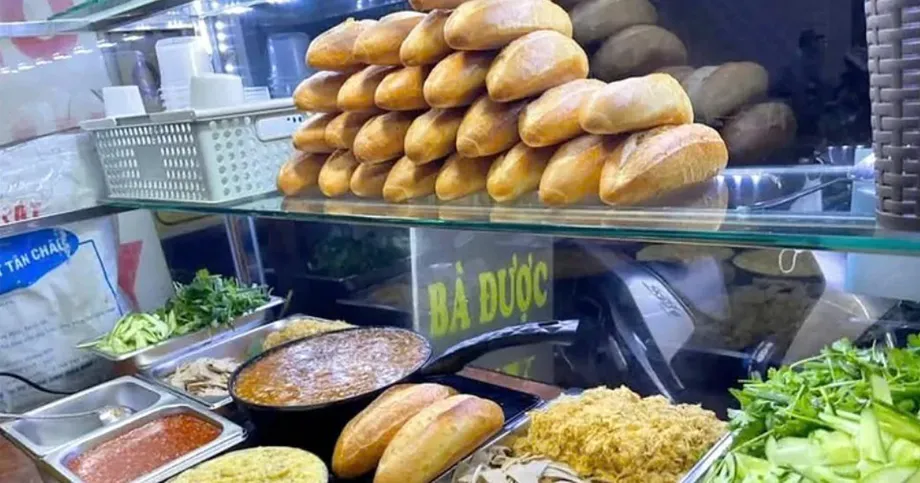
Health officials in Vietnam's Quang Ngai Province recorded 167 suspected food poisoning cases linked to sandwiches sold at Ba Duoc, a longstanding banh mi business at 12 Duy Tan Street in Cam Thanh Ward, by October 13. Among those hospitalized were 41 children and three pregnant women receiving treatment at the provincial Obstetrics and Pediatrics Hospital.
Contents
- Children and pregnant women among those hospitalized
- How the case count reached 167
- Nine facilities treated the patients
- Families, children and pregnant patients affected
- What Ba Duoc said in its apology
- Two addresses are central to the investigation
- Ingredients lacked documentation during inspection
- Laboratory results will determine the cause
- Authorities ordered treatment, tracing and wider inspections
- Key Points
The patients had been admitted to nine medical facilities across the province. Phan Minh Dan, deputy director of the provincial Department of Health, said 13 had been discharged after their conditions stabilized. Authorities had not released final laboratory results or confirmed the cause of the illnesses.
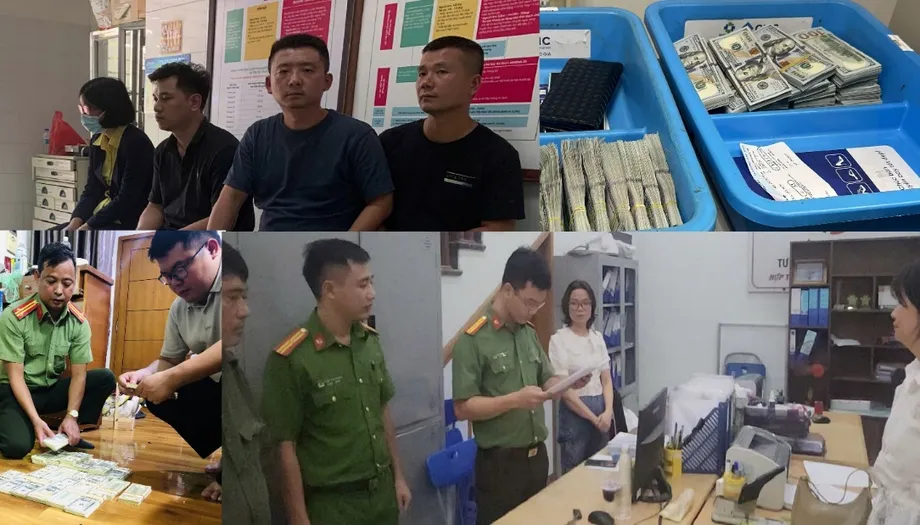
Ba Duoc apologized publicly, suspended business and said it was cooperating with investigators. Inspectors sealed the remaining food and examined both the sidewalk sales location and the home where bread, sauces and some fillings were prepared.
All affected patients reportedly said they had bought and eaten banh mi from the Duy Tan Street stall before becoming ill. That shared exposure has directed the investigation toward the business, but it does not yet establish which ingredient, preparation step or disease agent caused the outbreak.
The investigation now combines three tasks: caring for patients, testing food and patient samples, and tracing ingredients whose origins were not documented during the initial inspection. The distinction matters because the hygiene problems already recorded by inspectors are not, by themselves, proof of the medical cause.
How the case count reached 167
The main sequence of updates shows a rapid increase in recorded patients, from 55 to 167 over several days. Reports differ, however, on the earliest totals and the date when customers first became ill.
- October 9: Some accounts place purchases between 9 a.m. and 6 p.m. on this date, with the first patient developing symptoms at about 3 p.m.
- October 10: Other accounts place the first illnesses on this date. Phuc Hung Private General Hospital initially received 13 patients, while a separate initial provincial report recorded 18 hospital admissions.
- October 10 evening: One sequence gives 55 cases. Another update records 60 patients received by 8:50 p.m., including 10 sent home with prescribed treatment and 50 still hospitalized.
- October 11: The main sequence records 105 cases, although a separate early account still gives a total of 55.
- October 12: Authorities recorded 135 patients at six facilities by 7:30 a.m., an increase of 30 from the preceding day's total of 105.
- October 13: The total reached 167 across nine facilities, with 13 patients discharged.
The latest total of 167 appears in both a 7:30 a.m. update and an account placing the count at noon on October 13. These differences in reporting times do not change the latest stated total, but the earlier discrepancies prevent a precise reconstruction of every admission.
Between the October 12 and October 13 updates, the recorded total increased by 32, or about 24 percent, from 135 to 167. Those cumulative figures do not establish that another batch of sandwiches caused new exposure during that period.
Nine facilities treated the patients
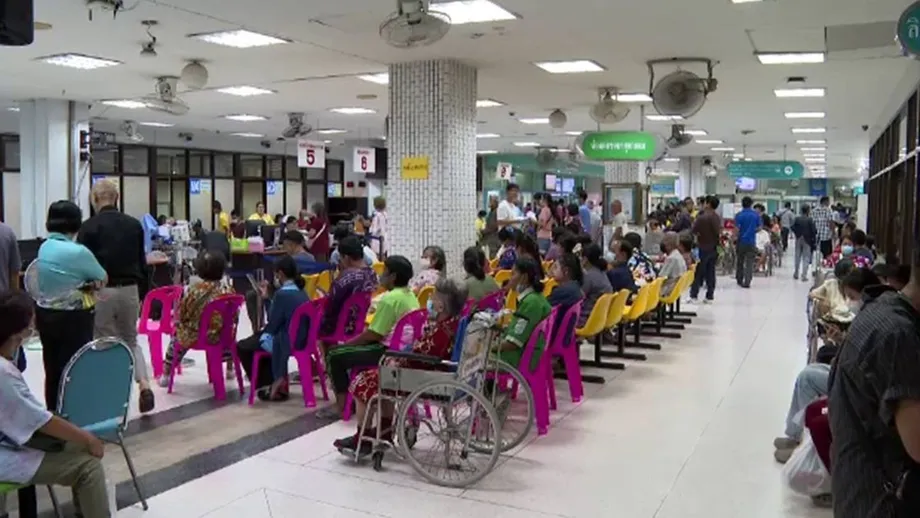
The detailed October 13 breakdown places most patients at three hospitals. Phuc Hung Private General Hospital received 53, Quang Ngai Provincial General Hospital received 48, and the provincial Obstetrics and Pediatrics Hospital received 44.
The remaining 22 cases were distributed among six regional hospitals: five each at Mo Duc, Son Tinh and Binh Son; three each at Dang Thuy Tram and Tu Nghia; and one at Tra Bong. Together, the nine facility counts add up to 167.
The three largest receiving hospitals therefore accounted for 145 patients, about 87 percent of the recorded total. This concentration helps explain why provincial authorities directed medical facilities to mobilize staff, medicines and equipment while the investigation continued.
Earlier reports described patients as clinically stable, with no severe deterioration recorded at those reporting times. An October 12 update also said their health was improving. The October 13 discharge figure provides a further sign of recovery for some patients, but no complete account of every remaining patient's condition was released.
Families, children and pregnant patients affected
Some households had several members hospitalized after sharing the same food. Vo Van Vuong, 57, from Mo Cay Commune, was identified as a member of a family in which all eight people who ate the sandwiches required hospital care. Other accounts described families with three to eight affected members.
The reported number of children rose from 39 in the October 12 update to 41 on October 13. The number of pregnant patients remained three. At the Obstetrics and Pediatrics Hospital, these two groups together made up all 44 cases listed in the latest facility breakdown.
Huynh Linh Da, the physician responsible for the hospital's General Department, said the pregnant patients had similar symptoms, including abdominal pain, fever, vomiting and diarrhea. He advised pregnant women experiencing such symptoms to seek medical assessment and avoid taking medication without guidance from medical staff.
Da warned that prolonged vomiting and diarrhea can cause dehydration and electrolyte disturbances, affecting both maternal and fetal health. Electrolytes are salts and minerals the body needs for functions such as muscle activity and fluid balance. His advice addressed the consequences of the symptoms, not a confirmed diagnosis of the outbreak's cause.
What Ba Duoc said in its apology
In a statement posted on social media, the family operating Ba Duoc apologized to customers and described its cooperation with authorities. The business said:
First, Bà Được bánh mì would like to offer our sincere apologies to all our customers for the recent incident. As soon as it happened, our family temporarily suspended business to cooperate in handling the matter.
The statement also said relevant information had been provided to investigators and that the family was awaiting laboratory findings. It promised to coordinate with provincial and local agencies to visit affected customers and take remedial measures under the authorities' guidance once results were available.
The apology attracted thousands of reactions and hundreds of comments. Some customers expressed sympathy for the longstanding business, while others called for stronger food safety practices. In responses to comments, the business said this was its first such incident in several decades of operation.
Reports describe Ba Duoc as having operated for more than half a century, with one account dating its establishment to 1950 outside the former Hoa Binh Cinema on Duy Tan Street. The brand reportedly has two additional outlets in central Quang Ngai. The investigation described so far concerns the Duy Tan Street stall and its preparation premises; no findings were reported for those other outlets.
Two addresses are central to the investigation
The sales point was a sidewalk stall at 12 Duy Tan Street, operated by Nguyen Thi Thuy. Bread and some sandwich components were prepared at her home at 275 Phan Boi Chau Street, also in Cam Thanh Ward.
The bread production business at the preparation address was registered as Ba Duoc Bakery under Phan Tai Anh Tien. This separates the identified stall operator from the registered owner of the bakery producing the plain loaves. Reports sometimes refer more generally to Thuy as the shop's owner.
Thuy said chili sauce, vegetables, sauces and some fillings were prepared at home. The retail stall reportedly operated from about 5 a.m. to 7 p.m. and sold approximately 350 filled sandwiches daily.
That sales estimate gives a sense of the stall's activity, but it cannot be used to calculate the proportion of customers who became ill. Investigators have not released the number of people who ate food from the relevant batches, how many sandwiches each person consumed, or how many customers had no symptoms.
Ingredients lacked documentation during inspection
During the initial inspection, Thuy could not provide documentation establishing the origin and traceability of several ingredients. The items described in reports included pork sausage, meat, pork floss, vegetables and seasonings. Traceability means being able to follow an ingredient back through its suppliers and, where records allow, identify the relevant batch.
The reported supply account identified Vietnamese pork sausage purchased from the Pham Thi My Hanh household business, fresh chilies bought at a market, and vegetables obtained from a supplier named Nghia at a wholesale produce market. Meat and seasonings were reportedly purchased at Quang Ngai Market, while shredded dried pork came from Ho Chi Minh City.
These descriptions are leads for investigators, not verified findings that any supplier provided contaminated food. Missing documents at the time of inspection also do not establish that every ingredient was unsafe. Authorities have been tasked with checking the supply chain rather than treating the seller's account as sufficient proof of origin.
Inspectors also recorded poor hygiene conditions at the home kitchen. Descriptions differ slightly: some say the kitchen entrance was adjacent to a restroom, while others describe a passageway through the restroom area and a restroom door close to the kitchen entrance. Both accounts identify the kitchen's relationship to the restroom as a concern requiring investigation.
Laboratory results will determine the cause
The Quang Ngai Center for Disease Control collected 13 food samples and nine patient samples for testing. Remaining food at the stall was sealed, and authorities required the business to stop operating while the inquiry proceeded.
Food testing examines what was present in sampled products, while patient samples can help identify an infectious agent or other cause of illness. Investigators then assess those findings alongside purchase times, symptom onset and preparation records. A shared meal history is useful evidence, but it cannot alone identify a particular filling or organism.
As of October 13, no final results had been announced. Authorities had not identified a specific ingredient, bacterium, toxin or preparation step as responsible. The number of samples collected does not mean that each sample tested positive or that all ingredients were tested separately.
The unresolved purchase dates also matter. Some accounts identify October 9 as the exposure date, while others describe customers eating the food on October 10. Resolving that difference would help investigators match the affected customers to preparation periods and ingredient batches.
Authorities ordered treatment, tracing and wider inspections
The Ministry of Health's Food Safety Department directed Quang Ngai's health authorities to prioritize treatment, investigate the outbreak, trace ingredient suppliers and collect samples to establish the cause. It also called for strict handling of any food safety violations and public disclosure of the results to warn the community.
Reports differ on the date of that instruction, giving October 10 or October 11. Its stated requirements are consistent: protect patients, identify the source of illness and investigate possible breaches of food safety rules.
The provincial People's Committee separately ordered Cam Thanh Ward to continue investigating, inspect related businesses, trace ingredients, and recall or dispose of food suspected of causing illness. Authorities across the province were told to increase inspections of street food vendors.
The instructions also covered hygiene during preparation, transport and storage, ingredient records, the required three step food checking procedure, and retention of food samples. These measures extend beyond the stall's temporary closure and focus on practices investigators must examine.
The provincial reporting deadline was given as before November 14, with one account explicitly specifying November 14, 2026. That is a deadline for submitting investigation and enforcement results, not a stated date for laboratory findings or reopening. No reopening date, final penalty or detailed compensation arrangement had been announced.
Other reported sandwich poisoning incidents in the province included 19 suspected cases in Tinh Khe Commune in March 2026 and more than 200 cases linked to the Hong Van chain in December 2025. Those were separate incidents; no evidence described here connects their causes or suppliers to Ba Duoc.
Key Points
- Quang Ngai recorded 167 suspected food poisoning cases linked to Ba Duoc sandwiches by October 13, with 13 patients discharged.
- Nine medical facilities received patients, including 41 children and three pregnant women at the provincial Obstetrics and Pediatrics Hospital.
- The business apologized, suspended operations and promised to cooperate with authorities and address the consequences.
- Inspectors recorded missing ingredient documentation and hygiene concerns at the home preparation premises.
- Authorities collected 13 food samples and nine patient samples, but had not confirmed the cause.
- Reports differ on the initial exposure date and early case counts. Investigation results were requested before November 14.