A rush for masks, while the diagnosis remains unresolved
A Hong Kong mask manufacturer says sales have surged by about 3,000% amid rumours of pneumonic plague in Russia, even as Russian authorities told the World Health Organization that no plague case had been identified. The alarm followed the death of Darya Shipilova, a 28-year-old laboratory worker in Siberia who was admitted to hospital on September 29 and died on October 2, 2026, after developing severe pneumonia.
Contents
- A rush for masks, while the diagnosis remains unresolved
- What happened to Darya Shipilova?
- How the alarm developed
- What WHO and Russian authorities said
- How large was Hong Kong's buying surge?
- Why shoppers feared another shortage
- What pneumonic plague actually is
- Putting the mortality figures in context
- Precautions spread beyond Siberia
- Key Points
By October 10, WHO said Russia had carried out more than 5,500 tests, found no dangerous pathogens and reported no evidence of continuing transmission. Contacts of the woman remained free of symptoms. Hong Kong's Centre for Health Protection nevertheless announced on October 12 that it was following the death and had introduced precautionary measures against an imported infection.
The commercial response was already substantial. Mr Hung, who runs the local brand Hong Kong Mask, said a related social media post attracted more than 500,000 views and that the factory was struggling to keep up with orders. Customers who already wore masks regularly were buying extra supplies, he said.
Behind the purchases were memories of shortages during COVID-19 and frightening online claims that the Russian illness had a fatality rate of 90%. WHO's published account instead describes an investigation into pneumonia of unknown origin, with further requests for laboratory information. The immediate story is therefore both a medical investigation in Siberia and a sharp change in buying behaviour thousands of kilometres away.
What happened to Darya Shipilova?
Shipilova worked at the Irkutsk Anti-Plague Institute of Siberia and the Far East, an institution established in 1934 that employs around 95 researchers. She was treated at a hospital in Shelekhov, southwest of Irkutsk. Russian health authorities described her illness as pneumonia of undetermined origin, meaning inflammation of the lungs whose cause had not been identified.
Her professional work helps explain why the death attracted attention. Shipilova had studied medical biochemistry and later completed training in clinical laboratory diagnosis. She was listed among researchers studying how bacteria that cause plague in Siberian natural infection areas respond to antibacterial medicines. That research was presented on March 31, 2026.
Russia's consumer and public health watchdog, Rospotrebnadzor, said expanded testing found no microorganisms connected to her work. It also said two commissions examining biological safety at the institute found no accidents involving dangerous microorganisms. Officials later disclosed that Shipilova had been vaccinated against plague.
The cause of her fatal pneumonia, the detailed course of her illness and the treatment she received remained unresolved in public statements. WHO was also seeking clarification of a reported second illness or death involving pneumonia; Russian authorities denied a second case. WHO expected further answers in the following days but gave no fixed publication date.
How the alarm developed
October 2 brought the first public warning from Irkutsk Governor Igor Kobzev, who described an extraordinary meeting about a suspected particularly dangerous infection. He did not name plague. Alexey Tsydenov, the head of neighbouring Buryatia, initially said the woman had died of plague; his statement was subsequently changed to say she had possibly died from it.
Russia's online search interest in plague rose sharply on October 2 and peaked on October 3, according to Google Trends figures. Residents asked whether schools were safe and why hospitals were introducing restrictions while officials described the situation as stable.
The main developments unfolded over less than two weeks:
- September 29: Shipilova was admitted to hospital with severe pneumonia.
- October 2: She died, and regional officials publicly discussed a suspected dangerous infection.
- October 5: Governor Kobzev said contacts had been identified and examined, and explained that he had awaited an expert commission's findings.
- October 7: A United Nations update said Russia had told WHO there was no plague case. Rospotrebnadzor reported that more than 90% of contacts had completed medical monitoring.
- October 8: Rospotrebnadzor said monitoring of all contacts had ended without health problems associated with infectious disease.
- October 10: WHO relayed results from more than 5,500 tests and said there was no evidence of continuing transmission.
- October 12: Hong Kong's Centre for Health Protection announced that it was following the event and had taken preventive measures.
Precautionary isolation initially involved about 200 contacts. Within that wider response, around 60 institute workers were reported to have been quarantined. Those figures describe different groups: the wider circle of contacts and employees at the laboratory.
What WHO and Russian authorities said
The United Nations update, published on October 7, said Russian regulators had informed WHO that there was no evidence pneumonic plague contributed to Shipilova's death and that no pathogens had been detected. WHO Director-General Tedros Adhanom Ghebreyesus said the agency had sent further requests for information.
Rospotrebnadzor described the public health situation in Irkutsk, Shelekhov and the surrounding region as calm. By October 7, nearly 5,000 laboratory investigations had found no dangerous microorganisms, and more than 90% of contacts had finished observation without infectious disease symptoms. The testing total subsequently exceeded 5,500.
WHO's investigation focused on the actual tests, their results and any further analysis needed to understand the event. Maria Van Kerkhove, who heads WHO's department dealing with epidemic and pandemic threats, explained the agency's approach in the October 7 update:
we want to put out fair, factual information and when we don't have an answer, we say so.
Tedros also said the agency lacked the full picture needed for a complete risk assessment. WHO's preliminary assessment placed the risk to the general public at a low level, while its requests to Moscow continued.
How large was Hong Kong's buying surge?
Hong Kong Mask's Mr Hung described a rise of about 3,000% in sales compared with normal business. The brand, also identified as thehongkong.mask, separately reported a 700% increase in revenue on October 7. The figures refer to different measures and periods: the owner's account of the sales surge and the brand's revenue figure for a particular day.
Mr Hung said sales had already reached three to four times normal levels on the day before the plague rumours circulated, then rose to nine times normal levels on October 8. During previous local influenza peaks, he said, sales usually rose to between two and four times their usual level. This time, demand stayed unusually high.
The brand previously supplied mainly clinics and hospitals and had expanded into retail over the preceding two or three years. Mr Hung said retail customers were driving the rush, although inquiries and demand from corporate wholesale customers had also risen to around four to five times normal levels.
A mask shop in Tsuen Wan's Nan Fung Centre recorded daily revenue above HK$10,000 on October 9 and 10, compared with a usual HK$2,000 to HK$3,000. Using those figures, takings were more than three times the top of its normal range and more than five times the bottom. One customer bought 17 boxes. A parent spent HK$300 on three boxes of children's masks, citing both plague concerns and seasonal influenza.
Mr Hung said the factory was already struggling to fulfil demand. He warned that supply could become tighter if stockpiling spread beyond people who routinely wore masks.
Why shoppers feared another shortage
Hong Kong resident Ms Chan said she had become accustomed to wearing a mask in crowded places since COVID-19 began. The Russian rumours worried her partly because she associated plague with the Black Death. She planned to pay closer attention to personal and household cleanliness and wanted the government to improve street cleaning.
Mr and Mrs Lau also expressed concern but said they trusted the government to prepare and maintain strict checks. Both already wore masks regularly and kept a substantial supply at home.
Online discussions reflected similar calculations. Some residents worried less about the immediate chance of infection than about being unable to buy masks later. Memories of SARS in 2003 and COVID-19 shaped those reactions, alongside worries about renewed testing requirements and restrictions.
The retail response therefore had several drivers at once: uncertainty about the Russian death, existing mask habits, seasonal influenza and fear of future shortages. A customer buying children's masks for influenza protection had a different immediate concern from someone buying many boxes because of an online plague claim.
What pneumonic plague actually is
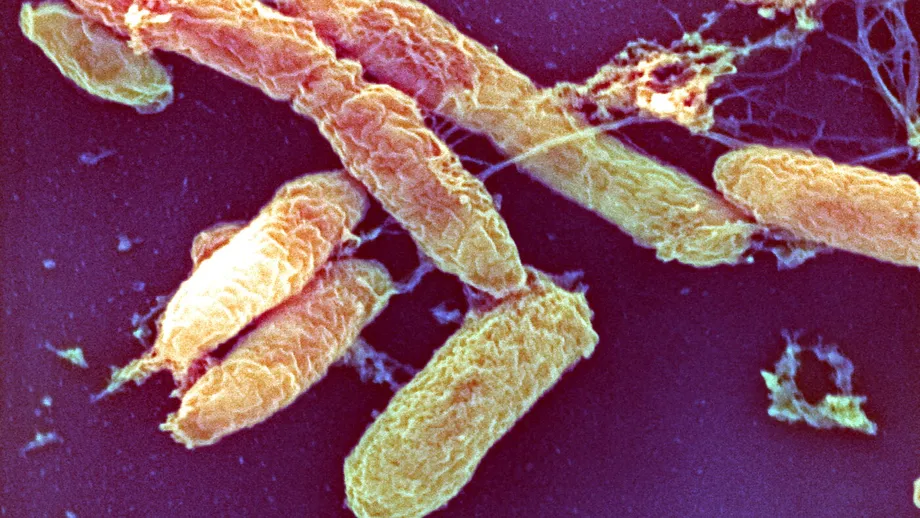
Plague is caused by a bacterium called Yersinia pestis. It circulates naturally among small mammals and their fleas. People can become infected through an infected flea bite, contact with infected tissues or inhalation of infectious respiratory particles.
Bubonic plague, the most common form, usually affects lymph nodes and can cause painful swelling. Septicaemic plague involves the bloodstream. Pneumonic plague affects the lungs and can pass between people through respiratory droplets, making close contact with an infected person a particular concern.
Dave Wagner, director of the Pathogen and Microbiome Institute at Northern Arizona University, described droplets travelling roughly three to six feet before falling relatively quickly. Infection specialists explained that people caring for a patient or having close contact with them face the greatest exposure risk.
Emory University medical entomologist Adelaide Miarinjara stressed that pneumonic plague can progress rapidly and that recognising it early is essential:
The key here is early diagnosis. If people aren't expecting it or don't seek treatment, they can die.
Symptoms can include fever, chest pain, difficulty breathing and a cough, sometimes with blood in the phlegm. WHO says untreated pneumonic plague can be fatal within 18 to 24 hours of onset. Early antibiotic treatment can save lives, which makes prompt medical assessment much more consequential than accumulating supplies.
Putting the mortality figures in context
The 90% fatality claim circulating with the Russian rumours was especially alarming to Hong Kong shoppers. WHO's figures describe a disease whose outcome depends heavily on its form and whether treatment begins early: untreated pneumonic and septicaemic plague are fatal, while antibiotics are effective against the bacteria.
WHO reported nearly 4,000 plague cases and 423 deaths across 10 countries between 2019 and 2025. Those totals amount to roughly 11 deaths for every 100 reported cases across the different forms of plague and circumstances of care. Most cases were in the Democratic Republic of the Congo and Madagascar.
Madagascar's 2017 outbreak provides a more specific example of pneumonic plague's danger. The country recorded more than 2,400 suspected plague cases, including nearly 1,900 suspected pneumonic cases. A study estimated that about 25% of confirmed cases died. Suspected cases and laboratory confirmed cases are separate categories, so the study's percentage applies to its confirmed group.
Gregory Koblentz, a specialist in biological security policy at George Mason University, explained in Nature's scientific assessment that modern sanitation, hygiene and medicine make today's response very different from the medieval Black Death. He described the risk of a large outbreak as extremely low and pointed to the range of antibiotics available.
Koblentz also relayed WHO's geographical assessment: low risk in Irkutsk, a still lower risk across Russia and extremely low risk for Europe and the rest of the world. The serious danger to an untreated patient and the assessed risk to distant populations are two different parts of the health picture.
Precautions spread beyond Siberia
Kazakhstan, Kyrgyzstan, Uzbekistan and Tajikistan introduced quarantine controls at border crossings. Uzbekistan also increased the readiness of services responsible for highly infectious diseases. The United States requested more information from Russia, while its Centers for Disease Control and Prevention said it was monitoring the suspected event and saw no indication of a broader threat to the United States.
US Secretary of State Marco Rubio called for fuller disclosure while warning against speculation:
I think it's incumbent upon Russia to obviously share more information with the world," he said. "Maybe it's bigger than we thought. We don't know, but I think it would be reckless at this moment, given the limited information we still have, to speculate.
Hospital precautions were tangible for residents of the Irkutsk region. Ulyana Gavryunina, a 29-year-old blogger who was 40 weeks pregnant, said she changed maternity hospitals after restrictions prevented her husband from attending labour. At an appointment, staff checked her temperature, required a mask and hand sanitising, and gave her questionnaires, including one headed Checklist for Suspected Highly Dangerous Infectious Disease Plague.
Gavryunina described a calm atmosphere inside the hospital. Her experience shows how precautionary measures can alter daily life while an investigation is still underway, especially when patients receive little explanation about the reasons.
In Hong Kong, infectious disease specialist Dr Lam Wai-sun said there was no firm evidence of a pneumonic plague outbreak and urged residents to avoid excessive panic. He said correct mask use and hand hygiene help prevent infection. Russian medical specialists also advised against taking antibiotics without a prescription: preventive treatment is reserved for people with a meaningful exposure risk and should be directed by a doctor.
Key Points
- Darya Shipilova, 28, died on October 2 after severe pneumonia. Russian authorities said no plague case had been identified.
- WHO sought detailed laboratory information. By October 10, more than 5,500 tests had found no dangerous pathogens or evidence of continuing transmission.
- About 200 contacts underwent precautionary observation. Russia said monitoring ended on October 8 without infectious disease health problems.
- Hong Kong Mask's owner described a sales rise of about 3,000%; the brand separately reported a 700% revenue increase on October 7.
- A Tsuen Wan shop's daily revenue rose above HK$10,000, and one customer bought 17 boxes of masks.
- Pneumonic plague requires urgent medical treatment. Early antibiotics are effective, and WHO assessed the wider public risk as low.
- Hong Kong's Centre for Health Protection announced preventive measures on October 12 while continuing to follow the investigation.