A delayed delivery leaves Bali waiting for fuel
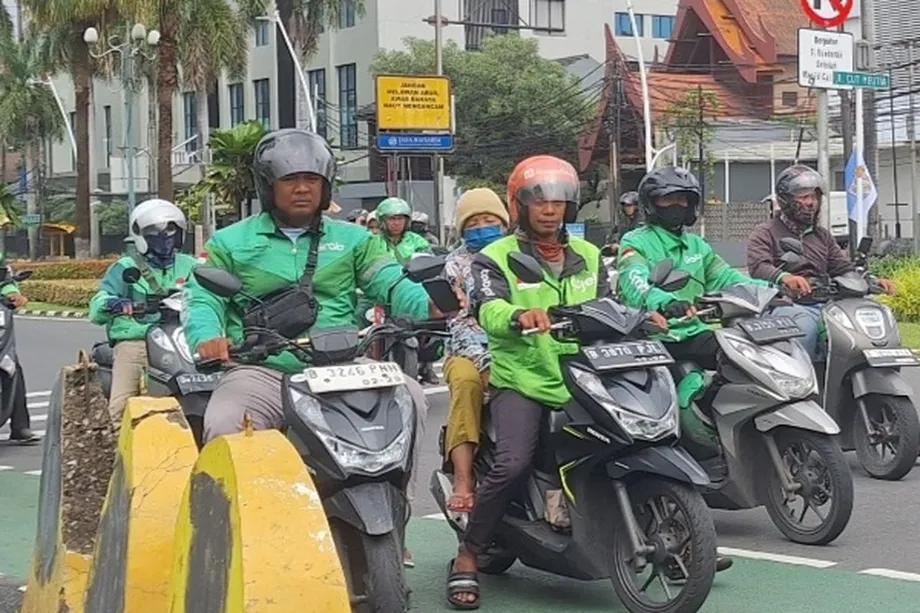
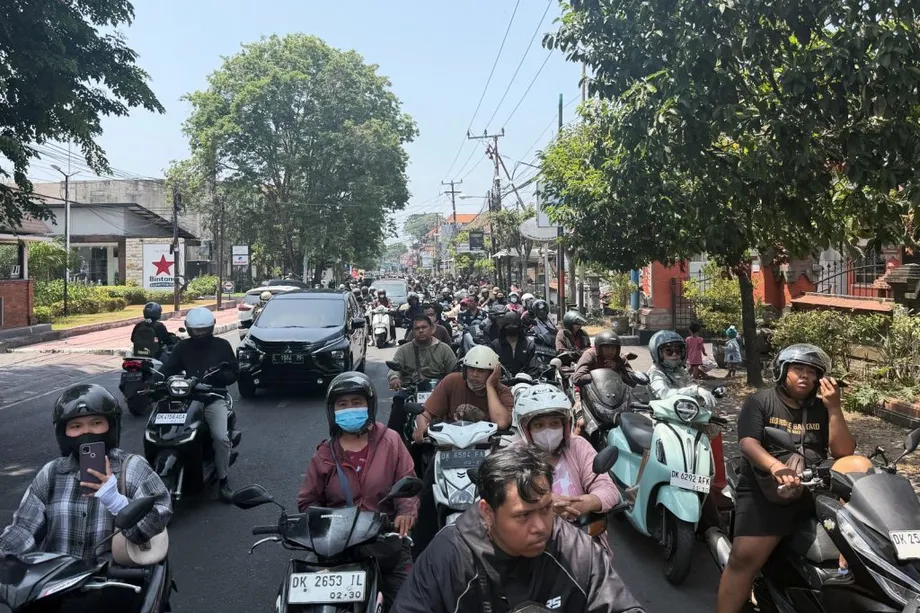
A tanker carrying more than 22 million litres of fuel reached Bali on October 13, 2026, yet residents and tourists were still waiting hours at petrol stations the following day. Witnesses described queues stretching up to one kilometre, while authorities ordered deliveries around the clock and extended station opening hours to restore access to petrol and diesel.
Contents
- A delayed delivery leaves Bali waiting for fuel
- Where the disruption hit hardest
- Why fuel stocks did not prevent empty pumps
- How Pertamina is restoring deliveries
- Longer opening hours in Denpasar and Badung
- Workers and visitors lose hours to queues
- The response reaches the presidential palace
- What customers were told about prices and help
- How the recovery unfolded
- Key Points
Pertamina president director Simon Aloysius Mantiri attributed the disruption to a tanker having difficulty unloading its cargo and apologised on October 13. He said an operation scheduled to begin at 6:30 a.m. Bali time on October 12 only started at about 10 p.m., a delay of approximately 15 hours and 30 minutes. The vessel had struggled to anchor.
Speaking after a meeting with Koster in Denpasar, Simon apologised on behalf of Pertamina to Bali residents for the queues experienced over the preceding days. He said technical distribution problems and increased consumption could not justify the disruption residents had faced.
Bali Governor I Wayan Koster said the incoming shipment could meet demand for up to seven days, with more deliveries expected during the same week. Nevertheless, getting fuel onto the island was only one part of the recovery. It still had to move from the terminal to petrol stations where customers were waiting.
On October 14, Laode Sulaeman, director general of oil and gas at Indonesia's Ministry of Energy and Mineral Resources, said the queues could be resolved that day or the next. His forecast put the expected recovery on October 14 or 15, while people across several parts of Bali continued to experience shortages at the pump.
Where the disruption hit hardest
Denpasar, Badung, Klungkung, Buleleng and Bangli all experienced difficulty obtaining fuel. The disruption extended beyond the busiest tourist areas, with people in Buleleng visiting multiple stations in search of supplies. Vehicles queued along Jalan Gajah Mada in Singaraja.
Klungkung residents queued for Pertamax at the Besang, Siku and Batu Tabih stations on October 13 after Pertalite supplies ran out. Pertalite and Pertamax are different petrol products sold by Pertamina. The queues for Pertamax showed how the shortage of one product pushed customers toward another available option.
Badung also recorded a medical emergency. A woman from Bongkasa village fainted at about 9 a.m. Bali time on October 13 after waiting for hours at the Latu petrol station in Abiansemal. Police and station staff helped her before an ambulance took her to Puskesmas Abiansemal 1, a local community health centre.
Exhaustion and poor physical condition were suspected in the incident. Her experience added a human cost to the long waits: obtaining fuel had become an activity that could consume much of the morning, rather than a short stop during an ordinary journey.
Why fuel stocks did not prevent empty pumps
Laode said delayed ships and problems moving fuel to customers were responsible for the queues. Speaking at the Coordinating Ministry for Food office in Jakarta on October 14, he put national fuel stocks at enough for 18 to 20 days; Energy Minister Bahlil Lahadalia gave a figure of 16 to 18 days that same day. Both described national supplies as sufficient.
A stock figure expressed in days describes how long stored fuel could cover consumption at the rate used in the estimate. Customers, however, depend on fuel being available at their particular station. A national reserve can remain adequate while a delayed delivery leaves some local pumps without the product people need.
Koster said on October 13 that fuel was available at the Manggis depot in Karangasem and the Pesanggaran depot in Denpasar. He said deliveries from depots to stations were under way but were being slowed by traffic, and expected distribution to return to normal within one to two days.
Bali relies on gasoline and diesel arriving by ship. The journey continues after a vessel reaches the island: it must unload at a terminal, and fuel must then be dispatched to stations. A delay at the unloading stage pushes back those later deliveries, leaving stations waiting even when a cargo has reached nearby waters.
Laode also described seasonal transport difficulties elsewhere in Indonesia. Dry rivers can force deliveries normally carried by river vessels onto trucks, which carry smaller volumes. High waves can stop ships from berthing. These were examples of the transport problems he said were affecting distribution in different regions; the specific difficulty identified by Pertamina in Bali involved anchoring and unloading.
How Pertamina is restoring deliveries
Pertamina Patra Niaga's Jatimbalinus regional operation began prioritising deliveries to petrol stations according to their needs and running supply operations continuously for 24 hours. Its communication, relations and corporate social responsibility area manager, Ahad Rahedi, described the measures in a statement issued on October 13.
Ahad said the delivery schedule took account of the requirements of individual stations so that supplies could be directed where they were needed. The company's stated aim was to speed up the restoration of service through continuous deliveries.
Pertamina scheduled shipments totalling 26,200 kilolitres for October 12, 14 and 16, including 18,000 kilolitres of Pertalite and 2,500 kilolitres of Pertamax. The fleet carrying fuel from depots to stations was increased from 90 to 105 vehicles, while Bali's government coordinated with police to reduce traffic delays affecting deliveries.
The MT Klasogun, carrying additional Pertalite and Biosolar, arrived at the Sanggaran Fuel Terminal on the morning of October 13. Pertalite is petrol, while Biosolar is a diesel product blended with biodiesel. Pertamina targeted distribution of that cargo from midday to help replenish stations during the recovery.
Koster separately described an incoming tanker carrying more than 22 million litres. His estimate that the shipment could meet up to seven days of demand gave residents a measure of the additional supply, while Pertamina's terminal and station operations determined how quickly it would reach customers.
Koster also said available supplies and scheduled deliveries would cover Bali's Pertalite and Pertamax needs for two weeks. He put arriving stocks at 19.2 million litres of Pertalite, enough for six to seven days, and three million litres of Pertamax, enough for about three days. Further deliveries included 25 million litres of Pertalite scheduled for October 15, 16 and 17, and 13 million litres of Pertamax scheduled for October 13 and 17.
Longer opening hours in Denpasar and Badung
Petrol stations in Denpasar and Badung were to operate for 24 hours, Koster said, with deliveries from depots also continuing around the clock. Keeping both parts of the operation running was intended to replenish stations and serve waiting customers beyond normal opening hours.
Simon said selected stations in Denpasar and Badung were already operating around the clock, with the service to extend to Tabanan and Gianyar within one to two days. Pertamina had also instructed all stations to display notices showing stock availability and whether they were operating for 24 hours.
Laode said continuous distribution measures had been operating since Monday, October 12. The additional cargo reported on Tuesday therefore arrived during a recovery effort already under way, rather than marking its first step.
Koster, Bali's governor, sought to reassure residents that supplies were available:
People don't need to worry because the fuel is available,
The governor said further shipments were expected that week. He did not give an end date for the extended station hours, and the October 14 statements did not confirm that queues had already cleared. Laode's expectation of recovery by October 15 remained the immediate target.
Workers and visitors lose hours to queues
Ni Wayan Susiani, a hotel worker aged 22, said she waited about five hours before buying fuel for her motorbike. She described feeling annoyed and hoped the disruption would soon end.
Susiani explained what she wanted after the long wait:
My hope is that this is the last day like this. Hopefully it can return to normal in the days to come,
Raisa Neagu, a Moldovan tourist aged 43, spent hours waiting to refuel her scooter on October 14. She said the lack of petrol had stopped her travelling and forced her to abandon plans.
Neagu described the immediate effect on her holiday:
We were stuck with no petrol. So we couldn't move. We had to cancel all our plans,
Neagu was due to fly home on October 21 and had wanted to visit northern Bali. Her experience and Susiani's wait showed the disruption reaching both visitors moving around the island and residents relying on motorbikes in their daily lives.
The response reaches the presidential palace
President Prabowo Subianto called Bahlil to the presidential palace in Jakarta on October 14 to discuss the fuel shortage. Bahlil arrived at about 3:45 p.m. Western Indonesian Time. Investment and Downstreaming Minister Rosan Roeslani also attended the meeting.
Bahlil said Pertamina chief Simon Aloysius Mantiri was already in Bali monitoring conditions. He expected to receive the company chief's findings and report directly to Prabowo. Before the meeting, Bahlil said he still needed to hear the latest account of the response on the island.
The arrangements placed responsibility at several levels: Pertamina was handling deliveries and station supply, Bali's government was coordinating locally, and national officials were seeking updates on the recovery. Bahlil described the government as the regulator and Pertamina, a state owned company, as the organisation carrying out the fuel supply operation.
Pertamina Patra Niaga was also coordinating with the Bali provincial government to update information on conditions and discuss a planned visit by the governor to petrol stations. Koster had urged the company to fix supplies as residents complained about the queues.
What customers were told about prices and help
Bahlil said subsidised fuel prices were unchanged. Prices for fuel sold without a subsidy would continue to fluctuate with developments in world prices. A subsidy means government support helps keep the price paid by consumers below the cost they would otherwise face.
Pertamina asked residents to stay calm and buy fuel according to their needs. Buying extra fuel during a disruption can add demand while stations are trying to serve customers already waiting, making the pace of deliveries especially important.
The company directed customers to its official information channels for updates. Service and product enquiries, as well as complaints, could be submitted through Pertamina Contact Center 135. That gave residents a route to raise problems while deliveries and opening hours were being adjusted.
How the recovery unfolded
The response developed over several days, with continuous distribution starting before the additional tanker arrival and national discussions following as queues persisted.
- October 12: According to Laode Sulaeman, operations to distribute fuel continuously for 24 hours began. Simon said an anchor problem delayed a tanker's scheduled berthing and unloading from 6:30 a.m. to about 10 p.m. Bali time.
- October 13: The MT Klasogun arrived at Sanggaran with additional Pertalite and Biosolar. Pertamina announced priority deliveries, and Simon Aloysius Mantiri apologised for the disruption.
- October 13: Koster said a tanker carrying more than 22 million litres had arrived, with enough supply for up to seven days and further shipments expected that week.
- October 14: Residents and tourists continued waiting for fuel. Laode forecast recovery that day or by October 15, while Bahlil attended a palace meeting on the shortage.
For customers, the practical measure of recovery was fuel becoming available at stations and queues shortening. The emergency effort focused on the steps needed to achieve that: unloading cargo, sending deliveries continuously and keeping stations open longer in Denpasar and Badung.
Key Points
- Tanker unloading delays disrupted Bali's fuel distribution, with queues reaching up to one kilometre. Simon said an anchor problem delayed scheduled berthing and unloading on October 12 from 6:30 a.m. to about 10 p.m. Bali time.
- A shipment exceeding 22 million litres arrived on October 13, which Governor Koster said could meet up to seven days of demand. He also said available supplies and scheduled deliveries would cover Pertalite and Pertamax needs for two weeks.
- Pertamina prioritised station deliveries and ran distribution around the clock. The delivery fleet increased from 90 to 105 vehicles, and selected stations in Denpasar and Badung were already operating for 24 hours, with Tabanan and Gianyar to follow.
- Officials described national stocks as sufficient, citing estimates of 16 to 18 days and 18 to 20 days.
- Laode Sulaeman expected the queue problem to be resolved on October 14 or 15.
- Subsidised fuel prices remained unchanged, and customers could contact Pertamina through 135.