Two weeks of symptoms led doctors to a living obstruction
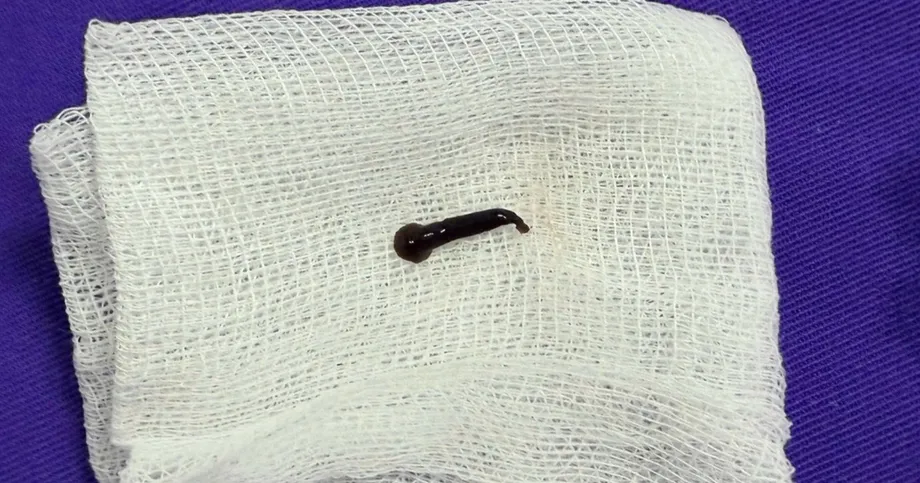
A 24-year-old woman from Son La province in Vietnam had a live leech removed from the opening between her vocal cords after about two weeks of throat discomfort, difficulty eating and occasional breathlessness. Several medical examinations had failed to identify the cause before she reached the National Ear, Nose and Throat Hospital.
Contents
- Two weeks of symptoms led doctors to a living obstruction
- Why the diagnosis took several visits
- Why a leech at the vocal cords needs urgent treatment
- How doctors removed it without damaging the airway
- A documented case in Morocco shows how symptoms can progress
- An Indian patient needed an emergency breathing opening
- Which symptoms call for assessment or emergency care?
- Why home attempts can make removal harder
- Safe water matters during work in fields and forests
- Key Points
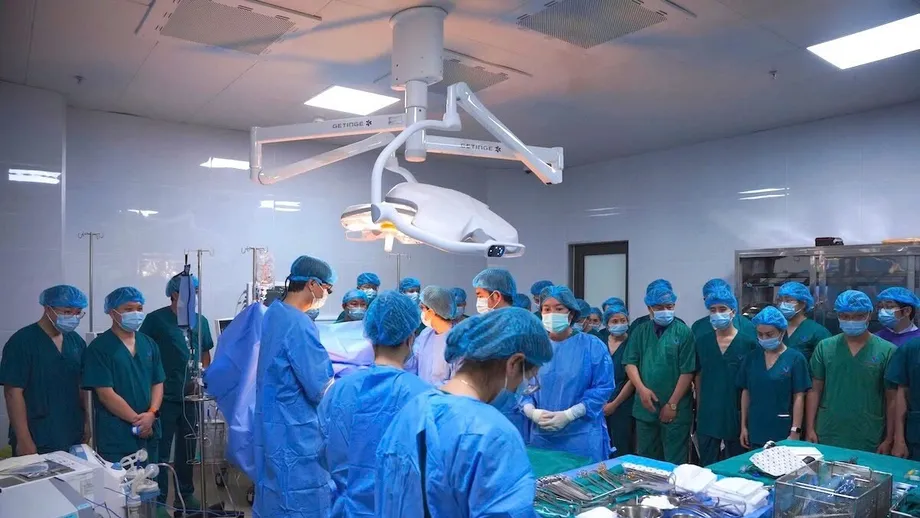
Dr. Ngô Duy Thịnh, a treating physician in the hospital's Ear Department, described the case on October 16, 2026. An examination using a viewing instrument found the leech attached at the glottis, the narrow opening in the voice box through which air passes toward the lungs. Doctors removed it intact under general anesthesia, without injuring the airway lining.
Her husband said she frequently worked in the fields and drank untreated stream water. That history helped doctors consider a living foreign body when assessing symptoms that could otherwise resemble more common throat problems. After removal, her breathing returned to normal and the uncomfortable sensation disappeared.
Why the diagnosis took several visits
The woman's family described a series of examinations before the leech was identified. At the first visit, doctors suspected thyroid disease, with an initial concern about a thyroid tumor. Another facility found no abnormality and sent her home for observation. Her symptoms continued, prompting the family to seek care again.
A later local examination detected a foreign body in her throat. The facility could not safely remove it and referred her to the National Ear, Nose and Throat Hospital, where doctors could examine the voice box and prepare to protect her breathing during treatment.
The sequence of care unfolded as follows:
- For about two weeks, she experienced a tickling or obstructed feeling deep in her throat, difficulty eating and occasional shortness of breath.
- Early examinations raised concern about thyroid disease, but a subsequent assessment found no abnormality.
- A later examination detected a throat foreign body and led to specialist referral.
- Hospital endoscopy identified a live leech at the glottis, followed by removal under general anesthesia.
- On October 16, Dr. Thịnh described the case and the patient's recovery.
Why a leech at the vocal cords needs urgent treatment
The glottis is a small but essential passage. The vocal cords sit on either side of it, opening to let air through and moving together to produce sound. A creature attached there occupies space needed for breathing, even if the person can initially speak and breathe with only mild discomfort.
Dr. Thịnh explained that a leech can become larger as it feeds on blood. Its body and movements can narrow the remaining opening or block it. For this reason, doctors recommended early removal even though the woman had not developed severe breathing distress.
Leech saliva also contains substances that interfere with blood clotting. Normally, clotting helps seal an injured blood vessel. An anticoagulant slows that process, allowing blood to continue flowing from the attachment site. A patient can therefore face two problems at once: an obstruction in the breathing passage and bleeding from the tissue where the leech holds on.
The woman's main complaints were discomfort and occasional breathing difficulty. Doctors warned that early symptoms can also include a change in voice, rather than intense throat pain or an obvious breathing emergency. Persistent symptoms after drinking untreated water deserve medical assessment before the airway becomes more restricted.
How doctors removed it without damaging the airway
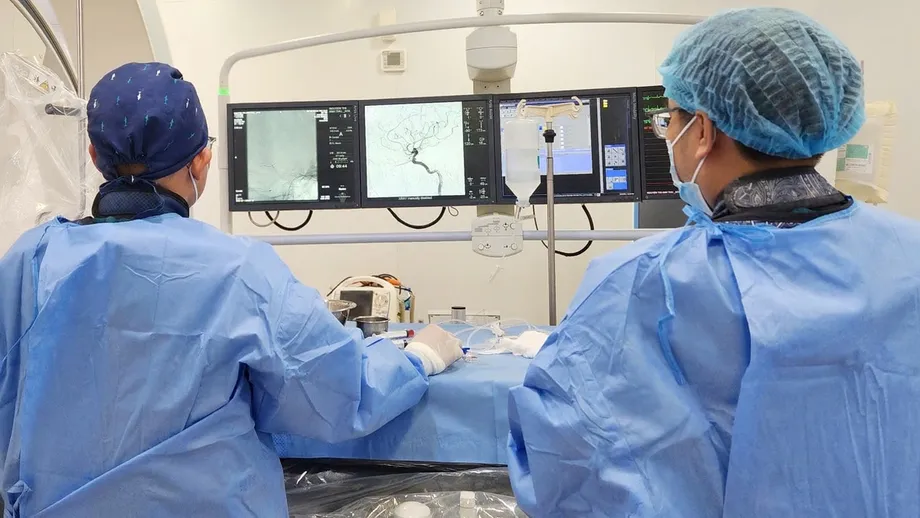
The hospital team used suspension laryngoscopy under general anesthesia. In this procedure, an instrument exposes the voice box and is supported in position so the doctor can see the affected area and work precisely. General anesthesia keeps the patient unconscious and still while the team manages breathing.
A live leech presents difficulties that a loose piece of food may not. Its body is slippery, it can move, and its sucker grips the delicate lining. An uncontrolled attempt to pull it away can tear tissue, break the leech or dislodge it farther down the breathing passage.
The team monitored the woman's breathing, prepared equipment to manage her airway and checked the attachment area after removal. The leech came out whole, the airway lining remained intact and her health stabilized. The exact date of the procedure, the leech's size and the precise water source or time of entry were not disclosed.
A documented case in Morocco shows how symptoms can progress
A separate case published on January 25, 2017, by physicians at University Hospital Centre IBN Rochd in Casablanca, Morocco, describes a more severe presentation in a child. Their published case report, titled An unusual cause of severe dyspnea: A laryngeal live leech: Case report, concerned a 6-year-old girl with serious breathing difficulty and coughing up blood.
Her parents said symptoms began two months after she drank stream water. She developed a change in voice and coughed up blood, without pain or difficulty when swallowing. Examination with a flexible viewing instrument passed through the nose revealed a dark, living leech extending from the area above the vocal cords to the glottis.
The doctors prepared a breathing tube and equipment for a tracheotomy, an opening made through the neck into the windpipe if needed to secure breathing. Under general anesthesia, they used a rigid laryngoscope to expose the voice box and removed the leech with forceps. It measured more than 6 centimeters. Her symptoms resolved, and she went home the following day.
The Casablanca authors described hirudin, an anticoagulant secreted by leeches, as a reason bleeding can persist. They also cautioned that breaking a leech during removal can leave parts attached and prolong bleeding. Their account helps explain why complete, controlled removal mattered in the Vietnamese woman's treatment.
An Indian patient needed an emergency breathing opening
Doctors at North Bengal Medical College treated another patient, a 40-year-old woman from Gorubathan in India's Kalimpong district, after she developed difficulty swallowing and a cough for three days. She said she had drunk water from a nearby waterfall about 15 days before admission on January 2.
A flexible camera examination found a living leech attached to her larynx. The team took her to the operating theatre that evening. Because it was moving and firmly attached, doctors were concerned it might travel deeper into the airway and cause bleeding. They performed an emergency tracheostomy to protect her breathing during treatment.
Dr. Radheshyam Mahato, head of the hospital's Ear, Nose and Throat Department, said the breathing tube was removed on January 6 and the woman was doing well. He described it as the second such case in his 34 years of experience, following one in December 2022 in the same district.
Dr. Mahato urged people to take care with what they drink and eat:
I would like to create awareness among everyone to be very careful while drinking water and having food to avoid this kind of critical situation,
The Vietnamese and Moroccan patients had their leeches removed through the mouth using instruments that exposed the voice box. The Indian patient also needed a temporary opening in the windpipe. Together, the cases show how the position and movement of a leech, bleeding concerns and the patient's breathing can shape the procedure doctors choose.
Which symptoms call for assessment or emergency care?
Dr. Thịnh advised people to seek an ear, nose and throat assessment if they develop persistent symptoms after drinking untreated natural water. A clinician needs to know both what the throat feels like and whether the person recently drank from a stream, worked in the forest or used untreated water around the mouth.
Symptoms that warrant examination include a continuing tickling or moving sensation in the throat, a feeling that something is stuck, persistent coughing, hoarseness, blood in sputum or blood mixed with saliva. These symptoms have several possible causes. A specialist examination can identify the problem and determine whether a viewing instrument is needed.
Difficulty breathing, noisy breathing, bluish skin or an inability to speak normally requires emergency care. In Vietnam, people can call 115 for emergency medical assistance. A person with these signs needs help immediately rather than waiting for a routine appointment.
Why home attempts can make removal harder
Doctors warned against putting fingers, hooks or other tools into the throat to retrieve a suspected foreign body. The voice box is both delicate and close to the entrance of the windpipe. Poorly controlled movements can injure its lining, trigger bleeding or push an object deeper.
Swallowing rice or drinking large amounts of water to force the obstruction downward is also unsafe. Pouring salt, alcohol, vinegar or chemicals into the throat in an attempt to make a leech release its grip can cause injury or choking and complicate medical treatment.
The same features that make hospital removal demanding, a slippery body, movement and a firm attachment, make attempts at home especially risky. Doctors need a clear view, suitable instruments and a plan to maintain breathing while removing the creature whole.
Safe water matters during work in fields and forests
The Vietnamese patient's habit of drinking directly from streams gave doctors a plausible route of entry: a small leech could have entered her mouth with the water and attached to the throat or voice box. For people working far from a reliable water supply, preparing drinking water before leaving home is a practical way to avoid that exposure.
Doctors recommended carrying enough bottled water or water that has been boiled and cooled. Untreated stream water should also be avoided for rinsing the mouth or washing the face. Water that looks clear can still contain small organisms and disease causing microbes.
The Casablanca case report likewise recommends avoiding direct consumption of stream water and filtering drinking water before use. Advice accompanying the Vietnamese case recommends boiling natural water when it must be used. Workers should plan for a safe supply rather than relying on the appearance of a stream or waterfall.
The woman's recovery followed identification and careful removal of the obstruction. Her experience also gives patients a concrete detail to share during a consultation: recent use of untreated natural water, even when the chief complaint is only an unusual sensation in the throat.
Key Points
- A 24-year-old woman from Son La had a live leech at the glottis after about two weeks of throat discomfort and occasional breathlessness.
- Doctors removed it intact under general anesthesia, and her breathing and throat symptoms returned to normal.
- Leeches attached near the vocal cords can obstruct airflow and cause prolonged bleeding.
- Persistent throat symptoms after drinking untreated water need medical assessment. Breathing difficulty requires emergency care.
- Do not attempt removal with tools, food, salt, alcohol or chemicals. Carry safe drinking water when working in fields or forests.