A young teacher's final gift reaches beyond Gia Lai
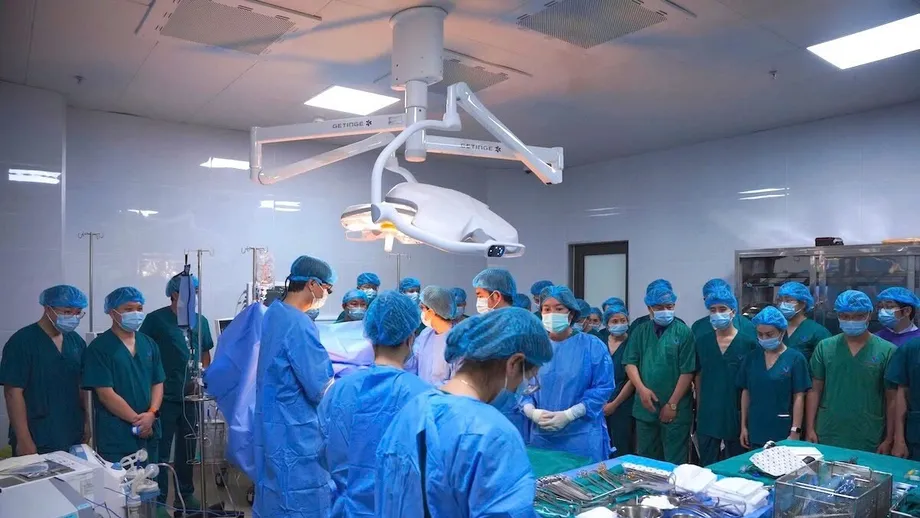
Pham Thi Anh Thu, an English teacher born in 2004, became Gia Lai province's first organ donor after brain death when her family agreed to donate her liver and two kidneys following a traffic accident. Hung Vuong Gia Lai Hospital coordinated the organ retrieval on October 15 with Vietnam's National Organ Transplant Coordination Center and specialists from several hospitals.
Contents
Thu, from Dak Po commune, had recently graduated from Quy Nhon University and taken up a teaching position in Trang commune. She was admitted to Hung Vuong Gia Lai Hospital on October 10 with severe injuries. Despite emergency treatment and intensive care, her brain injuries were irreversible, and doctors completed the required process to determine brain death.
Bui Truong Giang, the hospital's deputy director responsible for medical services, described a donation plan intended to help four patients through the use of her liver and two kidneys. Three recipients were also reported after surgery, when her heart was found unsuitable for transplantation. The four recipient plan involved dividing the liver between two patients, while the account describing three recipients involved a liver and two kidney transplants. The final recipient total and their medical condition have not been publicly clarified.
Pham Thi Dao, who heads the counseling and coordination department at the National Organ Transplant Coordination Center, described the procedure as the first organ donation at a private hospital in Vietnam, as well as the first in Gia Lai. For the province, the practical achievement was bringing together the local hospital, transplant specialists and a national coordination network to retrieve and distribute donated organs.
From emergency treatment to a family decision
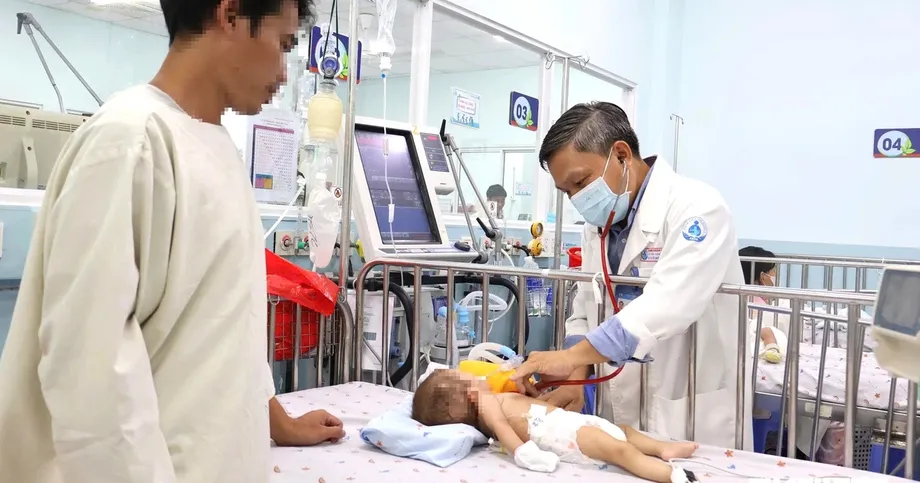
Thu arrived at Hung Vuong Gia Lai Hospital critically injured and in a deep coma. Doctors provided emergency treatment, resuscitation and intensive care, but her condition did not improve. A medical assessment subsequently determined that she had suffered brain death.
Brain death means that the brain has permanently stopped functioning. A ventilator and other medical support can temporarily maintain breathing and circulation, allowing doctors to preserve organs while donation is arranged. The hospital said its team followed the required diagnostic procedure before proceeding with discussions about donation.
Thu's parents, Pham Ba Ung and Ngo Thi Bich Phung, received counseling about their daughter's condition and the donation process. They voluntarily signed a request to donate her tissues and organs so that other patients could receive treatment.
The main events unfolded over several days:
- October 10: Thu was admitted to Hung Vuong Gia Lai Hospital after a traffic accident.
- During her treatment: Doctors provided intensive care, assessed her irreversible brain injuries and completed the process to determine brain death.
- After counseling: Her family agreed to donate suitable organs.
- October 15: The hospital held a farewell ceremony and coordinated the organ retrieval and distribution with national specialists.
The family wanted part of her life to continue
Thu's father, Pham Ba Ung, said the family decided to donate his daughter's tissues and organs to give other patients a chance to live. Her parents made the decision without asking for payment or another material benefit.
Le Thai Ha, Thu's cousin, explained that the family had discussed the decision together. He described their wish for part of her body to continue helping others after her death. In translated remarks, he said:
The family agreed to donate her organs in the hope that part of her body could help patients in need, so that they would have a chance to live.
The family also agreed to allow the hospital to share images and information about the donation publicly. Their stated purpose was to encourage understanding of organ donation and help other families consider how it can save lives.
A farewell ceremony took place at the hospital on the afternoon of October 15, with organ retrieval scheduled to follow. For her parents and relatives, the donation took place alongside the immediate task of saying goodbye to a young woman who had only recently begun her teaching career.
Which organs could be used?
Thu's liver and both kidneys were accepted for donation. Doctors had initially considered retrieving her heart as well, but its condition during surgery did not meet the requirements for transplantation. Her lungs had suffered injuries and were unsuitable. Her family chose to retain her corneas, the transparent front surfaces of the eyes that can also be donated for transplantation.
Each organ needed its own medical assessment. A family's consent allows doctors to consider donation, while the condition of each organ determines whether it can be used. In Thu's case, damage to the lungs and the assessment of the heart narrowed the organs available to the liver and kidneys.
The coordination plan described by the hospital allocated the liver to two patients: one at Hue Central Hospital, with support from Vinmec, and another at 108 Military Central Hospital. The right portion of the liver was assigned to the patient at 108 Military Central Hospital. The kidneys were allocated to Hue Central Hospital and the National Children's Hospital.
A liver can sometimes be divided into portions for two recipients because of its structure and capacity to regenerate. That was the basis of the plan to help four patients using three donated organs. Each kidney, meanwhile, was intended for a different patient.
A local hospital connected to national teams
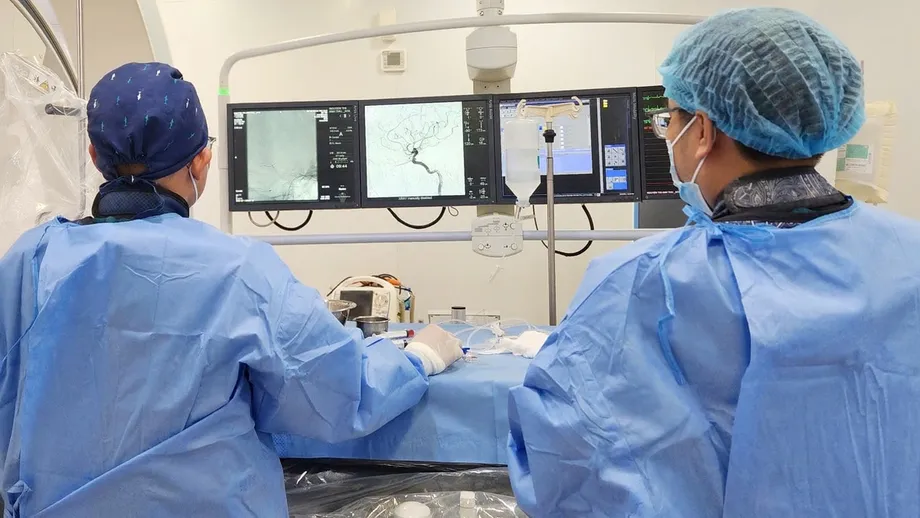
Hung Vuong Gia Lai Hospital worked with the National Organ Transplant Coordination Center, Hue Central Hospital, 108 Military Central Hospital, the National Children's Hospital and Vinmec Times City. Their tasks included assessing organ function, preparing retrieval and preservation procedures, and arranging distribution to the hospitals treating potential recipients.
Military Hospital 103, Viet Duc Friendship Hospital and Hue University of Medicine and Pharmacy Hospital were also named among participating institutions. The coordination effort brought together specialists from outside Gia Lai with the staff already caring for Thu.
Giang said the province's first donation presented demanding medical and organizational work. Staff had to complete the required paperwork, prepare personnel and equipment, consult specialists and connect with the coordination center, all within a limited period.
The hospital also continued medical support for the donor to preserve the condition of the organs. Once organs are retrieved, their preservation and transport must be closely coordinated with the teams preparing recipients for surgery. Organ retrieval in Gia Lai and transplantation at the receiving hospitals were different stages of that process.
Giang placed the family's decision at the center of the event. In translated remarks, the deputy director said:
The greatest meaning of today's event is the noble act of the donor and her family. At a time of grief and loss, the family still decided to give other patients a chance to live.
What the first procedure changes for Gia Lai
Gia Lai's first donation after brain death gives the province practical experience in identifying a potential donor, completing the medical assessment, counseling relatives and organizing organ retrieval. Those steps require preparation at the hospital where a critically injured patient is receiving care, even when transplantation will take place elsewhere.
Dao's description of the procedure as Vietnam's first at a private hospital also points to a wider role for hospitals outside the main transplant centers. Hung Vuong Gia Lai Hospital was able to participate in donation through coordination with national specialists and receiving hospitals.
The hospital said it would continue preparing its staff, medical services and equipment for similar cases. For the Central Highlands, that work could make it easier to arrange donation locally and connect suitable organs with patients at transplant hospitals in other regions.
Vietnam has performed more than 10,000 organ transplants over more than 30 years. The reported share of transplants using organs from donors declared brain dead rose from below 5% before 2023 to 12.9% in 2024 and nearly 19% in 2025. The increase from 2024 to 2025 was about six percentage points, bringing the share close to one in five transplants.
Thu's family made its decision within that growing practice of donation after death. Hung Vuong Gia Lai Hospital expressed its gratitude to her and her relatives, recognizing both their loss and the treatment opportunities their consent created for patients waiting elsewhere.
Key Points
- English teacher Pham Thi Anh Thu was admitted to hospital on October 10 after a traffic accident and was later declared brain dead.
- Her family voluntarily donated her liver and two kidneys.
- Organ retrieval was coordinated at Hung Vuong Gia Lai Hospital on October 15, the first such procedure in the province.
- The announced allocation plan aimed to help four patients by dividing the liver between two recipients; three recipients were also reported after surgery.
- Her heart and lungs were unsuitable for transplantation, and her family retained her corneas.
- A national coordination official described the donation as Vietnam's first at a private hospital.