Indonesia Achieves Major Diesel Surplus Amid Energy Policy Overhaul
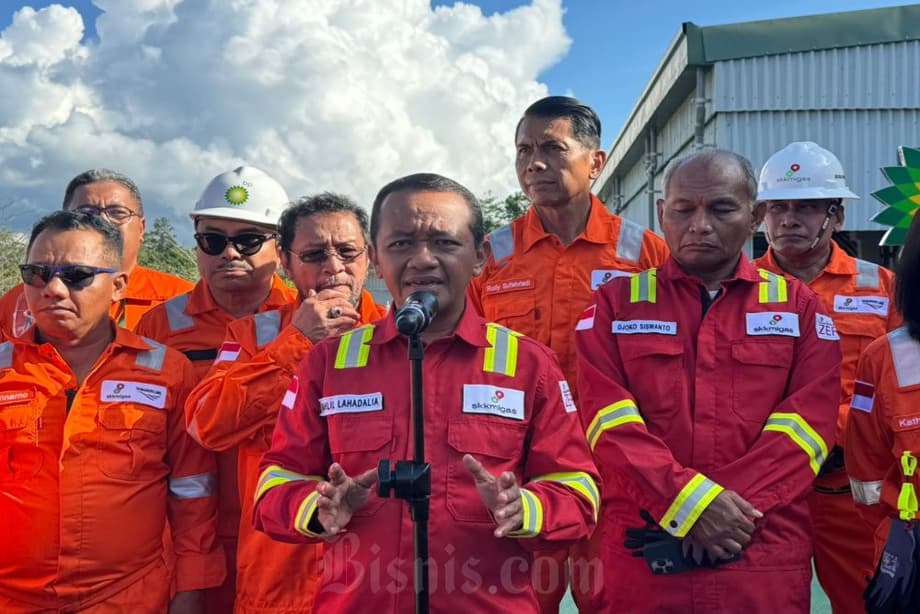
Indonesia has officially recorded a surplus of approximately 1.4 billion liters of subsidized diesel fuel, marking a major shift in the nation’s energy management strategy. Energy and Mineral Resources Minister Bahlil Lahadalia announced the surplus, attributing this development to a combination of increased biodiesel production and enhanced domestic refining capabilities. This significant surplus positions the country to aggressively pursue its goal of ending diesel imports by 2026, a milestone that would alter the Southeast Asian nation’s standing in the global energy market.
The announcement highlights the success of recent government policies designed to strengthen energy security. By reducing reliance on foreign fuel, Indonesia aims to insulate its economy from global price volatility and utilize its domestic resources more effectively. The surplus supports the government’s broader objective of optimizing domestic fuel use and expanding the role of biofuels in the national energy mix.
The Drivers Behind the Surplus
The primary force behind this surplus is the successful implementation of the B40 policy, which mandates a 40% blend of biodiesel in diesel fuel sold domestically. This policy relies heavily on fatty acid methyl ester (FAME) derived from palm oil, a resource abundant in Indonesia. Government data indicate biodiesel consumption has risen steadily in recent years, reaching 14.2 billion liters in 2025, up from 9.3 billion liters in 2021.
This surge in biofuel usage has directly contributed to a reduction in fossil diesel imports of around 3.3 million kiloliters. The ministry reported that biodiesel consumption in 2025 reached 105.2% of the government’s target of 13.5 million kiloliters. This performance suggests that the biofuel sector is robust enough to support even higher blending mandates in the near future.
In addition to biofuel mandates, the operation of the new oil refinery in Balikpapan has played a critical role in boosting domestic diesel output. This facility is part of the Refinery Development Master Plan (RDMP), a strategic infrastructure project intended to modernize the country’s refining capabilities.
The Balikpapan Refinery Upgrade
The Balikpapan RDMP represents a significant leap forward for Indonesia’s downstream oil and gas sector. Operated by state-run energy firm Pertamina, the project carries an investment value of $7.4 billion. The upgrade has increased the refinery’s crude processing capacity from 260,000 barrels per day (bpd) to 360,000 bpd. This expansion adds 100,000 barrels of daily processing capacity, significantly bolstering the nation’s ability to produce fuel domestically.
A key component of this upgrade is the addition of a new Residue Fluid Catalytic Cracking (RFCC) unit. This technology is essential for converting heavy, low-value oil fractions into lighter, high-value products like diesel and gasoline. The RFCC unit also enables the production of fuels that meet higher environmental standards.
Minister Bahlil emphasized the strategic importance of this facility during a cabinet meeting.
“The Balikpapan refinery will allow us to add around 100,000 barrels per day [in processing capacity], allowing us to reach a diesel surplus,” Bahlil said.
Furthermore, the project has upgraded product quality from Euro 2 standards to Euro 5. This improvement reduces harmful emissions and improves engine performance, aligning Indonesian fuel standards with more stringent international regulations.
From Surplus to Aviation Fuel
With the diesel surplus secured, the government is moving to optimize this excess supply rather than allowing it to go to waste. Officials have announced plans to redirect surplus diesel for the production of aviation fuel, a sector that has historically relied on imports. This conversion strategy is a central element of the broader effort to cut fuel imports and achieve energy self-sufficiency.
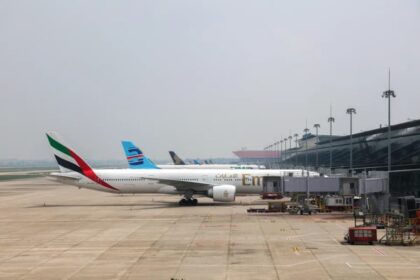
Indonesia imported nearly 1.8 million kiloliters of jet fuel last year, a sharp increase from the 278,000 kiloliters imported the previous year. By converting excess domestic diesel into aviation fuel, the government aims to stem this growing import bill. The strategy involves utilizing the increased refining capacity to process surplus stocks into Avtur, the specific type of aviation fuel used by jet engines in the country.
Minister Bahlil expressed confidence that this conversion would be viable once the B50 mandate is implemented.
“If we can further push the mandatory mandate to B50, we should be able to get 4 million tons of surplus, which we will convert into aviation fuel,” Bahlil said.
This approach not only addresses the diesel surplus but also tackles the rising demand for aviation fuel, creating a synergistic solution within the energy sector.
The 2026 Target: Ending Diesel Imports
The central pillar of this new energy landscape is the complete cessation of diesel imports by 2026. This ambitious target relies heavily on the full operational capacity of the Balikpapan refinery and the successful rollout of the B50 biodiesel mandate. The Ministry of Energy and Mineral Resources has indicated that a ban on diesel imports by private fuel retailers will take effect from April 2026. From that point, all diesel demand must be supplied from domestic refineries or through Pertamina.
However, the transition period may require careful management. Minister Bahlil acknowledged that limited imports might still be necessary in the early months of 2026, depending on the refinery’s operational readiness. If the Balikpapan facility reaches full capacity around March, imports may continue through January and February to safeguard national energy supplies.
“If full operations start in March, then in January and February there may still be small imports to cover supply needs,” Bahlil explained.
Once the refinery is fully online, officials project Indonesia could record a diesel surplus of roughly 3 to 4 million kiloliters annually. This shift would fundamentally alter Indonesia’s position in the regional energy market, moving it from a net importer to a potential exporter of diesel.
The government is also preparing to phase out imports of mid- and high-octane gasoline starting in 2027. Bahlil stated that officials are designing a roadmap to stop importing gasoline with octane ratings of 92, 95, and 98, focusing instead on processing more crude oil in domestic refineries.
Challenges and Market Skepticism
Despite the optimistic projections, the transition faces several technical and logistical hurdles. Market participants have expressed skepticism regarding the timeline for both the refinery upgrade and the implementation of higher biodiesel blends. The country is currently one of the biggest high-sulphur gasoil importers in Asia, with imports ranging from 70,000 to over 150,000 barrels per day.
The switch to becoming a diesel exporter hinges heavily on the successful rollout of the B50 blending programme and the Balikpapan RDMP. Experts note that RFCC units are technically challenging to start up. Delays and technical issues have plagued similar projects in the region, raising concerns about whether the Balikpapan facility will meet its aggressive targets.
Technical and feasibility issues could also hamper the rollout of the B50 blending mandate. Higher blends of biodiesel can present challenges regarding engine compatibility and cold flow properties, requiring rigorous testing and infrastructure adjustments.
Private fuel retailers have also raised concerns about the proposed import ban. Hadi Ismoyo, president director of PT Petrogas Jatim Utama Cendana, warned that the policy could narrow the operating space for private downstream players and create a perception of single-source fuel supply through Pertamina.
“Capacity may be sufficient quantitatively, but that does not necessarily mean product specifications and quality will match the needs of private retailers,” Hadi said.
Future Plans for Gasoline and Ethanol
While diesel remains the primary focus, the government is also looking ahead to reduce gasoline imports. Bahlil announced that officials are designing a roadmap to phase out imports of mid- and high-octane gasoline (RON 92, 95, and 98) starting in 2027. The plan involves increasing domestic crude oil processing rather than importing finished products.
As part of broader efforts to modernize the energy sector, the government is also aiming to upgrade fuel quality standards. Indonesia currently produces diesel with a cetane number of 51, but the goal is to align with Euro 5 standards. This shift would reduce emissions and improve engine performance, though it requires significant upgrades to existing refinery infrastructure.
In parallel with the diesel strategy, the government is preparing to expand the use of ethanol in gasoline. Plans are underway to require a 10% ethanol blend for all gasoline sold domestically starting in 2027. This move is intended to further reduce reliance on imported fossil fuels and support the agricultural sector by creating a new market for sugar-based ethanol.
These measures collectively represent a comprehensive strategy to reshape Indonesia’s energy profile, moving from heavy reliance on imports to a model driven by domestic refining and renewable biofuels.
Key Points
- Indonesia has recorded a surplus of 1.4 billion liters of diesel, driven by the B40 biodiesel policy and the Balikpapan refinery upgrade.
- The government aims to stop all diesel imports by 2026, potentially becoming a net exporter of the fuel.
- Excess diesel supply will be converted into aviation fuel to reduce reliance on jet fuel imports.
- The Balikpapan RDMP increases refining capacity to 360,000 barrels per day with an investment of $7.4 billion.
- A B50 biodiesel mandate is planned for the second half of 2026 to further increase the surplus.
- Officials plan to phase out imports of RON 92, 95, and 98 gasoline by 2027.
- Market experts have raised concerns about potential delays in refinery operations and the technical feasibility of higher biodiesel blends.