A Color of Deep Cultural Meaning
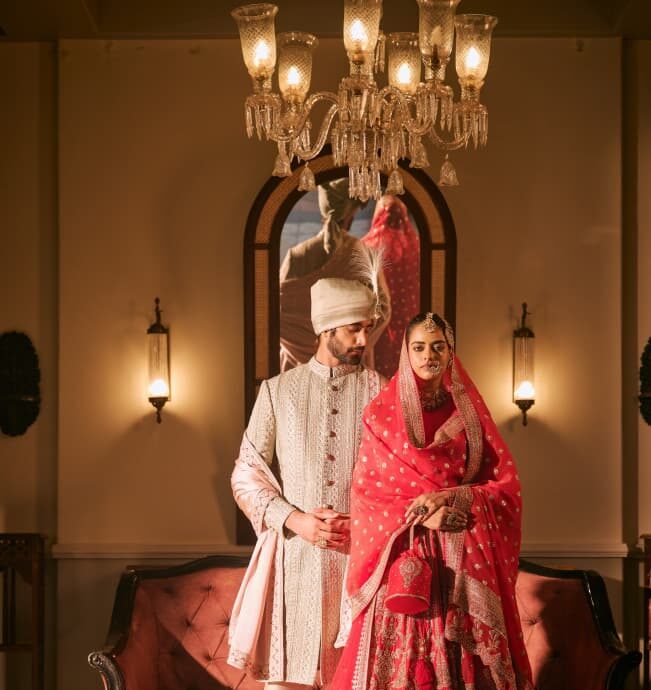
In the vibrant tapestry of South Asian wedding traditions, few elements command as much attention and reverence as the color red. For generations, brides across Bangladesh, India, Pakistan, and neighboring regions have adorned themselves in this striking hue, carrying forward a legacy that spans centuries. Red is far more than a fashion choice in these cultures. It represents love, passion, energy, good fortune, fertility, and prosperity. Unlike Western traditions where white dominates bridal attire, red in South Asian culture symbolizes new beginnings and marital bliss, serving as a harbinger of joy rather than the mourning associations that white carries in many Eastern traditions.
The significance of red runs deep in the collective consciousness of South Asian societies. It is believed to ward off evil spirits while bringing harmony, happiness, and good fortune to a woman’s life. This powerful color embodies the undying fire of love between couples, making it the natural choice for wedding ceremonies that celebrate the union of two souls. The vibrancy of red also serves a practical purpose, making the bride stand out as the center of attention on her special day, a visual declaration of her new status and the joyous occasion being celebrated.
Historical Roots and Symbolic Significance
The tradition of wearing red at South Asian weddings has ancient roots that predate modern national boundaries. Archaeological evidence suggests that the appreciation for red pigments dates back thousands of years in the Indian subcontinent. The use of sindoor, the vermilion red powder applied in the parting of a married woman’s hair, can be traced through ancient texts and artistic representations, symbolizing matrimony and the status of a wife. This practice continues today, with many brides having red dye applied to their hair in the days leading up to their wedding ceremony.
According to wedding planning experts, red is considered the most auspicious color in South Asian traditions. A South Asian wedding planner noted that at traditional Indian weddings, “saris, flowers, decorations, invitations—everything will be red.” This comprehensive integration of red creates a cohesive visual narrative that speaks to the cultural importance of the color. The symbolism extends beyond the immediate wedding celebration. In Hindu culture, red represents the goddess Shakti, embodying feminine energy and power. In Muslim communities across South Asia, red holds similar associations with good fortune and celebration, though traditions vary significantly across regions and religious practices.
The cultural importance of red also manifests through traditional accessories. Red glass bangles, for instance, have been worn by South Asian women for centuries as symbols of energy, prosperity, and marital bliss. These delicate circles of color and sound are not merely decorative items but bearers of tradition, with the clinking sound of bangles believed to attract positive energy and ward off negativity. Archaeological findings show that glass bangles existed as far back as 2600 BC in the Indus Valley Civilization, though glass as a material became prominent later through Roman and Middle Eastern influences.
Regional Variations in Red Traditions
While red remains a unifying element across South Asian wedding traditions, the specific expressions of this tradition vary by region. In Bangladesh, Benarasi katan sarees in sindoor-red remain a timeless and precious choice for wedding attire. These luxurious silk sarees, often featuring intricate gold or silver zari work, represent the pinnacle of traditional craftsmanship. Pakistani brides frequently opt for heavily embellished red lehengas or shararas, with deep crimson and maroon being particularly favored shades. The specific red that looks best depends on the bride’s complexion, with deep, orangey reds and vermillion complementing warm complexions, while fair-skinned individuals with cool undertones often look stunning in blueish reds like bright cherry or raspberry red.
The Guest Etiquette Around Red
Understanding the cultural significance of red is particularly important for wedding guests attending South Asian celebrations. In Western wedding traditions, white is typically reserved exclusively for the bride, and guests are advised against wearing it to avoid competing with or disrespecting the couple. Similarly, in South Asian and East Asian cultures, red holds a comparable position of honor. Wedding etiquette experts advise that guests attending Indian, South Asian, or Muslim weddings should avoid wearing red as it is traditionally the bride’s color and could be seen as attempting to overshadow her.
The primary reason for avoiding red at weddings is the fear of overshadowing the bride. Red is a bright color that stands out in a crowd, drawing attention much like a red car on the road.
This tradition stems from the belief that the bride should remain the focal point of the celebration. The rules around color can be particularly nuanced for guests navigating multiple cultural expectations. For instance, while white is associated with purity in Western traditions, it often represents mourning in Hindu and Sikh cultures. This means that white can be just as inappropriate as black for celebratory events in these communities. The safest approach for guests is to consult with the couple or their families about appropriate dress codes, especially when attending weddings outside their own cultural tradition.
Modern Trends and the Evolution of Tradition
In recent years, South Asian wedding aesthetics have undergone significant transformation, with some high-profile brides opting for non-traditional color palettes. The trend toward pastel colors gained momentum after celebrity weddings like that of actor Anushka Sharma, who wore a blush pink Sabyasachi lehenga to marry cricketer Virat Kohli in 2017. This European garden-inspired aesthetic, with its soft colors and minimalistic decor, sparked a shift in the industry. Subsequently, celebrities like Alia Bhatt, Athiya Shetty, Kiara Advani, and Parineeti Chopra chose shades of pale pink and ivory for their weddings, leading to questions about whether South Asian weddings had reached “peak pastel.”
However, cultural commentators and wedding professionals note that this shift doesn’t necessarily signal the end of red’s prominence. Rather, it reflects the evolving nature of tradition and the increasing emphasis on individual expression in modern weddings. Fashion experts and wedding planners observe that while some brides are moving away from red to showcase their personality, the color remains deeply embedded in the cultural consciousness. The choice often depends on family expectations, regional customs, and personal preference. In diaspora communities, where traditions intersect with Western influences, many couples find creative ways to honor traditional elements while incorporating contemporary aesthetics.
The makeup and beauty industry has also evolved alongside these changing trends. South Asian bridal makeup has transitioned from the heavy, dramatic looks of the 1990s—which almost always included dark kohl-lined eyes, gold glitter, and a red lip to match traditional bridalwear—to softer, more natural styles. Celebrity makeup artists report a “soft glam boom” that focuses on enhancing rather than transforming the bride’s features. This shift aligns with broader changes in wedding fashion, where the goal is often to look like the best version of oneself rather than adopting a completely different persona.
The Debate Over Cultural Homogenization
Not everyone embraces the move toward pastels and muted tones. Fashion experts, wedding professionals, and even brides have expressed concern about the homogenization of South Asian wedding aesthetics. Critics argue that when every wedding looks like the same soft, dreamy Instagram feed, the rich cultural diversity that makes South Asian celebrations so distinctive is lost. The question of “where did all the color go?” has become a topic of genuine debate in wedding circles, with some seeing the pastel trend as erasing cultural heritage in favor of a bland, Westernized aesthetic.
Red Beyond the Bride’s Attire
The significance of red in South Asian weddings extends far beyond the bride’s clothing. The color permeates every aspect of the celebration, from invitations to decorations to ritual elements. Wedding planners note that red is typically the centerpiece of traditional wedding color schemes, often paired with gold accents to create a regal effect. The mandap, the sacred canopy under which the wedding ceremony takes place, is frequently adorned with red flowers like marigolds, roses, and hibiscus. These blooms aren’t merely decorative—they symbolize love, prosperity, and new beginnings.
In many traditions, red plays a crucial role in pre-wedding ceremonies as well. During the mehndi ceremony, where intricate henna designs are applied to the bride’s hands and feet, red henna paste is used. The resulting stain, which darkens over 24 to 48 hours, ranges from orange to deep maroon and is considered auspicious. Some traditions incorporate red into the haldi ceremony, where a paste of turmeric and other ingredients is applied to the bride and groom to bless them before the wedding. While turmeric is yellow, it’s sometimes mixed with other ingredients that give it reddish hues, and the bride might wear red clothing during this ritual.
The ritual application of sindoor represents one of the most significant uses of red in South Asian wedding traditions. This vermilion powder, applied by the groom in the parting of the bride’s hair during the ceremony, symbolizes her new status as a married woman. The practice varies across regions and religions but remains a powerful visual marker of matrimony. In some traditions, the bride continues to wear sindoor daily as long as her husband is alive, making red a permanent part of her married identity. The practice has deep historical roots and appears in ancient texts and artwork from across the subcontinent.
Red also appears in culinary traditions associated with weddings. Sweets and desserts served at celebrations often feature red hues from ingredients like saffron, rose water, or red food coloring. The richness of these red-toned delicacies reflects the prosperity and abundance that weddings celebrate. From rose-flavored gulab jamun to bright red sweets like ladoos, the color red creates a sensory experience that complements the visual splendor of the event.
Cultural Appreciation and Respectful Engagement
As South Asian cultural elements gain visibility globally, questions arise about how people outside these traditions can respectfully engage with practices like wearing red bridal attire. Cultural experts emphasize that appreciation must be grounded in understanding and respect rather than superficial borrowing. The difference between cultural appreciation and cultural appropriation often comes down to context, acknowledgment, and whether the practitioner benefits from a culture that may have been marginalized or historically oppressed.
Scholars and community leaders note that certain South Asian styles that people have been shamed for or even outlawed in the past are suddenly celebrated as chic or exotic when worn by non-South Asians. This dynamic raises complex questions about power and cultural exchange. True appreciation, experts argue, requires education about the history and significance of cultural elements. It’s not enough to simply like how something looks—understanding why it matters to the community that created it is essential.
For those attending South Asian weddings or incorporating elements of these traditions into their own celebrations, the guidance is clear: learn the meanings behind the symbols, respect the protocols, and when in doubt, ask. Fashion designers and cultural consultants recommend seeking guidance from community members when appropriate. Many South Asians welcome genuine interest in their traditions, provided it comes with humility and respect rather than entitlement. The key is approaching cultural elements with the same reverence that the originating community holds for them.
Wedding professionals and cultural insiders also emphasize the importance of acknowledging the sources of inspiration. When Western brands draw heavily from South Asian aesthetics without credit, it can feel like exploitation rather than appreciation. Proper attribution, supporting South Asian artisans and businesses, and understanding the context behind cultural elements are all part of respectful engagement. As one fashion designer put it, taking inspiration from another culture is a huge compliment when done with respect and integrity, but claiming it without credit or context crosses the line.
Preserving Tradition in a Globalized World
In diaspora communities, maintaining traditional practices while adapting to new cultural contexts presents both challenges and opportunities. Events like the “Grand Fake Indian Wedding” held in Halifax, Canada, demonstrate how South Asian traditions are being shared and celebrated outside their countries of origin. These events allow people who may never have attended a traditional South Asian wedding to experience the joy and beauty of these celebrations. They also provide spaces for the South Asian diaspora to reconnect with their heritage and share it with friends from different backgrounds.
Such celebrations often include traditional elements like red carpet entrances, dhol players, and opportunities to wear traditional or Indo-Western outfits. Event organizers note that these gatherings are about more than just partying—they’re cultural experiences that foster understanding and appreciation. For many in the diaspora, especially those who have moved away from home or never had the chance to attend weddings back in their ancestral countries, these events provide a meaningful connection to cultural roots.
The Enduring Appeal of Red
Despite changing trends and the influence of global fashion, red maintains its powerful position in South Asian wedding traditions. The color carries meanings that no trend can diminish: it speaks of passion, prosperity, and the sacred bond of marriage. For many brides, wearing red is a way to honor their ancestors, connect with generations of women who came before them, and participate in a cultural continuity that spans time and geography.
The fashion industry, even as it embraces new trends, continues to recognize red’s unique power. Designer Valentino Garavani famously made red his signature color, with his own specific shade known as “Valentino Red.” When discussing the impact of red dresses, he noted, “When you see a woman in a beautiful red evening dress, it’s really something special.” This observation applies equally to red bridal attire in South Asian traditions, where the color transforms the wearer into a vision of cultural significance and personal celebration.
Modern brides who choose red today do so with awareness of its deep cultural resonance. Whether they opt for traditional Benarasi sarees, contemporary red lehengas with contrasting borders, or innovative red saree gowns for receptions, their choice connects them to a rich heritage. At the same time, the increasing variety of options—different shades, different silhouettes, different combinations with other colors—reflects the evolving nature of tradition. Red remains, but its expression continues to diversify, accommodating both respect for the past and the realities of the present.
For couples planning South Asian weddings today, the decision around color involves balancing multiple considerations: family expectations, personal taste, regional customs, and the specific nature of the ceremony. Some may choose to wear red for the main ceremony while opting for different colors for pre-wedding events or the reception. Others might incorporate red through accessories, makeup, or decorations rather than making it the dominant color of their attire. What matters most is that these choices are made with understanding of the traditions and respect for their significance.
Key Points
- Red symbolizes love, passion, energy, good fortune, fertility, and prosperity in South Asian cultures, representing new beginnings rather than mourning.
- Historical traditions like applying sindoor (vermilion powder) and wearing red glass bangles have been practiced for centuries, with archaeological evidence dating back to ancient civilizations.
- Wedding etiquette suggests guests should avoid wearing red to South Asian weddings as it traditionally belongs to the bride, similar to how white is reserved for the bride in Western traditions.
- Modern trends show some brides opting for pastel colors following celebrity influences, though red remains culturally significant and deeply embedded in wedding traditions.
- Cultural appreciation requires understanding the history and significance behind traditions like wearing red, rather than simply borrowing aesthetic elements without context.
- Diaspora communities are finding innovative ways to preserve and share traditional practices while adapting them to new cultural contexts and global influences.
- The color red permeates every aspect of South Asian weddings, from the bride’s attire and accessories to decorations, flowers, invitations, and ritual elements like sindoor application.
- Contemporary makeup trends have shifted from dramatic red lips and heavy styling to softer, more natural looks that enhance rather than transform the bride’s features.