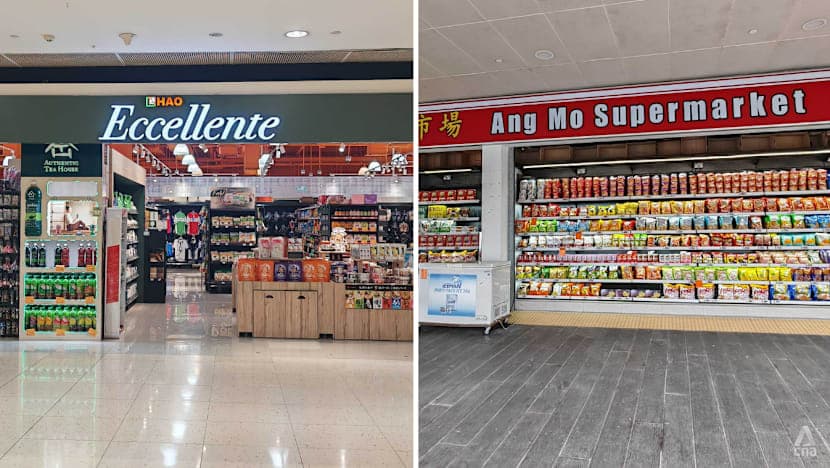
The First Deregistration in Singapore’s Plastic Bag Initiative
Singapore’s disposable carrier bag charge scheme has recorded its first departure since implementation in July 2023, as supermarket operators Hao Mart and Ang Mo Supermarket successfully exited the mandatory program. The National Environment Agency confirmed on January 30 that this marks the inaugural instance of a retailer deregistering from the regulatory framework established under the Resource Sustainability Act.
- The First Deregistration in Singapore’s Plastic Bag Initiative
- Understanding the Resource Sustainability Act Framework
- Divergent Strategies in Managing Bag Charge Proceeds
- Continued Charging Despite Regulatory Freedom
- Environmental Impact and Industry Statistics
- Considerations for Singapore’s Retail Sector
- Key Points
Both operators applied to withdraw from the scheme at the conclusion of 2025, qualifying for deregistration after their annual turnover figures remained below the statutory threshold across three consecutive years. When the program launched, Hao Mart and Ang Mo Supermarket appeared on the initial roster alongside major industry players including FairPrice, Cold Storage, and Sheng Siong. Their removal establishes precedent for how smaller retail operators might navigate compliance requirements as business scales fluctuate.
The deregistration process required formal application to the National Environment Agency, which evaluated the financial records of both chains to confirm eligibility. With annual revenues not exceeding S$100 million (approximately US$79.3 million) during the assessment period, both operators met the criteria for voluntary withdrawal from mandatory participation.
Understanding the Resource Sustainability Act Framework
The disposable carrier bag charge scheme operates under Singapore’s Resource Sustainability Act, legislation designed to reduce plastic waste through economic incentives. The regulation imposes a minimum charge of five cents per disposable carrier bag at supermarkets operated by entities with annual turnovers exceeding S$100 million. This threshold serves as the primary determinant for mandatory participation, creating a tiered system where larger retailers bear greater environmental responsibility while smaller operators remain exempt unless they voluntarily opt in.
Beyond the basic charging requirement, registered operators must maintain detailed records and publish annual transparency reports. These disclosures include the total number of bags distributed, gross proceeds collected from bag charges, and specific allocations of these funds. The reporting requirements aim to ensure accountability and demonstrate how retailers utilize revenues generated through environmental surcharges.
Since the scheme commenced on July 3, 2023, participating operators have been required to submit documentation regarding bag distribution volumes and financial management of proceeds. The legislation explicitly targets larger corporate entities based on the premise that high turnover supermarkets distribute substantially greater volumes of plastic bags due to their extensive customer bases and geographic reach. By concentrating mandatory compliance on these entities, the Act balances environmental objectives with proportional regulatory burdens.
Currently, eight major grocery chains remain enrolled in the mandatory scheme, including prominent names such as Cold Storage, FairPrice, and Don Don Donki. These operators continue to collect and report bag charges while maintaining their compliance obligations under the Act. For these registered entities, failure to charge the minimum five cents or to submit required documentation would constitute a regulatory violation.
Divergent Strategies in Managing Bag Charge Proceeds
The 2024 financial reports submitted by both deregistered operators reveal distinctly different philosophies regarding the management of bag charge revenues. While both collected substantial sums through the five cent per bag levy, their disbursement strategies illustrate the flexibility the scheme allows in fund allocation and the varying priorities of different retail operators.
Hao Mart: Operational Cost Recovery Approach
Hao Mart’s disclosure, published December 12, 2025, documented collections totaling S$21,143.50 from 422,870 disposable carrier bags distributed throughout 2024. The operator directed zero proceeds toward charitable or community causes, instead applying the funds toward business operations. After remitting S$1,745.79 in Goods and Services Tax to government authorities, the remaining S$19,397.71 was retained to offset general operating expenses. These costs specifically included the procurement of disposable carrier bags and administrative overhead associated with managing the charge scheme.
Jupri Suep, senior vice president of operations at Hao Mart, noted that providing plastic bags continues to represent a genuine business expense. This stance suggests the bag charges served primarily as a cost recovery mechanism rather than a community funding source during the company participation period. The decision to retain all net proceeds for operational needs reflects a pragmatic approach to managing thin retail margins while complying with environmental regulations.
Ang Mo Supermarket: Community Investment Model
Conversely, Ang Mo Supermarket directed its proceeds toward local community welfare initiatives. The chain collected S$33,241.40 from 664,828 bags in 2024, according to their December 31, 2025 report. After paying S$2,745.92 in GST obligations, the remaining S$30,495.48 was divided equally between the Marymount and Punggol Shore Citizens’ Consultative Committee Community Development and Welfare Fund, specifically designated for educational purposes. A notice posted at the Punggol location detailed these allocations, demonstrating the commitment of the operator to redirecting environmental charges toward social benefit.
This approach aligns with the strong encouragement from the National Environment Agency for operators to channel proceeds toward environmental or social causes. While not mandatory, such donations demonstrate how regulatory frameworks can generate community benefits beyond their primary environmental goals. The contrast between the two operators highlights how identical regulatory requirements can produce vastly different social outcomes based on the discretion of individual corporations.
Continued Charging Despite Regulatory Freedom
Despite their official deregistration from the mandatory scheme, both supermarket chains continue charging customers for plastic bags at the time of reporting. During site visits conducted on January 30, Hao Mart locations at Marina Square and Whampoa maintained the five cent charge, as did the Ang Mo Supermarket outlet in Potong Pasir. This continued collection highlights an important distinction between regulatory requirements and independent business decisions.
As retailers no longer subject to registration, both operators now possess complete autonomy regarding bag pricing policies. They may eliminate charges entirely, maintain current rates, or adjust pricing according to operational needs without requiring regulatory approval or submitting compliance reports to the National Environment Agency from 2026 onward. The continued imposition of charges suggests that even without legal obligations, the supermarkets recognize plastic bags as a cost center requiring offsetting, or that customer behavior has adapted sufficiently that removing charges might encourage waste or operational complications.
The National Environment Agency explicitly noted that deregistered operators retain full discretion regarding whether to charge customers for plastic bags, emphasizing that the choice now rests entirely with individual business strategies rather than statutory mandates. For shoppers visiting these specific outlets, the practical experience remains unchanged despite the regulatory status shift, as the five cent levy continues appearing on receipts.
Environmental Impact and Industry Statistics
The disposable carrier bag charge scheme has generated measurable environmental results since its 2023 inception. According to official data released by the National Environment Agency, participating supermarket operators reported reductions of 70 to 80 per cent in the number of disposable carrier bags issued at their outlets. This dramatic decrease suggests that the modest five cent levy successfully modified consumer behavior, encouraging shoppers to bring reusable bags or consolidate purchases into fewer containers.
The financial scope of the scheme has also proven substantial. Across all registered operators, bag charges generated over S$6 million in proceeds during 2024 alone, collected from approximately 129 million disposable carrier bags. These figures indicate that while bag usage has dropped significantly, the remaining volume still represents a significant revenue stream and environmental impact requiring continued attention.
The reduction percentages demonstrate that economic disincentives can effectively drive sustainable behavior changes without prohibitive costs to consumers. The five cent price point appears calibrated to trigger behavioral adjustment without creating significant financial hardship for shoppers. For context, prior to the mandatory scheme, Singapore supermarkets distributed hundreds of millions of free plastic bags annually, contributing to landfill waste and environmental pollution.
The data suggests that the primary objective of the scheme, reducing plastic consumption, has been achieved among participating retailers. Whether this behavioral change persists among customers of deregistered operators who maintain charges voluntarily remains an open question for ongoing monitoring.
Considerations for Singapore’s Retail Sector
The deregistration of Hao Mart and Ang Mo Supermarket establishes a clear pathway for other retailers whose revenues fall below the S$100 million threshold. As businesses grow or contract, they may now reference this case when evaluating their own compliance status. The willingness of the National Environment Agency to process deregistration applications suggests the regulatory framework accommodates natural business evolution without penalizing companies that scale down operations.
This flexibility maintains the focus of the scheme on larger operators who distribute substantially higher volumes of plastic bags due to their extensive customer bases. The exit raises questions about whether other currently registered operators might explore deregistration if their revenues decline, or whether newly approaching the threshold might trigger proactive compliance preparations. For now, the eight remaining chains continue their mandatory participation, maintaining the reporting and charging structures that have contributed to the documented reduction in plastic bag consumption.
Retail analysts observe that the continued charging by deregistered operators suggests the five cent fee has become normalized within Singapore consumer culture. Rather than viewing the charge as an unfair imposition, shoppers appear to accept it as a standard cost of grocery shopping, potentially reducing resistance to similar environmental measures in other retail contexts.
Key Points
- Hao Mart and Ang Mo Supermarket have become the first operators to deregister from the mandatory plastic bag charge scheme in Singapore since its 2023 launch
- Both chains qualified for deregistration after recording annual turnovers below S$100 million for three consecutive years
- As retailers no longer subject to registration, they are not required to charge for bags or submit compliance reports to the National Environment Agency from 2026 onward
- Despite deregistration, both operators continue charging five cents per bag as of late January, citing operational costs
- Hao Mart retained 2024 proceeds for business expenses, while Ang Mo Supermarket donated funds to community education initiatives
- Registered supermarket operators reported 70 to 80 per cent reductions in bag distribution since the scheme began
- Over S$6 million was collected industry-wide from 129 million bags during 2024
- Eight major grocery chains remain enrolled in the mandatory scheme including FairPrice, Cold Storage, and Don Don Donki