Hong Kong Takes Bold Step Toward Gold Trading Dominance
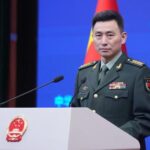
Hong Kong is preparing to sign a landmark memorandum of understanding with the Shanghai Gold Exchange next week, marking a significant move toward establishing a cross-border gold trade clearing system. Financial Secretary Paul Chan Mo-po announced on Sunday that the agreement will be formalized during the Asian Financial Forum on January 26-27, setting the stage for greater connectivity between the two major Asian financial markets.
- Hong Kong Takes Bold Step Toward Gold Trading Dominance
- Understanding Central Clearing Systems
- Hong Kong’s Gold Market Evolution
- Strategic Integration with Mainland China
- Geopolitical Context and Market Dynamics
- Broader Financial Services Strategy
- Investment Products and Innovation
- Competitive Landscape and Regional Rivalry
- Implementation Timeline and Challenges
- Long-term Vision
- The Bottom Line
The initiative aims to establish a central clearing system that will serve as vital financial infrastructure, designed to enhance the reliability and efficiency of gold trading and delivery in Hong Kong. Chan stated that the goal is to launch trial operations within this year and invite the Shanghai Gold Exchange to participate in the system.
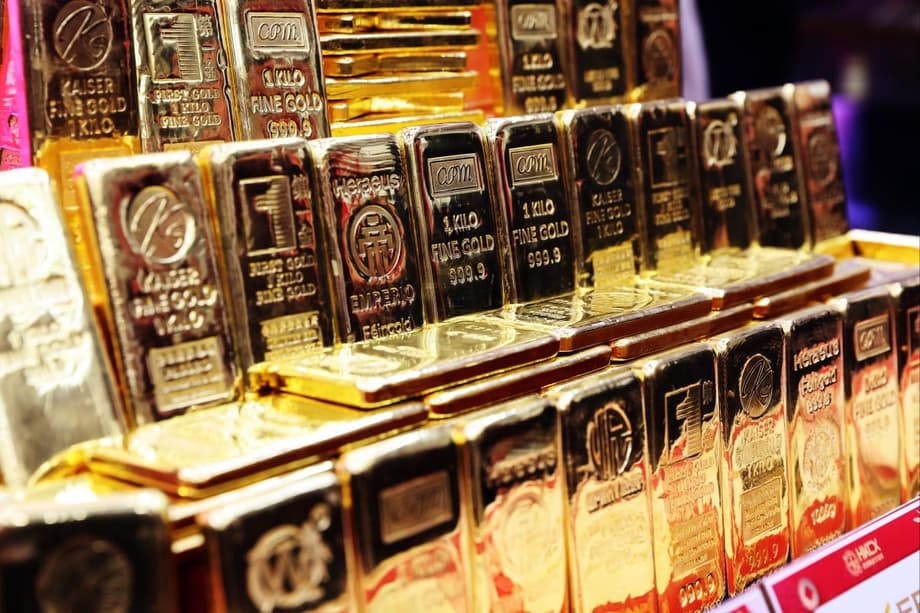
This development comes at a time when gold markets are experiencing extraordinary activity. Gold prices surged more than 60% in 2025, representing the sharpest annual gain since 1979. The total value of global demand for the precious metal jumped 44% year on year to reach US$146 billion in the third quarter of last year, according to Chan.
We are accelerating the push to establish a central clearing system as a vital piece of financial infrastructure, to enhance the reliability and efficiency of gold trading and delivery in Hong Kong, lower transaction costs and increase liquidity.
Christopher Hui, Hong Kong’s Secretary for Financial Services and the Treasury, emphasized that the city will leverage its international reach to complement Shanghai’s market, strengthening gold price discovery at the national level. This partnership represents a strategic alignment of Hong Kong’s global connectivity with Mainland China’s vast market resources.
Understanding Central Clearing Systems
For readers unfamiliar with financial infrastructure, a central clearing system serves as an intermediary between buyers and sellers in financial transactions. Instead of trading directly with each other, both parties trade through the clearinghouse, which becomes the buyer to every seller and the seller to every buyer. This arrangement significantly reduces counterparty risk, which is the danger that one party in a transaction will default or fail to honor their obligations.
Currently, Hong Kong’s gold market relies on direct settlement between buyers and sellers for over-the-counter spot trades. The introduction of a central clearing system will modernize this process by positioning a clearinghouse between trading parties. This change will make transactions more secure and efficient, potentially attracting more institutional investors who require robust risk management frameworks.
The clearing system will also help reduce transaction costs and increase market liquidity. Lower costs make trading more accessible to a wider range of participants, while higher liquidity means that investors can buy or sell gold without significantly affecting its price. These improvements are essential for Hong Kong to compete with established gold trading centers like London and New York.
Hong Kong’s Gold Market Evolution
Hong Kong has a long history as a center for precious metals trading, dating back to its role as a gateway for gold flowing into China. The city recently restructured its 114-year-old bullion exchange into the Hong Kong Gold Exchange on January 1, 2025, demonstrating its commitment to modernizing its commodities strategy.
Trading activity has accelerated alongside rising gold prices. According to Chan, the average daily turnover of 99 gold, a traditional Hong Kong trading standard for gold with 99% purity, more than doubled year-on-year to HK$2.9 billion (approximately US$372 million) as of November 2025. This surge in trading volume reflects growing investor interest in gold as both a safe haven asset and an inflation hedge.
The physical infrastructure to support this trading growth is also expanding rapidly. Currently, a vault hidden within Hong Kong’s bustling airport holds almost 150 tonnes of gold worth more than US$20 billion at current prices. Over the next three years, plans are in place to expand this capacity to hold almost seven times as much, which would be twice the amount held in a reserve near rival Singapore’s Changi airport.
The Hong Kong government has set an ambitious target of achieving gold storing capacity of over 2,000 tonnes within three years. This expansion would propel Hong Kong into a regional gold reserve hub, providing the physical backing necessary to support its ambitions as a global trading center.
Strategic Integration with Mainland China
The partnership with Shanghai builds on existing cooperation between the two cities. The International Board of the Shanghai Gold Exchange established its first offshore delivery vault in Hong Kong and launched new contracts for delivery in the city. Furthermore, the Shanghai Gold Exchange opened its first offshore vault in Hong Kong in June 2025, operated by Bank of China (Hong Kong), to facilitate yuan-denominated gold trading and storage for international clients.
This physical infrastructure creates the foundation for deeper market integration. The upcoming MOU will formalize the framework for mutual market access between Hong Kong and the Mainland, potentially allowing for seamless cross-border trading in the future. Such integration would give international investors direct access to China’s massive gold market, which is the world’s largest consumer of the precious metal.
The Hong Kong government has been actively supporting the development of a comprehensive gold ecosystem. Beyond storage and trading, initiatives include encouraging gold traders to establish or expand refineries in Hong Kong, exploring the feasibility of processing supplied materials in the Mainland to produce refined gold for exporting to Hong Kong for trading, and supporting the development of new investment products such as tokenized gold.
Geopolitical Context and Market Dynamics
The timing of this initiative is particularly relevant given broader geopolitical and economic trends. Investors have increasingly shifted away from US dollar-denominated assets amid intensifying geopolitical tensions. This movement has driven demand for alternative stores of value, with gold being a traditional beneficiary during periods of uncertainty.
Hong Kong positions itself strategically as a bridge between international gold markets and Mainland China’s trading infrastructure. The city’s regulatory framework, coupled with its offshore renminbi liquidity, makes it an ideal location for this intermediary role. As global investors seek to diversify away from US-centric financial systems, Hong Kong offers a gateway to Asian gold markets without the currency and regulatory constraints of accessing Mainland markets directly.
The establishment of the Commodity Strategy Committee in December 2025, led by Financial Secretary Paul Chan, signals the government’s commitment to developing Hong Kong’s commodities ecosystem beyond traditional financial services. This high-level coordination will help ensure that various initiatives, including gold trading, receive the necessary support and regulatory attention to succeed.
Broader Financial Services Strategy
The gold trading initiative is part of a larger strategy to consolidate and expand Hong Kong’s status as an international financial center. Chief Executive John Lee, in his 2025 Policy Address, outlined ambitious plans across multiple financial sectors, with gold trading identified as a key growth area.
The government has accepted recommendations from the Working Group on Promoting Gold Market Development and is implementing various initiatives. These include supporting the Airport Authority Hong Kong and financial institutions to establish gold storage facilities, offering a greater variety of gold investment vehicles by assisting issuers in issuing gold funds, and supporting the setting up of a trade association for the gold industry.
Hong Kong’s financial services sector has shown strong momentum recently. The Hang Seng Index has risen by over 20% year-to-date, while average daily turnover reached HK$250 billion, nearly double that of the previous year. At the end of August 2025, the cumulative amount of funds raised through IPOs exceeded HK$130 billion, nearly six times higher than the same period in the previous year, ranking Hong Kong first globally in IPO fundraising.
This success provides a solid foundation for expanding into commodities trading. The city’s established reputation, legal framework, and financial infrastructure make it well-positioned to diversify its offerings and capture a larger share of global gold trading volumes.
Investment Products and Innovation
Beyond physical trading and storage, Hong Kong is developing innovative investment products to attract capital to its gold market. The government plans to support the development of tokenized gold, which would represent physical gold on a blockchain and allow for fractional ownership and easier trading.
Tokenization could significantly lower barriers to entry for retail investors who want exposure to gold but cannot afford to purchase physical bullion. It also enables faster settlement and reduces the costs associated with storing and insuring physical gold. This type of financial innovation demonstrates Hong Kong’s intention to combine traditional commodities trading with modern financial technology.
The Hong Kong Monetary Authority (HKMA) has been actively promoting Project Ensemble, which seeks to support the development of the tokenization market. Through sandbox experiments, the project allows industry participants to explore building next-generation financial infrastructure with blockchain technology in actual business scenarios. The gold market could be an ideal test case for these innovations.
Competitive Landscape and Regional Rivalry
Hong Kong’s push to become a gold trading hub comes amid regional competition. Singapore has established itself as a significant precious metals storage and trading center, particularly for wealth management clients. The planned expansion of Hong Kong’s storage capacity to exceed Singapore’s facilities indicates the competitive intensity of this market.
However, Hong Kong possesses several unique advantages. Its proximity to China, the world’s largest gold consumer, provides natural demand. Additionally, its integration with Mainland markets through various Connect programs offers investors access that Singapore cannot match. The city’s time zone, overlapping with both Asian and European markets, also provides extended trading hours that benefit global participants.
Hong Kong previously secured designation as an approved warehouse location for the London Metal Exchange in January 2025, further enhancing its credentials as a commodities hub. This recognition from a major international exchange validates Hong Kong’s infrastructure and regulatory standards.
Implementation Timeline and Challenges
While the ambition is clear, implementing a world-class gold trading center presents several challenges. The trial operations of the clearing system are targeted to begin within 2026, but building the necessary technology, regulatory frameworks, and market participation will require careful coordination.
Regulatory alignment between Hong Kong and Mainland China will be essential for smooth cross-border operations. While both operate under different legal systems, the “one country, two systems” framework has previously allowed for effective financial cooperation through programs like Stock Connect. A similar model could work for gold trading.
Market education will also be important. International investors need to understand the specific features of Hong Kong’s gold market, including the unique 99 tael standard used in traditional Hong Kong trading. The transition to more international standards may be necessary to attract global participants while preserving local market characteristics.
Long-term Vision
Hong Kong’s gold ambitions extend beyond trading to encompass the entire value chain. The government supports the establishment of refineries, exploring processing arrangements with Mainland facilities, and developing logistics infrastructure. This comprehensive approach aims to create a self-sustaining ecosystem that can compete globally.
The establishment of a trade association for the gold industry will help coordinate industry efforts, promote best practices, and represent the sector’s interests to regulators. Such organizations have been instrumental in the development of other successful financial markets.
Ultimately, Hong Kong aims to leverage its status as the world’s largest offshore renminbi business hub to facilitate yuan-denominated gold trading. This could include developing renminbi-priced gold products and services, further integrating with China’s financial system while maintaining international accessibility.
The Bottom Line
Hong Kong’s partnership with the Shanghai Gold Exchange represents a strategic move to establish itself as a global gold trading hub. The initiative combines physical infrastructure expansion, financial innovation, and market integration to create a comprehensive gold ecosystem.
- Hong Kong will sign an MOU with Shanghai Gold Exchange at the Asian Financial Forum (January 26-27, 2026) to establish a cross-border gold trade clearing system
- Trial operations of the central clearing system are targeted to begin within 2026, with the Shanghai Gold Exchange invited to participate
- Gold prices surged more than 60% in 2025, the sharpest annual gain since 1979, with global demand reaching US$146 billion in Q3
- Hong Kong plans to expand gold storage capacity from 150 tonnes to over 2,000 tonnes within three years
- Average daily turnover of 99 gold in Hong Kong more than doubled year-on-year to HK$2.9 billion as of November 2025
- The initiative aims to reduce counterparty risk, lower transaction costs, and increase market liquidity through central clearing
- Shanghai Gold Exchange established its first offshore vault in Hong Kong in June 2025, operated by Bank of China (Hong Kong)
- The government established a Commodity Strategy Committee in December 2025 to develop Hong Kong’s commodities ecosystem
- Hong Kong is exploring innovative products including tokenized gold and yuan-denominated gold trading
- The broader strategy includes establishing refineries, developing investment vehicles, and creating a gold industry trade association