What Singapore’s 2026 phone rules change for teens
Starting in January 2026, all secondary school students in Singapore will be expected to keep smartphones and smartwatches out of sight and unused throughout the school day. That includes lessons, recess and co curricular activities. Devices must be stored in school bags or in designated storage areas and kept off. The aim is simple, cut down digital distractions so students can focus on learning and on one another during the hours they are on campus.
- What Singapore’s 2026 phone rules change for teens
- Why the government is expanding the ban
- How enforcement will work on campus
- Can schools actually enforce a full day phone ban?
- What parents, teachers and students say
- Phones, attention and mental health, what research shows
- Loopholes and workarounds, and how schools can respond
- Emergency contact and equity considerations
- What happens next and how families can prepare
- At a Glance
The shift extends rules already rolled out in primary schools. Many families will find the transition familiar, especially those with younger children who have adapted to similar expectations. For older students, the change expands restrictions that previously applied only during class time to cover the entire day on campus. Junior colleges and the Millennia Institute are not covered by the full day rule, although device use there remains limited during lessons.
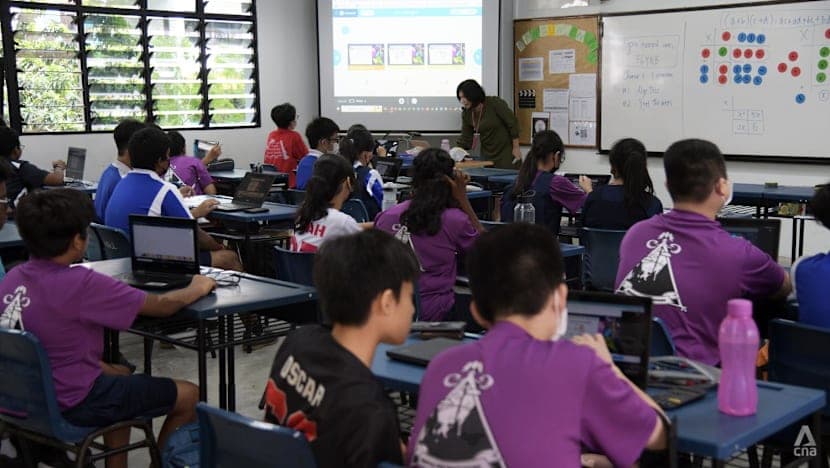
Support is broad among parents and many educators, driven by concerns about attention, sleep and social development. One father, Aylwin Lam, described how persistent limits helped his younger daughter reduce long video sessions to a short daily window. Teachers who welcome calmer hallways and lessons also flag practical issues. Students sometimes hide devices or bring dummy phones. Personal Learning Devices, such as school issued laptops or tablets, can be used for messaging or games unless settings are tight. The policy seeks to create protected time away from personal screens while still allowing technology for instruction under teacher guidance.
Why the government is expanding the ban
Education officials point to the school environment. Smartphones are built to grab attention, often at the cost of focus and face to face engagement. When devices dominate free time, they displace sleep, physical activity and ordinary conversation, all of which matter for learning and mood. The goal is not to punish students for owning phones. It is to set aside a part of the day where attention can settle on lessons, friends and play without a constant pull to check notifications.
Singapore is far from alone. UNESCO estimates that about 40 percent of education systems worldwide now restrict or ban smartphones in schools. Countries such as France, Greece, Hungary and the Netherlands have tightened rules. Canadian provinces like Ontario and British Columbia have moved in the same direction. In China, some local rules require parental consent for a student to bring a phone for clearly defined reasons. Policymakers argue that these measures are a response to rising concerns over distraction, cyberbullying and time spent on social media during the school day.
Officials in Singapore frame the change as part of a broader effort to support healthier habits among youth, alongside physical activity, sleep and nutrition. The move aligns with the national Grow Well SG push. The Ministry of Education has said schools may still allow use by exception when a clear need exists, for example a medical requirement or a teacher directed activity. That approach aims to keep the benefits of digital tools for learning while reducing the time that personal communication devices are within reach.
How enforcement will work on campus
Under the new rules, students who bring devices to school will keep them switched off and stored in a bag or a designated place. Some schools will require a quick deposit during morning assembly and return the devices after dismissal. Others will run spot checks or classroom storage routines. For urgent matters, parents will continue to contact the general office, and teachers can reach families directly. Schools will grant documented exceptions for medical and special educational needs, and teachers may permit limited use for lessons when necessary.
Personal Learning Devices will remain part of the classroom, which raises a separate set of challenges. These laptops and tablets already run management software that filters content and can block app stores, games and chat services. They can also enforce device sleep times. The default sleep mode for government issued learning devices is being brought forward to 10:30 pm from January, a step designed to support healthier bedtimes on school nights. With tighter settings and clear classroom routines, schools aim to reduce the risk of students switching from phones to chat or games on laptops.
The practicalities differ by campus. Dismissal times vary, co curricular activities extend into the late afternoon, and some students leave early for medical appointments or competitions. Schools are likely to use a mix of methods, such as supervised storage during sports, standard scripts for reminders, and consistent consequences for misuse. The goal is steady habits, not constant policing. Clear communication to families on how to reach a student in the day will help reduce anxiety about emergencies.
Can schools actually enforce a full day phone ban?
Experience abroad suggests that consistent enforcement reduces visible phone use and lowers noise and disruption in hallways and cafeterias. Studies of earlier bans in Europe and North America found small improvements in academic outcomes, especially among students who had struggled to focus. The gains generally come from higher time on task and fewer interruptions during the school day.
Evidence on mental health is mixed. Some surveys report less stress during school hours when phones are off limits, while others show little change across a full term. A phone policy cannot fix root pressures like heavy homework loads, family stress or friendship conflicts. It can, however, create a reliable window each day where students do not feel the pressure to reply instantly to chats or to track social media threads.
A range of enforcement tools is available. Some schools in other countries use locking pouches that keep phones sealed until the end of the day. Others place classroom storage racks by the door or collect devices at homeroom. These methods can work, yet they require planning, adult supervision and funds. Singapore schools are likely to pick options that fit their layout and staffing, aiming for consistency without turning every lesson change into a checkpoint.
What parents, teachers and students say
Many parents welcome the clarity. They view school rules as a useful backbone for routines at home. Several describe seeing calmer behavior and more conversation when devices are out of reach, especially at mealtimes and during commutes. A common concern is the ability to reach a child quickly. That makes it vital for schools to spell out contact channels and how front office staff will relay messages to students during the day.
Educators like the prospect of fewer interruptions, both from students filming or scrolling and from device related disputes. At the same time, they worry about the workload of checking bags, handling confiscations and coordinating returns. Some teachers point to a different risk, students using chat apps on learning devices. That calls for a mix of technical settings and clear routines during lessons and breaks.
Students are split. Some enjoy the chance to play sports, draw or talk without screens grabbing attention. Others think the rule goes too far, especially when long after school activities mean they spend most of the day unreachable. Online chatter already includes tips on hiding a second phone or using old models. This is predictable behavior in any policy change, and it underscores the need for calm, predictable responses rather than a cycle of cat and mouse.
Phones, attention and mental health, what research shows
Smartphones are designed to exploit attention. Even when a phone is on silent, the simple presence of the device can pull at working memory. The brain expends effort to resist checking, which lowers the mental resources available for a task. Removing phones from reach reduces that baseline drain on attention. In classrooms, fewer notifications also means fewer social ripple effects when one conversation triggers another across a group of friends.
Sleep is a major factor for adolescents. Late night swiping delays bedtime and cuts into deep sleep. That dents mood, memory and impulse control the next day. A school day phone rule does not solve sleep on its own. It pairs with limits like earlier device sleep modes, charging outside bedrooms and family routines that wind down screens well before lights out.
The social piece is complex. Social media can connect friends and give shy students a voice, yet it also drives constant comparison and fear of missing out. School based limits reduce daytime exposure to online drama and give emotions time to settle. They do not remove the need to teach digital citizenship, empathy and conflict resolution, which remain crucial after the last bell.
Loopholes and workarounds, and how schools can respond
Common workarounds show up in every system. Students hide devices in clothing, bring an old model as a decoy, or route messages through a smartwatch. Others move conversations to web tabs on laptops. None of this is surprising, and it can be addressed with a layered plan that is more about habits than constant searching.
Helpful layers include clear rules explained to students and parents, predictable consequences that escalate from reminders to temporary storage and family meetings, and design choices that reduce temptation. Schools can run a homeroom phone drop, give coaches labeled bins for practices and keep chat and game functions blocked on learning devices. Consistency across teachers matters. It reduces arguments about exceptions and helps students know what to expect in any class.
Training and student voice also help. Staff benefit from simple scripts for common scenarios and support when a situation escalates. Students can co create routines for recess and lunch, from sports equipment sign out to card game tables and club booths. When the alternative to scrolling is enjoyable, compliance rises without constant policing.
Emergency contact and equity considerations
Some students rely on connected devices for health. Those who manage diabetes, seizures or other conditions may need alerts or data from a wearable or phone. Policies should spell out how medical exceptions work, what documentation is required and who supervises access. That keeps safety plans intact while the general rules remain clear for everyone else.
Equity issues extend beyond health. Teens who care for siblings, travel long distances or hold part time jobs may need to coordinate after school. Schools can set short windows for calls just before dismissal, keep office lines open and ensure teachers can reach families quickly. These steps protect the spirit of the ban without placing extra burdens on students with complex routines.
For urgent needs during the day, the general office can locate a student within minutes. Schools already run medical alert and early pick up procedures. The new rules do not remove those channels. Clear guidance to families will lower the urge to bypass the system with hidden devices.
What happens next and how families can prepare
Secondary schools have more than a year to finalize storage routines, exception processes and consequences ahead of the January 2026 start. Primary schools have already built similar systems, so there are templates to adapt. Junior colleges will continue to limit device use in lessons but are not part of the full day rule. The coming year is an opportunity to test procedures on a small scale, gather feedback and adjust before full rollout.
Families can make the transition smoother by setting simple habits now. Practice a daily handover of the phone before leaving for school. Turn off non essential alerts and set app limits that align with study blocks. Talk through how to handle schedule changes after school, where to meet if plans shift and who to call. If a student needs access for medical reasons, submit documentation early so the exception is in place on day one.
Home routines that match school expectations help most. Keep phones out of bedrooms on weeknights, use a shared place to charge devices, plan screen free meals and pick a few activities that a student can enjoy during breaks without a device. The aim is a daily rhythm where attention has room to recover and relationships have time to grow.
At a Glance
- From January 2026, secondary school students must keep smartphones and smartwatches off and stored during school hours, including recess and co curricular activities.
- Devices can be used by exception for medical needs or approved learning activities under teacher supervision.
- Primary schools already follow similar rules. Junior colleges and the Millennia Institute are not part of the full day rule.
- Enforcement will rely on storage routines, staff supervision and consistent consequences, with attention to dismissal times and activity schedules.
- UNESCO estimates that about 40 percent of education systems worldwide have school smartphone bans or restrictions.
- School issued learning devices remain in use, with tighter settings. The default sleep mode moves to 10:30 pm from January to support healthier bedtimes.
- Parents and many teachers support the change for focus and wellbeing, while raising concerns about contact and staff workload. Student views are mixed.
- Success depends on clear communication, parent partnership, strong settings on learning devices and inviting offline activities during breaks.