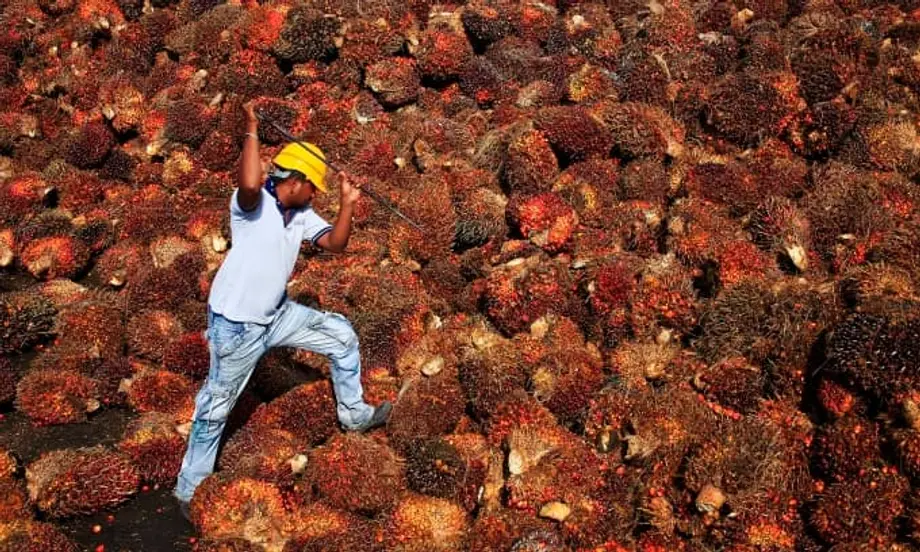
A price reversal puts a major export market under pressure
Malaysia is seeking to rebuild palm oil sales to China after Plantation and Commodities Minister Datuk Seri Johari Abdul Ghani cited a nearly 39 percent fall in shipments during January to October 2025 compared with the same period a year earlier. Palm oil, usually the cheaper alternative to soybean oil, at one point cost about US$120 more per tonne, giving Chinese buyers a strong reason to switch.
Contents
- A price reversal puts a major export market under pressure
- Why soybean oil gained the advantage
- Freight, currencies and product choices change the final bill
- Direct deals and a visit by 37 Chinese buyers
- What a purchase agreement lasting one year can offer
- China's soybean industry shapes the competition
- Export duties and predictable rules matter to buyers
- Prices above 4,000 ringgit complicate the recovery
- What to Know
Johari pointed to logistics challenges as well as weaker price competitiveness. Official comments have also cited a decline of nearly 29 percent for January to October. Differences in reporting cutoffs and the products counted can affect published figures, although the reason for the gap between these two figures was not specified.
China has been a major Malaysian palm oil customer for more than a decade, often ranking second after India. The decline therefore reaches beyond exporters to plantations, mills, refineries and businesses that turn palm oil into food ingredients and industrial products.
Malaysia's response combines direct negotiations with Chinese customers, proposed purchase commitments lasting one year, and assurances that export policies will remain predictable. Officials want buyers to have greater certainty about volumes, quality and deliveries, while giving producers a steadier flow of orders.
The challenge, as of December 3, 2025, is that commercial relationships must compete with daily price calculations. Chinese refiners and food manufacturers can adjust their purchases when soybean oil becomes cheaper. Malaysia is trying to make its supply arrangements attractive enough to win back business while that price pressure continues.
Why soybean oil gained the advantage
Palm oil normally trades below soybean oil in price. That discount helps it compete in markets where manufacturers watch ingredient costs closely. During stretches of 2025, the relationship reversed, with Malaysian crude palm oil futures frequently trading above 4,000 ringgit per tonne.
The premium of about US$120 per tonne over soybean oil made palm oil a more expensive option for many Chinese customers. Refiners and food producers follow this price gap closely because both oils compete in snack foods, instant noodles, bakery fats and household cooking oils. Where recipes and production processes allow, buyers can change the balance between them.
Several pressures helped support palm oil prices. Supply growth in Southeast Asia faced constraints from the availability of workers and the age of oil palm trees. Regional biodiesel programmes also kept part of production in domestic fuel markets, leaving that oil unavailable for other uses.
Soybean processing can push prices in the opposite direction. Crushing soybeans produces meal for animal feed and soybean oil. When processors crush large volumes, more soybean oil becomes available, which can put downward pressure on its price.
Chinese procurement teams responded to the persistent palm oil premium by reducing palm oil purchases and taking more soybean oil. Malaysia's difficulty is therefore both a pricing problem and a competition problem: its exporters must persuade customers to return while another widely used oil offers savings.
Freight, currencies and product choices change the final bill
Logistics can widen a price disadvantage before a shipment reaches its customer. Malaysian officials cited frictions involving container availability, shipping schedules and variable freight costs. Chinese buyers also have to account for insurance, storage and the cost of moving oil into coastal and inland markets.
A factory working to a tight delivery schedule may choose another oil or supplier if a shipment risks arriving late. Even modest additional costs can matter when the factory is already comparing palm oil with cheaper soybean oil.
Indonesia, the world's largest palm oil exporter, adds another competitive pressure. Malaysian and Indonesian suppliers compete for customers, while changes in export taxes affect the prices each can offer and the money exporters retain after costs.
Currency movements also influence those calculations. A weaker ringgit can give Malaysian exporters more room to adjust their prices. Refining margins and the exact product being sold matter too, so a crude palm oil futures price captures only part of a buyer's eventual bill.
Refined and fractionated products have their own costs and markets. Fractionation separates palm oil into components with different properties. RBD palm olein, a refined, bleached and deodorised product used for frying, is one example. Differences in product mix can change both delivery costs and the margins available to suppliers and buyers.
For refiners in Tianjin, Guangzhou or Shanghai, the decision therefore brings together the palm oil price, the soybean oil alternative, freight, currency rates, product specifications and the competing offer from Indonesia. Malaysia's effort to restore sales has to address that full calculation.
Direct deals and a visit by 37 Chinese buyers
Malaysia's Plantation and Commodities Ministry is encouraging Chinese buyers to negotiate directly with major Malaysian producers and consider purchase commitments lasting one year. Officials argue that agreed volumes and delivery schedules could support better prices than purchases made shipment by shipment on the spot market.
Large, dependable orders may allow suppliers to offer discounts linked to scale and reliability. The ministry has also approached Chinese refiners, food manufacturers and trading houses to discuss pricing expectations, demand trends and future supply requirements.
In late November, Malaysia hosted 37 Chinese delegates from leading food and nonfood sectors for a visit lasting three days. The group collectively represented about 2.5 million tonnes of China's palm oil requirements, making it a substantial audience for Malaysian suppliers.
The delegates toured plantations, mills and refineries, reviewed quality controls and joined targeted business matching sessions. Malaysia used the programme to demonstrate the strength of its supply chain, sustainability practices and manufacturing capabilities beyond basic palm oil.
Oleochemicals and specialty fats formed part of that pitch. Oleochemicals are chemicals made from oils and fats, while specialty fats are tailored for particular manufacturing uses. Malaysia wants these businesses to support relationships that extend beyond purchases of bulk edible oil.
The ministry is continuing discussions on price trends, market development and supply planning. Its stated aim is to turn those conversations into practical trading arrangements, supported by clear information about quality, available volumes and delivery reliability.
What a purchase agreement lasting one year can offer
A longer purchase agreement gives both sides a schedule to work around. Producers can plan mill operations and shipping more efficiently, while buyers can organise inventories and spread purchases across several months instead of responding to every daily market move.
Pricing formulas can follow public market benchmarks, with possible discounts for larger orders or agreed shipment windows. Periodic price reviews can allow the arrangement to respond when the gap between palm oil and soybean oil changes.
Buyers may also hedge their costs, meaning they use financial contracts to manage the risk of future price movements. Combining that protection with scheduled deliveries can make spending more predictable. Chinese refiners can then plan packaging, blending and retail promotions with a firmer idea of incoming supplies.
Suppliers may benefit from fewer urgent freight bookings and clearer production requirements. Those efficiencies could help support a more competitive offer, even while international oil prices continue to move.
Spot purchases, however, give customers flexibility to take advantage of sudden price falls or adjust orders quickly. A commitment lasting one year requires more planning and a willingness to keep buying through changing market conditions. Its commercial value depends on the agreed price, delivery terms and flexibility.
Malaysia's proposal seeks to balance those needs: Chinese buyers would gain a clearer purchasing arrangement and potentially better prices, while Malaysian producers would gain more dependable orders. The global price gap between palm oil and soybean oil would remain an important influence on both sides.
China's soybean industry shapes the competition
China imports soybeans from several origins and processes them domestically into animal feed meal and soybean oil. High crushing volumes can create an abundant supply of oil, making soybean oil an economical choice for food factories and households.
Palm oil serves several different markets, including instant noodles, confectionery fats and commercial frying in restaurants. Its tendency to be partly solid at room temperature makes it useful in certain bakery and snack products. Soybean oil is often preferred for household cooking and for blends sold as bottled cooking oil.
Manufacturers can adjust some recipes and blends as prices change. A palm oil discount encourages greater use of palm oil where substitution is practical. A palm oil premium encourages a move toward soybean oil. That purchasing pattern is central to the pressure on Malaysian exports in 2025.
Academic work on China's edible oil security has described palm oil and soybean oil as complementary parts of a broader supply system. Having more than one oil available can reduce supply risk, while improvements in cultivation and processing can raise yields and lower costs.
For Malaysia, the commercial priorities are to restore palm oil's price advantage in Chinese purchases and develop demand for more specialised products. A customer buying a fat designed for a particular manufacturing process may have different purchasing needs from one choosing between bulk cooking oils mainly on price.
Export duties and predictable rules matter to buyers
Malaysia's crude palm oil export duty moves through bands tied to market values. Authorities reduced the rate to 9.5 percent from June to sharpen competitiveness. Indonesia increased its headline export duty rate in the middle of May, changing the relative position of the two suppliers.
Higher Indonesian duties can give Malaysia an advantage in refined products. When Indonesian levies ease, the country's large production base can put more supply into markets where price strongly influences buying decisions. Domestic biodiesel mandates in both countries also absorb a sizeable share of output and can support prices.
The year's main policy and commercial developments include:
- In the middle of May, Indonesia adjusted its export duties, increasing the headline rate.
- From June, Malaysia reduced its crude palm oil export duty rate to 9.5 percent.
- During January to October, Malaysian palm oil shipments to China fell sharply compared with the same period in 2024.
- In late November, 37 Chinese delegates visited Malaysian plantations, mills and refineries over three days.
Malaysian officials have pledged transparent and predictable export policies, with changes communicated clearly to avoid sudden disruptions for China and other major trading partners. For a buyer considering a longer agreement, confidence in the rules is part of the purchasing decision.
Sustainability standards and traceability also influence global brands and large Chinese manufacturers. Malaysia has promoted national certification to demonstrate legal and sustainable practices. The November visit showcased controls from plantation to refinery, data systems and supplier audits.
Consistent quality and documented sustainability can help decide between competing suppliers when prices are close. Malaysia is presenting those attributes alongside its proposed supply commitments, rather than relying on price negotiations alone.
Prices above 4,000 ringgit complicate the recovery
Johari has said he expects crude palm oil prices to remain above 4,000 ringgit per tonne, describing that level as a safety threshold. Traders also reported futures near 4,060 ringgit per tonne at points in late November.
That price environment gives Chinese customers reason to keep watching soybean oil closely. Malaysian palm oil would become more attractive if its price eased relative to soybean oil and the usual discount returned, particularly for blending and frying uses where customers can adjust purchases.
Some analysts have projected a decline toward 3,733 ringgit per tonne by the end of the second quarter of 2026. That scenario assumes stronger supplies of competing oils and cooler economic conditions. It presents a different price path from the minister's expectation of prices holding above 4,000 ringgit.
Weather in Southeast Asia, energy markets, freight costs and currency movements will influence the outcome. A lower palm oil price would improve its appeal only in relation to the alternatives available to the buyer and the final cost of delivery.
Malaysia is also pursuing demand beyond bulk edible oil. Oleochemicals, specialty fats and renewable energy uses, including pathways for aviation fuel, could create additional markets. Technical collaboration with Chinese companies on product formulations and manufacturing processes could build demand that is less sensitive to brief changes in oil prices.
The immediate effort remains centred on China: more direct contact between producers and customers, clearer supply planning, possible discounts for dependable orders and stable export rules. Those measures offer Malaysia ways to improve its commercial position while the competition with soybean oil continues.
What to Know
- Johari Abdul Ghani cited a nearly 39 percent fall in Malaysian palm oil shipments to China during January to October 2025; official comments also cited nearly 29 percent.
- Palm oil traded at a premium of about US$120 per tonne over soybean oil at one point, encouraging Chinese buyers to switch.
- Malaysia is promoting direct negotiations and purchase commitments lasting one year, with possible discounts tied to volume and reliability.
- A group of 37 Chinese delegates representing about 2.5 million tonnes of palm oil requirements visited Malaysia in late November.
- Malaysia reduced its crude palm oil export duty rate to 9.5 percent from June and has promised predictable export policies.
- Johari expects prices above 4,000 ringgit per tonne, while some analysts project about 3,733 ringgit by the end of the second quarter of 2026.
- Malaysia is pursuing specialty fats, oleochemicals and renewable energy uses alongside efforts to recover bulk palm oil sales.