A new growth engine beyond beer
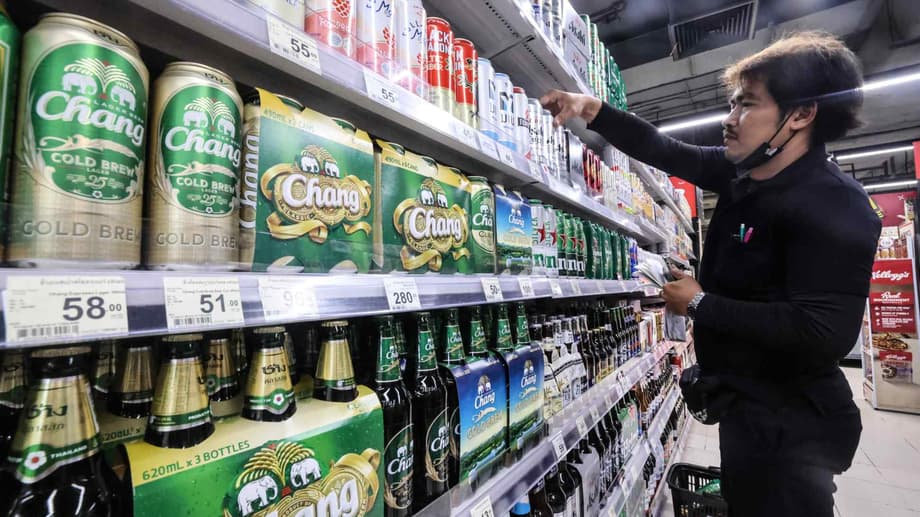
Chang beer, with its green label and elephant logo, is one of Thailand’s most recognized consumer brands. Its maker, Thai Beverage (ThaiBev), now wants a second growth engine that is less exposed to alcohol cycles and regulation. The company is building a large dairy and halal food platform across Southeast Asia, centered on a new integrated dairy complex in Malaysia and a deeper partnership with Fraser & Neave (F&N). The push aims to turn ThaiBev from a dominant brewer and spirits producer into a regional leader in everyday nutrition and ready to drink products.
- A new growth engine beyond beer
- Inside ThaiBev AgriValley dairy complex in Malaysia
- From beer group to pure food and beverage operator
- Product rollout and near term milestones
- The economics of milk in Southeast Asia
- Regional chessboard, from Vietnam to Indonesia
- Risks to watch
- Sustainability and animal care commitments
- What to Know
The investment plan is sizeable. For the current fiscal year, ThaiBev has allocated about 18 billion baht for expansion across beer, spirits, non alcoholic beverages, dairy, food services, and sustainability projects. Slightly more than half of that budget is directed to non alcoholic beverages, anchored by AgriValley, a flagship dairy development in Malaysia. The strategy sits within ThaiBev’s multi year PASSION 2030 roadmap, which focuses on two themes: reach competitively, and digital for growth. Both aim to put products in consumers’ hands faster while using data and technology to cut costs and deepen engagement.
Management’s bet is clear. Daily consumption categories like milk, soy, and functional drinks are less seasonal, come with attractive margins in the region, and give ThaiBev access to Muslim majority markets where alcohol is restricted. By producing halal certified dairy in Malaysia, then exporting to neighbors such as Indonesia, ThaiBev can expand beyond Thailand with a product set that fits local rules and tastes. The distribution muscle that built Chang, Oishi green tea, and Crystal water offers a ready network to place new dairy lines on store shelves at scale.
Why dairy now?
Dairy consumption in parts of Southeast Asia still trails developed markets but is rising with incomes and urbanization. Parents prioritize nutrition for children, food service operators want stable supply, and retailers like products that move daily. In Thailand and nearby countries, dairy also carries relatively high profit margins compared with many other packaged drinks. ThaiBev has said it expects double digit growth in its non alcoholic segment after the AgriValley investment, citing the margin profile of dairy in Thailand and neighboring markets.
Halal as a regional passport
Malaysia offers strong halal certification standards and an established ecosystem of auditors, suppliers, and logistics providers. Building Muslim friendly production there makes it easier to ship to Indonesia and other markets where halal status is mandatory or a powerful purchase driver. The company is positioning the Malaysia site as a base for halal beverages and ready to eat foods, with plans to work closely with F&N’s operations in the country. That combination can shorten time to market for dairy, soy, and other nutrition products aimed at Muslim consumers.
Inside ThaiBev AgriValley dairy complex in Malaysia
AgriValley sits at the center of ThaiBev’s dairy push. The company has earmarked roughly 8 billion baht for this Malaysia project, which is designed as an integrated farm to bottle operation. The site spans around 2,726 hectares and is planned to house about 20,000 dairy cows at full scale. Target output is about 200 million liters of milk per year. A closed loop system will bring breeding, feeding, milking, processing, and packaging into one complex to improve efficiency and product quality.
Producing close to the consumer market reduces transport costs and eases cold chain demands. It also strengthens halal compliance, since the line from raw milk to finished products is controlled within one certified site. For shoppers, that should translate into consistent quality, competitive prices, and a wider range of dairy and functional drinks. For ThaiBev, it reduces reliance on imported milk powder and gives the company a platform for exports to larger Muslim markets.
How the closed loop model supports scale
In a closed loop setup, resources are reused and key processes stay on site. Feed programs can be standardized, waste handling is controlled, and quality checks take place throughout the chain. That helps with traceability, which is important for both halal assurance and modern retail customers that demand proof of origin and handling. It also helps manage costs during periods of price volatility in global dairy inputs.
From beer group to pure food and beverage operator
ThaiBev is reorganizing its portfolio to focus fully on food and beverage. A share swap within the group has moved the company away from property interests and increased its effective stake in F&N to nearly 70 percent through InterBev Investment. The outcome is a tighter alignment around beverages, dairy, and packaged foods, plus access to F&N’s brands and production in Singapore and Malaysia. F&N’s portfolio includes well known names such as Magnolia milk, Seasons teas, 100 Plus isotonic drinks, and F&N soft drinks.
This corporate move gives ThaiBev deeper reach into halal compliant operations and dairy expertise through F&N Malaysia, along with established distribution in Muslim majority markets. It also supports a broader range of non alcoholic categories, from soy to Asian herbal beverages. The plan fits the company’s long term ambition to be an ASEAN food and beverage leader, using both in house development and partnerships to enter new segments at scale.
Distribution and digital advantages
ThaiBev’s distribution network covers hundreds of thousands of points of sale in Thailand, and the group ships to more than 90 countries. That footprint, combined with the PASSION 2030 focus on digital tools, is meant to improve demand forecasting, route planning, and inventory turns. Faster order cycles and better data can keep dairy products fresher at the shelf and reduce returns for retailers. For a short shelf life category like fresh milk and yogurt drinks, those gains matter.
Product rollout and near term milestones
ThaiBev’s product calendar in the next phase blends dairy launches with core beverage and food service expansion. The company plans to introduce more health focused drinks under the F&N Nutriwell brand and expand Oishi green tea and Tea Pot milk into Cambodia. In beer, the group continues to defend market leadership in Thailand and has invested in a new brewery in Cambodia with an initial capacity of 50 million liters, supporting cross border portfolio depth and local relevance.
Within dairy, expect a mix of fresh and shelf stable products. Fresh milk anchors the proposition with taste and quality, while UHT lines and yogurt drinks help reach a wider geography without heavy cold chain needs. Over time, the Malaysia site is expected to supply both domestic retailers and export markets, beginning with Indonesia. With halal certification in place at the production base, ThaiBev can build brand trust faster in those markets.
Food service as a launchpad
The group’s food service arm, which operates brands like KFC and Oishi, plans new outlets and upgrades. That footprint can help seed dairy and functional drinks through menus and in store coolers, giving ThaiBev another channel for trial and feedback. In parallel, the company has signaled interest in expanding halal ready to eat products with its Malaysian partners, using AgriValley and F&N facilities as a production base for meals aimed at both local consumption and export.
The economics of milk in Southeast Asia
Dairy can be a profitable category in this region. Demand is steady, purchase frequency is high, and value added lines like fortified milk, yogurt drinks, and flavored milk command better pricing. In markets such as Thailand and Vietnam, retailers stock multiple formats and consumers are open to new nutrition claims and flavors. A local production base in Malaysia helps lower logistics and import costs, while the combined distribution of ThaiBev and F&N supports fast expansion
Margins depend on farm efficiency, feed costs, and scale at the processing plant. The closed loop model at AgriValley aims to control those inputs more tightly. Owning critical steps from the cow to the carton allows fine tuning of yields and quick product development for new segments, such as low sugar options or protein enriched drinks. That structure is designed to keep costs predictable even if global dairy prices swing.
Regional chessboard, from Vietnam to Indonesia
ThaiBev’s regional dairy ambitions also show up in capital market moves. An affiliate linked to the group’s controlling shareholders, F&N Dairy Investments, has sought to increase its stake in Vietnam’s Vinamilk, one of the region’s largest dairy companies. The group already holds more than 20 percent of Vinamilk and has been a significant dividend recipient over the years. Increasing exposure to Vinamilk would deepen ThaiBev’s footprint in a mature dairy market while AgriValley builds capacity in Malaysia for halal oriented growth.
Vietnam remains a key arena for the group’s beer business as the owner of SABECO, and it is a large market for dairy innovation. Indonesia, the largest Muslim majority market in ASEAN, is the first export target for Malaysia made halal dairy. That two pronged approach, one in a fast growing halal consumption base and one in an established dairy market, gives ThaiBev multiple paths to scale.
Risks to watch
Execution is critical. Dairy farming faces biological and climate risk, from feed costs and water supply to animal health. A farm of 20,000 cows must maintain high standards in veterinary care, hygiene, and feed quality to protect yields and product safety. Halal certification requires continuous compliance in sourcing, handling, and documentation. Any lapse could disrupt sales in target markets.
Consumer demand and pricing are another factor. If inflation pressures incomes, shoppers might switch to lower cost formats or smaller pack sizes, trimming margins. Currency swings affect imported equipment and any imported feed supplements. On the regulatory side, food safety and labeling rules change often, and each market has its own requirements. ThaiBev’s scale helps, but local teams still need to navigate complex approvals for new products and marketing claims.
Sustainability and animal care commitments
ThaiBev has set a target to reach net zero greenhouse gas emissions across Scopes 1, 2, and 3 by 2050. The group reports progress on packaging and energy, including reuse and recycling of glass in Thailand and a growing share of renewable energy across facilities. Solar installations now span dozens of plants in multiple countries with installed capacity measured in tens of megawatts. These projects connect to the company’s longer term cost goals and support retailer and consumer expectations on sustainability.
For dairy, the integrated design of AgriValley is intended to improve resource use and traceability. A closed loop system can reduce waste, improve water and feed efficiency, and support animal welfare programs. Transparent tracking from farm to shelf also helps retailers and regulators audit compliance. If done well, sustainability can cut costs, protect the brand, and make it easier to open doors in new markets that require strict environmental and social standards in supply chains.
What to Know
- ThaiBev is accelerating a dairy and halal food strategy anchored by a new integrated dairy complex in Malaysia.
- The company set an 18 billion baht expansion budget for the current fiscal year, with more than half for non alcoholic beverages and dairy.
- AgriValley in Malaysia targets about 20,000 cows, 200 million liters of annual milk output, and a closed loop farm to bottle system.
- Malaysia will act as a halal production base to supply local retailers and export to Indonesia and other Muslim majority markets.
- ThaiBev increased its stake in F&N to nearly 70 percent via an internal share swap to focus on food and beverage.
- Product launches include health oriented drinks under F&N Nutriwell and expansions of Oishi green tea and Tea Pot milk into Cambodia.
- A new brewery in Cambodia and upgrades in Thai beer support the wider beverage portfolio alongside dairy growth.
- An affiliated investor linked to ThaiBev’s owners is seeking a larger stake in Vietnam’s Vinamilk to deepen regional dairy exposure.
- Key risks include farm execution, halal compliance, input costs, currency swings, and shifting consumer budgets.
- ThaiBev targets net zero by 2050 and is investing in renewable energy and packaging reuse, aiming to tie sustainability to lower costs and market access.