A river disaster with a disputed scale
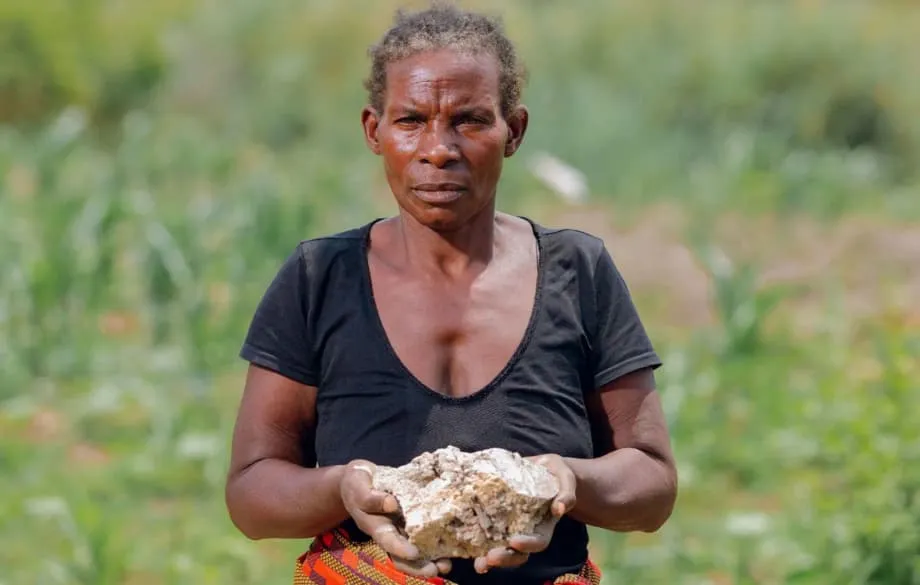
A February tailings dam failure near Chambishi in Zambia's Copperbelt Province has left two sharply different estimates of the disaster: company and government figures put the release at about 50,000 tons, while the environmental cleanup firm Drizit estimated nearly 1.5 million tons. Drizit also said roughly 900,000 cubic meters of contaminated tailings remained on land and along riverbanks.
Contents
- A river disaster with a disputed scale
- What workers and residents experienced
- Why the spill estimates matter
- What tailings contain and why lime has limits
- Health concerns extend beyond drinking water
- What cleanup would require
- Payments and disputed legal waivers
- Lawsuits seek billions for relief and restoration
- The company response and Zambia's enforcement
- Copper, debt and relations with China
- Safety and trust depend on visible action
- What to Know
The dam served Sino-Metals Leach Zambia, a subsidiary of a major Chinese mining group. Its failure sent acidic waste carrying metals into the Mwambashi and Kafue Rivers. The Kafue, Zambia's longest river, supplies drinking water and supports farming and fishing.
Fish died at least 100 kilometers downstream. Kitwe, Zambia's second largest city, temporarily closed a water intake. Maize and groundnut crops withered after contact with the acidic flow. Families described damaged homes, unsafe wells and the loss of food and income.
By December 2, 2025, the emergency had become a dispute over public health, compensation and environmental responsibility. Authorities said acidity and metal concentrations in water had returned to safe levels. Critics pointed to contaminated soils and sediments that could continue exposing communities to harmful substances.
Several legal claims seek billions of dollars, while mining operations remain suspended pending approvals. Zambia has appointed a new environmental consultant, and a fishing ban remains in force in affected stretches of the Kafue.
Zambia is one of the world's leading copper producers, with Chinese companies central to its mining industry. The spill has brought the country's need for investment into direct contact with demands for environmental enforcement and fair compensation.
What workers and residents experienced
Lamec, a mine worker who asked to be identified only by that name, described safety problems before the collapse. He said damaged protective equipment was sometimes left unreplaced, forcing workers to improvise around hazards. When he arrived for a shift, he found a tailings dam closed and emergency responses already under way.
If our protective gear gets damaged, it is not always replaced. We are forced to take risks.
Bathsheba Musole, a farmer whose house and field were struck by a wave of yellow water, recalled fearing for her life during the collapse.
I thought I would drown.
Residents described withered crops, dead fish and children unable to swim or fish in the river that had helped feed their families. The damage reached beyond the mine boundary into places where households depended on water for daily survival.
The events unfolded across several stages, although exact dates were not given for many of the responses:
- In February 2025, the dam failed near Chambishi, releasing waste into waterways feeding the Kafue.
- After the collapse, Kitwe temporarily shut a water intake, and authorities used lime to reduce acidity in affected channels.
- Drizit assessed the contamination before its contract was terminated ahead of a final report.
- By December 2, Zambia had appointed Applied Science and Technology Associates to assess the full damage, lawsuits were seeking compensation and cleanup funds, and mine operations remained suspended.
Why the spill estimates matter
Drizit's estimate of nearly 1.5 million tons is about 30 times the 50,000 tons cited by the company and government. The difference matters for the amount of waste requiring removal, the area needing examination and the money needed for recovery.
Drizit warned that the roughly 900,000 cubic meters of tailings it identified on land and riverbanks could create lasting health risks unless excavated, placed in lined facilities and monitored. Tons measure mass, while cubic meters measure volume, so the two figures describe different aspects of the contamination.
Drizit, the environmental cleanup firm hired after the collapse, described the event in its statement as:
A large scale environmental catastrophe threatening drinking water, fishing stocks, and farmland.
Sino-Metals disputes Drizit's findings. The firm's contract ended before it produced a final report, leaving the scale of the release contested.
Testing reports described two dozen heavy metals in wastewater around the site, with 16 above World Health Organization thresholds in some samples. Residents and activists reported headaches, rashes, coughing, diarrhea, nose bleeds and other ailments after contact with water and sludge.
The contamination prompted warnings from foreign governments. The United States told staff to leave affected areas, while Finland advised against using local water. Embassy advisories cited exposure and inhalation risks, contrasting with later Zambian assurances about water quality.
What tailings contain and why lime has limits
Tailings are the materials left after valuable minerals have been extracted from ore. In Zambia's copper belt, many mines use sulfuric acid to dissolve copper from ores containing oxides. The process leaves a slurry of water, acid and fine rock particles.
That slurry can carry copper, lead, zinc, arsenic, cadmium, chromium and sometimes uranium. When its pH falls, meaning it becomes more acidic, the mixture can be highly corrosive. It can damage crops, fish gills, skin and pipes.
Zambia deployed the air force and speedboats to distribute lime in affected waterways. Lime helps raise pH toward normal, reducing the immediate corrosive effects of acidic water. It can also cause some dissolved metals to form solid particles and settle into sediment.
Heavy metals remain present after this treatment. They do not break down, and metals deposited in riverbeds, fields or riverbanks can move again during storms, the rainy season or farm work. They can also bind to crops or enter groundwater.
Authorities later said water acidity had normalized and heavy metal concentrations were within safe limits. Contaminated mud and soil require their own assessment because they can store metals after the water above them becomes less acidic. This is why specialists stress containment and removal alongside pH correction.
Health concerns extend beyond drinking water
Arsenic, lead, cadmium, chromium and uranium can harm health through exposure to small amounts over time. People may encounter contaminants through drinking water, irrigation, fish consumption or dust released when tailings dry.
Arsenic is linked to cancer and skin lesions. Lead damages the brain and nervous system, with children especially vulnerable. Cadmium can harm kidneys and bones. Uranium can create kidney and cancer risks when ingested. Capturing and isolating these substances is necessary to keep them away from people and ecosystems.
Only about one third of Zambians have piped water. Reliance on shallow wells makes contamination of nearby soil particularly concerning, because pollutants can reach water that households use without a piped supply.
Families also face exposure through activities that previously sustained them. Irrigating fields, eating locally caught fish or working soil containing dried waste can create different routes for pollutants to enter the body.
Clinical screening can help detect and treat exposure early. Independent sampling and the public release of laboratory results would also give communities clearer information about which water sources, fields and fishing areas are safe to use.
What cleanup would require
An effective cleanup begins with a detailed map of where tailings settled. Crews then need to excavate contaminated soils and sediments, stabilize riverbanks and transfer waste into engineered storage facilities.
Those facilities require liners and controls for leachate, the contaminated liquid that can drain through waste. These measures keep polluted water from escaping into surrounding soil and groundwater.
International practice calls for extended monitoring because metals can remain in the environment for generations. A cleanup therefore involves checking conditions over time, rather than ending when acidity first falls or visible waste disappears.
Farmers and fishers need safe alternatives while restoration proceeds. Support can include new boreholes, replacement nets and equipment, and targeted assistance when fields must remain fallow. Families say they were promised boreholes in the hardest hit areas. Their usefulness depends on safe groundwater or access to secure aquifers.
Emergency work also requires dust control, safe working zones around dredging and trucking routes, and clear town hall briefings. Residents need to understand what crews are doing and why, especially when cleanup itself involves moving contaminated material.
Independent sampling, accessible test results and medical screening connect the technical work to the needs of households. Unimpeded access for lawyers, doctors and journalists can also help communities obtain advice and understand decisions affecting their recovery.
Payments and disputed legal waivers
Zambia ordered Sino-Metals to compensate affected farmers and fund an independent assessment. Hundreds of people received payments ranging from small sums to a few thousand dollars.
Many recipients said they were asked to sign documents giving up further claims. Lawyers argue that these releases were obtained without full legal counsel and could prevent families from seeking compensation for later healthcare expenses and lasting cleanup costs.
Some accounts also describe restrictions on access for advocates and reporters in the villages most affected. For residents facing damaged crops, lost fish stocks and uncertain water supplies, access to independent advice is part of the compensation dispute.
Timmy Kabindela, a fish farmer, said his family was pressed to accept a small settlement after his stock was wiped out. He expressed his anger and intention to pursue legal action:
I am determined to fight these Chinese in court. They are tricksters.
The dispute extends beyond payment for the first losses. Families and their lawyers are also seeking provision for medical care, damaged livelihoods and environmental restoration over a much longer period.
Lawsuits seek billions for relief and restoration
A group of 176 farmers filed a civil claim seeking tens of billions of dollars. Their case argues that the spill and its consequences harmed hundreds of thousands of households.
Other plaintiffs are seeking a $200 million emergency fund and environmental funds worth multiple billions of dollars to restore land and waterways. A separate case involves claims by 47 households seeking hundreds of millions of dollars and a fund for continuing remediation.
NFC Africa, another operator affiliated with Chinese interests in the Copperbelt, has been named alongside Sino-Metals in some filings. The claims bring immediate household losses and the cost of environmental repair into the same legal fight.
The amounts are demands made by plaintiffs. No court decision awarding those sums or date for the next hearing was given. The cases seek resources for both emergency assistance and the continuing work needed to restore affected areas.
The company response and Zambia's enforcement
Sino-Metals apologized after the collapse and said it would support cleanup and help restore water supplies. The company cited theft, damage to a liner and heavy rain as factors behind the failure.
The Engineering Institution of Zambia pointed instead to design and operational flaws. These explanations place responsibility for the collapse at the center of the dispute over mine safety.
Operations remain suspended pending approvals. Sino-Metals says it has continued keeping staff on its payroll during the stoppage.
Zambia took control of the environmental assessment process and awarded a new contract to Applied Science and Technology Associates. The consultant is tasked with measuring the full impact and recommending remediation. No completion date for that assessment was given.
The environment ministry imposed a $50,000 administrative fine tied to the incident. A fishing ban remains in place in affected stretches of the Kafue to protect consumers and allow depuration, the process through which organisms clear contaminants from their bodies.
Officials say heavy metal concentrations in water have moved within safe limits. Critics continue to focus on contaminated material on land and along riverbanks, where pollutants can persist and later return to waterways.
Copper, debt and relations with China
Copper underpins Zambia's export earnings and is central to technologies used in the global energy transition. Electric vehicles, electricity grids and renewable energy systems all require it.
Chinese companies are the largest importers of copper and play a central role in Zambian production. Analysts estimate that Zambia owes Chinese state creditors roughly $5 billion to $6 billion, while the country seeks new investment and debt relief.
The United States has increased trade and development contacts with Zambia. Its embassy's strong health warnings after the spill placed another major diplomatic partner within the debate over public safety.
A planned visit by China's premier and a major proposal to modernize a regional railway carrying Copperbelt output to port show the scale of the economic relationship. No date for the planned visit was given.
China's Foreign Ministry set out Beijing's position on the conduct of Chinese businesses abroad:
Chinese companies overseas are required to abide by local laws and protect the environment.
Zambian officials say national safety comes first and that debt does not shape the response to the spill. The practical test is whether environmental enforcement, transparent decisions and fair compensation can proceed alongside investment in an industry the economy still needs.
Safety and trust depend on visible action
Specialists point to independent safety audits, clear emergency alert procedures and modern tailings dam designs that allow conservatively for heavy rainfall. Regular public reporting can make operators and regulators more accountable.
Zambia's environmental agencies have limited budgets, making sustained monitoring and enforcement difficult. Donor assistance and company funding can help meet those costs, but oversight needs to remain independent and visible to communities.
Families measure recovery through practical protections: safe water, access to medical screening, fair compensation and land that can support them again. Transparent decisions about payments and contamination can reduce uncertainty while cleanup continues.
The disaster has brought several responsibilities together. The mine must address damage linked to its operations, regulators must oversee restoration and safety, and affected households need support while water, soil and livelihoods are repaired. Resolving the disputed spill estimates and completing the new assessment are central to deciding the scale of that work.
What to Know
- A Sino-Metals Leach Zambia tailings dam failed near Chambishi in February 2025, sending acidic waste into the Mwambashi and Kafue Rivers.
- The company and government cited about 50,000 tons of released waste. Drizit estimated nearly 1.5 million tons and roughly 900,000 cubic meters of tailings remaining on land and riverbanks.
- Kitwe temporarily closed a water intake, crops withered and fish died at least 100 kilometers downstream.
- Authorities say water acidity and metal concentrations returned to safe levels. Contaminated soils and sediments remain a focus of concern.
- Lime reduces acidity and can move metals into sediment. The metals persist and require containment, removal and monitoring.
- Hundreds received compensation, while disputed waivers and lawsuits have expanded the legal battle. Claims seek billions of dollars for relief and restoration.
- Zambia appointed Applied Science and Technology Associates to assess the damage and imposed a $50,000 administrative fine.
- Mine operations remain suspended pending approvals, and a fishing ban continues in affected stretches of the Kafue.
- The spill is testing Zambia's environmental enforcement and compensation process alongside its economic ties with China and growing contacts with the United States.