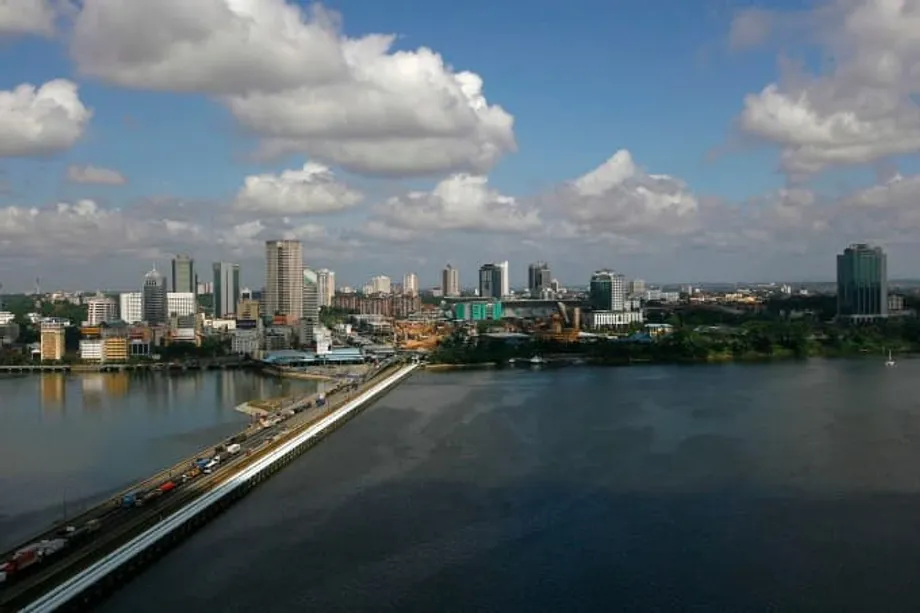
A smaller exchange advantage still brings shoppers across the Causeway
Singaporeans made 11.27 million of Johor's 14.4 million foreign arrivals in the first seven months of 2025, even as the Malaysian ringgit strengthened. As of December 2, one Singapore dollar buys about RM3.18, down from roughly RM3.36 in April and more than RM3.50 early in 2024. Visitors get fewer ringgit for their money, yet groceries, meals and many services remain attractive enough to keep them crossing the border.
Contents
- A smaller exchange advantage still brings shoppers across the Causeway
- What RM3.18 means for a shopping basket
- Meals, movies and services keep the day affordable
- Healthcare and children's classes widen the appeal
- A new rail link is planned for late 2026
- Johor residents face a different cost calculation
- Investment and growth support the ringgit's recovery
- Currency forecasts depend on money continuing to flow
- Would visitors reconsider at RM3 or RM2?
- Property buyers carry currency risk for longer
- Food limits and border rules affect what comes home
- Payments become easier, but the chosen currency matters
- At a Glance
Johor recorded 22.07 million foreign visits in 2024, including 17.5 million by Singaporeans. Those figures put Singaporeans at about 79 percent of foreign visits that year and about 78 percent in the first seven months of 2025. The numbers count visits, including repeat trips, rather than showing how many different people travelled.
The Causeway carries more than 350,000 travellers a day on average, with holiday peaks above 500,000. Johor Bahru, the state capital just across the crossing, has become a familiar destination for supermarket runs, restaurant meals, car washes, massages and children's enrichment classes.
Hoteliers in Johor say Singapore visitor numbers have remained resilient, supported by greater purchasing power and the short distance between the two places. For many families, the attraction is a combination of errands and leisure: groceries, lunch, a haircut or a film can all fit into one day.
The ringgit's recovery changes the calculation without removing the underlying price gap. A visitor spending RM300 now needs about S$94, compared with about S$89 at April's exchange rate. That extra five dollars matters to a budget, but it is a modest change beside the savings available on some services.
What RM3.18 means for a shopping basket
A RM300 grocery basket costs approximately S$89.29 when one Singapore dollar buys RM3.36. At RM3.18, the same basket costs approximately S$94.34, an increase of about S$5.05. These calculations hold the Malaysian price steady so that the effect of the exchange rate is easy to see.
A RM10 bowl of noodles has moved from about S$2.98 to about S$3.15 on the same basis. The visitor pays roughly 17 Singapore cents more because the ringgit is stronger, even if the restaurant has left its menu price unchanged.
A Singapore finance professional who visits Johor about every three weeks described the currency shift as minor for his spending habits. Another regular shopper, whose grocery purchases usually total RM300 to RM400, noticed only a slight difference in the final bill.
Singapore visitors still find substantial gaps in services and classes where prices at home are much higher. Their decision depends on the whole outing, including what they buy and the time spent travelling, rather than the exchange rate alone.
Meals, movies and services keep the day affordable
Johor food courts and casual eateries serve meals for around RM8 to RM15. Movie tickets often cost about RM10. Visitors commonly buy fresh produce and pantry staples at hypermarkets or wet markets, then add lunch and a film before returning to Singapore.
Rachel Tan, a Singaporean tutor who makes monthly day trips, typically spends about RM300 on groceries, lunch and a cinema ticket. She described affordability and the ease of getting around after crossing the checkpoint as reasons the outing remains worthwhile.
Since I need to go somewhere to relax on my day off, why not go somewhere where it is more affordable? To me, it isn't any trouble at all. Once I cross the customs, everything is easy.
A basic car wash in Johor can cost about RM18, or around S$5 to S$6, compared with S$10 to S$35 in Singapore. A massage lasting two hours at a reputable spa might cost RM128, approximately S$40, while a session lasting one hour in Singapore often costs more than double that amount.
Families also seek food that is harder to find at home at the same price, including the original Ramly burger and halal Chinese cuisine. These choices help explain why visits continue even when the currency advantage narrows: the trip combines lower prices with food and activities people want.
Healthcare and children's classes widen the appeal
Healthcare spending gives some Singapore visitors another reason to travel. Many companies allocate money for employee health screenings, and the same budget in Johor can often cover more tests and specialist consultations than it would in Singapore.
Children's enrichment classes show an especially large difference in the prices cited by families. Monthly ballet lessons in Johor can cost about RM210, compared with S$300 to S$600 for similar classes in Singapore. At RM3.18 to the Singapore dollar, RM210 is approximately S$66.
Piano lessons might cost RM110 a month in Johor, equivalent to about S$35 at that rate, compared with several hundred Singapore dollars at home. A stronger ringgit increases the Singapore dollar cost, but these starting prices leave a wide gap.
Weekend classes can also turn visits into a regular routine. A family travelling for lessons can shop or eat during the same trip, combining spending that would otherwise happen separately. Johor's appeal therefore extends beyond occasional bargain hunting to recurring household expenses.
A new rail link is planned for late 2026
Buses connect Singapore neighbourhoods with popular destinations in Johor Bahru, while many of the city's malls are close to the border. Regular visitors often plan around busy periods because weekend crowds and holiday queues can make the journey much longer.
The Johor Bahru Singapore Rapid Transit System, known as the RTS Link, is planned to begin service by late 2026. It is expected to bring the journey across the border below 10 minutes, make day trips more predictable and shift some traffic away from road checkpoints.
The planned rail connection could ease pressure on the Causeway during busy weekends. Its appeal for shoppers is straightforward: a short distance becomes more useful when the time needed to cross it is easier to predict.
The currency changes and transport plans span several periods:
- Early 2024: One Singapore dollar bought more than RM3.50.
- April 2025: The exchange rate was roughly RM3.36 to one Singapore dollar.
- July 2025: Bank Negara Malaysia cut its policy rate for the first time in five years.
- December 2, 2025: One Singapore dollar buys about RM3.18.
- Late 2026: The RTS Link is planned to begin service.
Johor residents face a different cost calculation
Johor residents sometimes blame demand from Singapore for rising prices. Stories circulate about traders increasing price tags after hearing visitors describe their goods as cheap. A price that feels affordable to someone earning Singapore dollars can still be burdensome to a household earning ringgit.
Business owners and economists point to several other pressures. The pandemic disrupted supply chains and strained household budgets. The ringgit's weakness in recent years made imported goods more expensive in local currency, while education and healthcare costs also rose.
Imported goods illustrate how currency movements work in the other direction. When the ringgit weakens, Malaysian buyers need more ringgit to pay for goods priced in foreign currencies. Those higher purchasing costs can feed into the prices local households pay.
These pressures began before the ringgit's latest recovery and affect residents who must pay everyday bills, rather than visitors spending a day in Johor. Business owners often describe Singaporeans as an important source of demand while saying Johor residents remain their core customers and the main consideration in setting prices.
The state government has used subsidies and aid to cushion households from rising costs. Tour operators say Singapore arrivals remain strong, although demand from some other markets, including Indonesia and Thailand, has softened slightly as the ringgit has firmed. Restaurants, malls and clinics continue to benefit from Singapore spending while local communities debate living costs.
Investment and growth support the ringgit's recovery
Malaysia's outlook improved in 2025 as investors returned to Asian markets following interest rate cuts by the United States Federal Reserve. Lower US yields can encourage investors to move money towards markets with solid growth prospects. A yield is the return an investor receives, so a lower return in one market can make another more attractive.
Malaysia has also benefited from an electronics upturn and policies intended to attract investment into semiconductors, electric vehicles and digital services. Foreign direct investment, money invested into businesses and operations rather than simply traded securities, rose to around RM8.5 billion in the third quarter of 2025 from about RM1.6 billion in the second quarter. Johor was among the leading destinations.
Malaysia's economy expanded by about 5.2 percent in the third quarter, faster than in the preceding period. The government set out a record RM470 billion spending plan for 2026 and pledged reforms to maintain growth.
Bank Negara Malaysia cut its policy interest rate in July, its first reduction in five years, and subsequently held it steady while balancing growth and price stability. Regional currency strategists expect the ringgit to stay above RM3 per Singapore dollar, with forecasts ranging from RM3.15 to RM3.30 through the end of 2025, ahead of possible changes in 2026.
Currency forecasts depend on money continuing to flow
Malaysia's stronger currency depends partly on continued foreign investment in shares and bonds, alongside steady global demand. Investors buying Malaysian assets need ringgit, creating demand for the currency. Changes in international interest rates can alter where they choose to put their money.
A delay in further US rate reductions, or a US dollar stronger than expected, could draw money away from emerging markets. Improved trade ties and multinational companies converting earnings in foreign currencies into ringgit would support the Malaysian currency.
The forecast range of RM3.15 to RM3.30 is therefore an expectation rather than a fixed exchange rate. Singapore shoppers still have substantial purchasing power at current levels, although less than earlier in 2025.
Would visitors reconsider at RM3 or RM2?
Regular visitors say trips remain attractive when the rate is near RM3 per Singapore dollar because the price gaps for food and services are wide. One sales manager who often visits Johor Bahru said he would think twice if the rate approached RM2, when savings on larger purchases would shrink.
A RM300 purchase helps illustrate that difference. It would cost S$100 at RM3 to the Singapore dollar and S$150 at RM2, compared with approximately S$94 at RM3.18. The amount spent and the kind of purchase would shape whether a journey still feels worthwhile.
The stronger ringgit also makes Singapore more affordable for Malaysians, who need fewer ringgit to fund meals or shopping there. Weekend waivers on Singapore's Vehicle Entry Permit reduce driving costs for Malaysian motorists.
Large events, new product launches and flagship store openings are likely to attract more Malaysian visitors making day trips if current exchange rates hold. The same currency movement that trims Singapore shoppers' advantage can increase the spending power of travellers going the other way.
Property buyers carry currency risk for longer
Some Singapore buyers remain interested in Johor property, particularly near the Causeway. Unlike a meal or a supermarket purchase, a home creates financial commitments that can last through several currency cycles.
A buyer borrowing in ringgit must convert Singapore dollars to meet repayments. When the ringgit strengthens, the same repayment requires more Singapore dollars. Homeowners with loans in ringgit have seen their monthly costs in Singapore dollars change markedly over time.
Selling a property can also produce a foreign exchange loss if the ringgit is weaker than when the home was bought. The sale proceeds then convert into fewer Singapore dollars. Property buyers face both the cost of repayments and the eventual value of money brought back, making entry and exit difficult to time around currency movements.
Food limits and border rules affect what comes home
The Singapore Food Agency allows small quantities of food for personal consumption. Shoppers must account for product restrictions as well as quantity limits when deciding what to bring back from Johor.
- Eggs: Up to 30 per person.
- Processed food, including biscuits and packaged snacks: Up to 5 kilograms or 5 litres.
- Fruit and vegetables: Reasonable quantities.
- Frozen seafood: Up to 5 kilograms, including a maximum of 2 kilograms of frozen cooked crab meat and prawn meat.
- Cleaned dried bird's nest: Up to 1 kilogram under specific conditions.
Live seafood and fresh poultry are not permitted. Tobacco products, electronic cigarettes and related devices are prohibited. Chewing gum is restricted unless it is therapeutic or dental gum with proof, fireworks are banned, and certain radio and scanning equipment requires approval.
Vehicles entering Malaysia from Singapore must carry at least three quarters of a tank of fuel. Singapore vehicles cannot buy subsidised RON95 petrol in Malaysia, another rule that affects the cost and planning of a driving trip.
Alcohol brought into Singapore from Malaysia must be declared and duties paid. There is no allowance for liquor free of duty on that route. Goods and Services Tax relief depends on the total value of purchases and the time spent outside Singapore: S$100 for trips lasting less than 48 hours and S$500 after 48 hours.
A shopper's budget therefore needs to account for more than the shelf price converted into Singapore dollars. Purchase limits, declarations and any taxes payable also matter. Travellers uncertain about a product should check with the relevant authorities before travelling.
Payments become easier, but the chosen currency matters
Apps supporting multiple currencies now offer wallets holding ringgit for Singapore users. Travellers can exchange and store ringgit at competitive rates, then pay by card or mobile phone. One provider marked its launch earlier in 2025 by running a free shuttle between Singapore and a Johor mall over several weekends, reflecting demand for cashless spending across the Causeway.
Choosing ringgit at a payment terminal avoids dynamic currency conversion, where the transaction is converted into the cardholder's home currency at the point of sale. Travellers can instead let their card or payment provider handle the conversion.
Receipts help with any GST declarations on returning to Singapore. Planning journeys outside peak holiday hours can also reduce time spent in queues, leaving more of the day for shopping, meals and appointments.
Johor's appeal rests on that combination of price and practicality. The ringgit's recovery has made visits slightly more expensive for Singapore residents, but the cited grocery, service and class prices still give many households reasons to make the trip.
At a Glance
- On December 2, 2025, one Singapore dollar buys about RM3.18, compared with roughly RM3.36 in April and more than RM3.50 early in 2024.
- Singaporeans made 17.5 million of Johor's 22.07 million foreign visits in 2024 and 11.27 million of 14.4 million arrivals in the first seven months of 2025.
- A RM300 basket now costs about S$94 instead of about S$89 at April's exchange rate.
- Meals, car washes, massages, health screenings and children's classes continue to attract Singapore spending.
- Johor residents face cost pressures linked to supply disruptions, import prices, education and healthcare, alongside debate about visitor demand.
- Currency strategists forecast RM3.15 to RM3.30 per Singapore dollar through the end of 2025, with risks tied to US interest rates and investment flows.
- The RTS Link is planned to open in late 2026, with a journey across the border expected to take less than 10 minutes.
- Property buyers face currency changes in both repayments and eventual sale proceeds.
- Food restrictions, fuel rules, alcohol duties and GST relief affect the final cost and planning of a Johor trip.