Why trips to Johor still feel like a bargain
The Malaysian ringgit has staged a comeback this year, rising against the United States dollar and strengthening against the Singapore dollar. For Singapore residents, one Singapore dollar now buys about 3.18 ringgit, compared with roughly 3.36 in April and above 3.50 early last year. A stronger ringgit trims the exchange advantage, yet the steady stream of shoppers into Johor Bahru, the state capital just across the Causeway, has continued.
- Why trips to Johor still feel like a bargain
- What the stronger ringgit means at the checkout
- Prices on the ground: meals, markets and services
- Travel ease and new links on the way
- Are Singapore shoppers pushing up prices in Johor
- Why the ringgit is firmer this year
- Will trips slow if the rate moves toward 3 or 2
- Beyond bargains: healthcare, classes and property
- What shoppers can bring home without trouble
- Payments and practical tips for a smooth day trip
- At a Glance
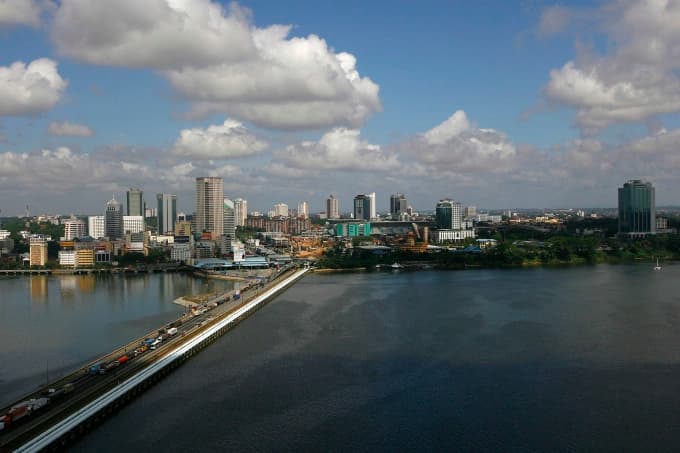
The Causeway ranks among the busiest land crossings in the world, with more than 350,000 daily travelers on average and holiday peaks above 500,000. Visitor data underline the bond between Johor and Singapore. Last year, Singaporeans made 17.5 million of Johor’s 22.07 million foreign visits. In the first seven months of this year, they accounted for 11.27 million of 14.4 million foreign arrivals. Many are drawn by lower prices for groceries and meals, but also for services such as car washes, massages, and enrichment classes for children. Hoteliers in the state say Singapore footfall has been resilient, helped by higher purchasing power and short travel times.
What the stronger ringgit means at the checkout
Exchange rates matter at the margins. When one Singapore dollar buys 3.18 ringgit instead of 3.36, the difference on a typical shop is not dramatic for many households. Consider a grocery basket that costs RM300. At RM3.36 per dollar, that basket would be about S$89. At RM3.18, it comes to roughly S$94. The change is about five dollars. A RM10 bowl of noodles used to feel like about S$2.98 and now feels closer to S$3.15. For most visitors, the base prices in Johor remain low enough that the savings still add up over a day out.
Regulars say the math has not erased the value. A Singapore finance professional who visits roughly every three weeks described the rate shift as minor for his spending pattern. Another shopper who typically spends RM300 to RM400 on groceries noticed only a slight difference on the final bill. For services and classes where base prices in Singapore are much higher, even a firmer ringgit has not closed the gap. Many visitors treat JB as a nearby outlet for errands, meals, and a movie, all in one trip.
Prices on the ground: meals, markets and services
On the ground, the draw is simple. Daily items and services still cost less across the strait. Shoppers buy fresh produce and pantry staples at hypermarkets and wet markets. Families eat out, then fit in a film, a haircut, or a car wash before heading home. That bundle still undercuts what a comparable day would cost in Singapore.
Groceries and dining
Food courts and casual eateries in Johor serve filling plates for RM8 to RM15. A RM10 bowl of noodles converts to a little above three Singapore dollars at the current rate. Movie tickets often go for about RM10, which is a fraction of Singapore prices. Many visitors combine a supermarket run with a lunch stop and a film, and still spend far less than at home.
Rachel Tan, a Singaporean tutor who makes monthly day trips, explained that her spending typically comes to about RM300 for groceries, lunch, and a cinema ticket, and that the process is straightforward once she is across the checkpoint. Introducing her experience, she said the overall cost and convenience make the trip worthwhile.
“Since I need to go somewhere to relax on my day off, why not go somewhere where it is more affordable? To me, it isn’t any trouble at all. Once I cross the customs, everything is easy.”
Services and leisure
Services point to some of the biggest savings. A basic car wash in Johor can cost about RM18, or around S$5 to S$6, compared with S$10 to S$35 in Singapore. A two hour massage at a reputable spa might be around RM128, roughly S$40, while an hour in Singapore often costs more than double. Families also cite access to food that is harder to find at home at the same price point, such as the original Ramly burger or halal Chinese cuisine.
Travel ease and new links on the way
Short distances and familiar routines help. Buses run from Singapore neighborhoods to popular spots in Johor Bahru, and JB’s malls cluster close to the border. Weekend crowds can be heavy, yet the trip is familiar enough that many Singaporeans plan around peak periods to avoid long waits.
Connectivity will tighten again in the next couple of years. The Johor Bahru Singapore Rapid Transit System, planned to start service by late 2026, is expected to cut cross border travel time to under 10 minutes. That rail link should make day trips more predictable and spread traffic beyond road checkpoints, easing pressure on the Causeway on busy weekends.
Are Singapore shoppers pushing up prices in Johor
Johor residents sometimes blame a surge in Singapore demand for higher prices. Stories circulate of traders raising price tags after hearing visitors say items are cheap. Yet business owners and economists point to a broader mix of forces. The pandemic period disrupted supply chains and shook household budgets. A weaker ringgit in recent years raised the local cost of imported goods. Education and healthcare costs climbed. These trends predate the ringgit’s recent rebound and affect locals far more than visitors who come for a day.
Business owners often say Singaporeans are an important part of demand, but not the main driver of price setting, since Johor residents remain the core customer base. The state government has used subsidies and aid to cushion households from rising costs. Tour operators also note that while Singapore arrivals remain strong, demand from some other markets, such as Indonesia and Thailand, has softened slightly as the ringgit firmed. The result is a mixed picture. Singapore spending provides steady footfall for restaurants, malls, and clinics, even as the cost of living debate continues in local communities.
Why the ringgit is firmer this year
Currencies move with confidence, interest rates, and growth prospects. Malaysia’s outlook brightened in 2025 as global investors returned to Asian markets after rate cuts by the United States Federal Reserve. Lower US yields tend to push capital toward markets where growth looks solid. Malaysia has benefitted from an upturn in electronics and a wave of investment friendly policies aimed at sectors such as semiconductors, electric vehicles, and digital services.
Foreign direct investment jumped in the third quarter of 2025 to around RM8.5 billion, up from about RM1.6 billion in the second quarter, with Johor among the top destinations. Malaysia’s economy expanded by about 5.2 percent in the third quarter, a pick up from the prior period. The government set out a record spending plan for 2026 (RM470 billion) and pledged reforms to keep growth on track. Bank Negara Malaysia cut its policy rate in July for the first time in five years, then held steady, balancing growth and price stability. Regional currency strategists expect the ringgit to stabilise above RM3 per Singapore dollar, with forecasts ranging from RM3.15 to RM3.30 through year end, before any potential shifts in 2026.
That path is not guaranteed. Sustaining a stronger currency often requires continued foreign inflows into stocks and bonds and steady global demand. A delay to US rate reductions, or a stronger than expected US dollar, could pull funds away from emerging markets. On the upside, improved trade ties and the conversion of foreign currency earnings by multinationals into ringgit would support the currency. For now, the rate still leaves Singapore visitors with purchasing power, just a little less than earlier in the year.
Will trips slow if the rate moves toward 3 or 2
There is a practical threshold for many visitors. Regulars say trips remain attractive as long as the rate sits near RM3 per Singapore dollar, because the base price gap for food and services is wide. One sales manager who often visits Johor Bahru said he would think twice if the rate approached RM2, which would shrink savings on big ticket items. For now, weekday errands, meals, and spa visits still come in well under Singapore prices, even after the ringgit’s rise.
The stronger ringgit has also made Singapore more appealing for Malaysians, who need fewer ringgit for a meal or shopping run in the city. Weekend waivers on Singapore’s Vehicle Entry Permit reduce driving costs for Malaysian motorists. Large events, new product launches, and flagship store openings are likely to attract more Malaysian day visitors if current rates hold.
Beyond bargains: healthcare, classes and property
Johor is not only about groceries and dining. Healthcare and enrichment classes pull in steady Singapore demand. Many companies set aside money for health screenings for staff. In Johor, the same budget often covers more tests and specialist consultations than at home. Weekend enrichment remains a major draw. Monthly ballet lessons in Johor can cost about RM210, while similar classes in Singapore often range from S$300 to S$600. Piano lessons might be RM110 a month compared with several hundred dollars in Singapore. That gap remains large even after currency swings.
Property also attracts interest from some Singapore buyers, especially in areas near the Causeway. Yet currency risk looms large. Borrowing in ringgit exposes buyers to repayment swings when the exchange rate moves. Homeowners with ringgit loans have seen monthly costs in Singapore dollars change markedly over time. Selling later can crystallise foreign exchange losses if the ringgit is weaker than at purchase. Property is a long term commitment, making it hard to time entry and exit around currency cycles.
What shoppers can bring home without trouble
There are rules on what can be brought into Singapore. The Singapore Food Agency allows small quantities of food for personal consumption. Travelers can bring up to 30 eggs per person, up to 5 kilograms or 5 litres of processed food such as biscuits or packaged snacks, and reasonable quantities of fruits and vegetables. Frozen seafood up to 5 kilograms is allowed, with a maximum of 2 kilograms of frozen cooked crab meat and prawn meat. Live seafood and fresh poultry are not permitted. Up to 1 kilogram of cleaned dried bird’s nest is allowed under specific conditions.
Some items are off limits. Tobacco products, e-cigarettes and related devices are prohibited. Chewing gum is restricted unless it is therapeutic or dental gum with proof. Fireworks are banned. Certain radio and scanning equipment requires approval. Vehicles entering Malaysia from Singapore must carry at least three quarters of a tank, and Singapore vehicles cannot buy subsidised RON95 petrol in Malaysia. Alcohol must be declared and duties paid when entering Singapore from Malaysia, and there is no duty free allowance for liquor on that route. Goods and Services Tax relief applies to the total value of items based on time spent outside Singapore, with S$500 relief after 48 hours and S$100 for trips under 48 hours. When in doubt, check with the relevant authorities before you travel.
Payments and practical tips for a smooth day trip
Payments are getting easier. Multi currency apps now offer a ringgit wallet for Singapore users, letting travelers exchange and store ringgit at competitive rates and pay by card or mobile. One provider even ran a free shuttle between Singapore and a Johor mall over several weekends to mark its launch earlier this year, a sign of strong demand for cashless spending across the Causeway. To stretch your budget, pay in ringgit at the terminal rather than selecting dynamic currency conversion, keep receipts for any GST declarations, and plan travel outside peak holiday hours to avoid long queues.
At a Glance
- One Singapore dollar buys about RM3.18, down from roughly RM3.36 in April, yet day trips to Johor remain busy.
- Singaporeans made 17.5 million of Johor’s 22.07 million foreign visits last year, and 11.27 million in the first seven months of this year.
- A RM300 grocery shop now costs about S$94 versus about S$89 earlier this year, a small change for most visitors.
- On the ground, noodles around RM10, car washes around RM18, and two hour massages around RM128 still undercut Singapore prices.
- Johor residents worry about higher costs, but broader economic factors and import prices play a larger role than visitor demand alone.
- Analysts see the ringgit near RM3.15 to RM3.30 per Singapore dollar through year end, with risks tied to US interest rates and global flows.
- The Johor Bahru Singapore RTS Link, due by late 2026, is expected to cut travel time to under 10 minutes.
- Healthcare packages and children’s enrichment classes remain much cheaper in Johor even with a firmer ringgit.
- Property interest persists, but buyers face currency risk when taking ringgit loans and selling at a later date.
- Know the rules: limits on food, strict bans on tobacco and e-cigarettes, no duty free liquor allowance from Malaysia, and GST relief based on trip length.