A turning point for Korea’s textile waste problem
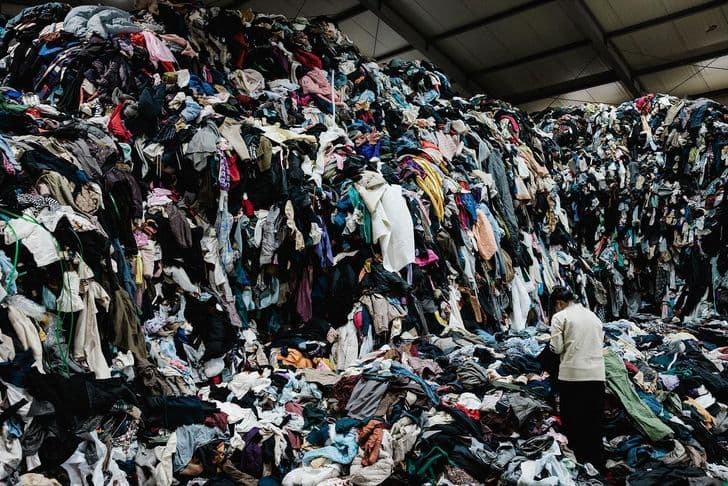
Fast fashion has changed how Korea buys and wears clothes, and it has also changed the country’s waste stream. Research cited by lawmakers and legislative analysts estimates that the textile sector generates roughly 10 percent of industrial greenhouse gas emissions in Korea. Households and businesses together discard about 400,000 tons of textiles every year. Less than 20 percent is recycled. Most of the rest is downcycled, exported, or sent to incinerators and landfills, either at home or abroad. At the same time, brands are believed to produce around 900,000 tons of clothing a year for the Korean market, much of it designed and priced for short use. The gap between production and the limited recovery system is widening.
That imbalance has triggered calls for a policy overhaul. Members of the National Assembly, the Ministry of Environment, and policy researchers are discussing a suite of measures centered on extended producer responsibility, known as EPR, combined with a state run collection and recycling backbone, investment in new recycling technologies, and campaigns to promote more responsible consumption. A key first step would be to define textile waste in law for both household and business streams, then pilot EPR for about two years before moving to full enforcement. Advocates warn that international rules are tightening, especially in Europe, and that Korean firms could face trade barriers if they lag on product take back, data disclosure, and funding for recovery systems.
What is extended producer responsibility
EPR is a policy approach that gives producers financial and sometimes physical responsibility for the end of life of what they sell. Under an EPR system, brands, manufacturers, and importers fund and organize the collection, sorting, and proper treatment of products after consumers are done with them. Analysis by the Organisation for Economic Co operation and Development finds that well designed EPR programs can raise recycling rates, shift costs off municipalities, and create incentives for better product design. The design of the policy matters. Fees need to be fair and transparent, definitions need to be clear, and EPR should work with other tools like design standards, consumer information, and separate collection rules.
How Korea could plug textiles into its EPR system
Korea already runs EPR for several product groups. The Ministry of Environment sets annual recycling obligations. The Korea Environment Corporation (KECO) reviews plans and performance, and producers can meet obligations by joining collective systems or by organizing their own recycling and reporting to government. That architecture can be extended to textiles. Producers would register, report volumes, and pay fees that fund collection and sorting, as well as reuse and textile to textile recycling where possible. Government would set targets and oversee data and performance.
Several design choices are central. Separate collection is needed to stop textiles from entering mixed waste. Fees should reward durability, repair, and high quality materials that are easier to recycle. Funding should also support modern sorting, which is essential because fiber blends and finishes complicate material recovery. Above all, reliable data on volumes and composition is needed to guide the system, track progress, and support investment.
The scale of the problem in Korea
Today, most discarded garments in Korea are only sorted for basic reuse and downcycling. A significant share is exported to markets in Southeast Asia and Africa. Researchers estimate that about 40 percent of what leaves the reuse stream goes overseas, often with limited quality control. Items that cannot be sold or reused are incinerated or landfilled. Because textiles are often made from synthetic fibers, those disposal paths carry a climate cost and can release microfibers. Korea also lacks a comprehensive monitoring system to track what is collected, what is reused, and what is recycled. Without data, it is hard to set targets or measure success.
Kim Kyung min, a legislative research officer at the National Assembly Research Service who authored an October analysis of textile waste, said international market pressure is already pushing producers to take more responsibility across supply chains.
We can push EPR outside the country’s legal boundary as well, she said, referring to the way global brands set rules for suppliers under broader environmental, social, and governance commitments.
Kim also cautioned that exporters will face higher compliance hurdles in markets that mandate producer responsibility and transparency around volumes.
An aide to Rep. Kim So hee, a member of the Environment and Labor Committee, said the issue has been elevated in recent oversight.
We brought up the issue during the National Assembly’s government audit period from October to November, saying textile waste should be on top of the country’s EPR list, the aide said.
Kim argues that legal mandates paired with public support can move fast. She pointed to earlier reforms in food waste separation and treatment as proof that new systems can scale when rules and infrastructure arrive together.
In 2005, Korea introduced the world’s first laws to treat food waste, and they remain effective until now. It demonstrates that legal improvement and social consensus can accomplish a meaningful change in the short term, she said.
EU rules are reshaping the market
Europe is moving quickly to require producer funded systems for textiles. A recent political deal at the European level calls for member states to create producer responsibility schemes within 30 months of the directive entering into force. The rules require producers to cover the costs of collecting, sorting, and recycling waste textiles. They cover clothing, accessories, footwear, household textiles like blankets and curtains, and may also extend to mattresses. The obligations apply to all producers that place products on the EU market, including those selling through ecommerce from outside the EU. Micro enterprises will have an extra year to comply, but they are still covered.
Member states will set fees charged to producers, guided by principles that allow higher fees for products with poor environmental or social performance or for very high volume business models. Separate collection of textiles will become the norm across the EU. Many national schemes will use producer registers with volume reporting. International brands may need a legal entity in each country where they sell and could face fees in each jurisdiction. This will increase the administrative load and raise costs, especially for products made from hard to recycle blends.
Lessons from existing schemes
France and the Netherlands already operate textile EPR. Both use fees that vary by product features, often called ecomodulation. Items that are easier to reuse or recycle can have lower fees. Products with recycled content or designs that improve reparability can also benefit. The governance is typically through a producer responsibility organization under public oversight. Outside textiles, new packaging EPR programs in places like Colorado show how an approved plan can set covered materials, collection standards, and reporting rules while moving funding from municipalities to producers. These models highlight the value of clear definitions, fair cost sharing, and robust oversight.
Research on used garment trade flows warns of side effects. As collection rises in exporting regions, more low quality items can end up in import dependent countries with limited sorting and disposal capacity. Some of those imports are then dumped or openly burned. This is one reason many experts argue that countries should invest in their own collection and sorting capacity and reduce exports of low value textile waste. It also explains why the EU is tightening its controls on waste shipments.
Designing a Korean model that delivers results
Extending EPR to textiles in Korea will require precise legal definitions, a clear list of covered items, and a realistic timeline for rollout. Apparel, footwear, and household textiles should be covered. Mattresses may need special treatment. Policymakers should avoid the mistake of sweeping in products that are legally treated as hazardous once used, such as certain personal protective equipment and medical devices. Industry groups in Europe warn that mixing those items into standard textile streams risks contamination and conflicts with safety rules. Korea can preempt that problem with explicit exclusions and guidance on safe handling where needed.
Who pays and how
Defining who is a producer is critical. Obligations should apply to domestic brands, importers that place goods on the market, and remote sellers that ship directly to Korean consumers through ecommerce. All producers should register with KECO, receive a unique producer number, and report volumes by product type. Fees should vary to reward good design. Products with high recycled content, monofiber construction, better durability, and easy disassembly should pay less. Items that are hard to recycle, such as complex blends with elastane or heavy coatings, should pay more. Higher contributions can also apply to very high volume business models that push rapid turnover.
Fee revenue should fund separate collection at neighborhood level, sorting capacity that can identify fiber mixes, repair and reuse networks, and investment in textile to textile recycling. Small companies may need phased entry or lower administrative requirements to avoid excessive burden, while still contributing fairly.
Technology and infrastructure
Textile recycling is technically challenging. Mechanical recycling can handle some cotton and wool streams, but fibers shorten and quality drops. Polyester can be recycled into new fiber either mechanically from clean streams like bottles or via chemical processes that break material down to its building blocks. Polyamide has similar potential. Elastane and complex blends remain a major obstacle. Sorting is the gateway. Modern systems use near infrared scanners and digital product information to identify composition. That requires better labeling and, soon, digital product passports that store material and care data. Investors need visibility and steady demand to finance new plants. Producer funded contracts that guarantee supply and purchase of recycled fiber can de risk those investments and build scale.
A transparent, state led collection backbone
Advocates want a state run and transparent collection system that works with producer funding but keeps public oversight of service. Municipalities can add textile collection to existing routes or expand drop off banks in apartment complexes and commercial districts. Digital tracking should follow volumes through collection, sorting, reuse, and recycling. Charities and secondhand traders can be integrated through contracts that set quality standards and protect domestic reuse. Exporting waste should be phased down as domestic sorting and recycling capacity grows and as data shows better capture rates at home.
What brands and consumers need to change
For brands, the most powerful changes start at the drawing board. Reduce fiber blends that cannot be recycled at scale. Choose trims, dyes, and finishes that do not interfere with reuse or recycling. Build durability and repairability into garments. Establish or join take back systems that feed into the national collection network. Share data on volumes and fiber composition to support sorting and recycling. Work through a producer responsibility organization to meet obligations efficiently and transparently. Secure long term agreements to buy recycled fiber so new plants have a market.
The Ellen MacArthur Foundation, which has advised governments and brands on circular textiles policy, stresses that funding must cover the real costs and that objectives need to be clear.
Funding is essential to cover the net cost of managing all discarded textiles, not just items with high market value.
Consumers have a role too. Separate textiles for collection instead of putting them in mixed waste. Extend the life of clothing through repair and resale. Buy fewer items and choose better quality when possible. Clear collection rules and visible drop off points will make participation easier. When collection and sorting improve, more items can be reused locally and more material can be recycled into new textiles instead of padding and rags.
Policy timeline and next steps in Korea
Lawmakers and the Ministry of Environment are weighing a two year pilot for textile EPR. The pilot can test definitions, data reporting, fee levels, and collection models in a few urban and regional settings. Early milestones could include a national producer register, mandatory reporting by large producers, and a first wave of public collection points. Within that period Korea can set targets for collection, reuse, and recycling, then scale up nationally. Aligning the timeline with the European schedule would help exporters. If the EU expects producer funded systems in place within about 30 months of its law entering into force, Korean companies that sell into that market will need parallel systems and data. Setting up domestic systems now can reduce compliance costs later and protect access to export markets.
Senior leadership inside government should coordinate across waste management, circular economy, trade, and industry policy. KECO can manage the register and data. Municipalities can run collection with producer funding. The national system should be transparent and auditable, with public dashboards that track volumes and outcomes. Finally, a clear plan to reduce exports of low value textile waste can signal that the system aims to manage what Korea produces, not shift the burden elsewhere.
What to Know
- Korea discards about 400,000 tons of textiles each year and recycles less than 20 percent, while fast fashion supplies roughly 900,000 tons of clothing annually.
- Lawmakers and analysts are pushing for extended producer responsibility, a state run collection backbone, and investment in textile recycling technology.
- EPR makes producers fund and organize collection, sorting, reuse, and recycling, with fees that can reward better design.
- The EU plans producer funded textile schemes within 30 months of its law taking effect, covering clothing, footwear, and household textiles, including sellers via ecommerce.
- Exporters to Europe will face producer registers, fees in each country, and more data reporting, so Korean firms benefit from building domestic systems now.
- Policy design choices for Korea include clear scope, exclusion of hazardous PPE and medical devices, fair fee design, and robust data through a national producer register.
- Separate collection and advanced sorting are essential, since fiber blends and finishes complicate recycling.
- A two year EPR pilot can test definitions, fees, and collection models, with quick scale up once targets and data systems are in place.