First snow in Korea then and now
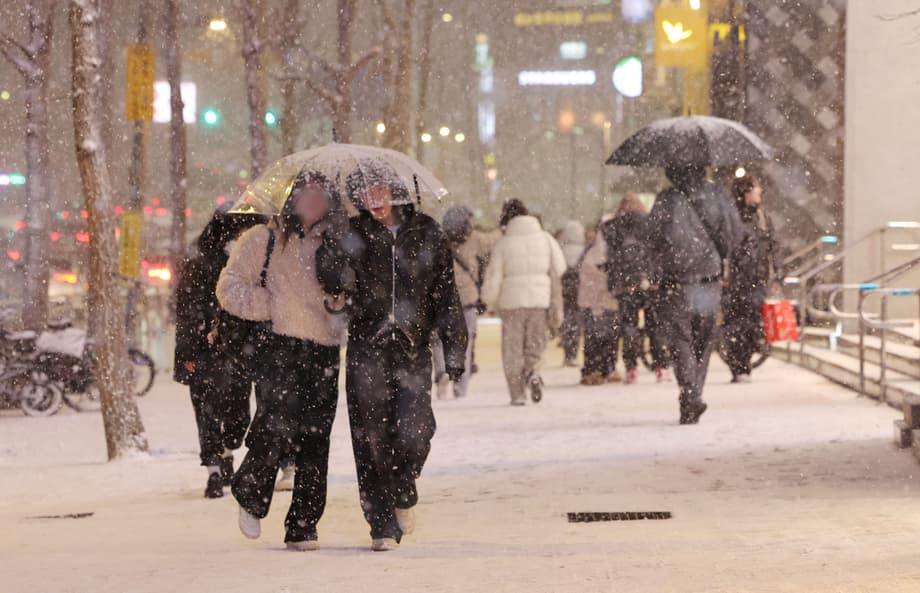
Seoul’s first snowfall this week arrived heavy and fast, glazing roads and slowing commutes. Many residents saw inconvenience rather than wonder. Centuries ago, snow signaled something very different. In royal courts, in farming villages, and on mountain slopes, winter’s first flakes carried layers of meaning. It could be a gift, a game, a harbinger for crops, an occasion for feasting, and a cue for communal hunts. Across the Goryeo and Joseon periods (918 to 1910), snow linked nature, ritual, and daily life in ways that feel distant from today’s urban bustle.
- First snow in Korea then and now
- Gift of the first snow, a social game
- When snow felt ominous
- Winter hunts on Hwangbyeongsan
- Snow cuisine from royal kitchens to street treats
- Farmers, reservoirs, and the spirit of five grains
- Snow as divination for the harvest
- Snow in art and scholarship
- How the traditions echo today
- Key Points
Gift of the first snow, a social game
The Veritable Records of the Joseon Dynasty, the court annals that tracked the lives and decisions of its kings, describe a custom of sending the first snow to friends, patrons, and superiors. This tradition, which sources trace to the Goryeo Kingdom and later Joseon, framed snow as something precious enough to share. In one well known episode from King Sejong’s reign, the retired King Taejong and his brother, the former King Jeongjong, turned the first snow into playful mischief, dispatching a court official to deliver a token of winter to one another.
How the exchange worked
When the first snow fell, senders would collect a small amount, wrap it carefully, and send it swiftly to a chosen recipient. The etiquette made it a friendly wager. If the package of snow reached its destination, the recipient owed the sender a meal. If the recipient intercepted the messenger before delivery, the sender owed the meal instead. It was a seasonal ice breaker, a ritual with a wink, meant to strengthen ties and show attention at the start of winter.
King Taejong, remembered as a decisive ruler and Sejong’s father, even dressed the gesture in humor. Records recount him calling the first snow a kind of remedy for the season. Courtiers and kin got the joke, and messengers hustled through the palace grounds with their fragile cargo.
Retired King Taejong referred to the first snow as “medicine,” turning a weather event into a playful gift.
When snow felt ominous
Snow was not always treated as an omen of good fortune. The annals also record moments when kings refused the gift. In 1417, Taejong denied the offering of first snow from his officials, uncertain whether it should be celebrated. Sejong, a patron of science and letters who still read signs from nature with care, once declined to mark the first snowfall because of strange winter phenomena that included thunder and earthquakes. In a Confucian court that prized moral order, unusual weather could signal disorder, so celebration sometimes gave way to caution.
These judgments reflected a larger worldview. In premodern Korea, nature and governance were entwined. Extreme weather, early snow, or unseasonal storms could be read as warnings. Rulers weighed ritual response with sensitivity to timing, balance, and public feeling.
Winter hunts on Hwangbyeongsan
Heavy snows in the highlands told a different story. In Gangwon Province, deep winter once set the stage for one of the peninsula’s most dramatic seasonal gatherings. When the snowpack on Hwangbyeongsan in Pyeongchang reached about one meter, local elites organized a grand team hunt known as Hwangbyeongsan sanyang. The event combined skill, ceremony, and community. Participants assembled at a temple to honor the mountain spirits, then climbed to roughly 700 meters to begin the chase across wind scoured ridges and gullies.
Tools and risks on the mountain
Hunters carried long spears and wore snowshoes woven from straw. Many used wooden sleds shaped like skis to glide over powder and crust. Accounts from the Joseon scholar Yi Sik evoke motion and speed, a rush of descent as animals bolted across the white slopes and men followed in close pursuit. The hunt was demanding and dangerous. After record snowfall in 1419, King Sejong briefly forbade the practice, citing the risk to lives and limbs when trails vanished under deep drifts. Centuries later, the tradition was recognized as an intangible cultural heritage by Gangwon Province in 2007, a nod to its historical memory and its enduring hold on regional identity.
The hunt carried social weight. It reinforced bonds among local elites, affirmed respect for the mountains, and displayed winter survival skills. Ritual set the tone, but teamwork decided the day.
Snow cuisine from royal kitchens to street treats
Cold and fire met on Joseon tables during snow days. One aristocratic favorite, seolyamyuk (literally, food craved on a snowy night), involved thin slices of marinated beef roasted slowly over a low flame. Cooks alternated gentle grilling with quick cooling under packed snow. The cycle of heat and chill tightened the texture, rendering meat tender and evenly cooked. Some chefs soaked the slices briefly and brushed them with sesame oil before the final roast, a technique that balanced seasoning and mouthfeel.
From royal ice to modern bingsu
Snow shaped summer tastes as well. During Joseon, the royal court maintained Seobingo, an office in charge of ice harvesting and storage. Shaved ice desserts, at first a simple pairing of finely crushed ice with red bean paste, evolved over time. Today’s bingsu, airy and soft like fresh snow, carries that legacy. Modern versions layer fruit, condensed milk, or ice cream, but the core idea remains the same. Ice handled with care can feel as delicate as snowfall, a seasonal pleasure that once depended on winter labor and precise storage.
Shaved ice desserts are common around the world, each tuned to local taste. Korea’s version stands out for its texture, a near powder that melts on contact. The link back to royal ice stores underscores how winter shaped culinary memory long after the snow melted.
Farmers, reservoirs, and the spirit of five grains
For farmers, snow promised water and fertility. Country wisdom held that melted snow carried the “spirit of the five grains,” a poetic way of saying that clean, slow melting snow nourished fields. In practical terms, it meant more moisture for spring cultivation. Communities built small dams and reservoirs as early as September to capture runoff and steady the flow of water into planting season. A late eighteenth century record described the task of securing water veins as the foundation of the farming year.
Snow as water management strategy
These small reservoirs served as buffers against dry spells after winter. Snowmelt refilled waterways, eased irrigation demands, and moderated the start of the growing cycle. Farmers watched winter patterns closely. A soft, steady accumulation meant a gentler thaw that soaked into the soil. A dry winter meant reliance on rivers and stored water, with more risk as spring storms became critical. Even as beliefs lent spiritual language to snow, the engineering was concrete and local, using earthworks, sluices, and careful maintenance to hold precious water.
Snow as divination for the harvest
Royal households asked what winter portended. Seasonal observations guided planning, tax decisions, and the timing of rites. In 1469, the Grand Queen Dowager sought counsel on what that year’s snowfall meant for the crop ahead. King Sejong made a similar inquiry earlier in the century. Officials did not always agree, but advice could be precise, blending experience with omen reading.
Cho Mal saeng, who served as Minister of War during Sejong’s reign, offered a clear answer to one such question about mild winters and fields. He argued that cold and warmth could shift troubles from one season to another, while still allowing for a good yield of certain staples.
Minister Cho Mal saeng advised that if the winter was not cold, there would be frost in spring but an abundance of barley and flour.
These ideas echoed wider seasonal customs. The 24 solar terms marked the year’s turn, and people paid attention to key days like Ipchun, the beginning of spring. Fair weather on that day was read as a good sign for health and harvest, while snow or rain hinted at a harder season. Wisdom from court and countryside met in a shared premise. Nature spoke in patterns. People watched, compared, and planned.
Snow in art and scholarship
Winter scenes entered Korea’s visual culture through genre painting and literati art. Artists such as Kim Hong do and Shin Yun bok, active during the Joseon era, captured daily life in lively brushwork. Scenes of children playing, merchants moving goods, or travelers on snowy roads revealed winter’s texture as lived experience. These paintings recorded clothing suited for cold, the shape of sleds and shoes, and the way people gathered around fires and markets when snow fell.
Paintings, fans, and the study of nature
The literati treated nature as a classroom as well as a muse. Folding fans became canvases for landscapes and poems. Winter motifs, sparse branches or distant peaks veiled in white, conveyed endurance and calm. Museums in Korea have spotlighted these traditions in recent seasons, showing how folk paintings and literati pieces carried forward seasonal memory and social commentary. The scholarly tradition of seowon, Neo Confucian academies located near mountains and rivers, underscores that link between learning and landscape.
UNESCO describes these academies as places where architecture and environment worked together to cultivate character and understanding. Their settings near streams and wooded hills encouraged attentive observation of the seasons, including snow that transformed familiar courtyards and paths.
UNESCO calls the seowon “exceptional testimony to cultural traditions associated with Neo Confucianism in Korea,” with buildings and landscapes that fostered appreciation of nature.
That ethos helps explain why courts read snow as sign, why scholars consumed winter in verse and paint, and why mountain communities marked deep drifts with ceremony and skill.
For more on seowon, see the official UNESCO listing at whc.unesco.org.
How the traditions echo today
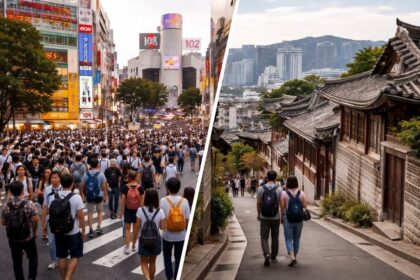
Contemporary Korea still reacts to snow with a mix of wonder and practicality. City crews move quickly to salt roads and clear lanes, commuters track delays on their phones, and schools weigh safety closures. At the same time, social media fills with first snow photos, couples mark the moment with quiet walks, and cafés serve warm broths alongside icy bingsu that mimics the texture of new flakes. The old customs live on in pieces rather than as a single ritual. A winter hike in the mountains pairs respect for the terrain with modern gear. Cultural festivals celebrate local heritage, including reenactments of snow hunts in safe, symbolic form. Dishes that nod to seolyamyuk favor slow cooking and shared plates. The spirit of offering something special on a snowy night remains.
Climate adds a new variable. Warmer winters in some years reduce the number of snow days in lowland cities, while highland regions still see deep, wind packed falls. This variability sharpens the same questions that Koreans once asked. How will the weather affect fields and river levels, and how should communities prepare. Municipal planning leans on forecasts and infrastructure. Rural counties still monitor reservoir levels with the old farmer’s urgency, especially after a dry winter.
What endures is the sense that snow brings people together. In the past it spurred messengers to sprint with wrapped gifts of ice. It gathered nobles at temples to seek safe passage across a white mountain. It pushed cooks and diners to the hearth for a dish that tasted best in winter. Today it nudges friends to swap messages and families to crowd around steaming pots. Even when traffic stalls and schedules bend, snow still arrives with a story, one that Koreans have told for centuries in records, recipes, and art.
Key Points
- Sending the first snow as a gift began in Goryeo and continued through Joseon, turning into a light social game with meals at stake.
- Retired King Taejong once called the first snow “medicine,” though both he and Sejong also declined snow gifts when winter felt ominous.
- Hwangbyeongsan sanyang in Gangwon Province was a large communal winter hunt, paused by Sejong for safety in 1419 and recognized as cultural heritage in 2007.
- Seolyamyuk, a snow night beef dish, alternated gentle grilling with cooling under snow for tender texture.
- Royal ice storage at Seobingo supported early shaved ice desserts that evolved into modern bingsu with snowlike texture.
- Farmers valued snowmelt for water and fertility, building small reservoirs to capture runoff for spring planting.
- Officials treated snowfall as an omen for harvest. Minister Cho Mal saeng linked mild winters to spring frost but predicted strong barley and flour yields.
- Winter scenes feature in Joseon era painting and literati arts, with seowon academies underscoring a tradition of studying nature.
- Modern echoes include heritage festivals, winter hiking, bingsu culture, and shared moments during the first snowfall.